Tell us anything

An idea, a bug, something you love. We read every note.

⌘↵ to send. The page you're on comes along.

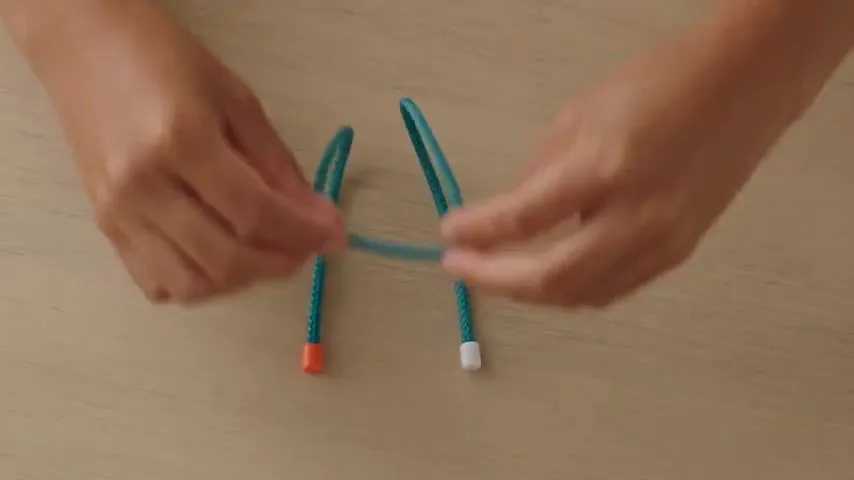
Rope Craft Diamond Knot Demo

Made with Seedance 2.5 in Kling by Library Cinema. Promptclay never generates images.

Did it work?

No reports yet. Tell others if it worked for you.

No comments yet. Be the first.

    Rope Craft Diamond Knot Demo

    Seedance 2.516:9AI-generated

    Prompt

    Video Style -> Highly photorealistic 15-second home rope-craft demonstration. A beautiful, intricate diamond lanyard knot develops from loose cord through visible physical weaving. Normal-speed introduction and reveal; the central tying sequence plays as smoothly accelerated footage, approximately three times normal speed, with every essential crossing shown. Subject -> One consistent beautiful young adult woman, approximately 25 years old, of mixed Hispanic and Korean heritage. Honey-blonde hair in a loose ponytail with a few natural flyaways, dark brown eyes, subtle makeup, realistic skin texture, and a relaxed, focused expression. She wears a cream linen shirt with sleeves rolled above her wrists and sits at a wooden table beside an apartment window. Preserve her exact face, hairstyle, clothing, and proportions throughout. One continuous length of flexible teal braided cord, approximately 5 mm thick, lies on a pale wooden surface. One tip has an orange marker; the other has a white marker. These markings remain attached to the same ends throughout. The cord’s folded midpoint will become the retained lanyard loop. Action -> Picks up the cord’s midpoint → folds it into a long U-shaped bight with the rounded fold pointing away from her and both marked ends pointing toward her → lays the bight on the table → forms a small crossing loop in the orange-ended limb, placing its free end beneath its own standing section → holds that loop open with her left fingertips → slides the white-marked end beneath the orange limb’s loop → carries the white end over the orange limb’s standing section → passes the white end beneath the orange free end → guides the white end across the loop’s opening, over its first rim → threads the white end beneath its own incoming section → brings the white end over the opposite rim, completing a loose Carrick-bend foundation → gently spreads the woven foundation to expose its central opening without tightening it → takes the orange-marked end around the outside of the retained U-shaped bight → feeds the orange end from beneath upward through the foundation’s central opening, emerging away from the retained loop → takes the white-marked end around the outside of the retained bight → feeds the white end from beneath upward through the same central opening → holds the retained loop while drawing slack through the surrounding turns in small increments → pulls the two marked ends against the retained loop to gather the flat weave into a compact diamond knot → adjusts the turns into an even, rounded woven pattern → lifts the knot with its retained loop clearly visible → rotates it slightly between her fingertips → holds the finished knot beside her face with a small satisfied smile. Shot order -> [0–1s: Front three-quarter medium close-up; show her face, both hands, and the loose marked cord; she picks up its midpoint; cut on the lifting motion to the overhead view] → [1–3s: Steady overhead close-up; she folds the bight, places it on the table, and forms the initial orange-limb loop; establish the retained bight at the top of the frame and both marked ends below] → [3–7s: Continue the same overhead shot; accelerated but continuous footage shows every white-end crossing individually: beneath the loop, over the standing section, beneath the orange end, over the first rim, beneath its own incoming section, and over the opposite rim] → [7–10s: Maintain the same orientation; she exposes the center, routes the orange end around the retained bight and upward through the center, then separately repeats the corresponding action with the white end] → [10–13s: Continue overhead as she progressively removes slack, gathers the woven foundation, and dresses the compact diamond knot; show the retained loop remaining outside the knot] → [13–15s: Return to normal speed; cut on her lifting movement to a front close-up; she brings the finished knot beside her face, rotates it slightly, and holds it steady for the final second]. Rules -> One continuous cord, exactly two marked tips, and one retained lanyard loop. Preserve the identity of every strand and every over-under crossing. Each tip must visibly travel through an existing opening before emerging on the other side. No rope passing through solid rope, fused crossings, disappearing tips, extra fingers, pre-tied substitutions, or spontaneous knot formation. Keep the Carrick foundation loose until both marked ends have completed their additional routes through the center. Tightening must happen through visible slack removal and tension. Maintain the same overhead orientation throughout tying. No cuts during weaving or tightening. Hands must leave each crucial crossing readable. The finished knot must physically follow from the preceding sequence. Filming Style -> Natural smartphone craft vlog filmed by another person, with soft window light, ordinary apartment detail, realistic skin, and clearly resolved braided fibers. Slight handheld instability, ambient room tone, no music, no voiceover.

    Works in
    Kling
    Status
    Free to copy
    0
    DetailsVersions, settings and questions

    Written for

    What's in the prompt

    Subject
    Model
    Seedance 2.5

    If your face changes

    keep my face exactly the same

    Questions

    Does this work in the Kling app?
    Yes. Paste the prompt and attach your photo if it uses one.
    It changed my face. What do I do?
    Add "keep my face exactly the same" to the end and run it again.
    Can I use the images I make?
    Check the terms of the app you use. Promptclay never generates images and claims nothing you make.
    Similar prompts

    See more
    • Overhead Calligraphy Crafting Shot
    • iPad Kid Cheeto Hands Video PromptVideo, 0:15
    • Finished Baby Sensory Bottle
    • Macro Guitar Fret Dressing
    • Microscopic Pencil Tip to Proton Zoom
    • Notebook Spread with 3D Model Analysis Diagrams
    • Harbor Street Coffee Fall Menu
    • Mixed Media Artist Studio Display
    • Classic Animation Light Table Prompt
    • Sun to my back, shadow as proofVideo, 0:06
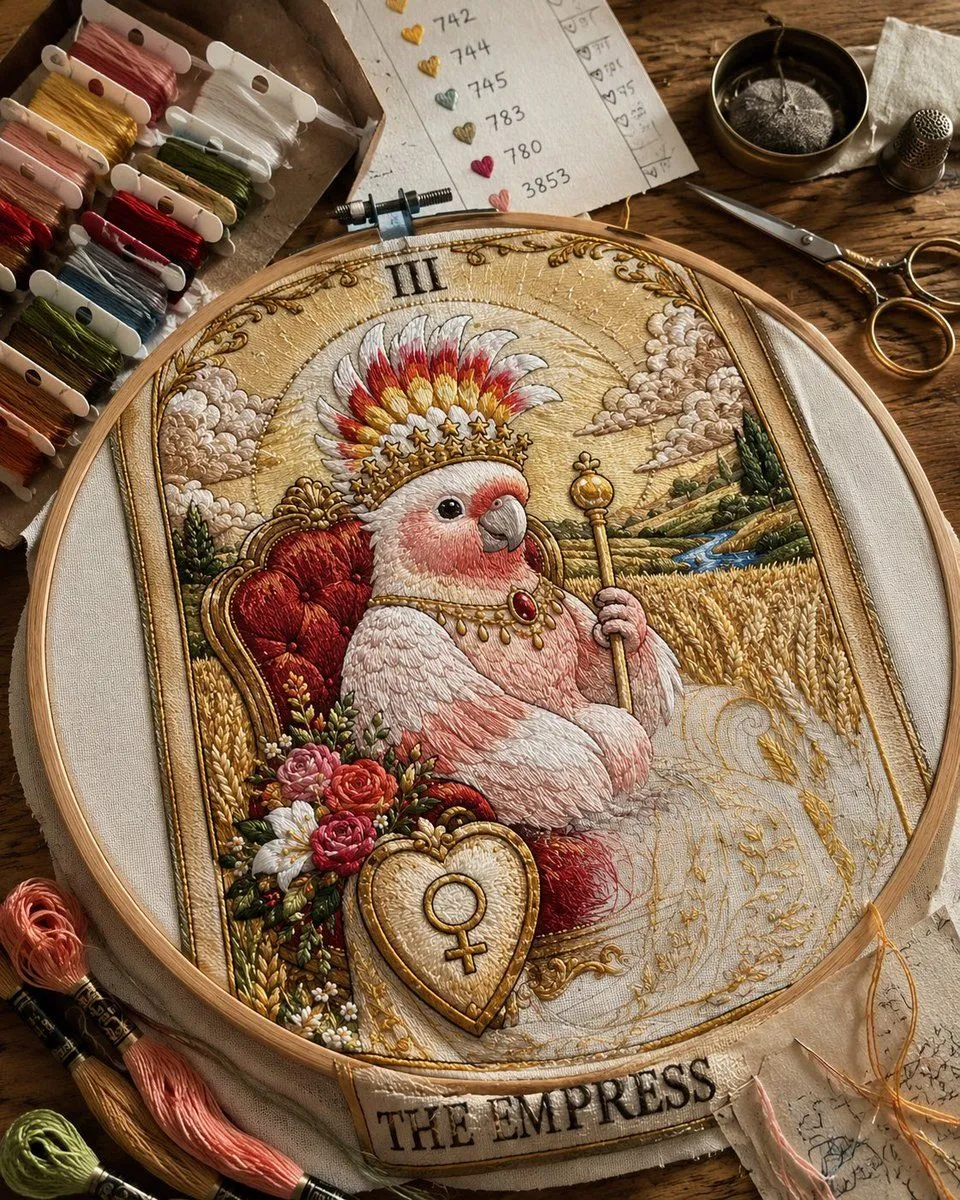
    • Embroidered Empress Tarot Cockatoo
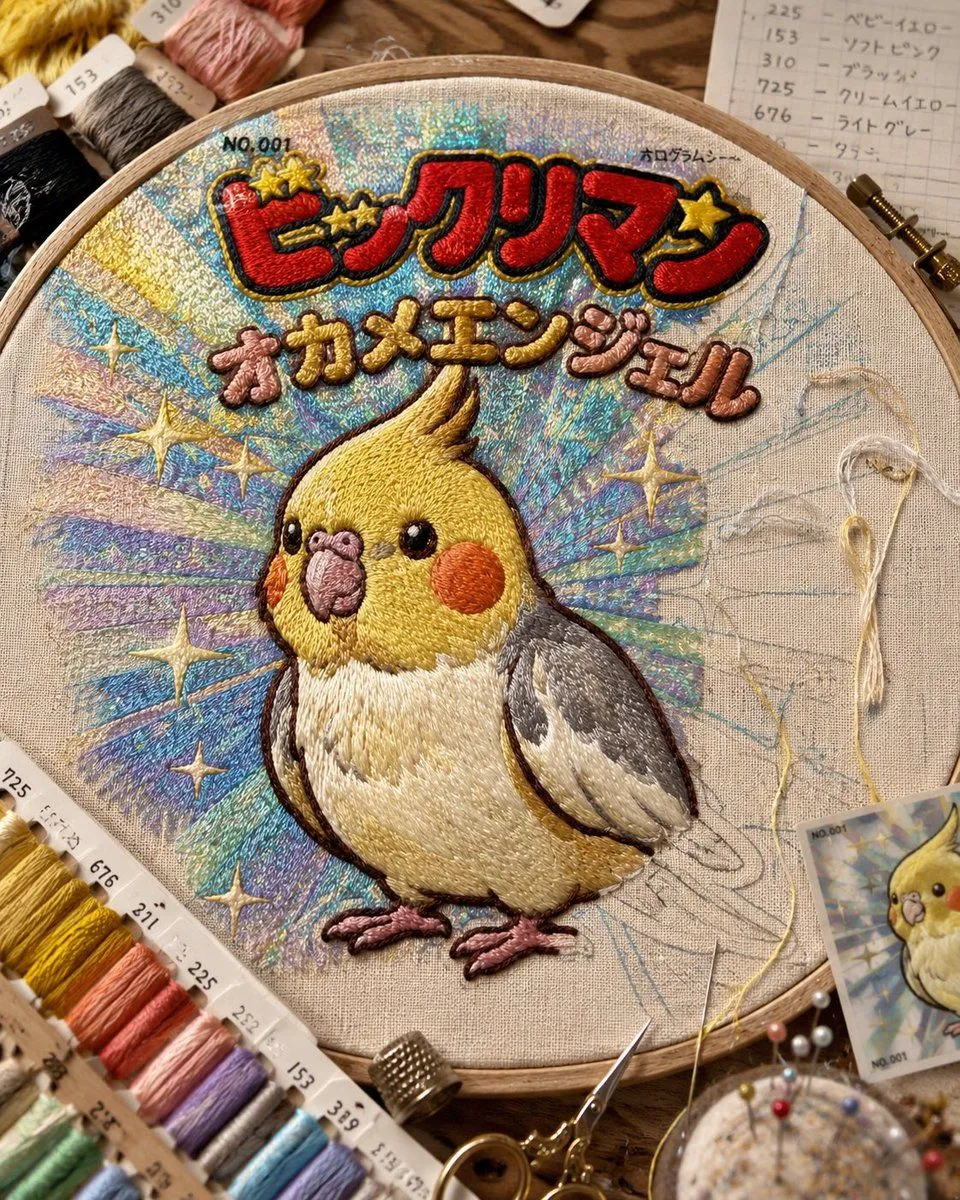
    • Holographic Cockatiel Embroidery Hoop
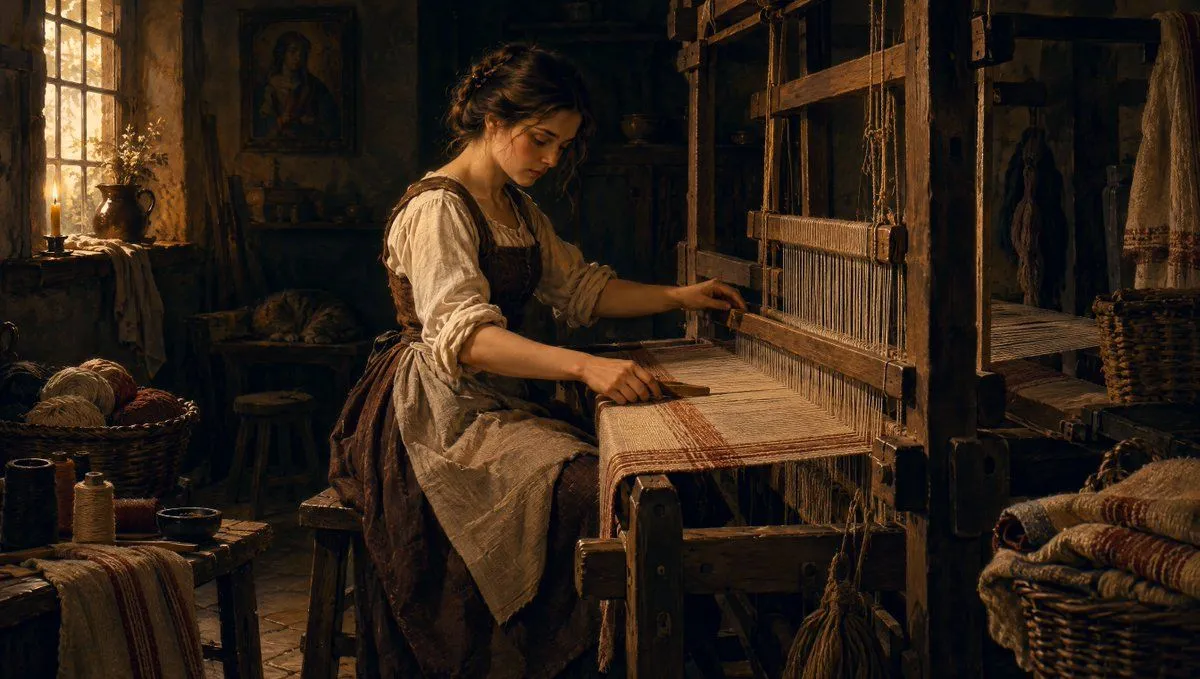
    • Woman Weaving at Loom
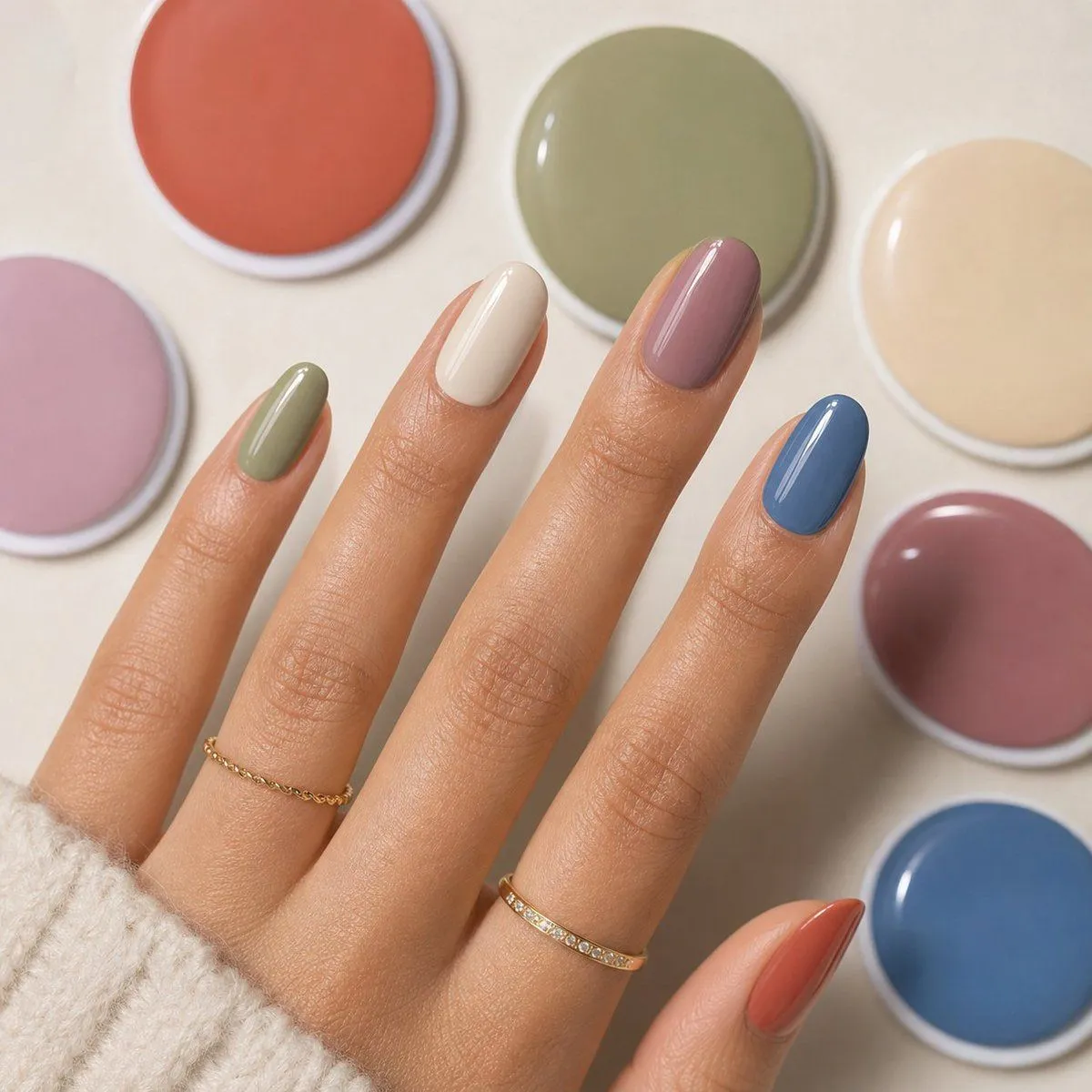
    • Muted Pastel Acrylic Nail Set
    • Nano Banana Pro Prompt for Character and Background Change
    • Ultra-Detailed Editorial Portrait with Orange Accents
    • Hyper-Real Studio Portrait Poster Art Generator Prompt
    • Hyper-realistic photo of a hand with diamond bracelets
    • Oriental Embroidery Workshop Artistic Portrait
    • Dramatic High-Fashion Portrait with Flower JSON
    • Jewelry Product Photography of Layered Gold Necklace
    • Close-Up Selfie Portrait with Soft Indoor Lighting
    • Aerial Steampunk Workshop Transformation
    • Maker Bench Notes Chart

    Show more

    Run it on your phone

    1. Prompt copiedRead it

      Video Style -> Highly photorealistic 15-second home rope-craft demonstration. A beautiful, intricate diamond lanyard knot develops from loose cord through visible physical weaving. Normal-speed introduction and reveal; the central tying sequence plays as smoothly accelerated footage, approximately three times normal speed, with every essential crossing shown. Subject -> One consistent beautiful young adult woman, approximately 25 years old, of mixed Hispanic and Korean heritage. Honey-blonde hair in a loose ponytail with a few natural flyaways, dark brown eyes, subtle makeup, realistic skin texture, and a relaxed, focused expression. She wears a cream linen shirt with sleeves rolled above her wrists and sits at a wooden table beside an apartment window. Preserve her exact face, hairstyle, clothing, and proportions throughout. One continuous length of flexible teal braided cord, approximately 5 mm thick, lies on a pale wooden surface. One tip has an orange marker; the other has a white marker. These markings remain attached to the same ends throughout. The cord’s folded midpoint will become the retained lanyard loop. Action -> Picks up the cord’s midpoint → folds it into a long U-shaped bight with the rounded fold pointing away from her and both marked ends pointing toward her → lays the bight on the table → forms a small crossing loop in the orange-ended limb, placing its free end beneath its own standing section → holds that loop open with her left fingertips → slides the white-marked end beneath the orange limb’s loop → carries the white end over the orange limb’s standing section → passes the white end beneath the orange free end → guides the white end across the loop’s opening, over its first rim → threads the white end beneath its own incoming section → brings the white end over the opposite rim, completing a loose Carrick-bend foundation → gently spreads the woven foundation to expose its central opening without tightening it → takes the orange-marked end around the outside of the retained U-shaped bight → feeds the orange end from beneath upward through the foundation’s central opening, emerging away from the retained loop → takes the white-marked end around the outside of the retained bight → feeds the white end from beneath upward through the same central opening → holds the retained loop while drawing slack through the surrounding turns in small increments → pulls the two marked ends against the retained loop to gather the flat weave into a compact diamond knot → adjusts the turns into an even, rounded woven pattern → lifts the knot with its retained loop clearly visible → rotates it slightly between her fingertips → holds the finished knot beside her face with a small satisfied smile. Shot order -> [0–1s: Front three-quarter medium close-up; show her face, both hands, and the loose marked cord; she picks up its midpoint; cut on the lifting motion to the overhead view] → [1–3s: Steady overhead close-up; she folds the bight, places it on the table, and forms the initial orange-limb loop; establish the retained bight at the top of the frame and both marked ends below] → [3–7s: Continue the same overhead shot; accelerated but continuous footage shows every white-end crossing individually: beneath the loop, over the standing section, beneath the orange end, over the first rim, beneath its own incoming section, and over the opposite rim] → [7–10s: Maintain the same orientation; she exposes the center, routes the orange end around the retained bight and upward through the center, then separately repeats the corresponding action with the white end] → [10–13s: Continue overhead as she progressively removes slack, gathers the woven foundation, and dresses the compact diamond knot; show the retained loop remaining outside the knot] → [13–15s: Return to normal speed; cut on her lifting movement to a front close-up; she brings the finished knot beside her face, rotates it slightly, and holds it steady for the final second]. Rules -> One continuous cord, exactly two marked tips, and one retained lanyard loop. Preserve the identity of every strand and every over-under crossing. Each tip must visibly travel through an existing opening before emerging on the other side. No rope passing through solid rope, fused crossings, disappearing tips, extra fingers, pre-tied substitutions, or spontaneous knot formation. Keep the Carrick foundation loose until both marked ends have completed their additional routes through the center. Tightening must happen through visible slack removal and tension. Maintain the same overhead orientation throughout tying. No cuts during weaving or tightening. Hands must leave each crucial crossing readable. The finished knot must physically follow from the preceding sequence. Filming Style -> Natural smartphone craft vlog filmed by another person, with soft window light, ordinary apartment detail, realistic skin, and clearly resolved braided fibers. Slight handheld instability, ambient room tone, no music, no voiceover.

    2. Open your app

      This prompt is long, so it is copied instead of sent in the link. Paste it in the app.

    3. Paste and run

      Press and hold the message box, then tap Paste. Add your photo first if the prompt uses one. You may need to sign in.