
Tell us anything

An idea, a bug, something you love. We read every note.

⌘↵ to send. The page you're on comes along.

Editorial Travel Poster from Photo

Made with GPT Image 2.5 in ChatGPT by Library Typography. Promptclay never generates images.

Did it work?

No reports yet. Tell others if it worked for you.

No comments yet. Be the first.

    Editorial Travel Poster from Photo

    GPT Image 2.53:4Needs your photoAI-generated

    Prompt

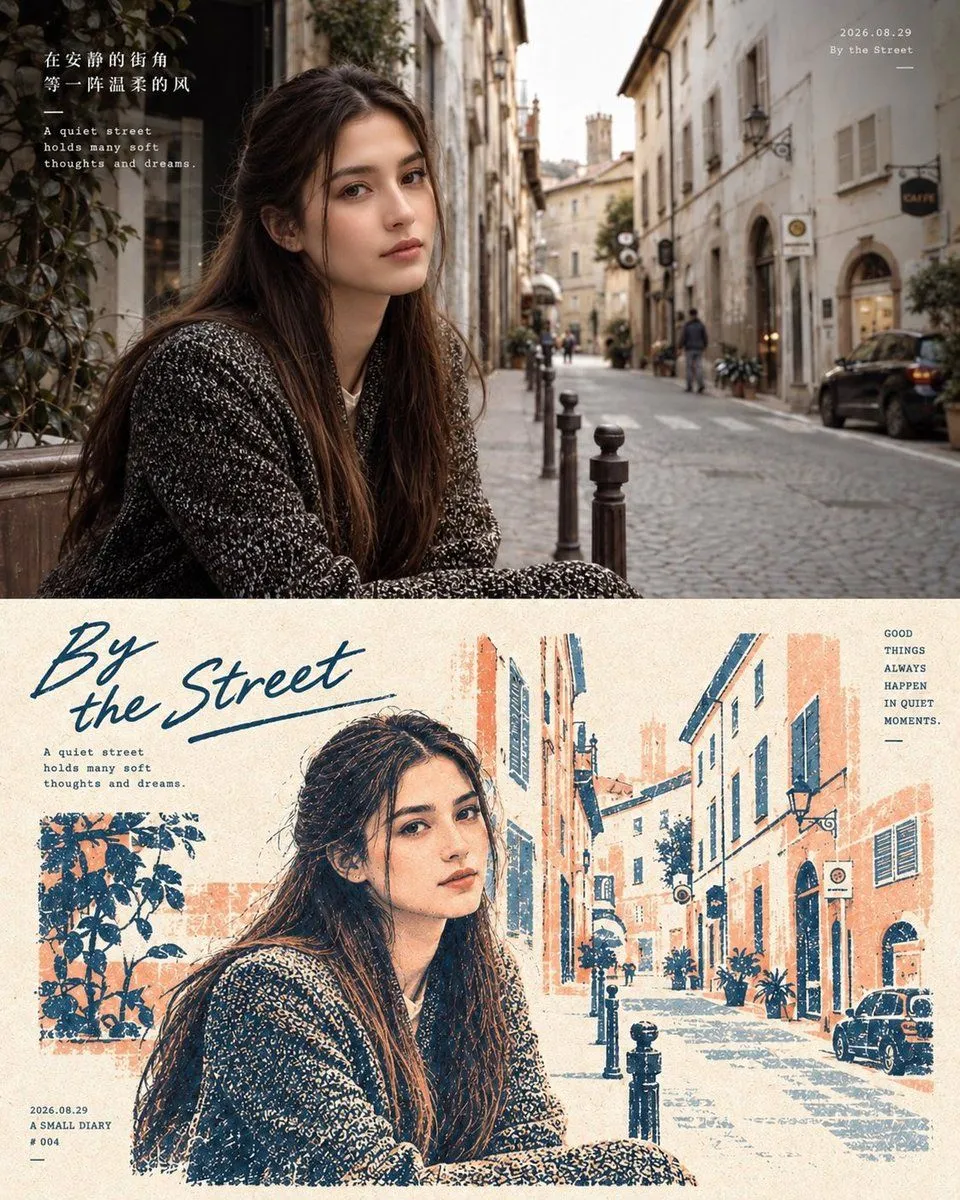
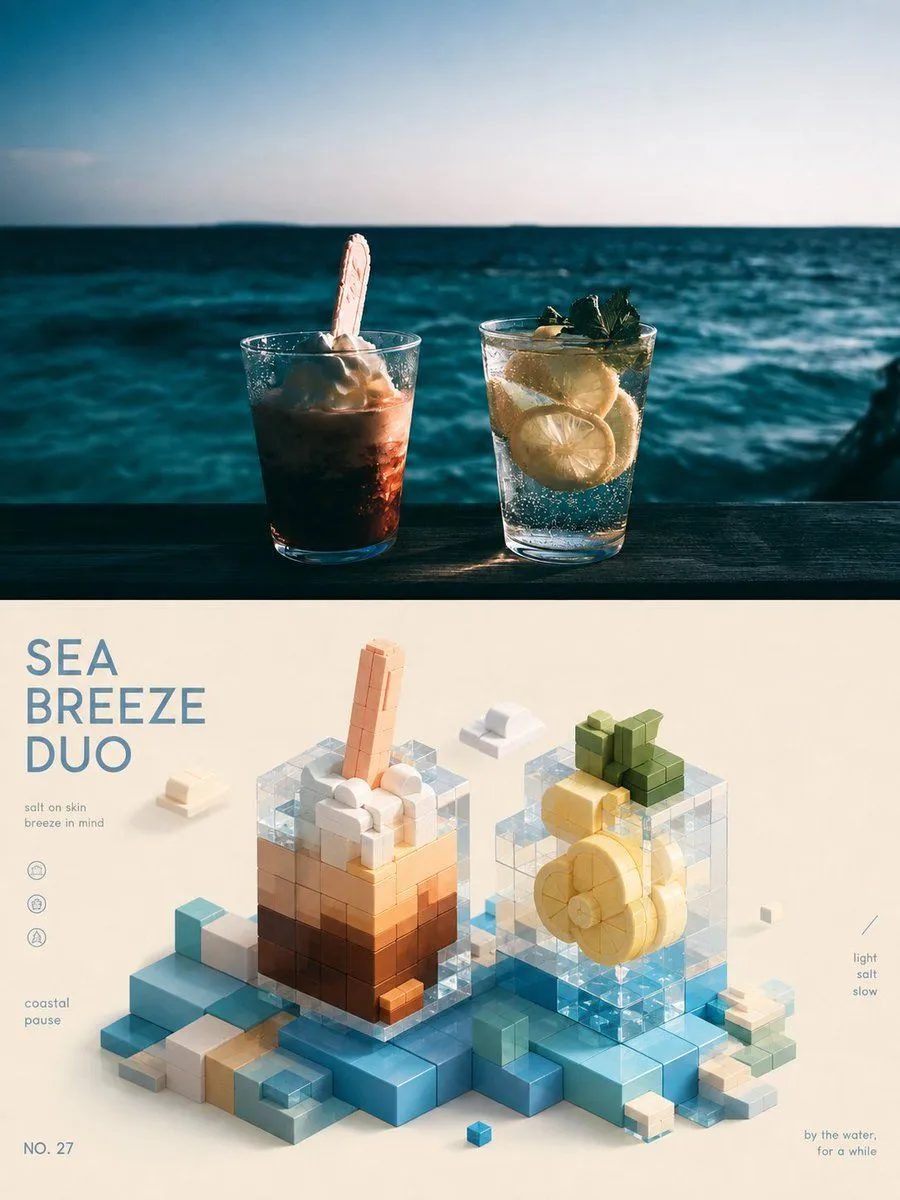
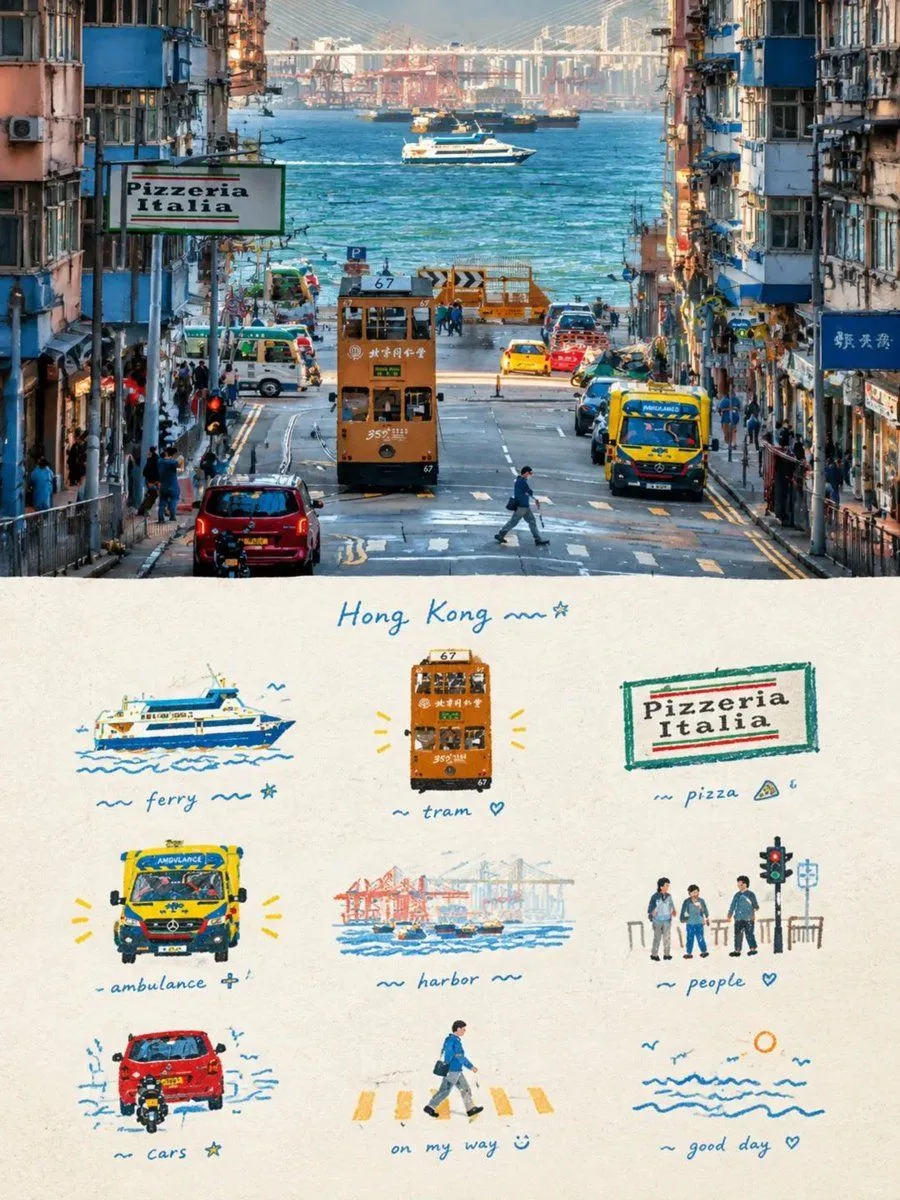
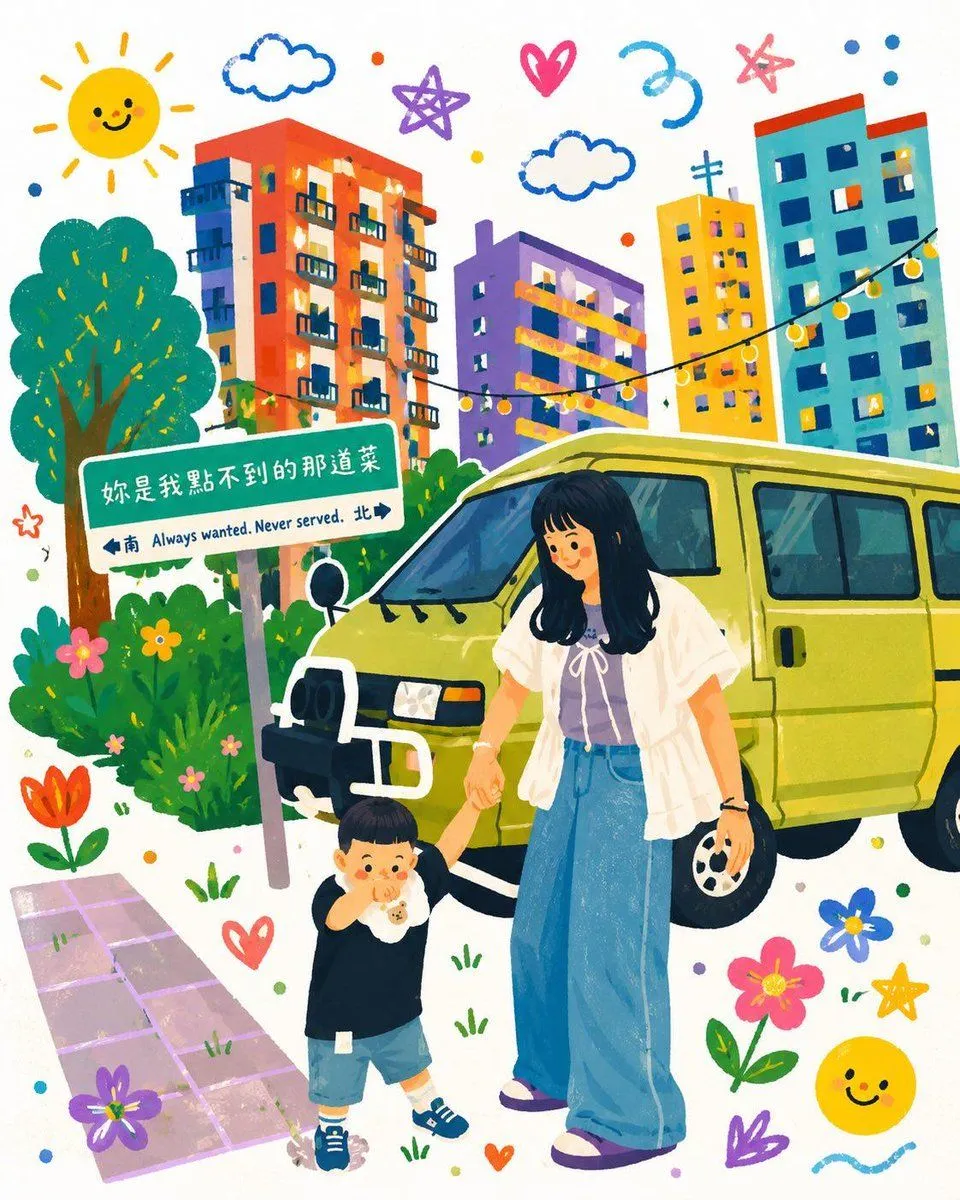
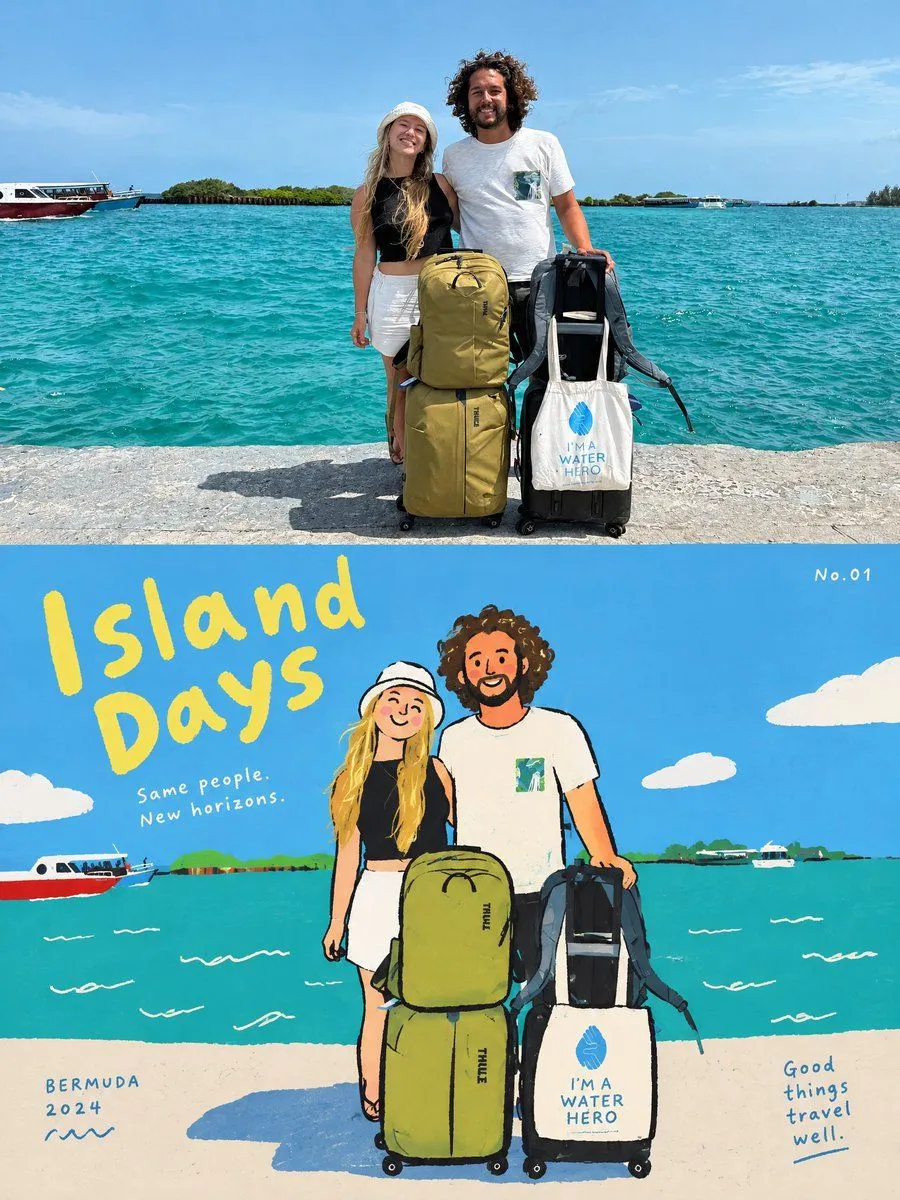
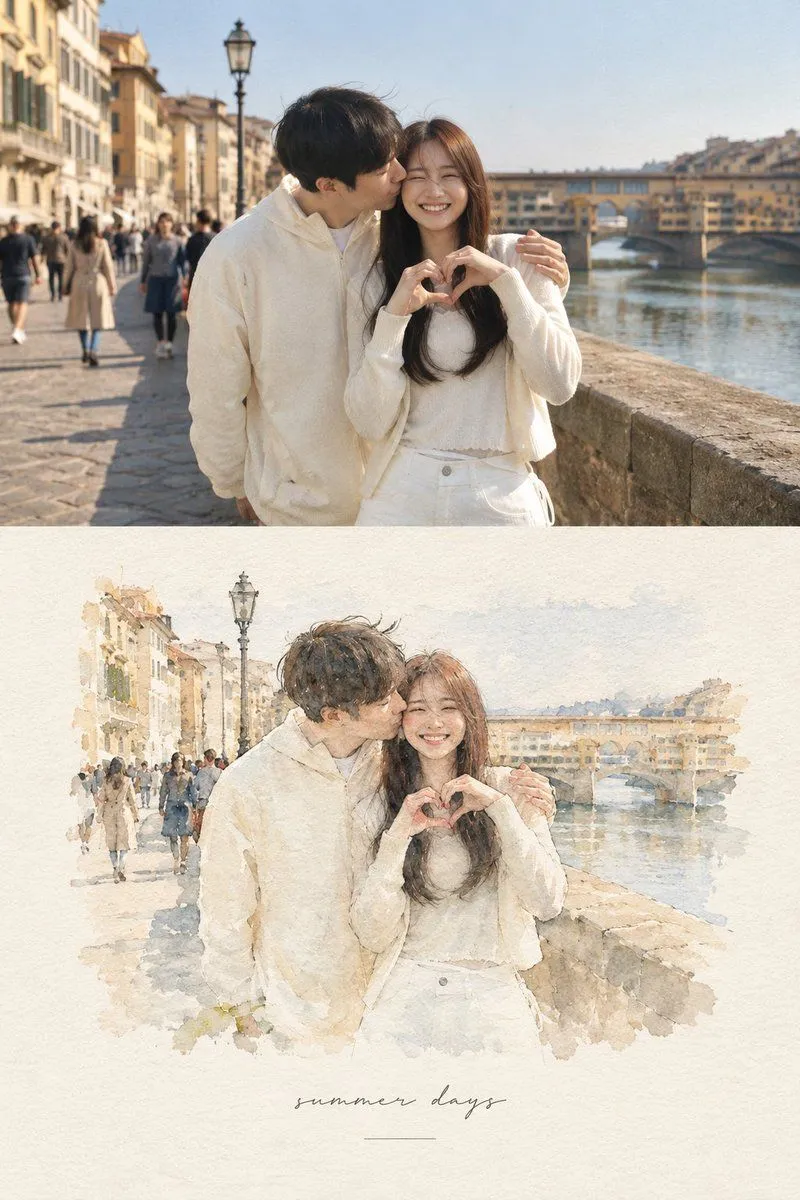
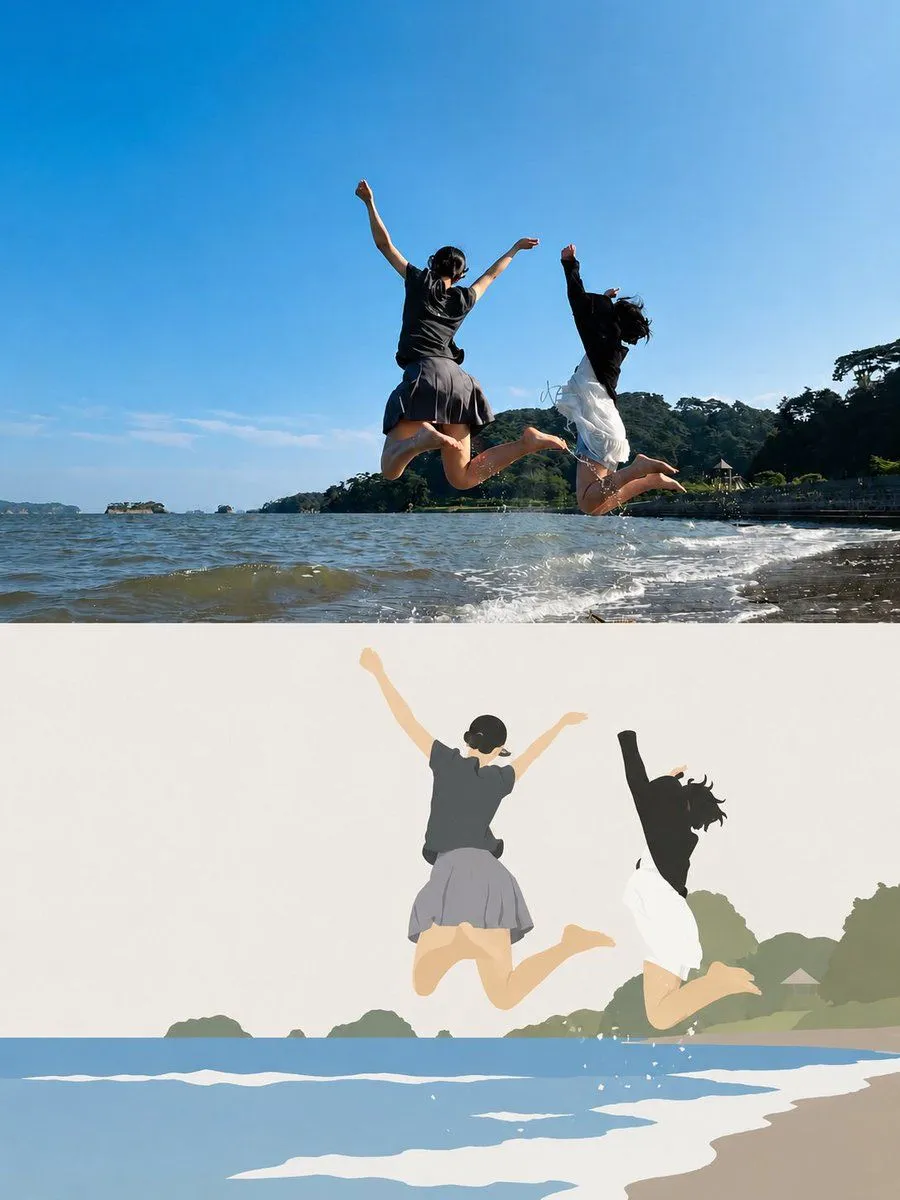
    Create one independent high-end editorial poster for each uploaded photo. Process each photo separately. Never combine photos into a collage, grid, split-screen, or multi-photo composition. FORMAT Strict 3:4 vertical composition, horizontally divided into two exactly equal 50/50 sections. Top 50% = original photography; bottom 50% = flat editorial illustration. Keep the overall design premium, clean, art-directed, visually balanced, and rich in negative space. TOP 50% — ORIGINAL PHOTO Treat the uploaded photo as the single source of truth. Preserve the original subject, identity, facial features, body proportions, pose, expression, clothing, objects, environment, composition, colors, spatial relationships, lighting, shadows, depth, and photographic texture. Do not redesign, replace, beautify, distort, stretch, duplicate, or reinterpret the subject. Only subtle professional color grading is allowed, with the feel of an independent art magazine, premium travel editorial, or exhibition photograph. If more space is needed, naturally extend the existing background without altering the subject. BOTTOM 50% — FLAT EDITORIAL ILLUSTRATION Reinterpret the same photograph as a playful, slightly awkward Korean-inspired flat editorial illustration. Identify and preserve the most recognizable subject, silhouette, pose, action, key relationships, and narrative of the original scene. Simplify them into rounded, slightly exaggerated geometric shapes with clean solid fills and rough, imperfect black hand-drawn outlines featuring subtle wobble, uneven thickness, broken edges, and imperfect contours. Remove photorealistic lighting, shadows, perspective, and material textures. Avoid conventional cartoon or photorealistic styles. Aim for a contemporary Korean children's book, independent magazine graphic, or playful editorial artwork. COMPOSITION Keep one dominant focal point with secondary objects used only as accents. Create relaxed visual rhythm through varied scale, slight misalignment, overlaps, partial cropping, irregular spacing, and subtle asymmetry. Allow some shapes to extend beyond or overlap the composition. Use bold color blocks and generous negative space. Preserve key visual relationships without reproducing every detail. The illustration should feel designed, relaxed, and intentionally imperfect, never mechanically traced or cluttered. COLOR Extract the photograph's most distinctive colors and reinterpret them as a limited palette of high-purity, high-saturation flat colors. Use bold, clean color blocks and bright youthful contrasts. No gradients, realistic shadows, muddy gray tones, glossy effects, complex blending, or excessive texture. The palette should feel cheerful, energetic, childlike, warm, and visually confident. TYPOGRAPHY & EDITORIAL TEXT Generate English text inspired by the photo's theme, action, emotion, atmosphere, or story. Integrate typography naturally into the illustration. MAIN TITLE: 2–4 English words, placed near the upper illustration area. Use playful, slightly handwritten, imperfect lettering; irregular alignment or capitalization is allowed. SUBTAGLINE: One short, restrained English phrase below the title. LOCATION / YEAR: Small editorial line in the lower-middle area. Use a verified location/year when known; otherwise use the subject, activity, event, or travel theme. Never invent a location. POETIC MICRO-CAPTION: A short 1–2 line poetic or playful phrase, placed naturally within negative space, beside a color block, along an edge, or on the visual axis. SERIES NUMBER: Small, subtle editorial numbering such as “No.01” in a corner. Typography may follow subject contours, align with color blocks, occupy negative space, overlap shapes slightly, rotate subtly, or use irregular spacing/cropping. Readability must remain strong. Title can be expressive; supporting text should stay clean and restrained. ART DIRECTION Combine real travel photography × playful flat illustration × premium editorial design × Korean graphic sensibility × travel diary aesthetics. The result should feel bright, youthful, cheerful, warm, playful, slightly quirky, sophisticated, and collectible—like a limited-edition travel art print or contemporary illustrated travel diary, not a generic tourist poster.

    Use only photos you have the right to usePhoto tips
    • Your photo stays with your app. You upload it to Gemini, ChatGPT or the app you use. Promptclay never sees or stores it.
    • Crop to what the prompt needs. Your face for a portrait. Leave out other people, house numbers, cards and screens.
    • Check the result before you post. Apps sometimes add things that were not in your photo, like a mole, a tattoo or bare shoulders. Run it again or ask the app to remove them.
    Works in
    ChatGPT, Gemini
    Status
    Free to copy
    0
    DetailsVersions, settings and questions

    Written for

    What's in the prompt

    Subject
    Model
    GPT Image 2.5

    If your face changes

    keep my face exactly the same

    Questions

    Does this work in the ChatGPT app?
    Yes. Paste the prompt and attach your photo if it uses one.
    It changed my face. What do I do?
    Add "keep my face exactly the same" to the end and run it again.
    Can I use the images I make?
    Check the terms of the app you use. Promptclay never generates images and claims nothing you make.
    Similar prompts

    See more
    • Photo to Watercolor Travel Illustration
    • Japanese Paper-Cut Travel Illustration
    • Two-Panel Editorial Travel Diary Poster
    • 3D Isometric Block Art Reconstruction
    • Hong Kong Travel Scrapbook
    • Minimalist City Travel Poster
    • High-Energy, Print-Ready Comic Art Prompt
    • Weekend Trip Packing Infographic
    • Floating Philippines Island Travel Portrait
    • Romantic Sunset Beach Movie Poster
    • High-End Luxury Fashion Editorial Poster
    • Children's fashion editorial diptych prompt
    • Türkiye Floating Island Travel Poster
    • Whimsical Children's Storybook Illustration
    • Storybook Travel Journal Illustration
    • Grok Imagine Prompt: Wow! Logo Followed by Off-Screen NarrationVideo, 0:16
    • Minimalist Chic Outfit Flat-Lay
    • Tropical Beach Reflection in Sunglasses
    • Cartoon Selfie Doodle Illustration
    • Plastic Pollution PSA Poster
    • Ultimate Southern Beach Scene
    • Stylish Airport Travel Portrait
    • Elegant 23rd Birthday Studio Portrait
    • Pop Idol Typography Cover Art

    Show more

    Run it on your phone

    1. Prompt copiedRead it

      Create one independent high-end editorial poster for each uploaded photo. Process each photo separately. Never combine photos into a collage, grid, split-screen, or multi-photo composition. FORMAT Strict 3:4 vertical composition, horizontally divided into two exactly equal 50/50 sections. Top 50% = original photography; bottom 50% = flat editorial illustration. Keep the overall design premium, clean, art-directed, visually balanced, and rich in negative space. TOP 50% — ORIGINAL PHOTO Treat the uploaded photo as the single source of truth. Preserve the original subject, identity, facial features, body proportions, pose, expression, clothing, objects, environment, composition, colors, spatial relationships, lighting, shadows, depth, and photographic texture. Do not redesign, replace, beautify, distort, stretch, duplicate, or reinterpret the subject. Only subtle professional color grading is allowed, with the feel of an independent art magazine, premium travel editorial, or exhibition photograph. If more space is needed, naturally extend the existing background without altering the subject. BOTTOM 50% — FLAT EDITORIAL ILLUSTRATION Reinterpret the same photograph as a playful, slightly awkward Korean-inspired flat editorial illustration. Identify and preserve the most recognizable subject, silhouette, pose, action, key relationships, and narrative of the original scene. Simplify them into rounded, slightly exaggerated geometric shapes with clean solid fills and rough, imperfect black hand-drawn outlines featuring subtle wobble, uneven thickness, broken edges, and imperfect contours. Remove photorealistic lighting, shadows, perspective, and material textures. Avoid conventional cartoon or photorealistic styles. Aim for a contemporary Korean children's book, independent magazine graphic, or playful editorial artwork. COMPOSITION Keep one dominant focal point with secondary objects used only as accents. Create relaxed visual rhythm through varied scale, slight misalignment, overlaps, partial cropping, irregular spacing, and subtle asymmetry. Allow some shapes to extend beyond or overlap the composition. Use bold color blocks and generous negative space. Preserve key visual relationships without reproducing every detail. The illustration should feel designed, relaxed, and intentionally imperfect, never mechanically traced or cluttered. COLOR Extract the photograph's most distinctive colors and reinterpret them as a limited palette of high-purity, high-saturation flat colors. Use bold, clean color blocks and bright youthful contrasts. No gradients, realistic shadows, muddy gray tones, glossy effects, complex blending, or excessive texture. The palette should feel cheerful, energetic, childlike, warm, and visually confident. TYPOGRAPHY & EDITORIAL TEXT Generate English text inspired by the photo's theme, action, emotion, atmosphere, or story. Integrate typography naturally into the illustration. MAIN TITLE: 2–4 English words, placed near the upper illustration area. Use playful, slightly handwritten, imperfect lettering; irregular alignment or capitalization is allowed. SUBTAGLINE: One short, restrained English phrase below the title. LOCATION / YEAR: Small editorial line in the lower-middle area. Use a verified location/year when known; otherwise use the subject, activity, event, or travel theme. Never invent a location. POETIC MICRO-CAPTION: A short 1–2 line poetic or playful phrase, placed naturally within negative space, beside a color block, along an edge, or on the visual axis. SERIES NUMBER: Small, subtle editorial numbering such as “No.01” in a corner. Typography may follow subject contours, align with color blocks, occupy negative space, overlap shapes slightly, rotate subtly, or use irregular spacing/cropping. Readability must remain strong. Title can be expressive; supporting text should stay clean and restrained. ART DIRECTION Combine real travel photography × playful flat illustration × premium editorial design × Korean graphic sensibility × travel diary aesthetics. The result should feel bright, youthful, cheerful, warm, playful, slightly quirky, sophisticated, and collectible—like a limited-edition travel art print or contemporary illustrated travel diary, not a generic tourist poster.

    2. Open your app

      This prompt is long, so it is copied instead of sent in the link. Paste it in the app.

    3. Paste and run

      Press and hold the message box, then tap Paste. Add your photo first if the prompt uses one. You may need to sign in.

    Editorial Travel Poster from Photo