
A "clay style" prompt on its own gives you a smooth 3D render. To get a toy that looks pressed by hand, name the clay and the marks in it. The starting picture for this guide was made with Nano Banana Pro from a plain prompt, standing in for your own photo: a ginger cat on a sofa.
We turned that one cat into a toy ten times: plain template, plasticine, plasticine with stripes, felt, and clay with wire. All ten kept the pose, and nine kept the room. What changed from one to the next was a single sentence about the material, and that sentence is the whole technique.
Start from one clear photo
One subject, the whole body in the frame, soft daylight. The edit keeps the pose and the room, so pick the photo you would frame. Our prompt for it began: A casual phone photo of a ginger tabby cat sitting upright on a grey sofa cushion, looking at the camera, in soft afternoon window light.
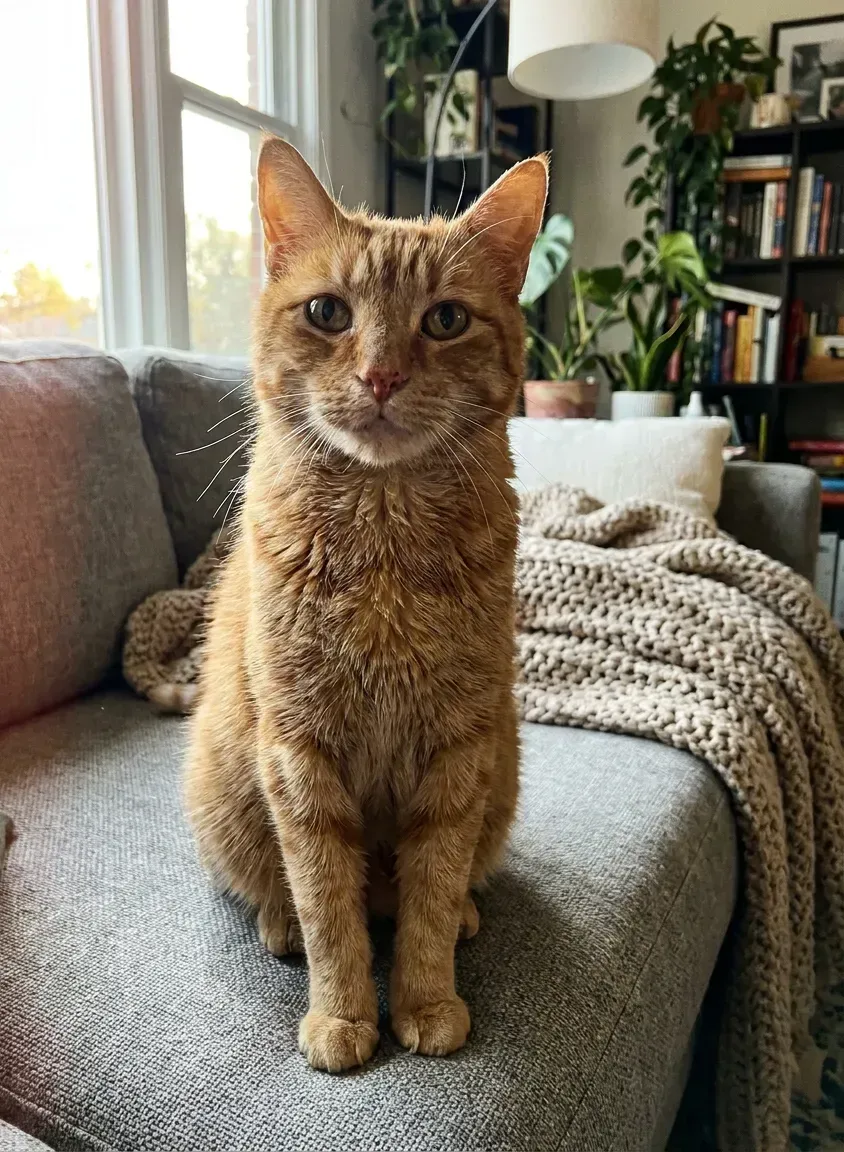 Before
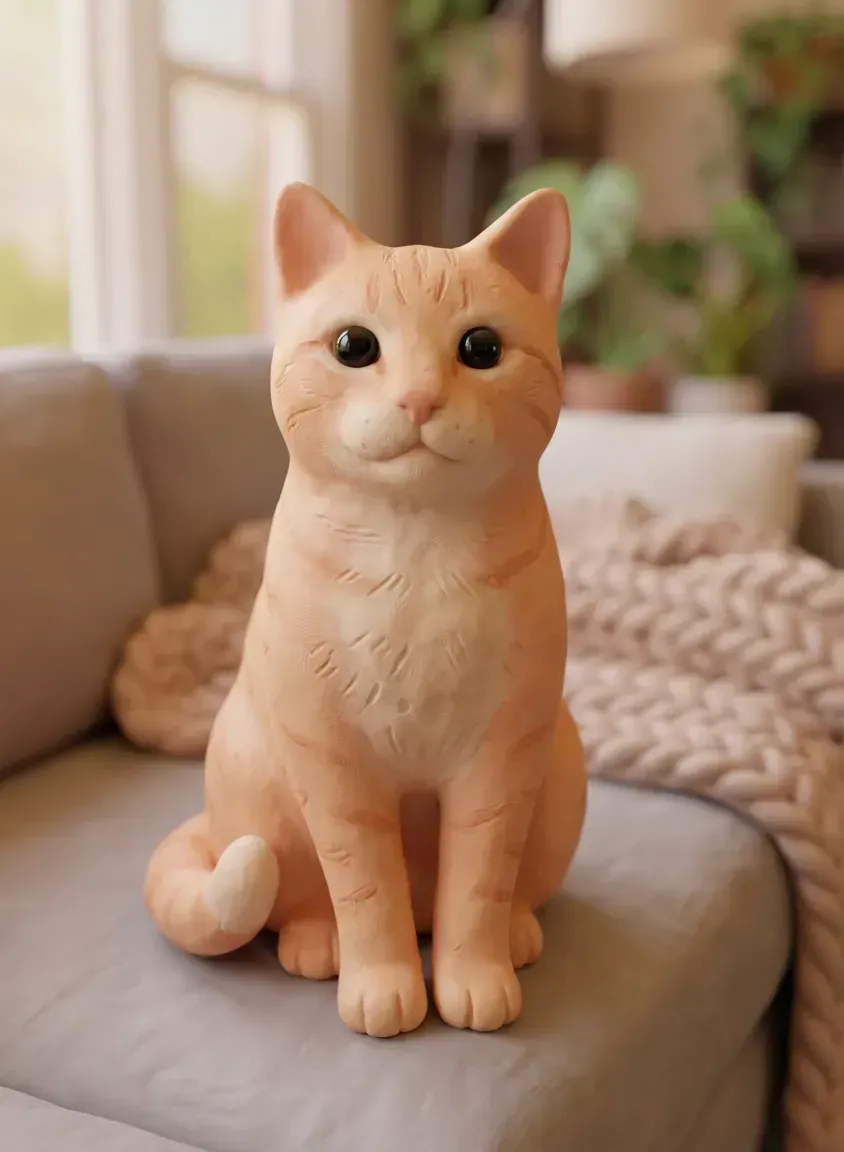 After
Ask for clay
Attach the photo and paste this prompt. We filled in the cat in this photo.
Nano Banana ProClay-Style Soft Minimal 3D Illustration Template
Illustrate {subject} in a minimal clay-style 3D look, with soft rounded forms, matte textures, and pastel tones. Keep the composition simple and playful, avoiding realistic detailing. The result should feel warm, modern, and visually soft.
Attach your photo first, then fill in the blank.
We ran it twice. Both came back smooth as a render, with painted-on stripes and not one mark in the clay: cute, but more animated film than a toy you could hold.
Name the clay in a full sentence
Google's prompting guide says to describe materials and to write in full sentences, not tag lists. So we added one sentence at the end: The cat is a handmade plasticine toy: you can see fingerprints and small tool marks in the clay, the fur is pressed in with a modelling tool, and the eyes are two glossy black beads.
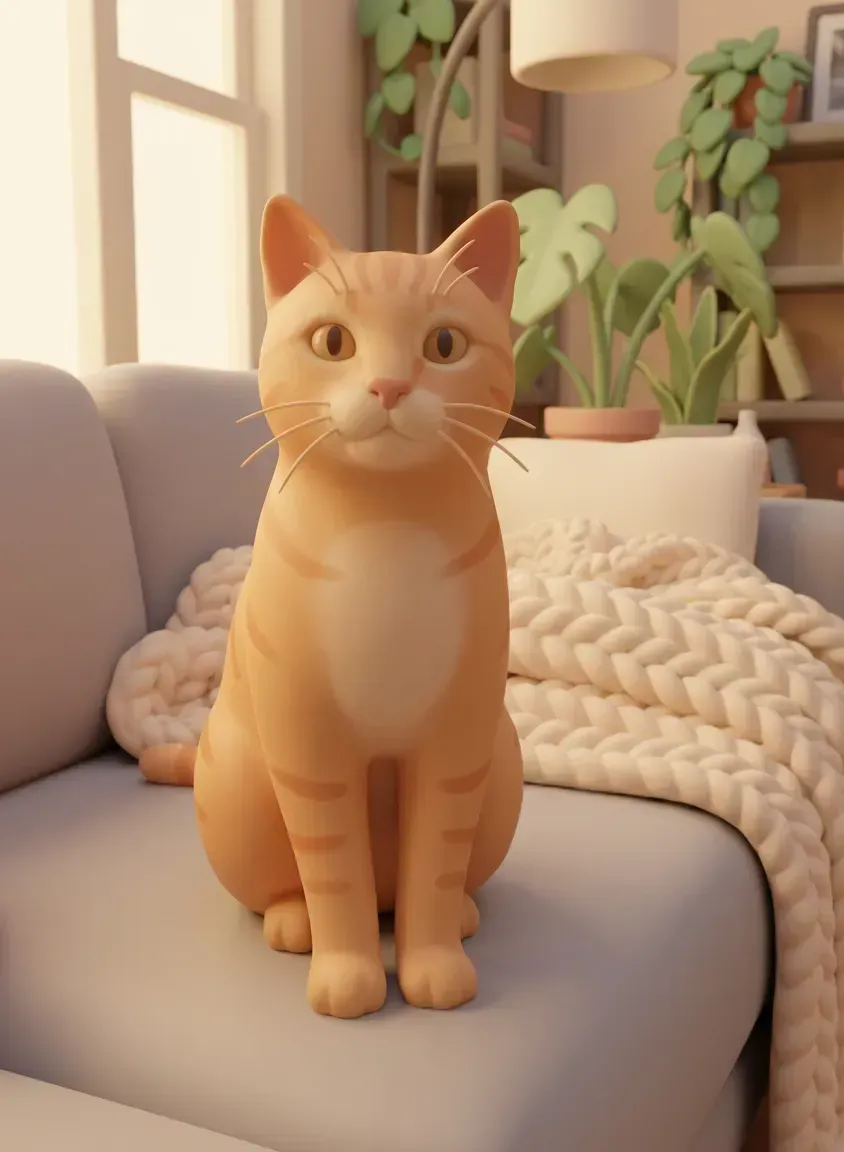 Before
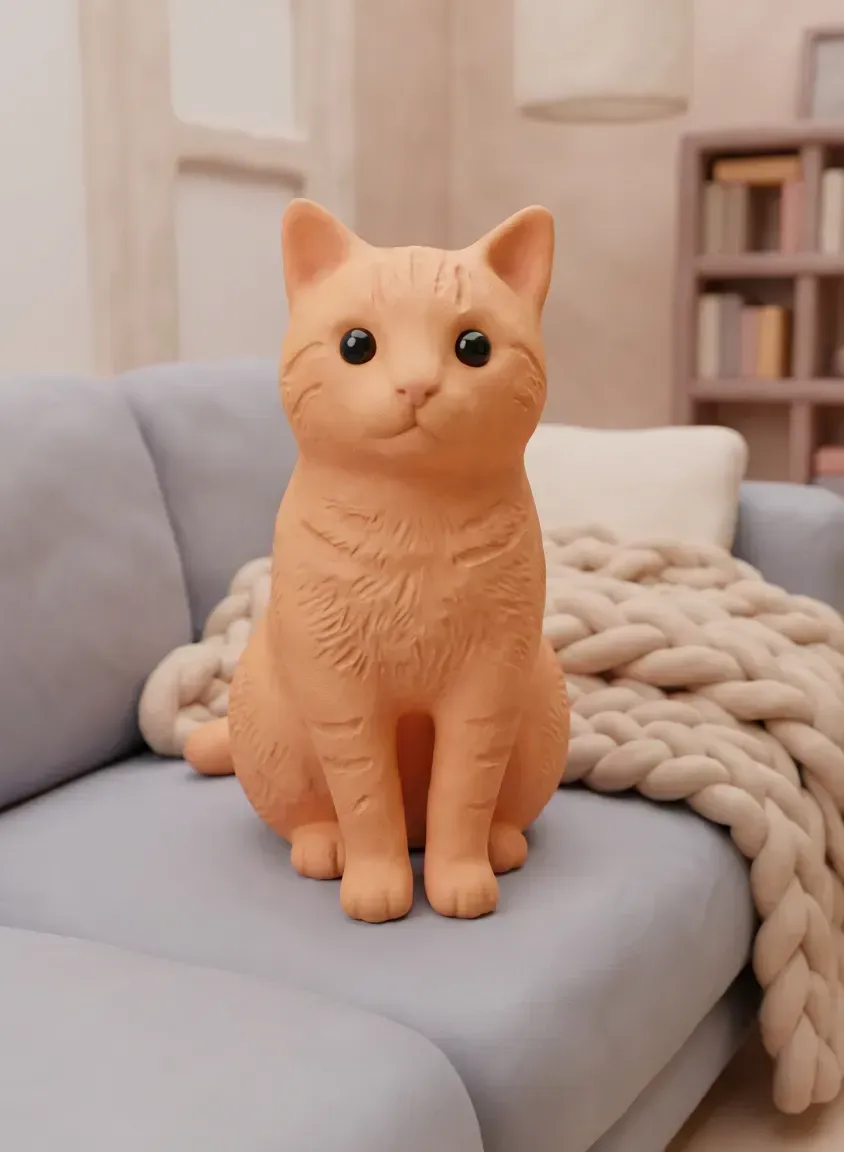 After
Two runs, two toys. The words you can see at work: plasticine, tool marks and glossy black beads. Fingerprints were hard to spot in both.
Name the detail you want to keep
The plasticine cat lost its tabby stripes: in both runs they faded to faint lines. The template asks the model to avoid realistic detailing, and our sentence never mentioned stripes, so nothing told it to keep them. We added one clause and changed nothing else: the tabby stripes are thin rolls of darker orange clay pressed onto the body.
Before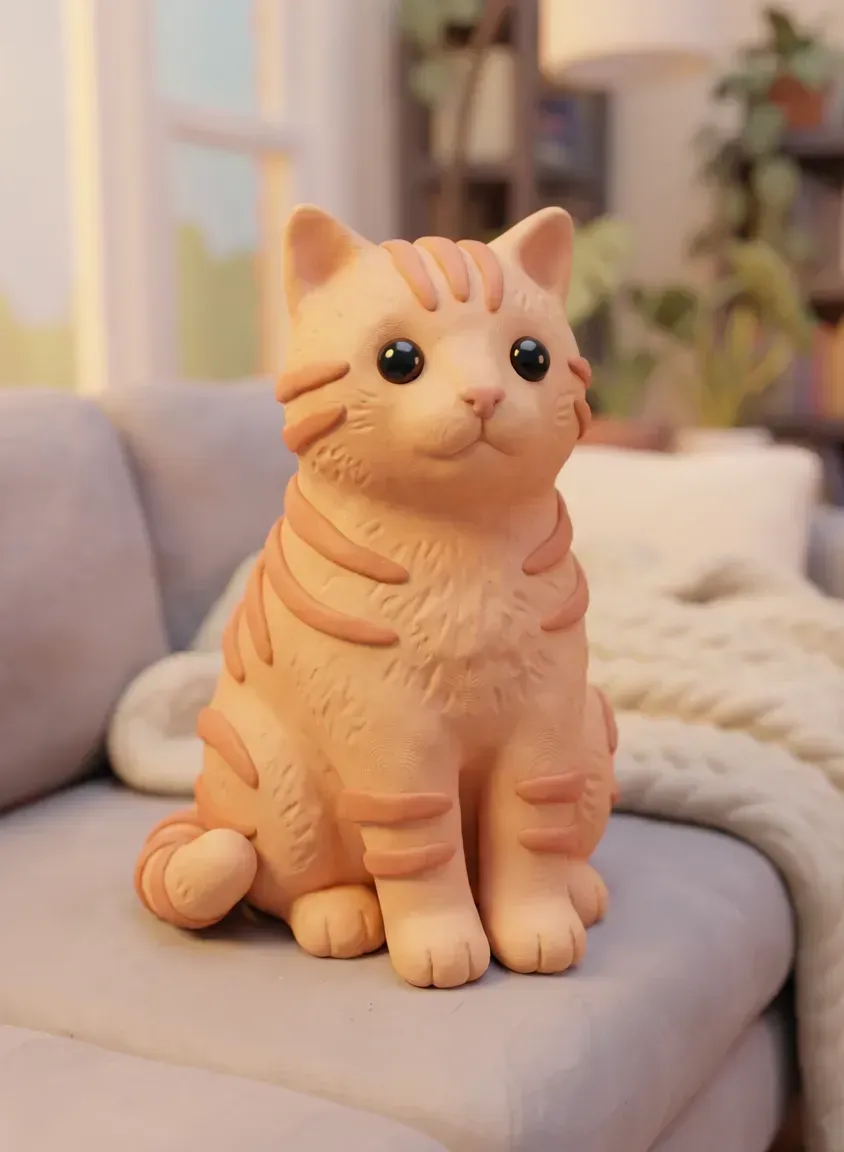 After
Both runs brought the stripes back, as raised rolls of clay. Whatever matters about your subject, a collar, a spot over one eye, a chipped pot, name it in clay: what it is made of and how it sits on the toy.
Now do anything
Keep the sentence and change what it describes. No photo here: we wrote a monstera plant in a terracotta pot in the blank and swapped fur for the leaves are flat sheets of clay with the veins pressed in with a modelling tool.
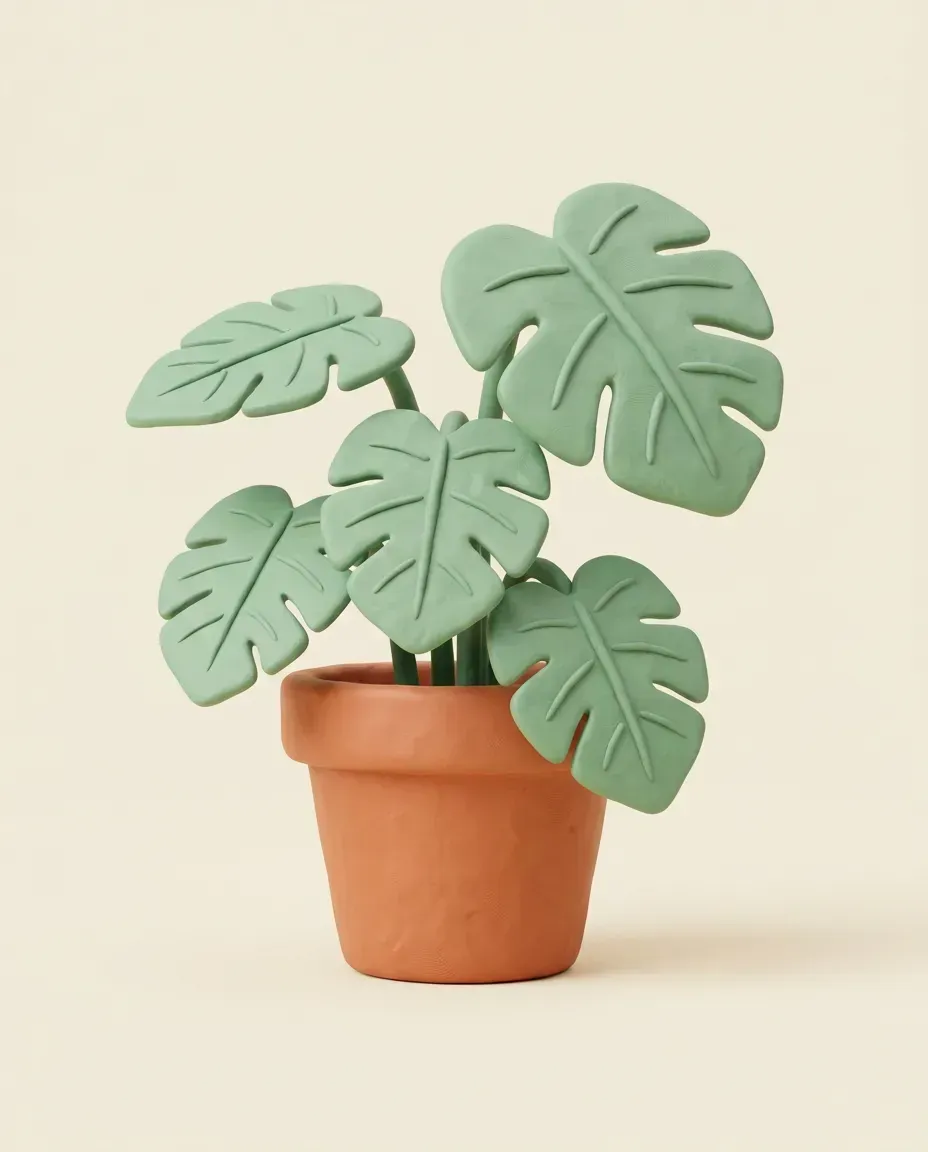
Both runs came out as one toy plant on a plain backdrop, veins pressed into every leaf.
Nine more prompts for clay and other toys
These nine go further, grouped by what you want to make. We ran the first on our cat. The rest we read in full, so we say what each asks for, not what it gives.
Your own photo, a different finish
The shortest prompt in this guide is nine words, blank included: a handmade clay figurine with wire worked into it, based on whatever you put in the blank. We wrote the cat in this photo and attached it.
Nano Banana ProHandmade Clay Figurine Style with Wire Elements
Handmade clay figurine style incorporating wire, based on {value}
Attach your photo. We wrote the cat in this photo.
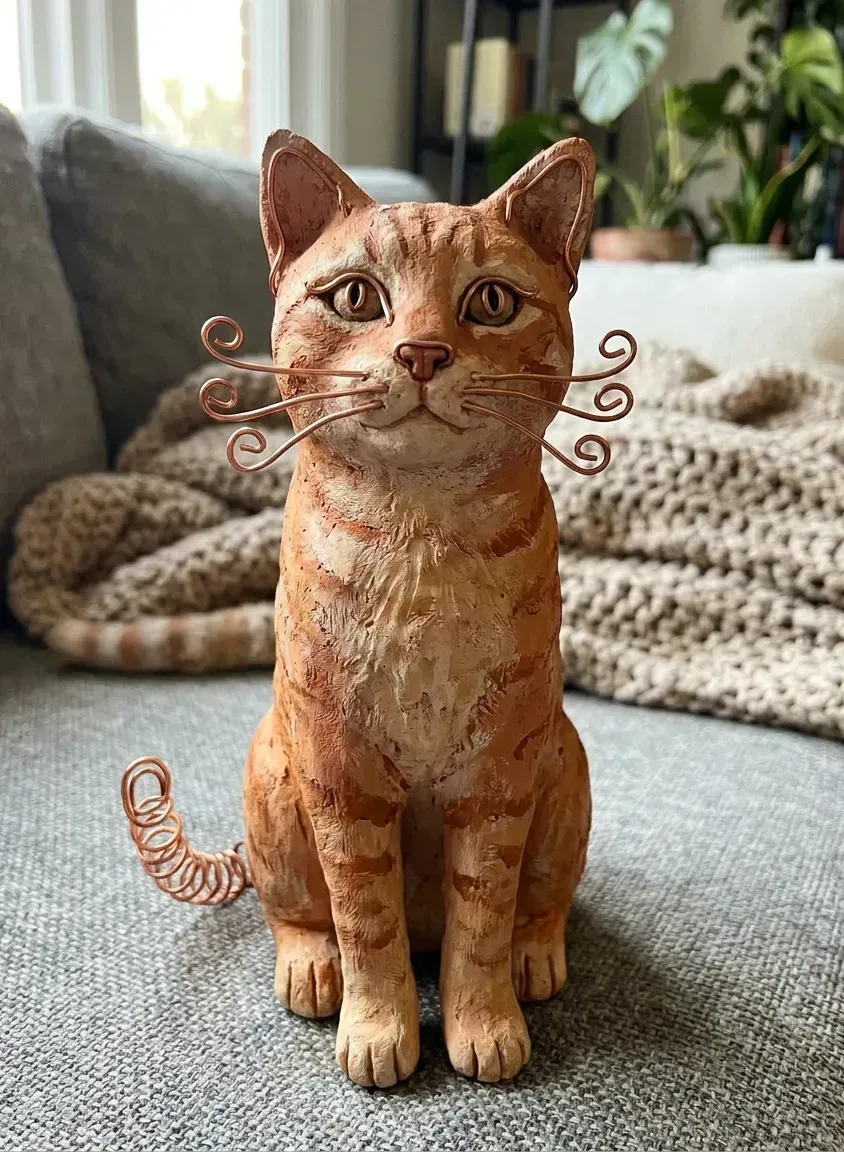
Both runs gave a painted clay cat with curly copper whiskers, wire in the ears and a coiled wire tail. One kept our sofa; the other set the cat on a small model sofa against white. Unlike our plasticine runs, both kept the stripes, painted on.
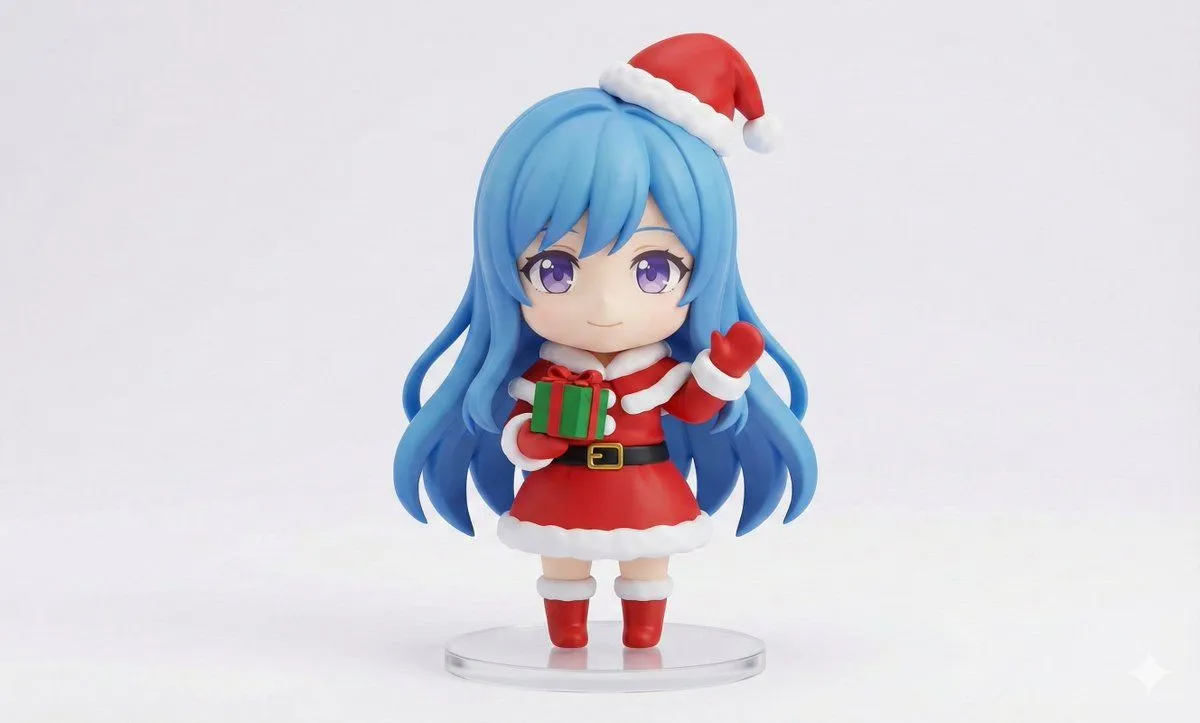
Not every toy is clay. This prompt turns an attached character drawing into a Santa figure in PVC, and spells out the finish the way we spelled out plasticine: semi-matte to satin finish, sculpted clothes, and a line that reads like the opposite of our sentence, Be careful not to over-emphasize clay or resin texture. Use it on a character you drew, not a photo of a person.
Nano Banana ProChibi Santa Character Figure Generation Prompt
Faithfully reference the attached character image and reconstruct that character as a high-quality chibi character Santa Claus figure. 👤 Character Reproduction Rules (Most Important) Strictly maintain the facial features, eye shape, hair color, hairstyle, and overall atmosphere of the original image. The character must have a chibi physique of 2.5 to 3 heads tall (large head, short limbs, balanced proportions). Although deformed, the figure must be recognizable at a glance. 🧸 Figure Texture and Modeling (Most Important) PVC figure / finished toy-style texture. Surface is smooth and uniform. No excessive gloss, semi-matte to satin finish. Edges are not too sharp, slightly rounded modeling. Painting is careful with minimal unevenness, mass-production figure quality. Cloth representation is sculpted clothing, not "real fabric." * Do not include wool or fabric fiber texture. * Be careful not to over-emphasize clay or resin texture. 🎄 Santa Costume (For Figures) Santa costume (sculpted clothing) primarily in red. White fur parts are expressed with molds. Mini Santa hat (fixed modeling). Boots and gloves appear integrated. Decorations are minimal accents that enhance the figure's appearance, such as gold buttons and belt buckles. 🧍 Pose and Stand Stable standing pose or light action pose. Holding a present in one hand or waving. Standing on a transparent or simple base. Modeling balance is designed for mass production and stability (non-tipping). 🎨 Photography and Background Product photography-style lighting. Background is one of the following: - White background - Light gray - Pale winter color Product photo composition with the subject centered. Shadows are soft, prioritizing cleanliness.
Attach a picture of your own character. Change the Santa costume lines for any outfit.
Same rule, other materials
Swap the material sentence and you get a different toy. We kept the template and wrote: The cat is a handmade needle-felted wool toy: you can see soft fuzzy fibres and a few loose strands, the stripes are felted in a darker orange wool, and the eyes are two black buttons.
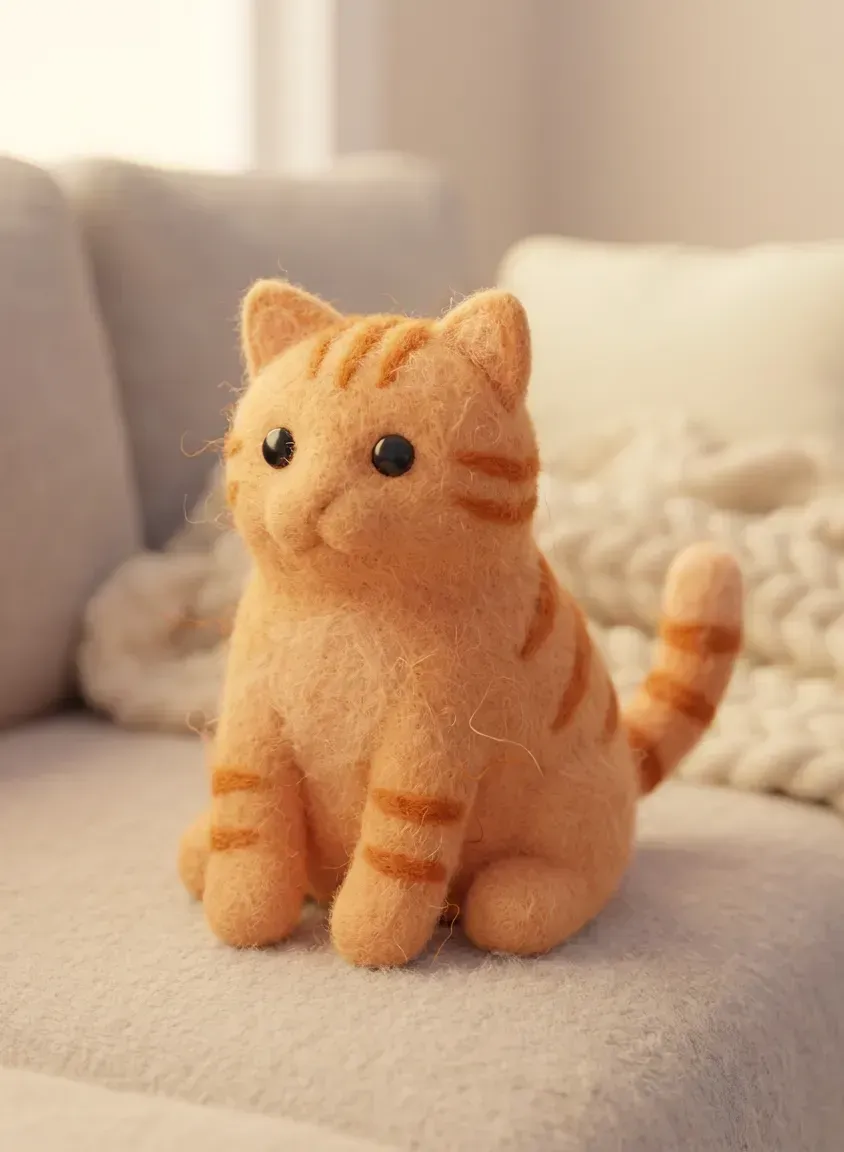
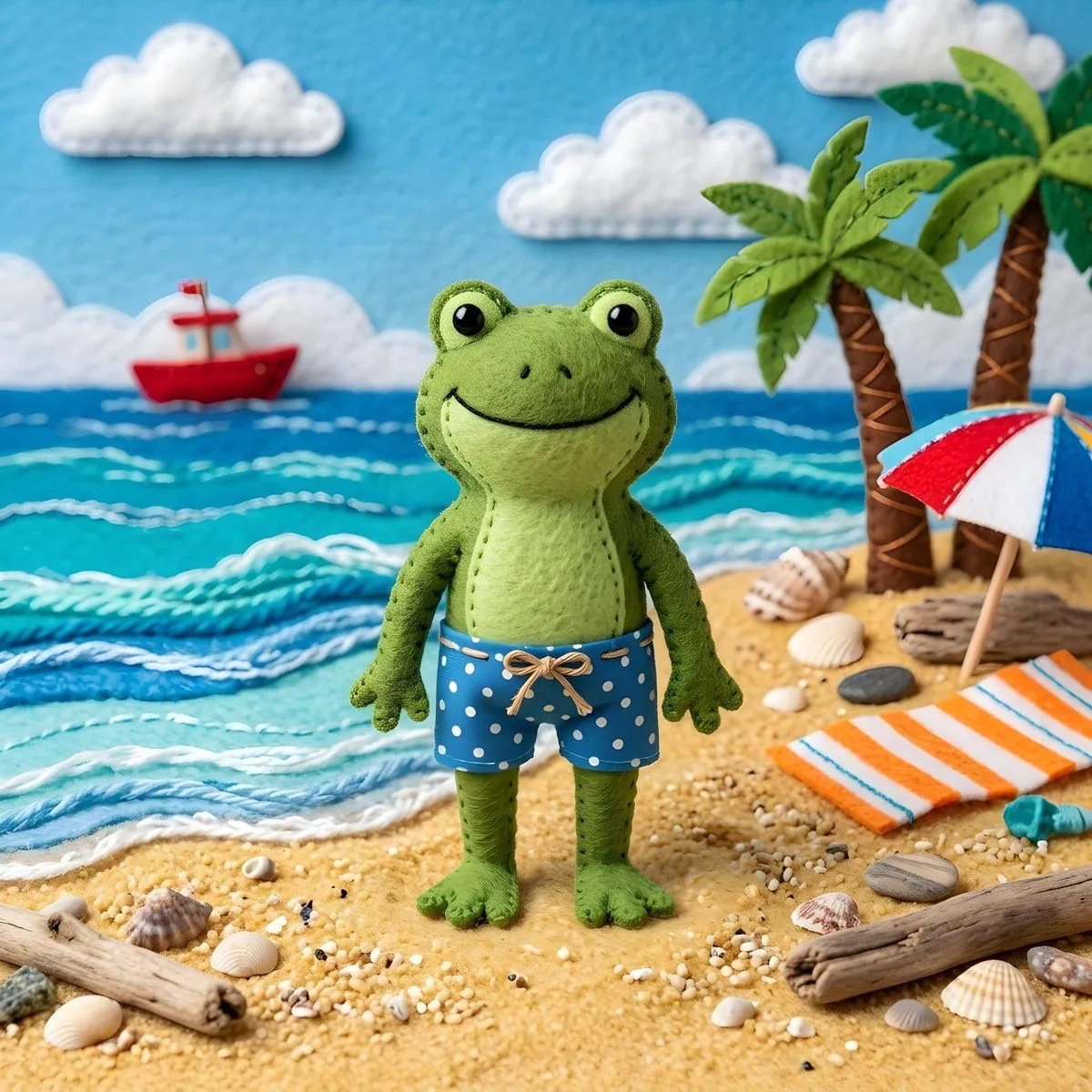
Both runs came back as felt, loose strands included, and kept the stripes we named. For a felt scene with no photo, this beach frog is written the same way: every object is felt, down to the clouds. Three blanks: what the frog wears, where it stands and what floats in the distance.
Nano Banana ProFelt Frog Diorama Beach
A felt frog wearing {clothing} stands on a {setting}. The frog is in the center of the frame, facing forward with a wide smile. The ocean with blue and white waves is behind the frog, and a {background_object} is visible in the distance. The sky is a bright blue with fluffy white felt clouds. To the right of the frog, there are palm trees, a beach umbrella, a striped towel, and various shells and driftwood scattered on the sand. The overall scene is a whimsical, handmade diorama of a frog enjoying a day at the beach.
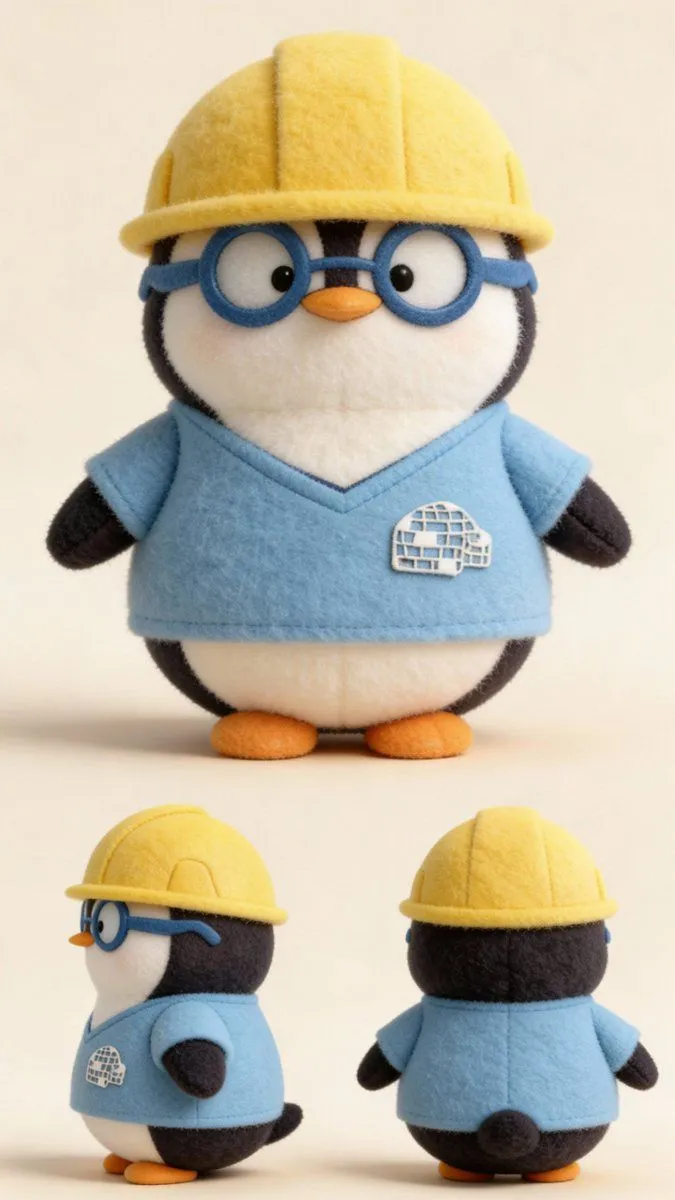
A design sheet shows one toy from the front, the side and the back, a good way to keep a character the same across several pictures. This one asks for a plush look, soft and tactile like plushie figure; replace that phrase with your plasticine words to make the sheet in clay. The blanks are a head accessory, an eye accessory and a colour scheme.
Nano Banana ProCollectible Art Toy Character Design Sheet
A collectible art toy character design sheet, front, side, and back views, fluffy , cute, round face with [{head_accessory} on his head, {eye_accessory}], super cute 3D style, soft and tactile like plushie figure, pastel color scheme ({color_scheme}), clean solid beige background, soft studio lighting, high detail
Small clay worlds
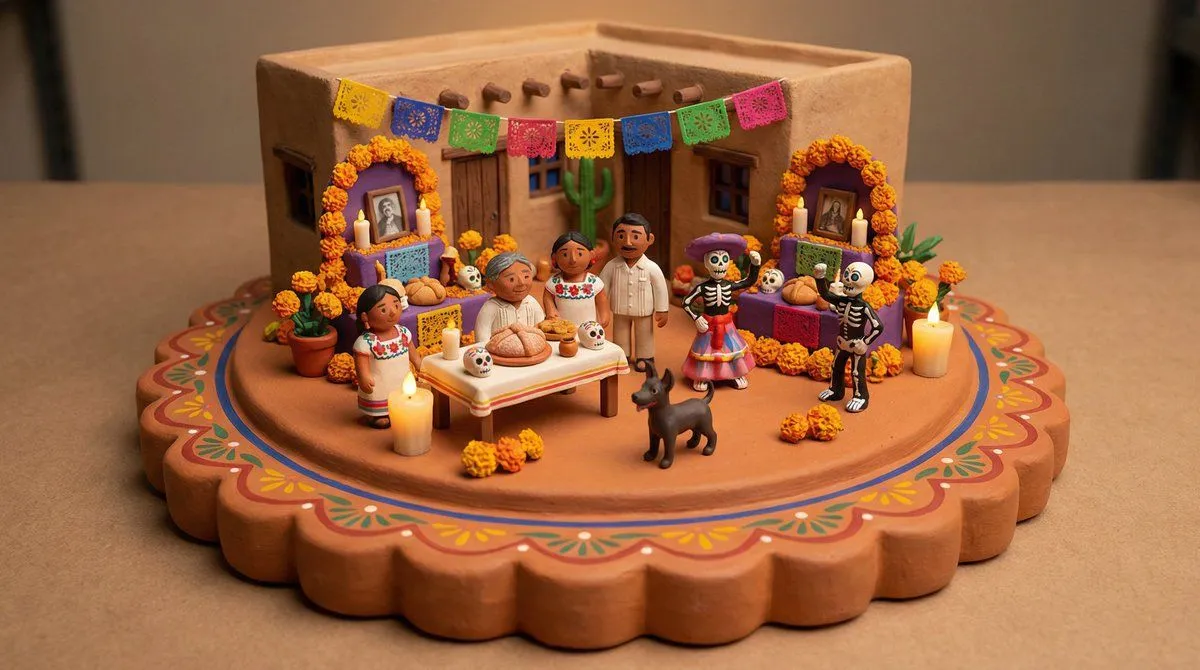
A tiny clay world puts a whole scene on a round base: an event, a place and a building in the curly blanks, then a row of square-bracket blanks for details, figures, food, decoration, the base and the light. Fill the square ones too. It asks for a smooth clay render, the look our template gave, so add your plasticine sentence if you want marks in the clay.
Nano Banana ProTiny Clay World Diorama Generator
Tiny clay world depicting {seasonal_event_or_daily_life_scene} in {culture_or_location}. Features {building_type} with [ARCHITECTURAL DETAIL], [FIGURES IN TRADITIONAL DRESS], [FOOD/MARKET ELEMENT], [DECORATIVE CULTURAL ITEM], and [FLORA/FAUNA]. Diorama sits on a [THICKNESS] [MATERIAL] platform with [EDGE TREATMENT]. [VIEW ANGLE], Pixar-style clay render, cozy miniature scale, [LIGHTING DESCRIPTION], neutral background.
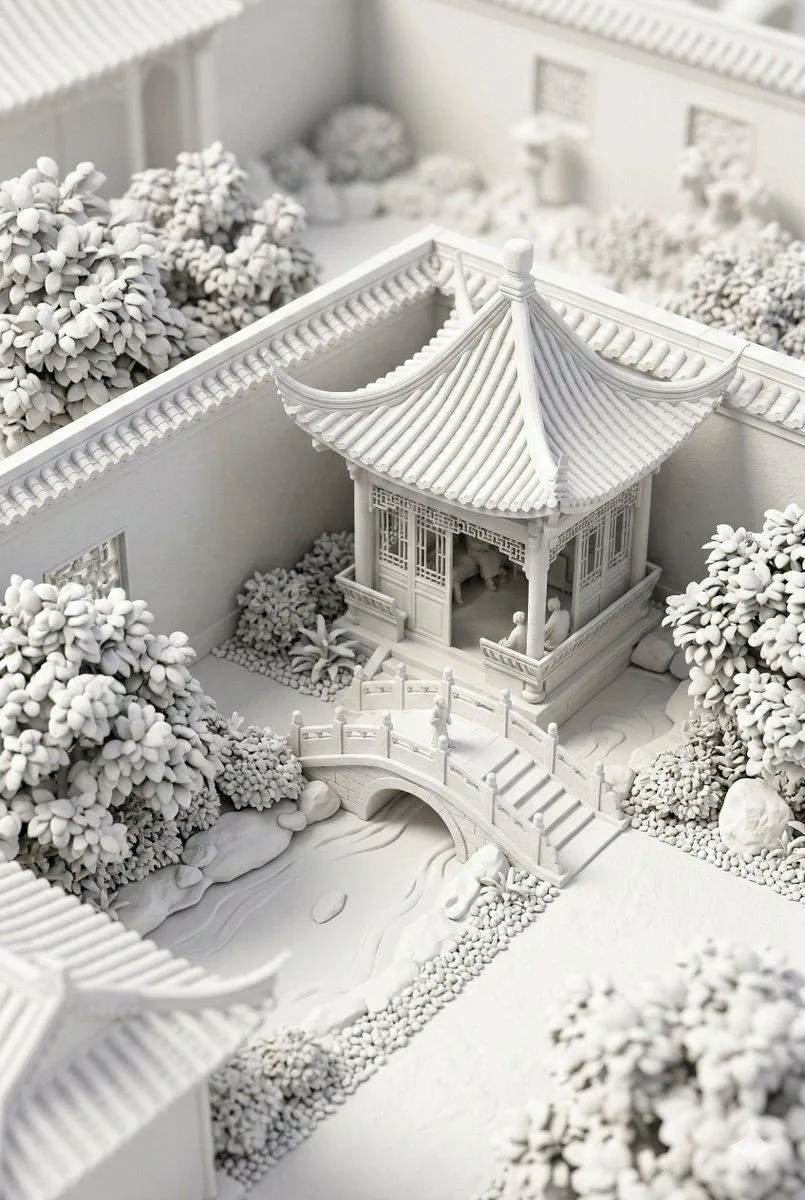
Clay does not have to be coloured. This one makes a corner of a courtyard garden in white clay, close to the look of an architect's model. The material work is done by three phrases: monochromatic pure white, embossed paper texture and strong ambient occlusion. Change the garden for your street, your house or your desk and keep those three.
Nano Banana ProChinese Garden Clay Render Prompt (Nano Banana 2)
A vertical composition close-up shot, high-angle view looking down into a corner of a traditional Chinese garden courtyard. A pavilion connected by a small bridge, surrounded by dense trees. Three-quarter perspective, miniature effect, clay render style, monochromatic pure white, embossed paper texture, strong ambient occlusion, soft studio lighting, rich architectural details. --ar 2:3
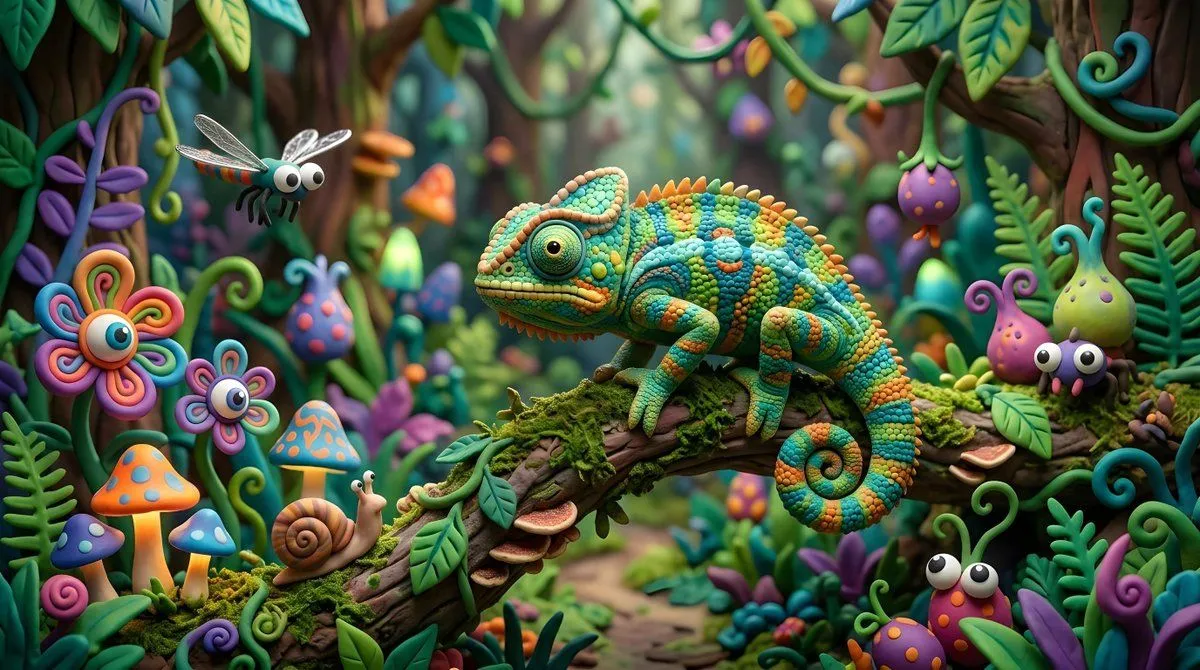
An animal in a clay forest, with the plants and insects also rendered in clay. Three blanks: the animal, the setting and the plant life. One catch: the second sentence still says The chameleon and lists its scale colours. If you swap the animal, rewrite that sentence too, or the prompt describes two different animals.
Nano Banana ProWhimsical Claymation Chameleon Scene
A vibrant, whimsical claymation scene depicts a colorful {animal} perched on a moss-covered branch in a lush, {setting}. The chameleon, with its intricate patterns of green, blue, orange, and yellow scales, gazes intently to the left. Surrounding it are an array of fantastical flora and fauna, also rendered in clay. These include {plant_life}, whimsical insects with googly eyes, and strange, bulbous fruits. The background is a soft blur of more trees and foliage, creating a sense of depth and enchantment. The overall impression is one of a magical, miniature world brought to life.
Scenes and charts with clay characters
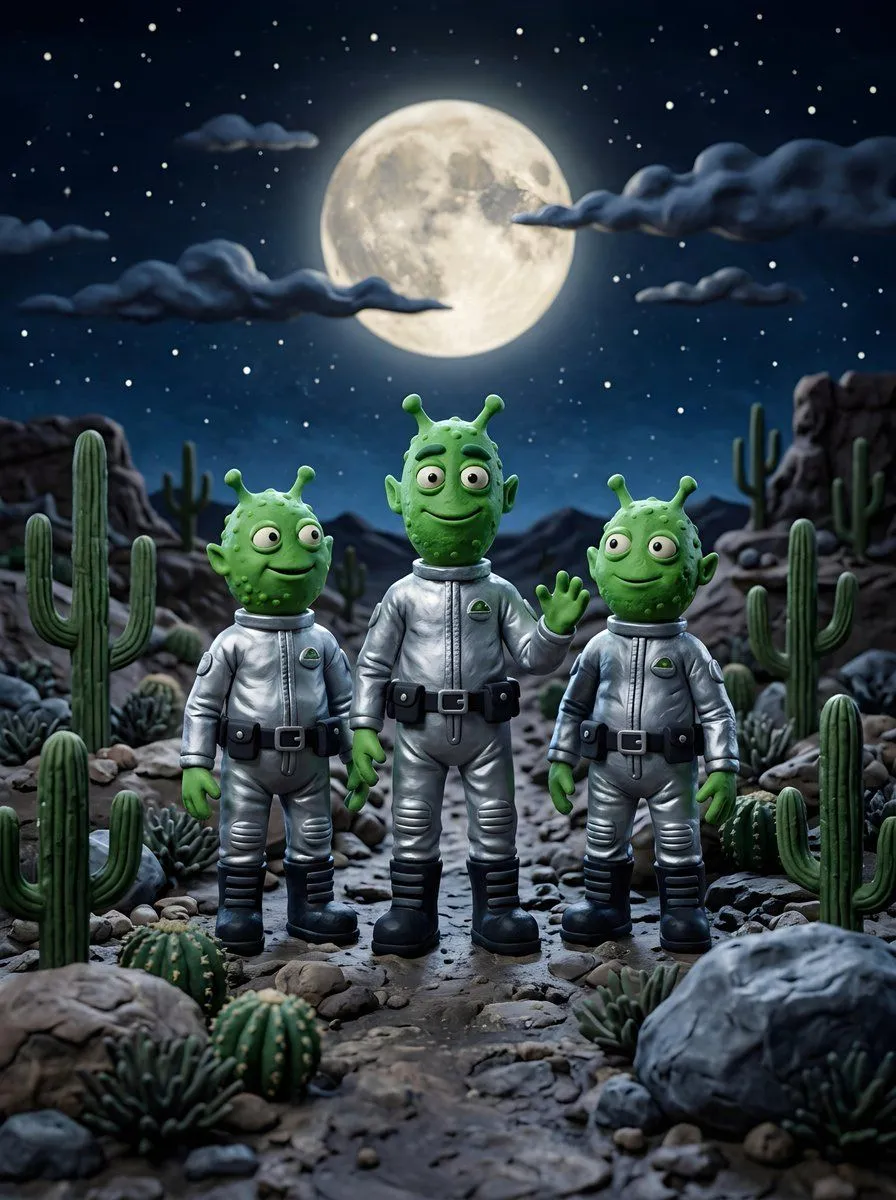
Three green aliens in silver suits in a night desert, with one blank: how many. It is a plain scene written in full sentences, the way Google's guide asks, and claymation style does all the material work. Its cover reads as clay at a glance, but smooth; for tool marks, add the plasticine sentence.
Nano Banana ProClaymation Aliens Desert Landscape
{alien_count} claymation style green aliens in silver suits stand in a desert landscape at night. The aliens are positioned in the center of the frame, with the middle alien slightly taller than the other two. They are all wearing silver jumpsuits with black belts and boots. The background features a large, full moon in a starry sky, with dark clouds obscuring parts of it. Cacti and desert plants surround the aliens, and rocky terrain is visible in the foreground. The lighting suggests a nighttime scene, with the moon casting a soft glow.
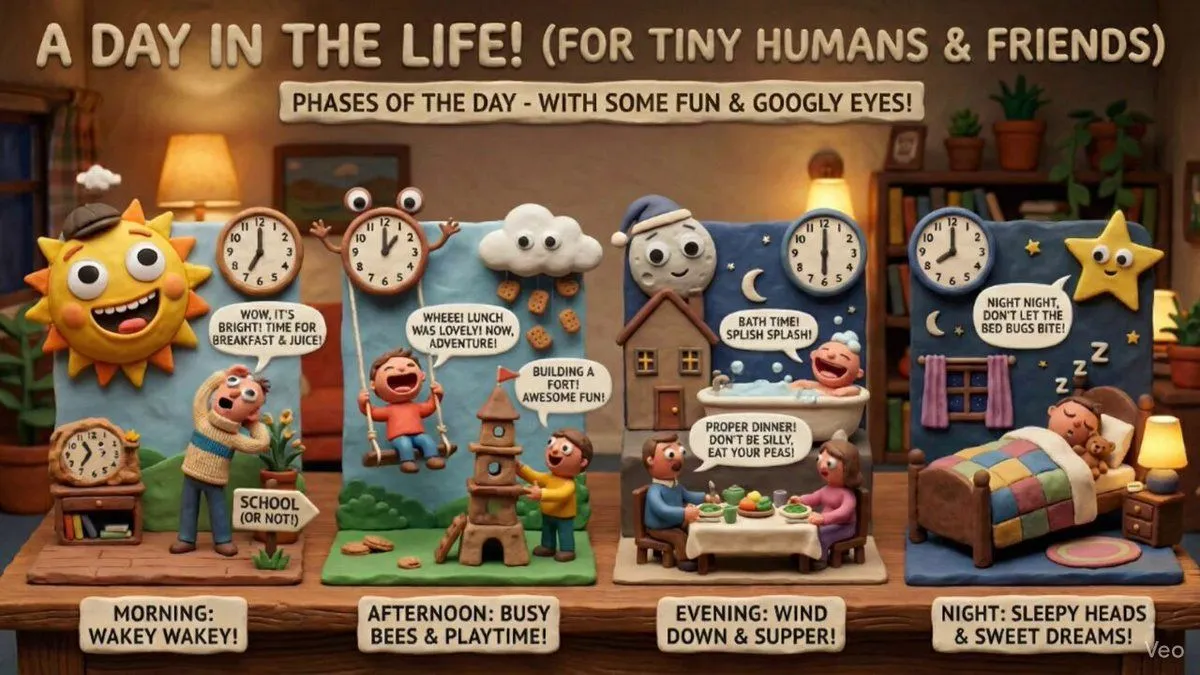
Clay works for teaching, too. This one makes a children's chart of the phases of the day, in claymation with googly eyes and Matte clay textures, handcrafted props. The one blank is the child's age. The cover is crowded with short labels, so read every word before you print it.
Nano Banana ProClaymation day phases infographic for kids
Create an infographic that explains the phases of the day, perfect for a {child_age}, in the style of distinctive claymation with wide expressive mouths, googly eyes, and charming humor. Matte clay textures, handcrafted props, and warm, practical set lighting define the look.
More looks to try
More from the 3D renders and clay toys collection, each with its prompt on its page.
Questions
Will it keep my photo?
In all four of our edits, Nano Banana Pro kept the cat's pose, the sofa and the knitted throw. The coat changed: with the clay sentence, the tabby stripes faded to faint lines.
Naming the stripes brought them back in both of two later runs. Across all ten edits of the cat the pose held every time, and the room in nine: one wire run moved the cat onto a small model sofa against white.
Why does my clay look like plastic?
Usually the prompt says clay but not what kind or what marks it carries. Add a full sentence naming plasticine, the tool marks and what the eyes are made of.
Can I make a clay toy of a person?
Yes, with a photo of yourself or of someone who said yes. We only tested a cat and a plant, so start from the same sentence and swap the fur line for hair and clothes.
How do I keep the same toy across several pictures?
Edit the toy you already have instead of starting again. Google's guide says Nano Banana Pro takes up to 14 reference images and suggests saying plainly what must stay, for example that the character is exactly the same as Image 1. Attach your favourite clay picture as Image 1 and change one thing per request.
Can I make it big enough to print?
Google's guide says Nano Banana Pro makes images natively from 1K to 4K and suggests asking for 2K or 4K where your app allows it. Every picture in this guide was made at the default 1K.
What if it is nearly right?
Ask for the one change rather than running the prompt again. Google's guide calls this "Edit, Don't Re-roll": if an image is 80% correct, ask for the specific change, such as make the eyes a little larger.
The 13 prompts in this guide
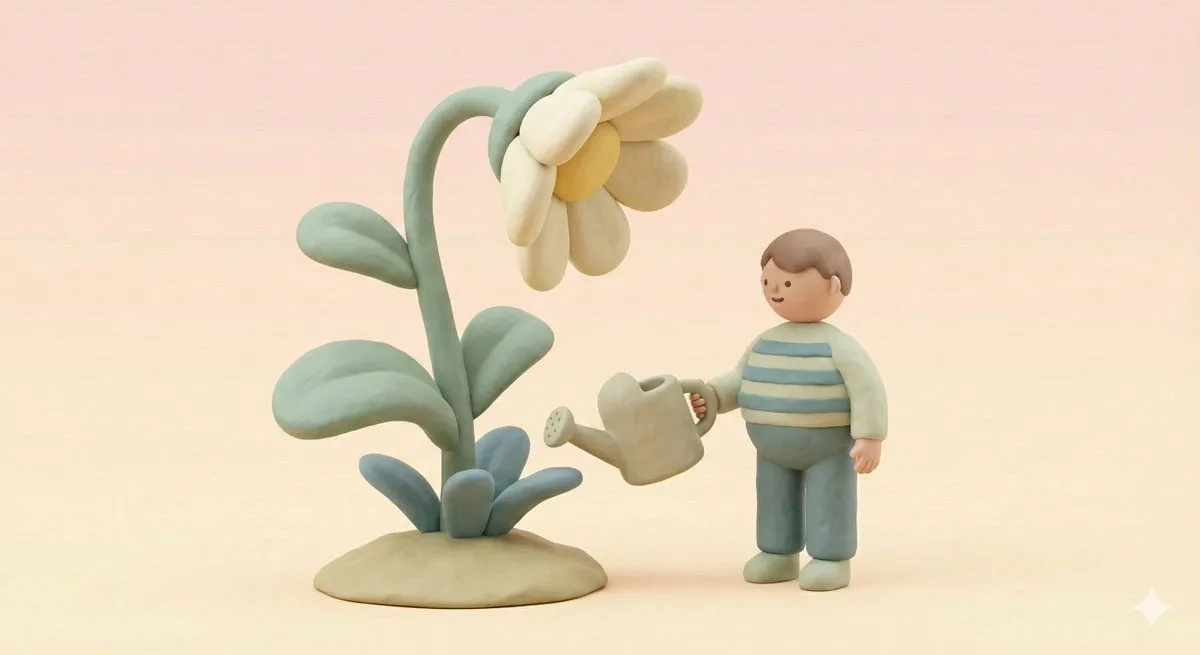 Clay-Style Soft Minimal 3D Illustration TemplateNano Banana Pro
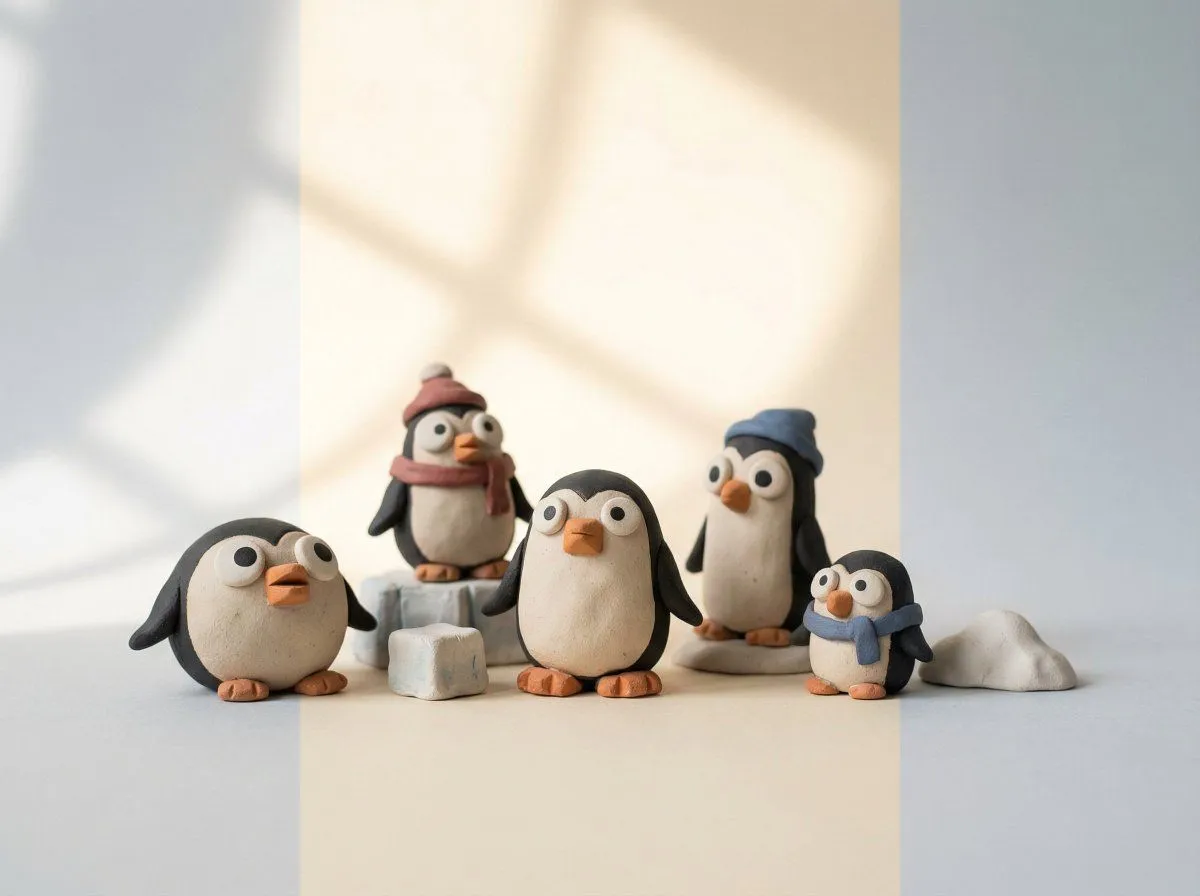 Handmade Clay Figurine Style with Wire ElementsNano Banana Pro
 Chibi Santa Character Figure Generation PromptNano Banana Pro
 Felt Frog Diorama BeachNano Banana Pro
 Collectible Art Toy Character Design SheetNano Banana Pro
 Tiny Clay World Diorama GeneratorNano Banana Pro
 Chinese Garden Clay Render Prompt (Nano Banana 2)Nano Banana Pro
 Whimsical Claymation Chameleon SceneNano Banana Pro
 Claymation Aliens Desert LandscapeNano Banana Pro
 Claymation day phases infographic for kidsNano Banana Pro
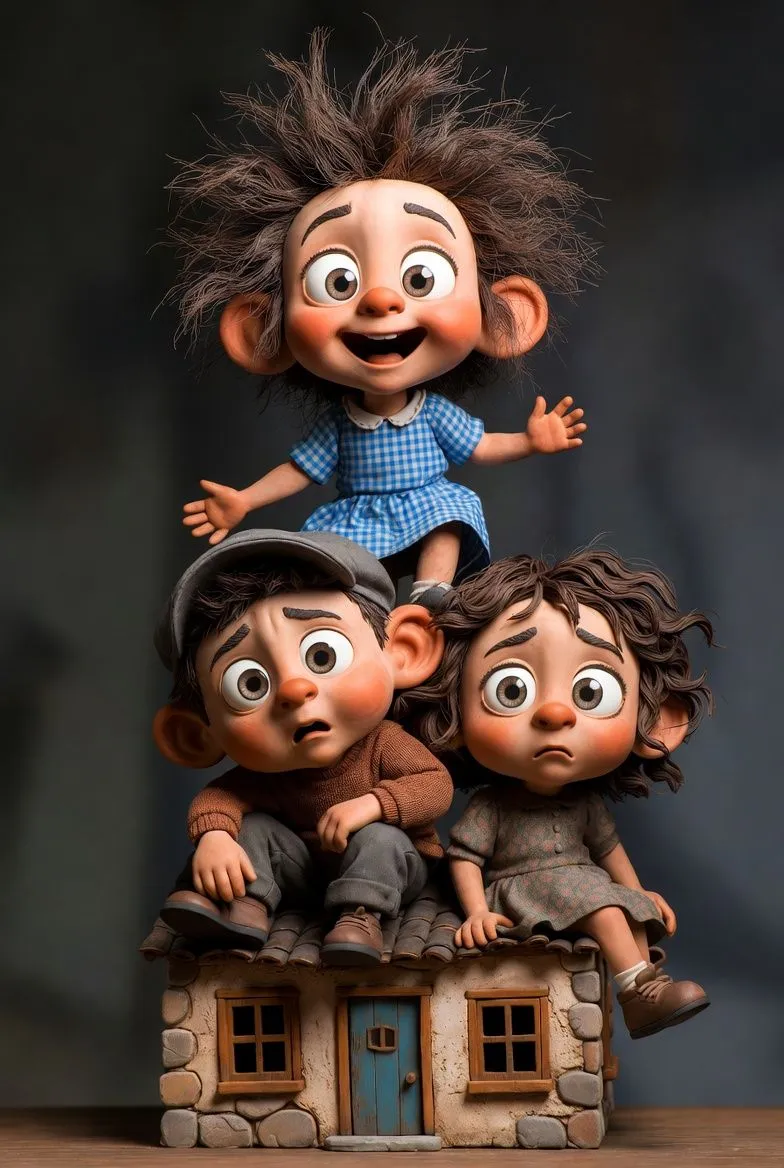 Whimsical 3D Clay Sculpture of Stacked Children PromptNano Banana Pro
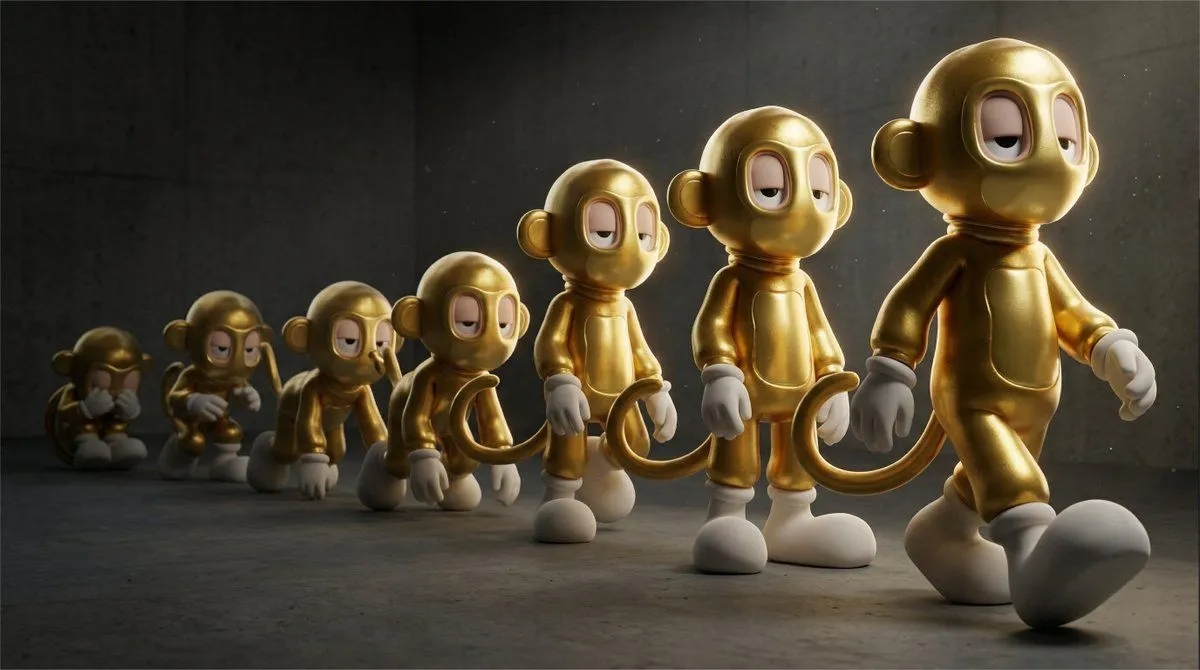 Cinematic 3D Toy Character Evolution SequenceNano Banana Pro
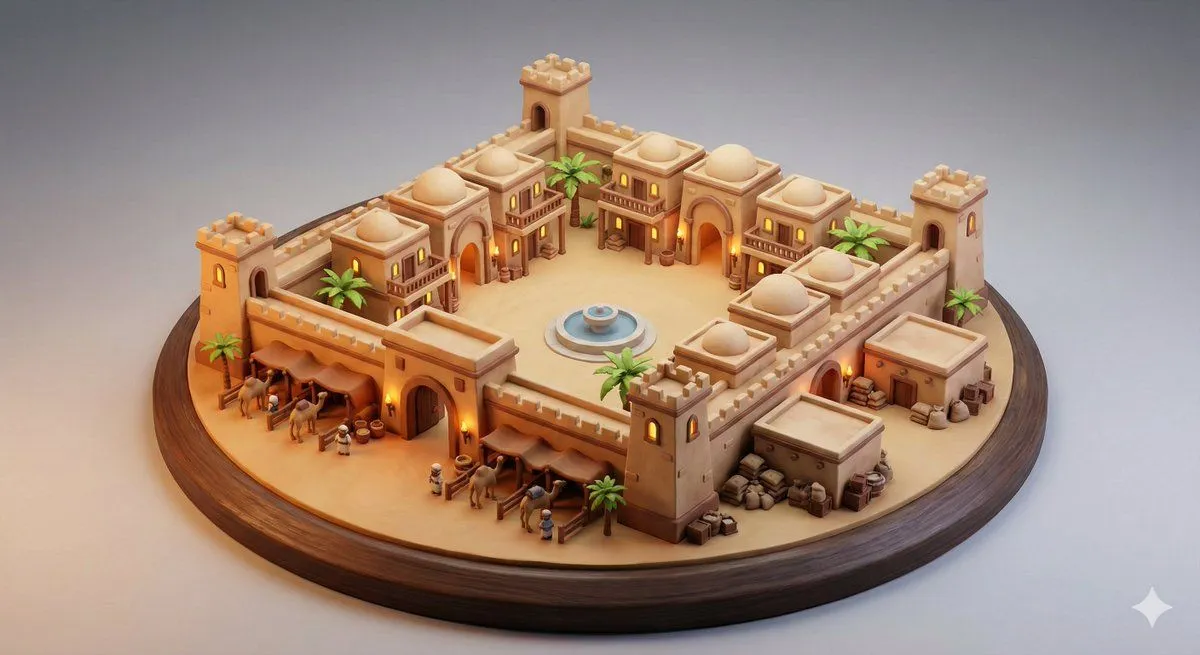 Whimsical Diorama of a Fortified Desert CaravanseraiNano Banana Pro
That is the whole guide.
Did it work for you?
Get promptclay's new guides by email
Check your inbox: tap the link we sent to confirm.