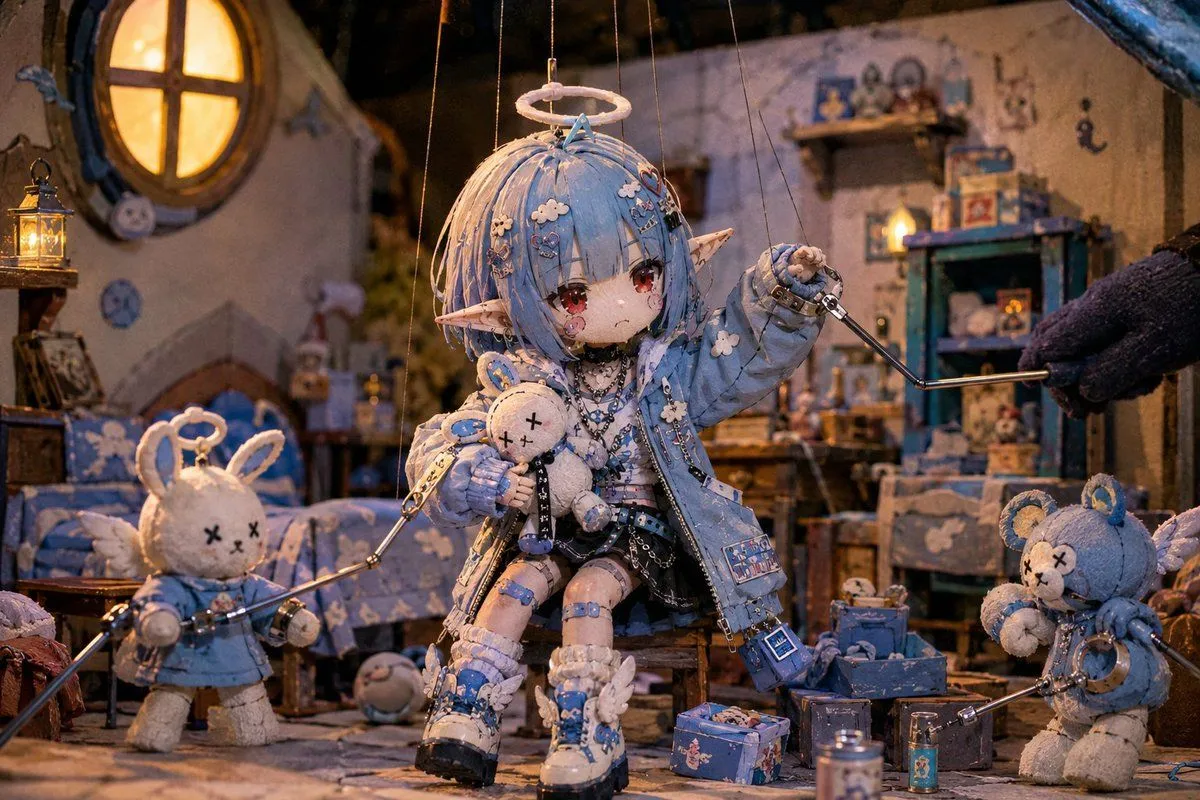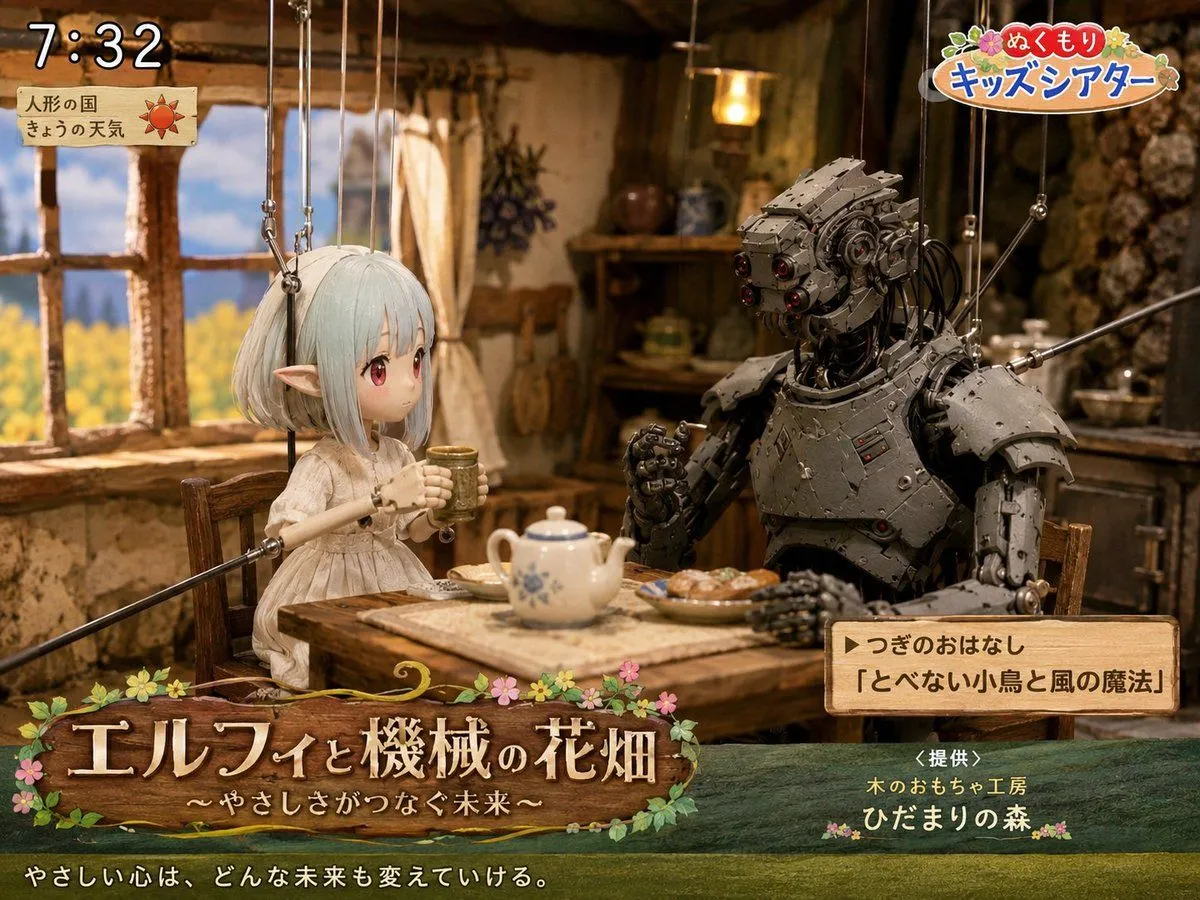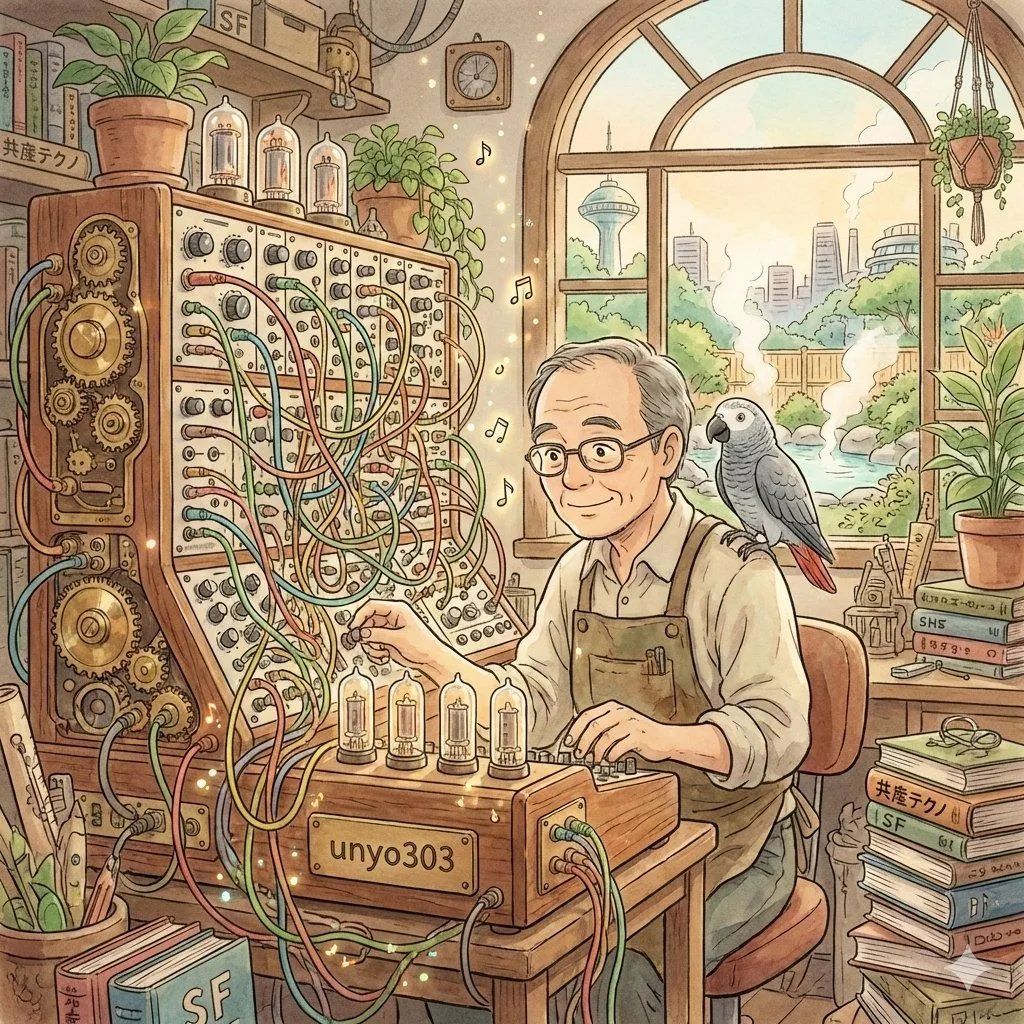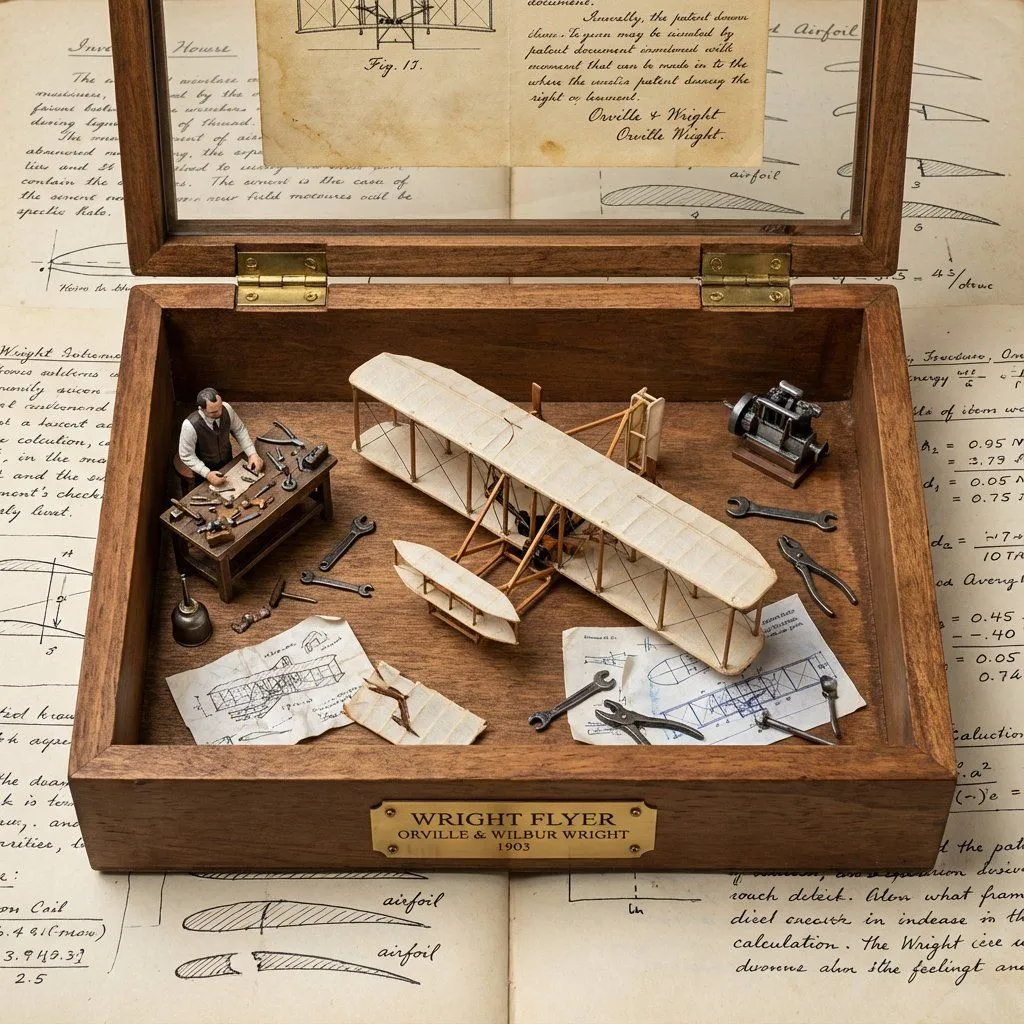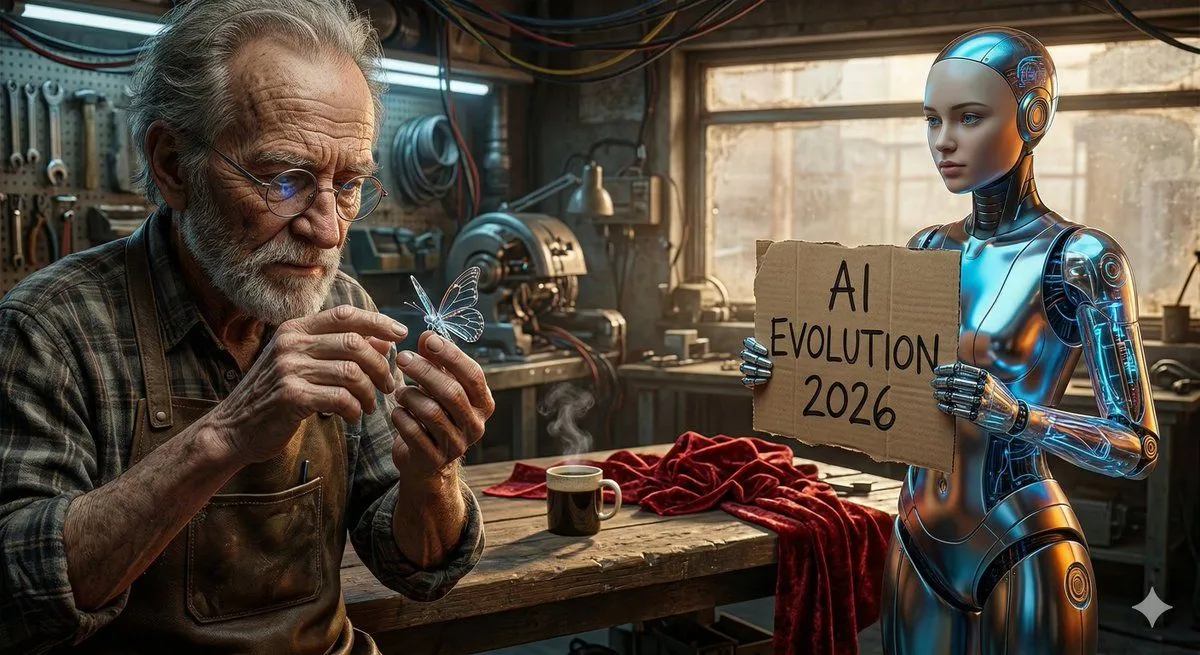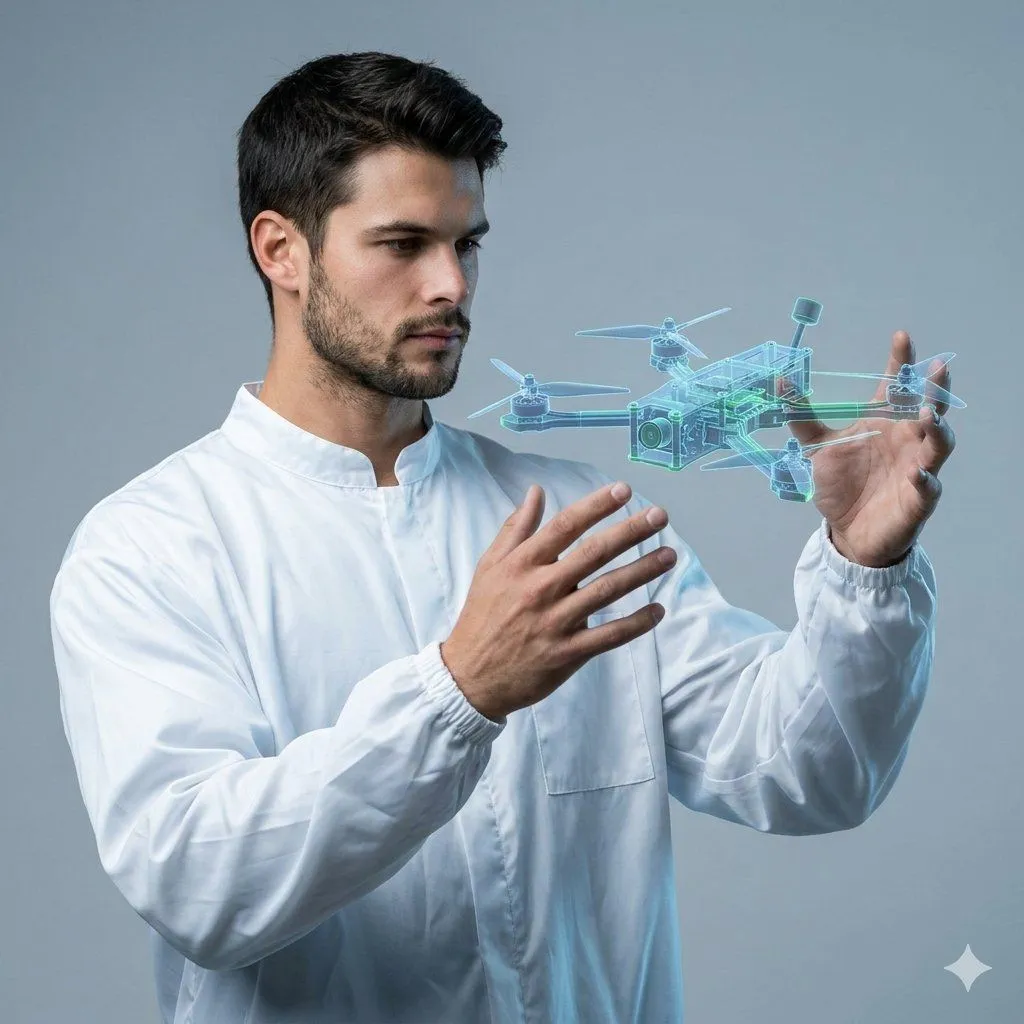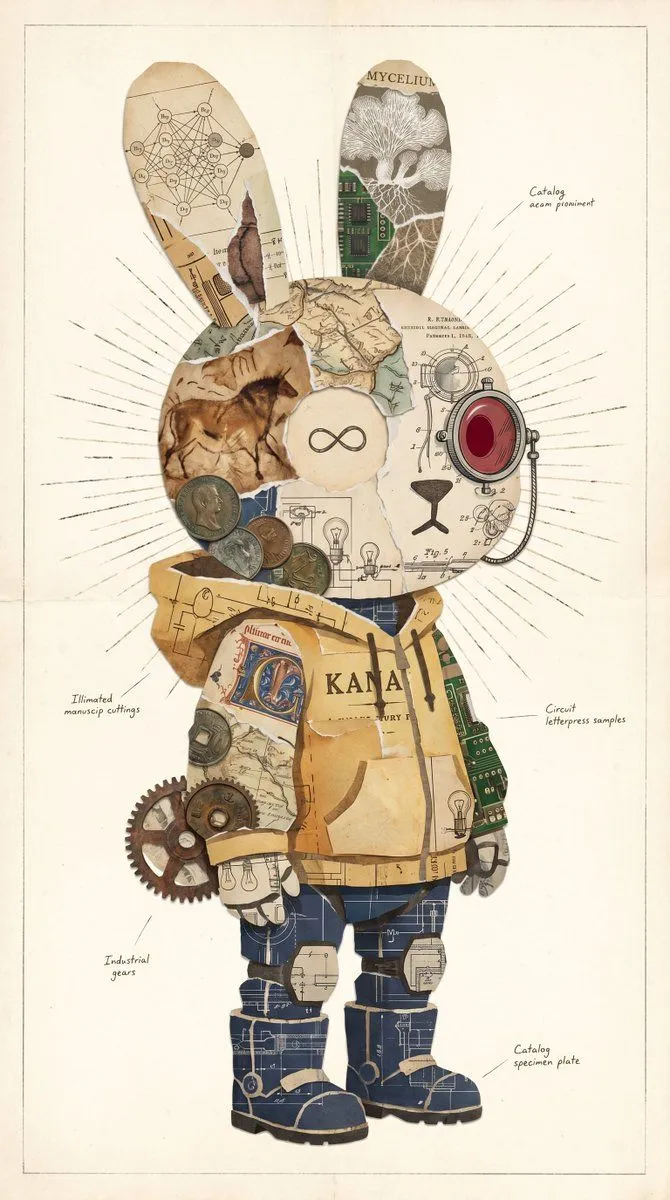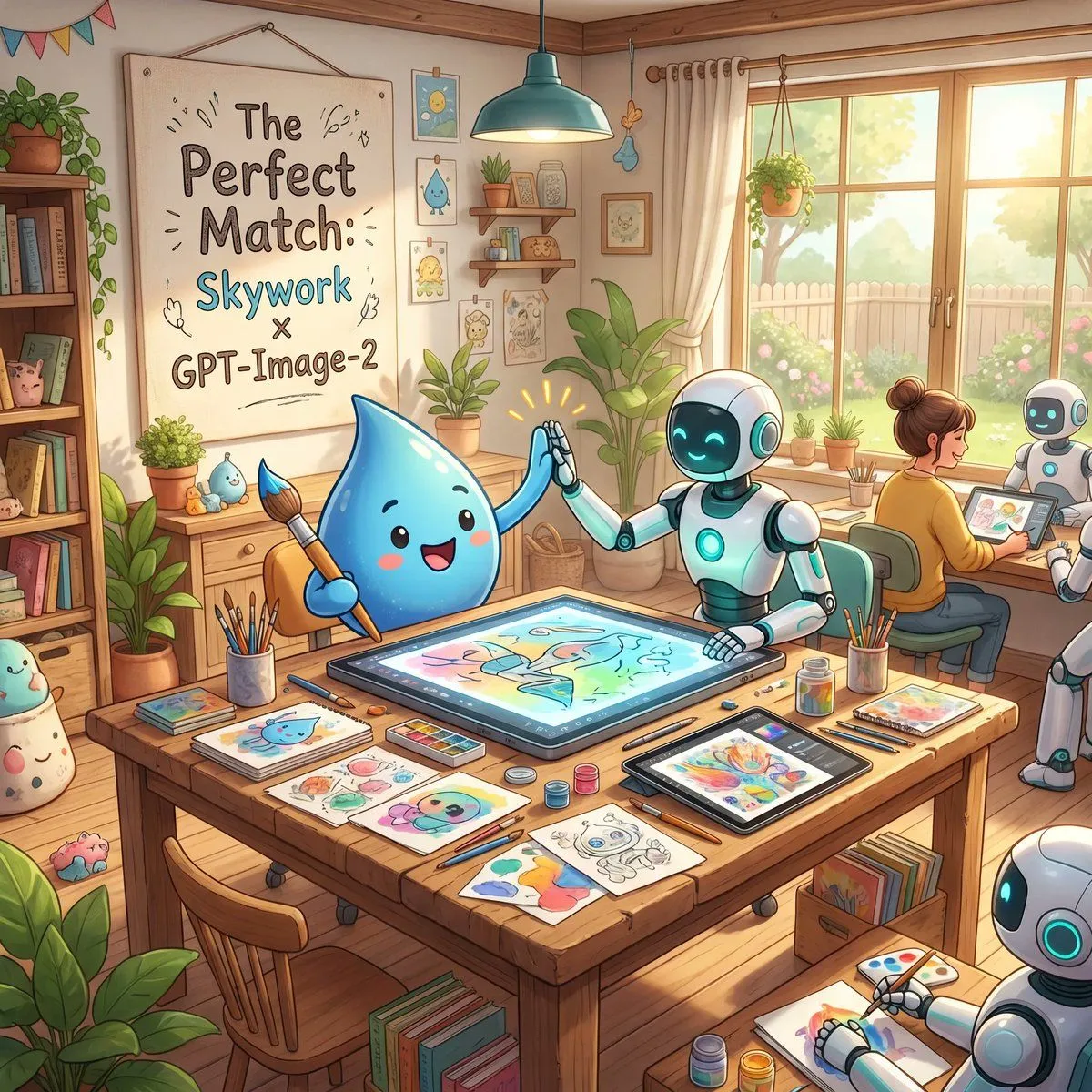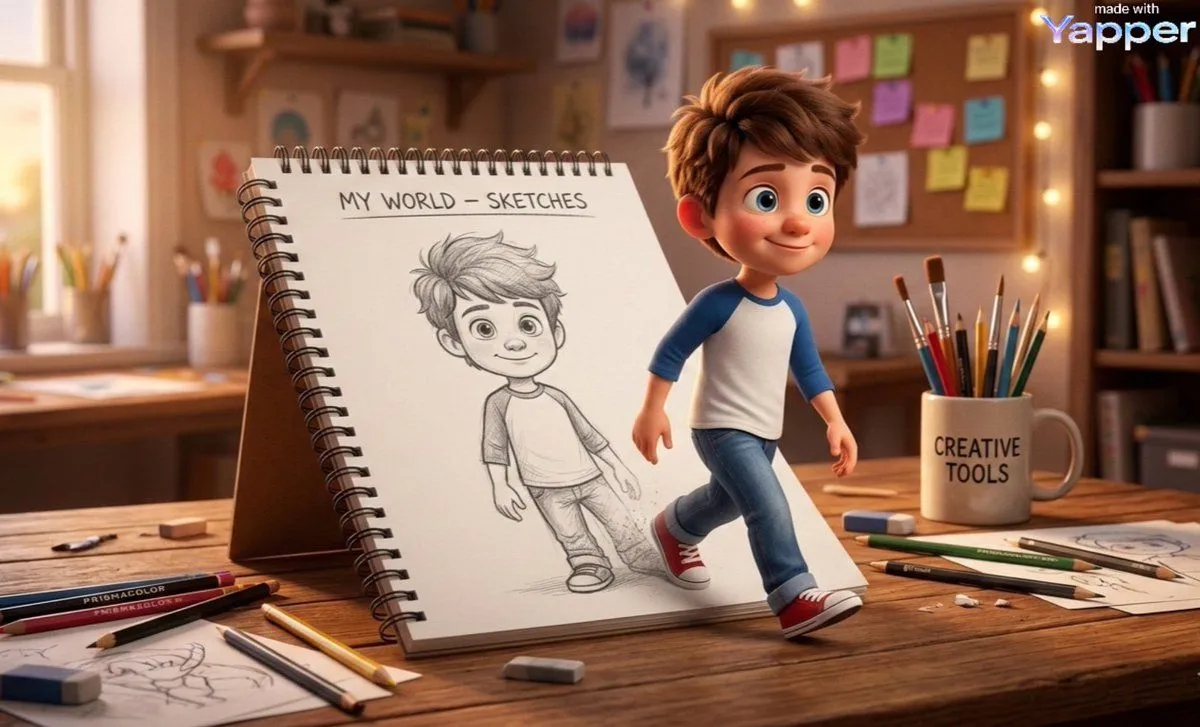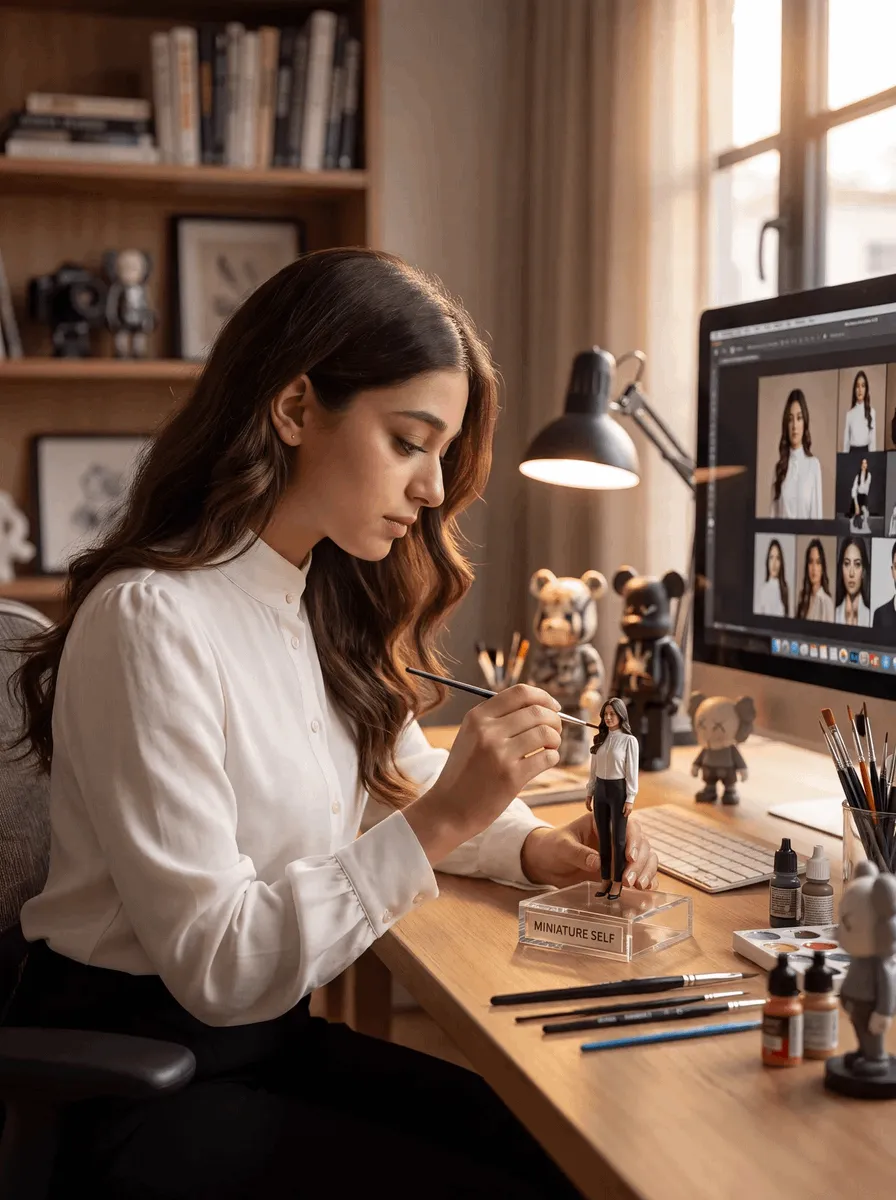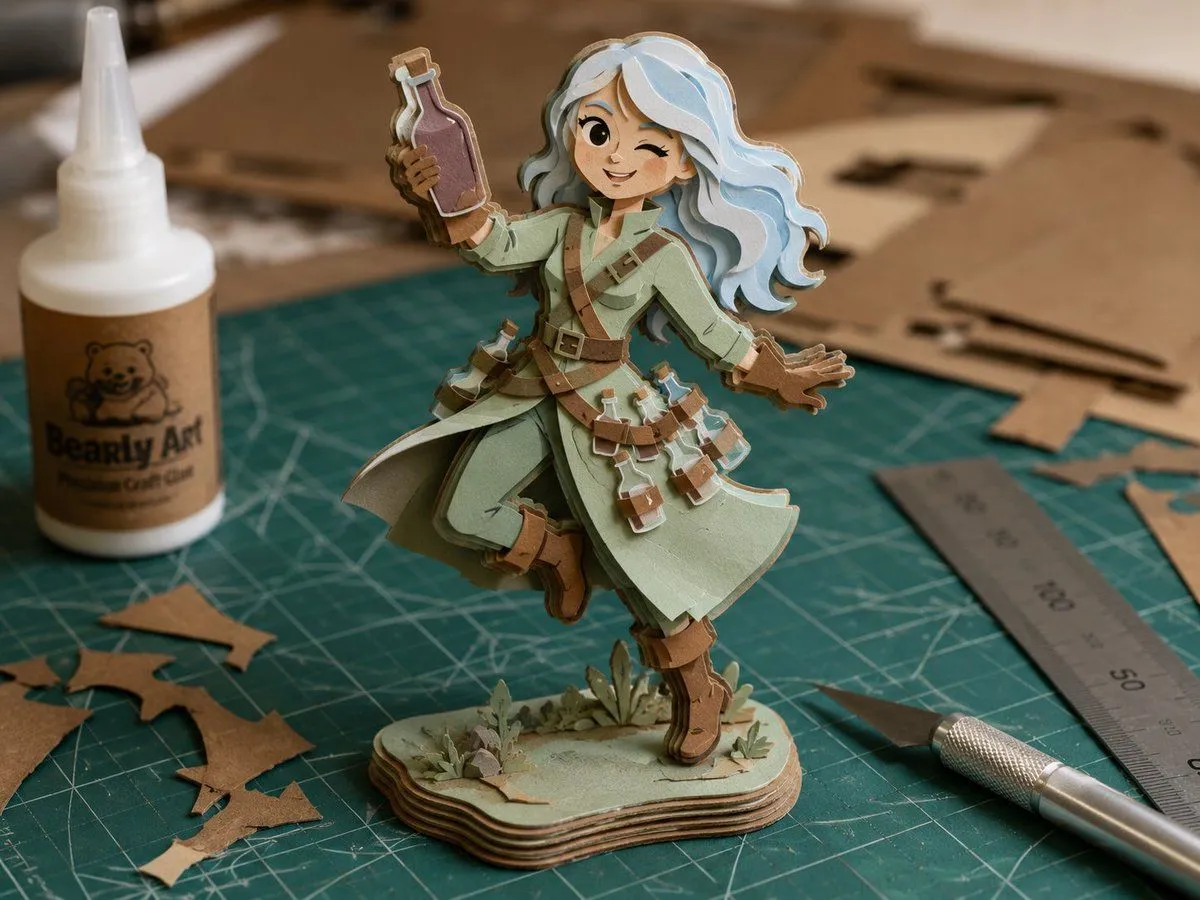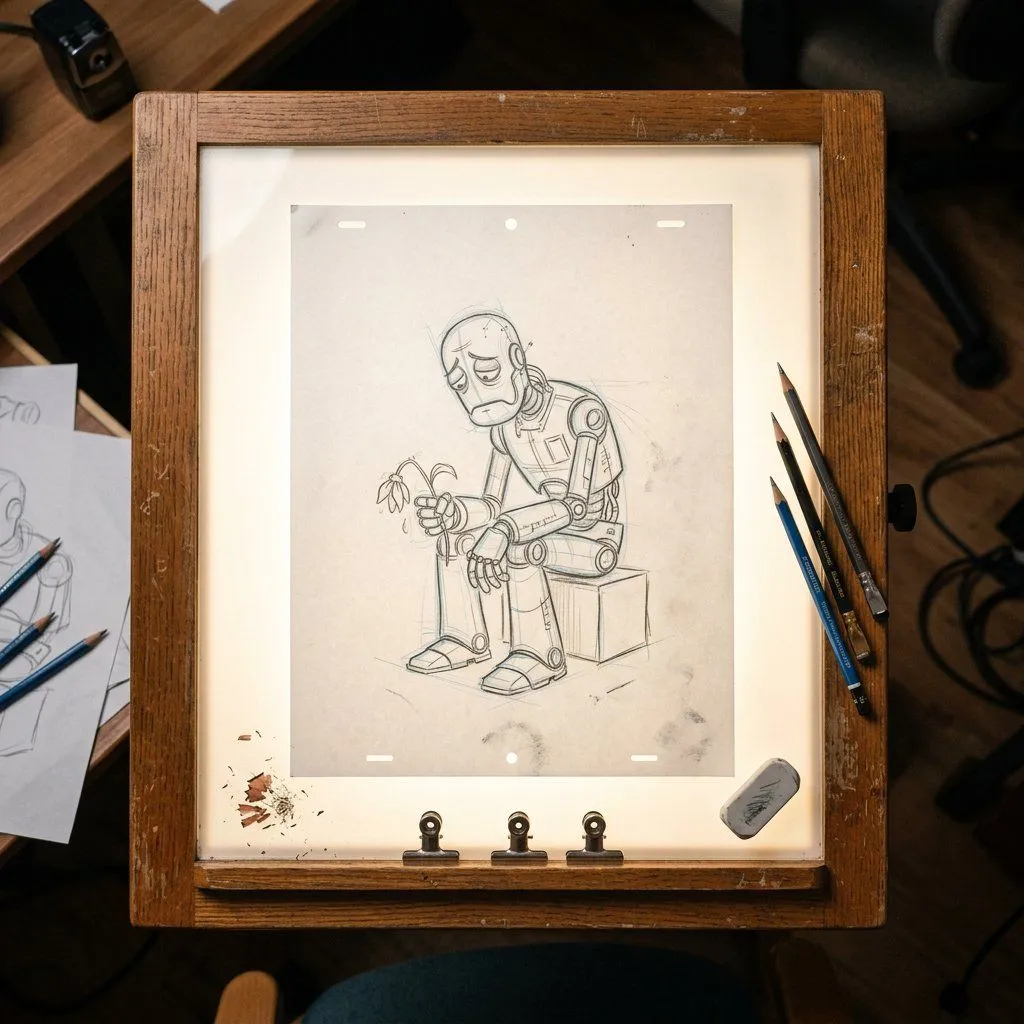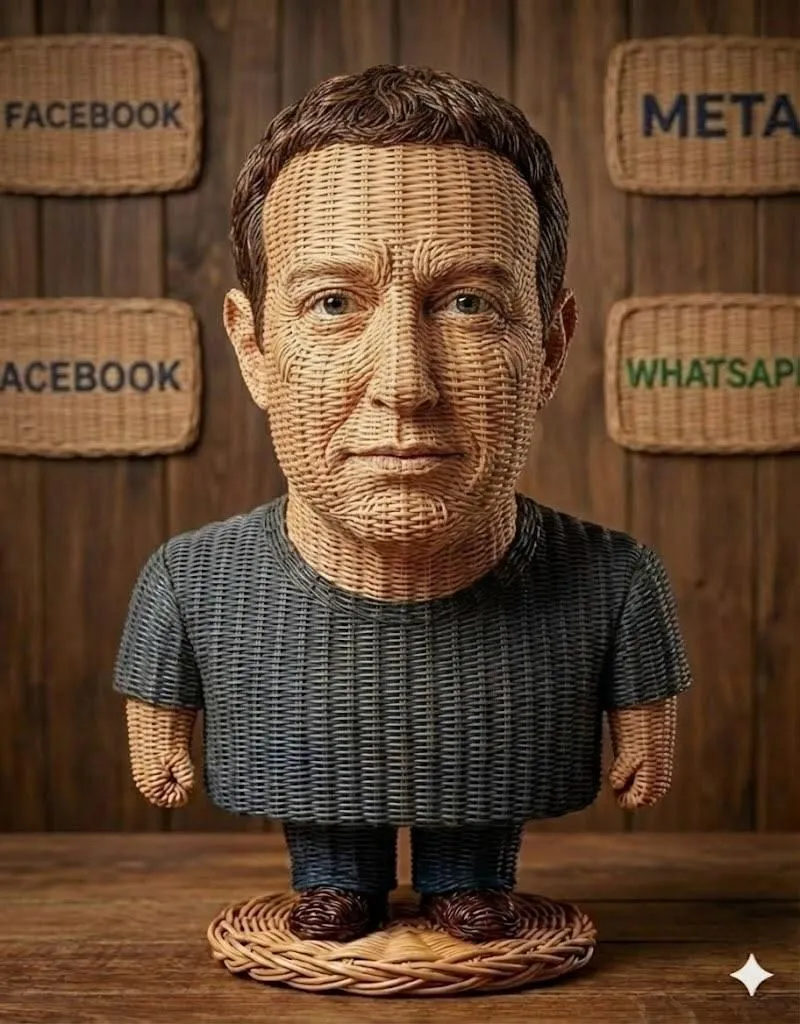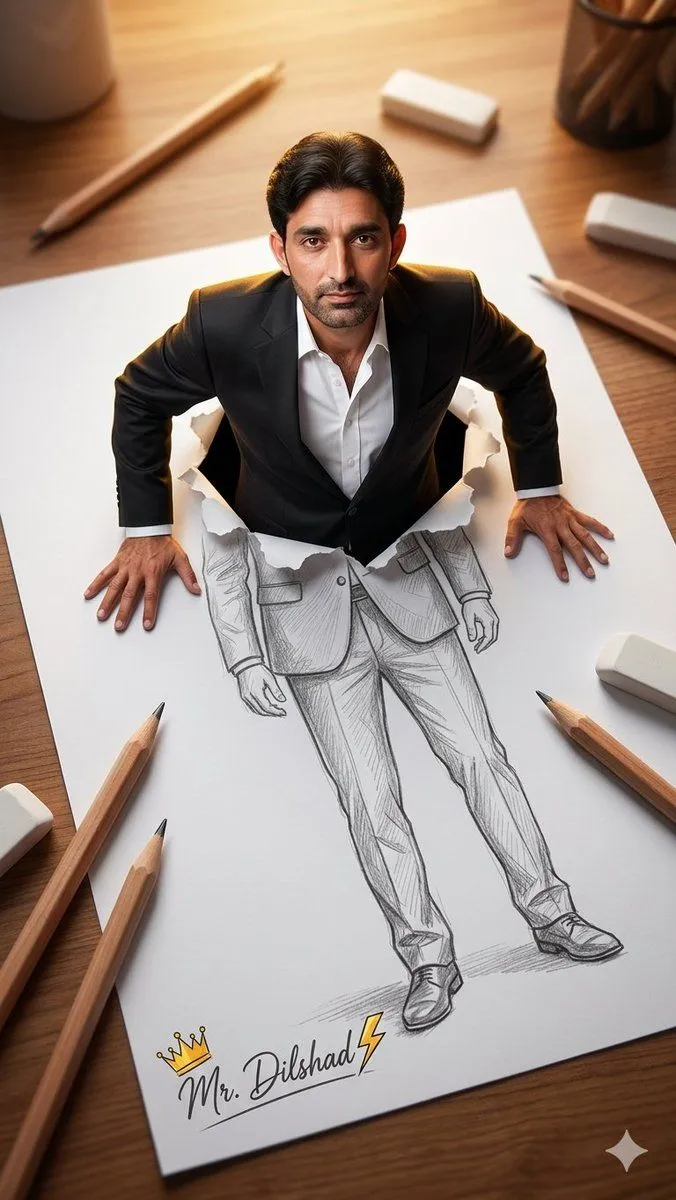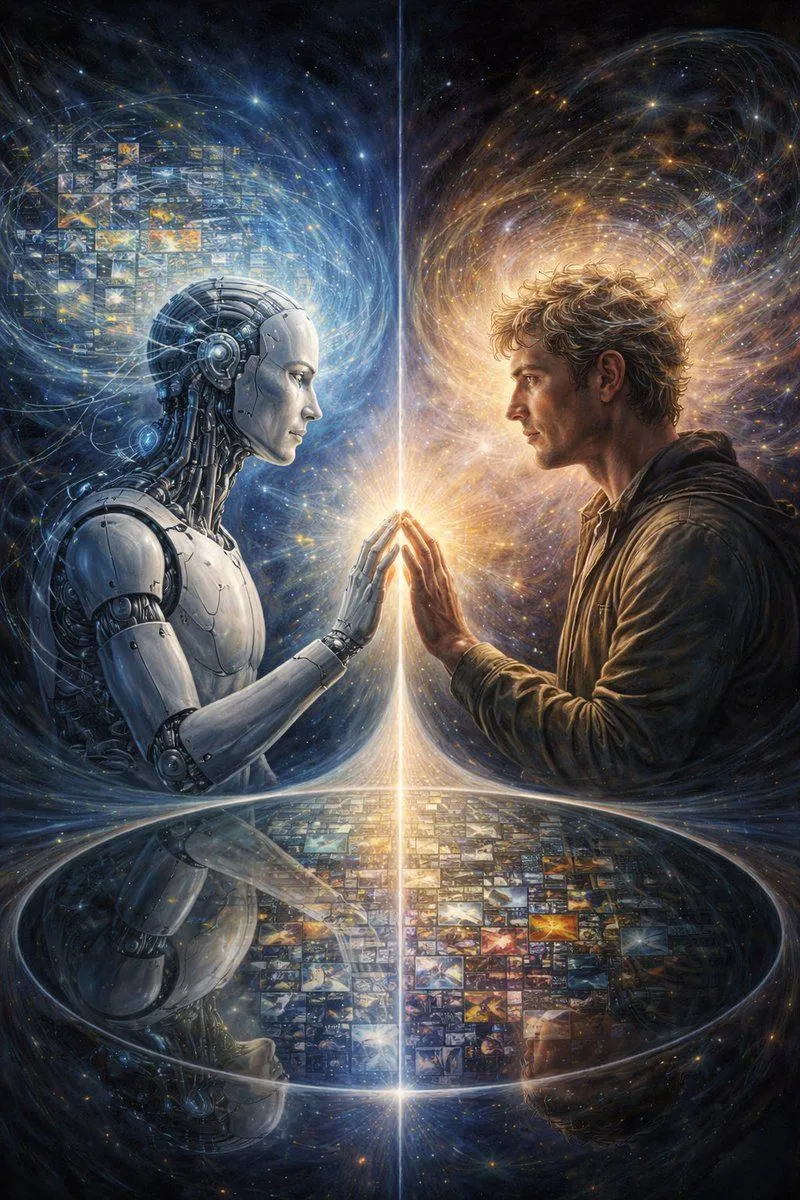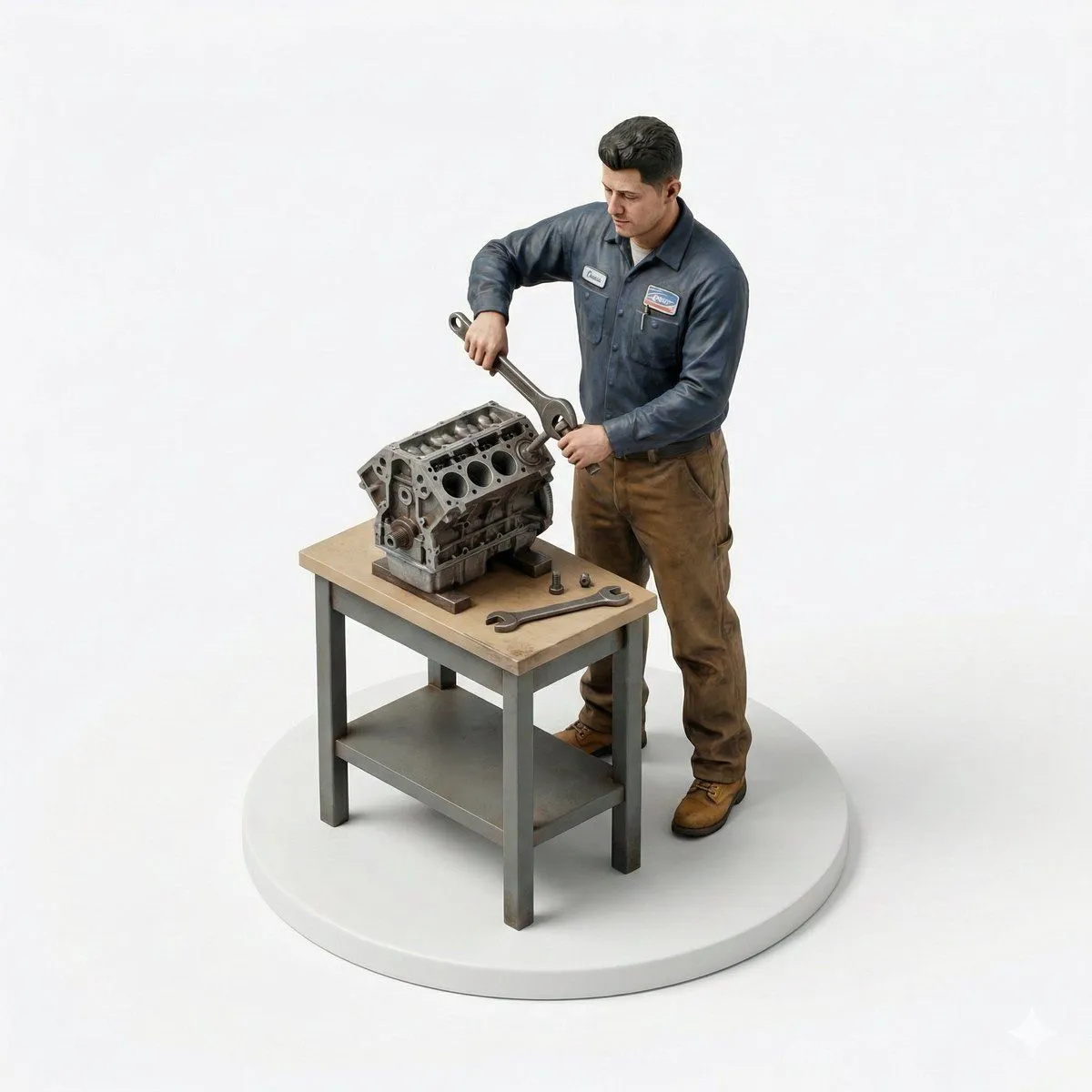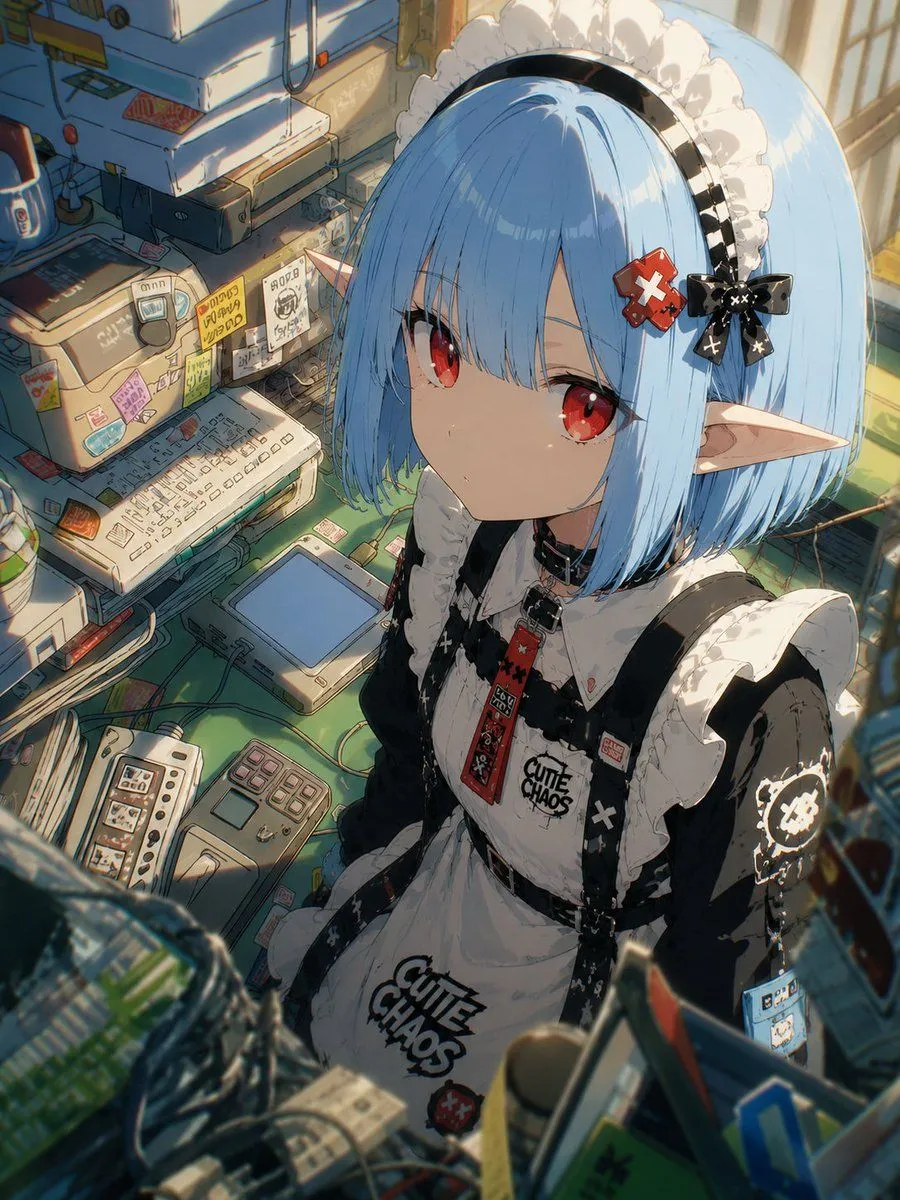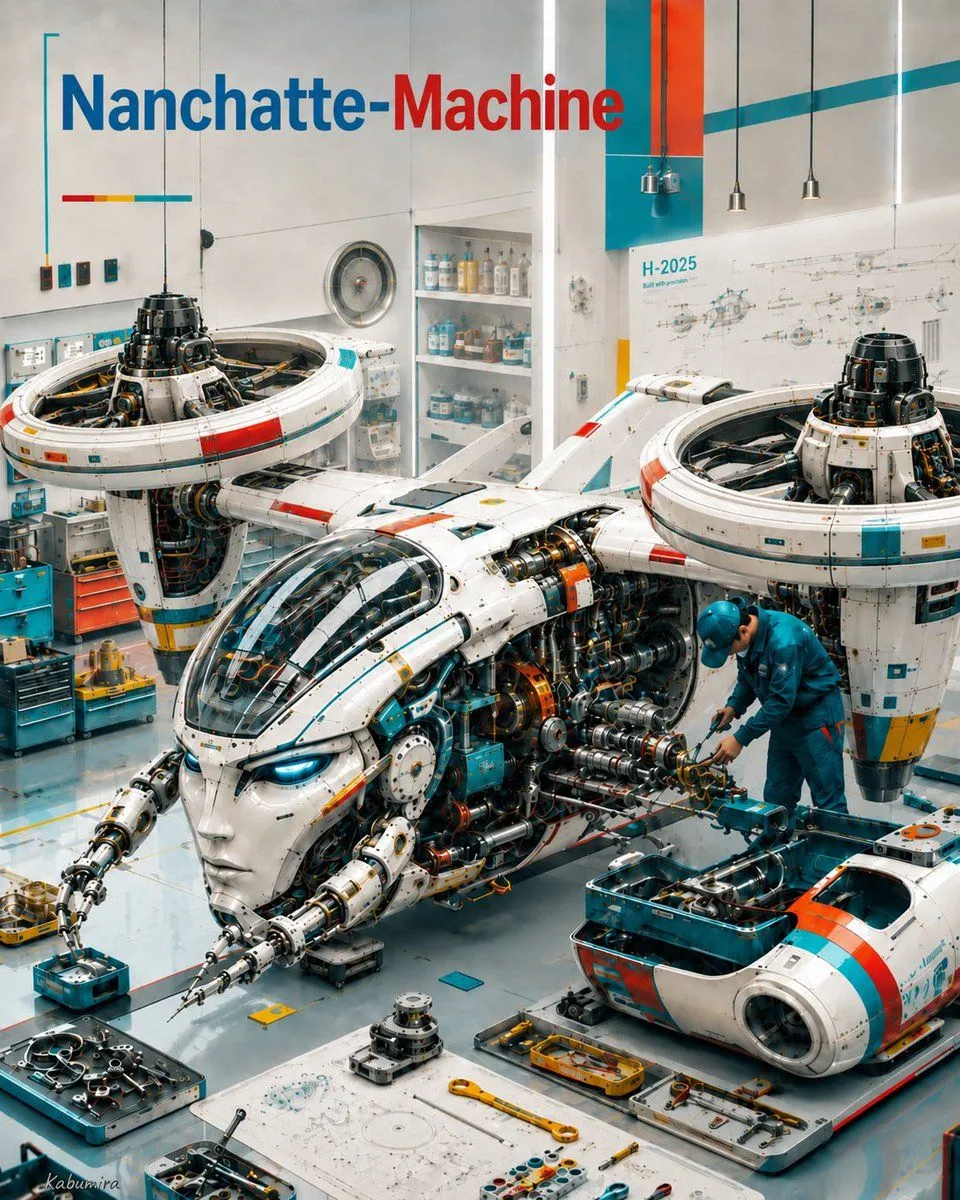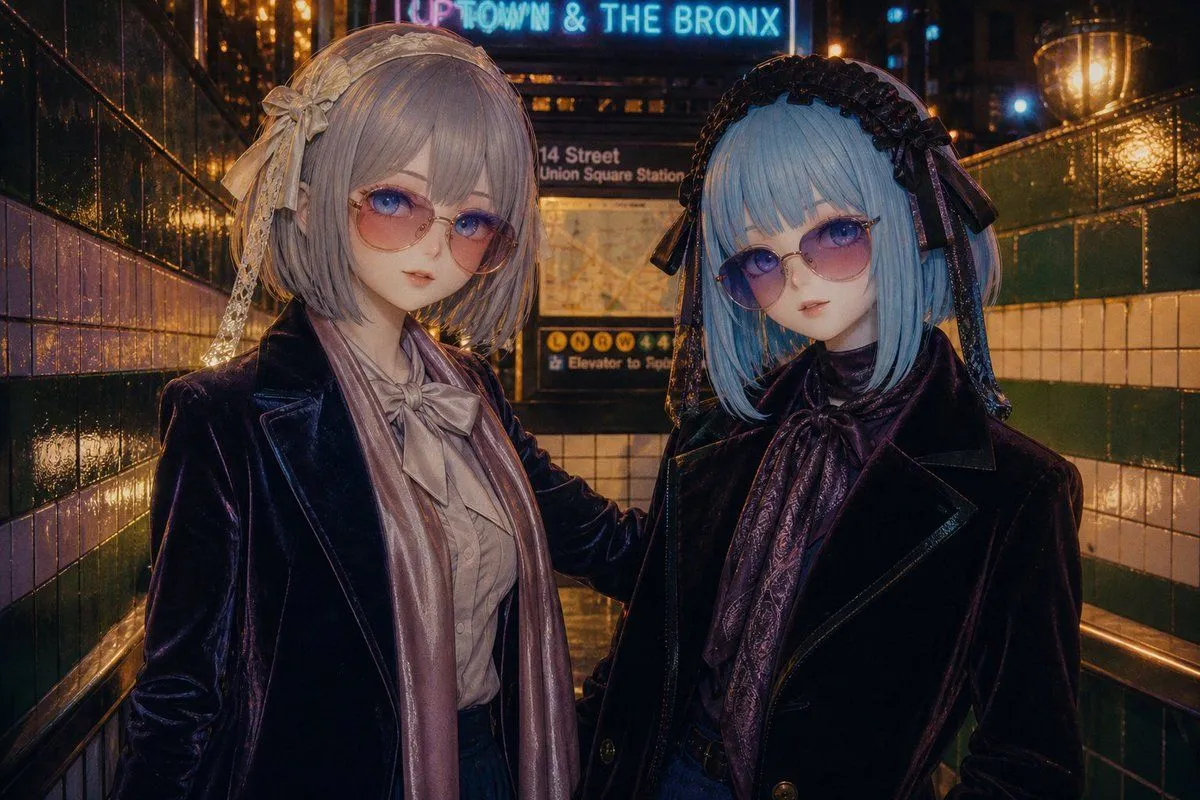

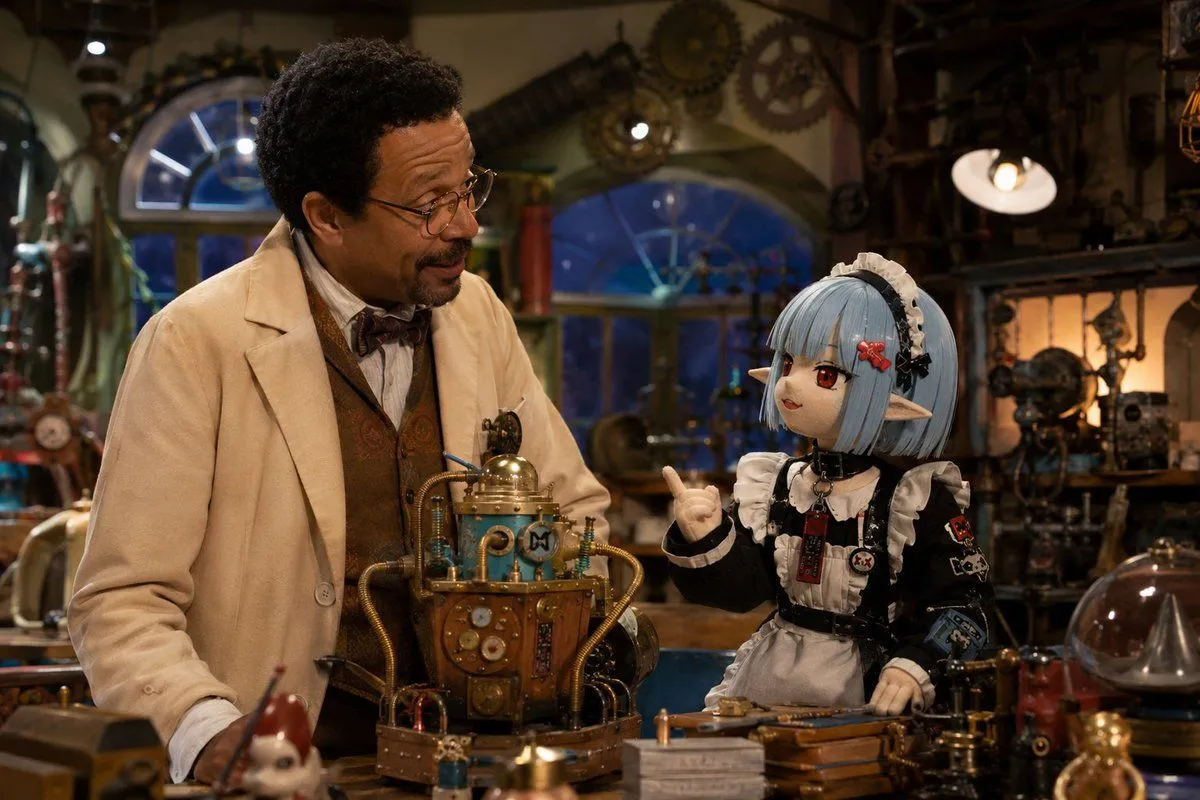
Made with GPT Image 2 in ChatGPT by Library Anime. Promptclay never generates images.
World Famous Puppet Show Scene
Prompt
1 blank to fillUse the provided image as the reference for the character. Create a scene from "{show_theme}" featuring the character from the reference image as the protagonist. This is not character design material, a poster, or a key visual. It is a scene from an actual fictional puppet show broadcast on television. The show has been broadcast worldwide for decades and is a legendary long-running program loved by multiple generations. It is so well-known that many people say they "grew up watching it." The scene depicted is a particularly memorable episode from its long history. The character should be expressed as a high-quality puppet made for a TV show, not an anime character or a mascot costume. It must be made as a full-scale performing puppet with cloth, felt, foam materials, resin eyes, a sewn mouth, internal skeleton, and joint structures. Operating rods or mechanisms for the head, hands, and arms may naturally exist. Puppetry strings may be used if necessary. Maintain the facial features, hairstyle, ears, costume, color scheme, and personality traits of the reference image while naturally reinterpreting it as a puppet. Real live-action human performers must be present in the frame. Their race, nationality, culture, gender, and age are not fixed and should be decided naturally according to the program's content. The human performers should exist as characters in the program world, such as hosts, teachers, researchers, adventurers, shopkeepers, inventors, or neighbors. The character and the human performer should be in natural conversation. Since the character is smaller than a human, use chairs, wooden boxes, desks, benches, counters, or stage sets to naturally align their eye levels. The background should be a dedicated set built inside a large television studio. Construct an attractive stage according to the story, such as a streetscape, park, library, laboratory, shopping district, spaceship, port town, otherworldly city, or fantasy village. The background should convey that it is a large-scale set made by craftsmen, not a real building. Use abundant props, handmade decorations, approachable designs, warm colors, and elaborate stage equipment. The character should be in the middle of a story: during an adventure, an incident, an exploration, a pursuit, a celebration, an emotional reunion, a strategy meeting, a failed experiment, cooking, crafting, or problem-solving, depicting a situation where the viewer can imagine the story before and after. The lighting should be warm and natural, with soft shadows typical of stage lighting. Use gentle lighting reminiscent of older TV shows. Aim for an atmosphere like children's literature, a sense of security suitable for family works, nostalgia, and friendliness. The frame should not display any text, logos, subtitles, titles, credits, or captions. Emphasize high-quality live-action visuals, high-quality puppet molding, high-quality stage sets, rich prop depiction, a composition with depth, and direction like a movie scene, ensuring the viewer can feel the long history and story of the program from a single moment.
Preview of your prompt
Use the provided image as the reference for the character. Create a scene from "a scene from a world-famous fictional puppet show" featuring the character from the reference image as the protagonist. This is not character design material, a poster, or a key visual. It is a scene from an actual fictional puppet show broadcast on television. The show has been broadcast worldwide for decades and is a legendary long-running program loved by multiple generations. It is so well-known that many people say they "grew up watching it." The scene depicted is a particularly memorable episode from its long history. The character should be expressed as a high-quality puppet made for a TV show, not an anime character or a mascot costume. It must be made as a full-scale performing puppet with cloth, felt, foam materials, resin eyes, a sewn mouth, internal skeleton, and joint structures. Operating rods or mechanisms for the head, hands, and arms may naturally exist. Puppetry strings may be used if necessary. Maintain the facial features, hairstyle, ears, costume, color scheme, and personality traits of the reference image while naturally reinterpreting it as a puppet. Real live-action human performers must be present in the frame. Their race, nationality, culture, gender, and age are not fixed and should be decided naturally according to the program's content. The human performers should exist as characters in the program world, such as hosts, teachers, researchers, adventurers, shopkeepers, inventors, or neighbors. The character and the human performer should be in natural conversation. Since the character is smaller than a human, use chairs, wooden boxes, desks, benches, counters, or stage sets to naturally align their eye levels. The background should be a dedicated set built inside a large television studio. Construct an attractive stage according to the story, such as a streetscape, park, library, laboratory, shopping district, spaceship, port town, otherworldly city, or fantasy village. The background should convey that it is a large-scale set made by craftsmen, not a real building. Use abundant props, handmade decorations, approachable designs, warm colors, and elaborate stage equipment. The character should be in the middle of a story: during an adventure, an incident, an exploration, a pursuit, a celebration, an emotional reunion, a strategy meeting, a failed experiment, cooking, crafting, or problem-solving, depicting a situation where the viewer can imagine the story before and after. The lighting should be warm and natural, with soft shadows typical of stage lighting. Use gentle lighting reminiscent of older TV shows. Aim for an atmosphere like children's literature, a sense of security suitable for family works, nostalgia, and friendliness. The frame should not display any text, logos, subtitles, titles, credits, or captions. Emphasize high-quality live-action visuals, high-quality puppet molding, high-quality stage sets, rich prop depiction, a composition with depth, and direction like a movie scene, ensuring the viewer can feel the long history and story of the program from a single moment.
DetailsVersions, settings and questions
Written for
What's in the prompt
- Subject
- Model
- GPT Image 2
If your face changes
keep my face exactly the sameQuestions
- Does this work in the ChatGPT app?
- Yes. Paste the prompt and attach your photo if it uses one.
- It changed my face. What do I do?
- Add "keep my face exactly the same" to the end and run it again.
- Can I use the images I make?
- Check the terms of the app you use. Promptclay never generates images and claims nothing you make.
Did it work?
No reports yet. Tell others if it worked for you.