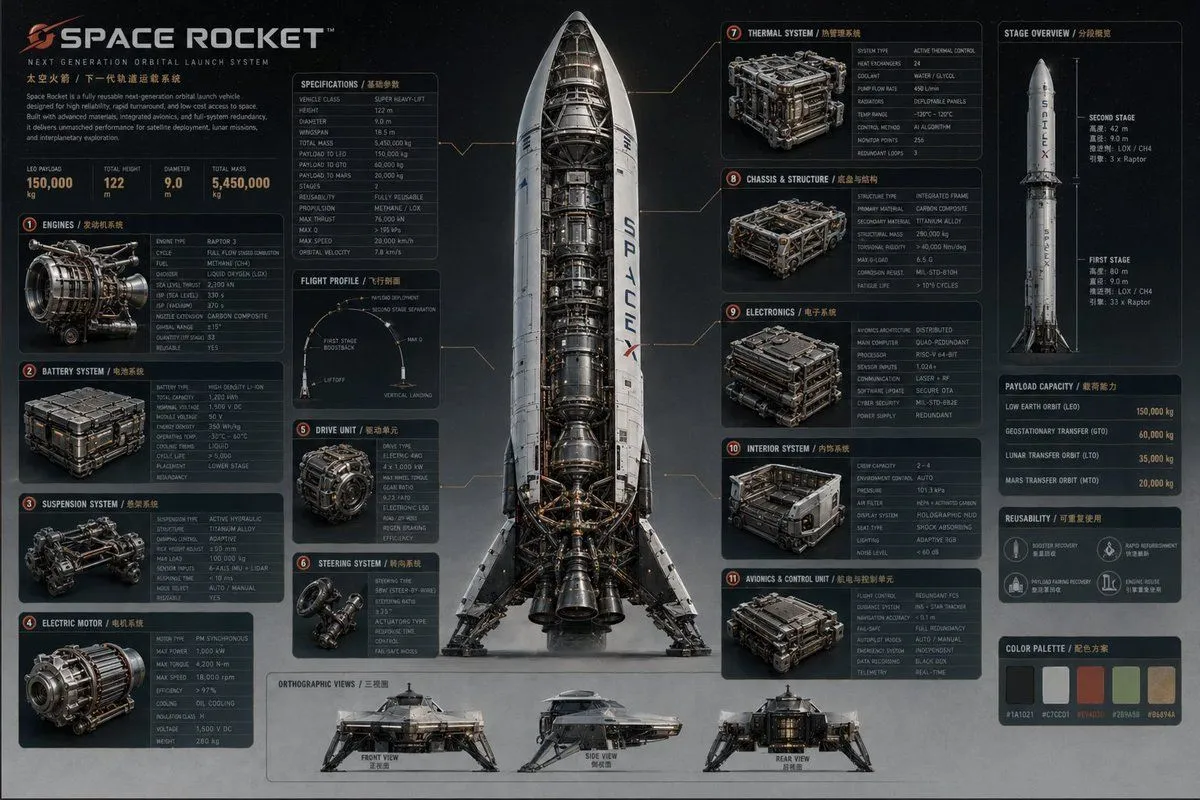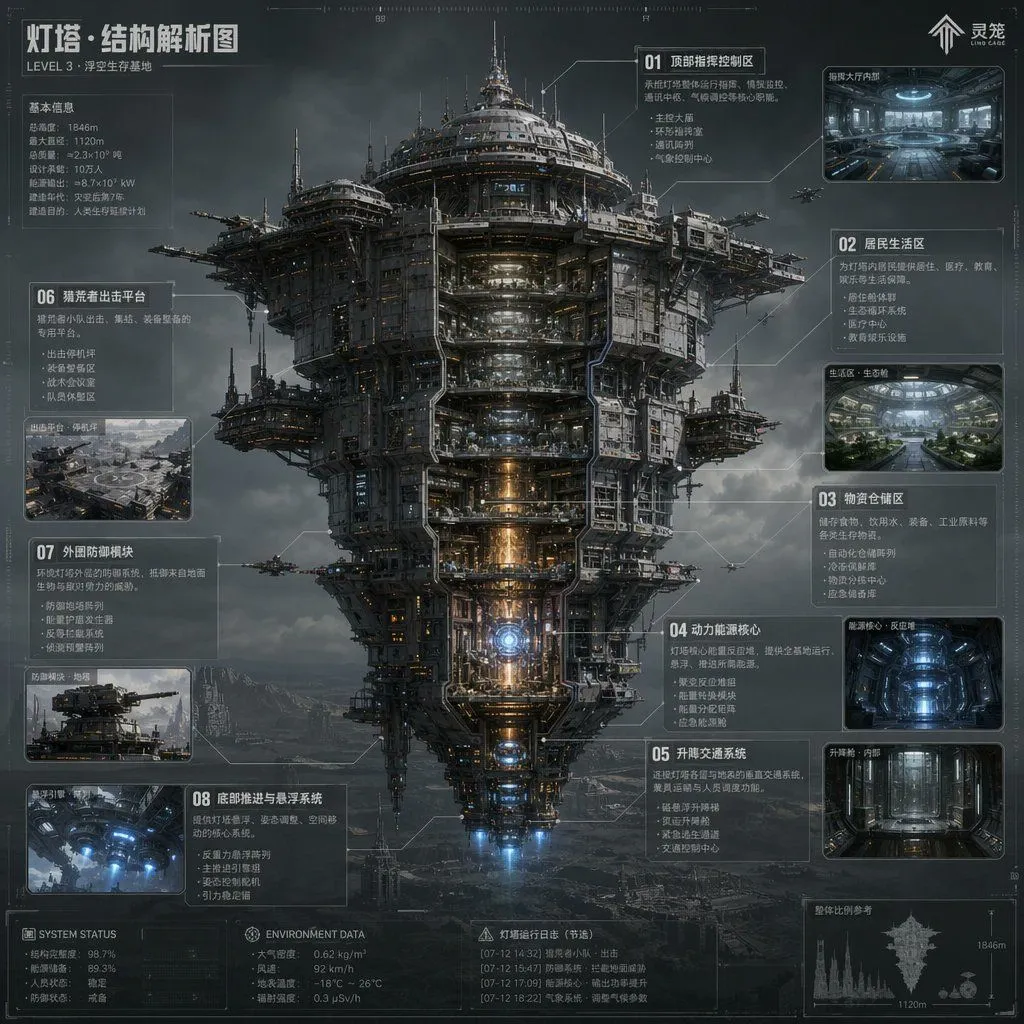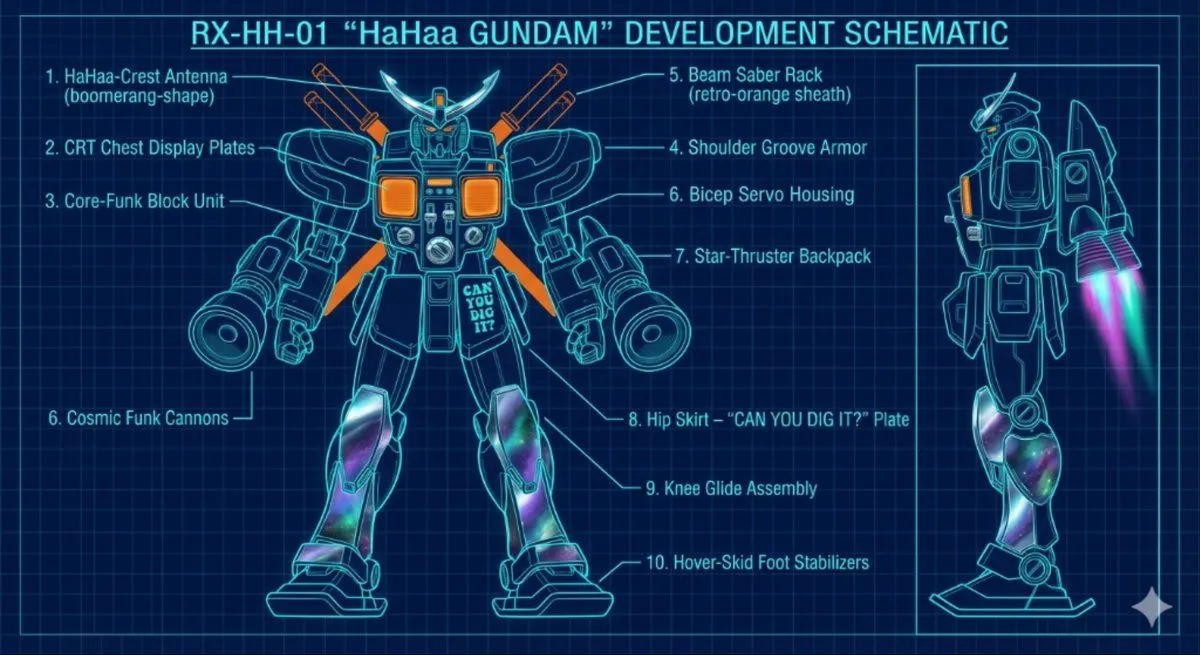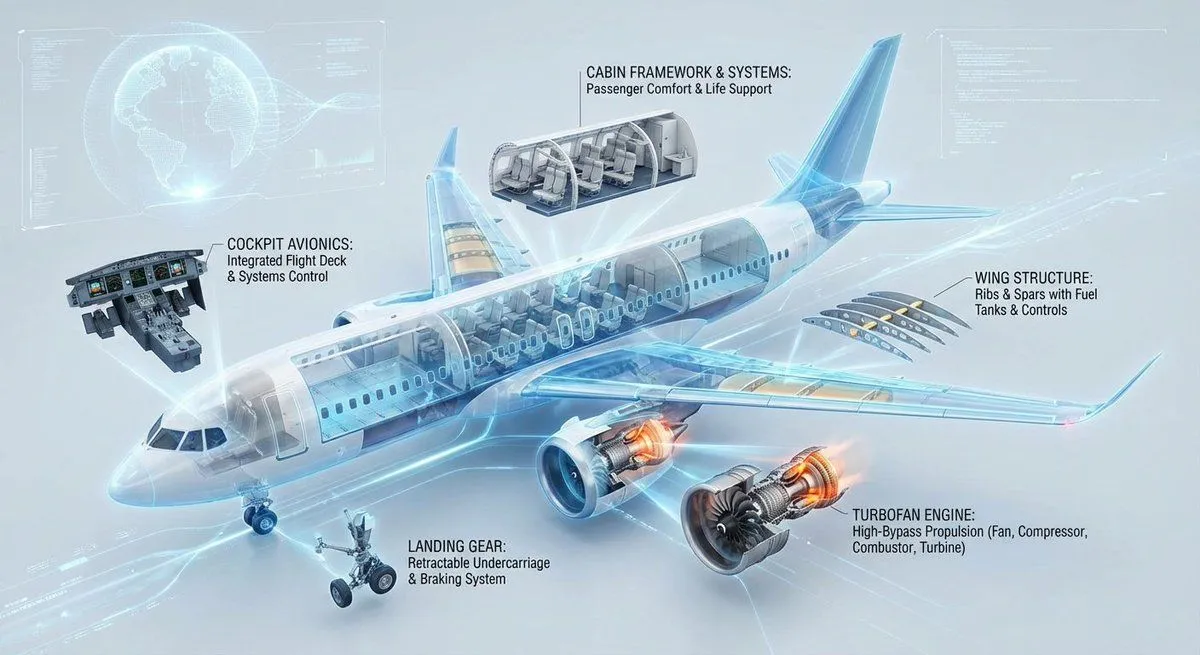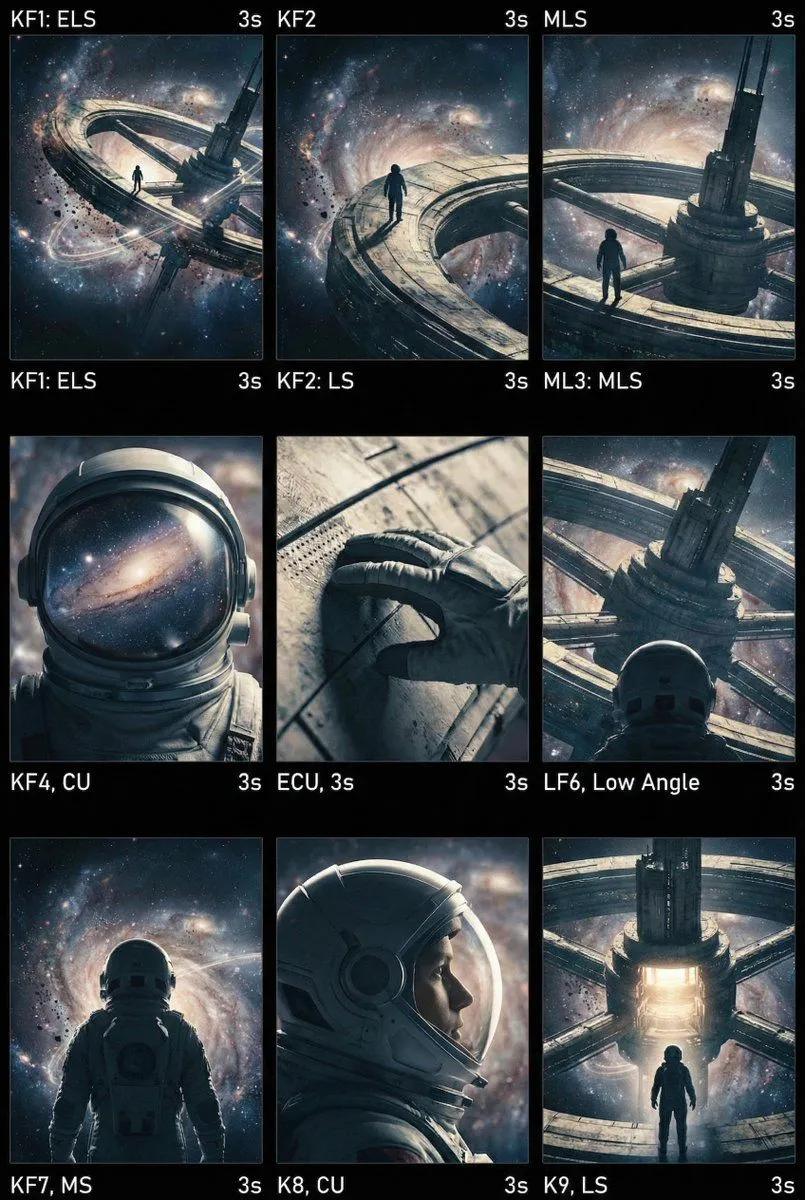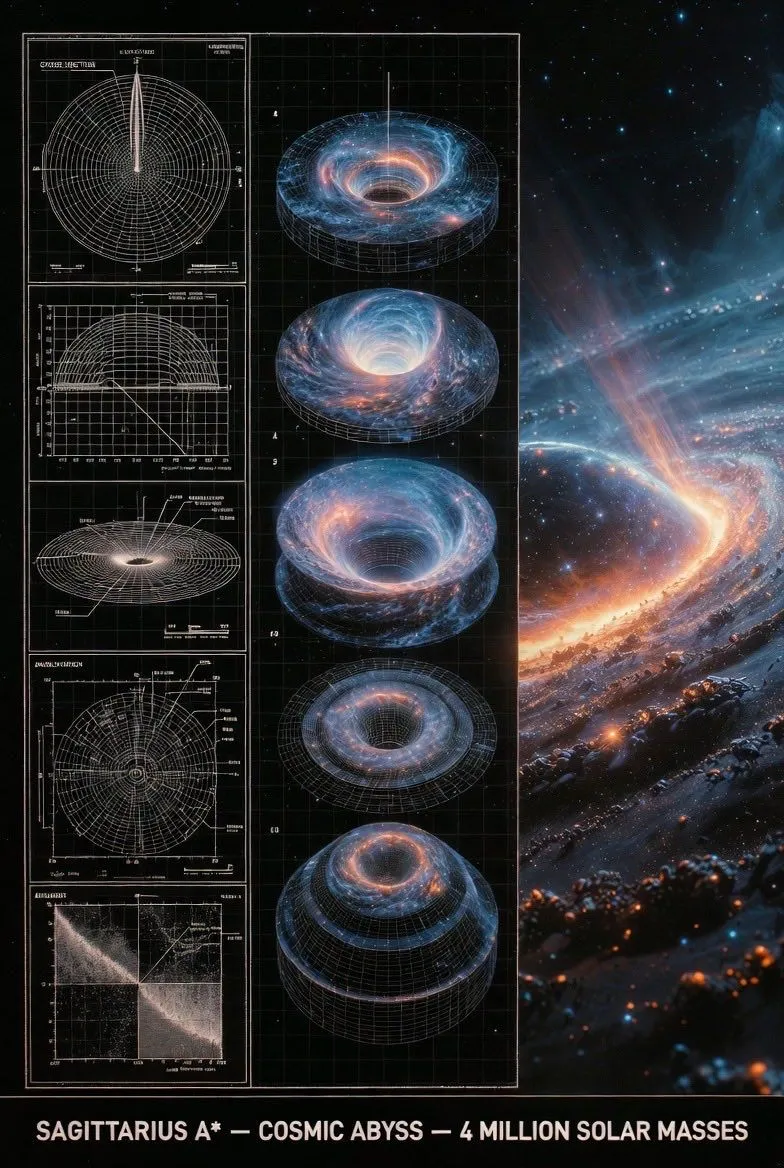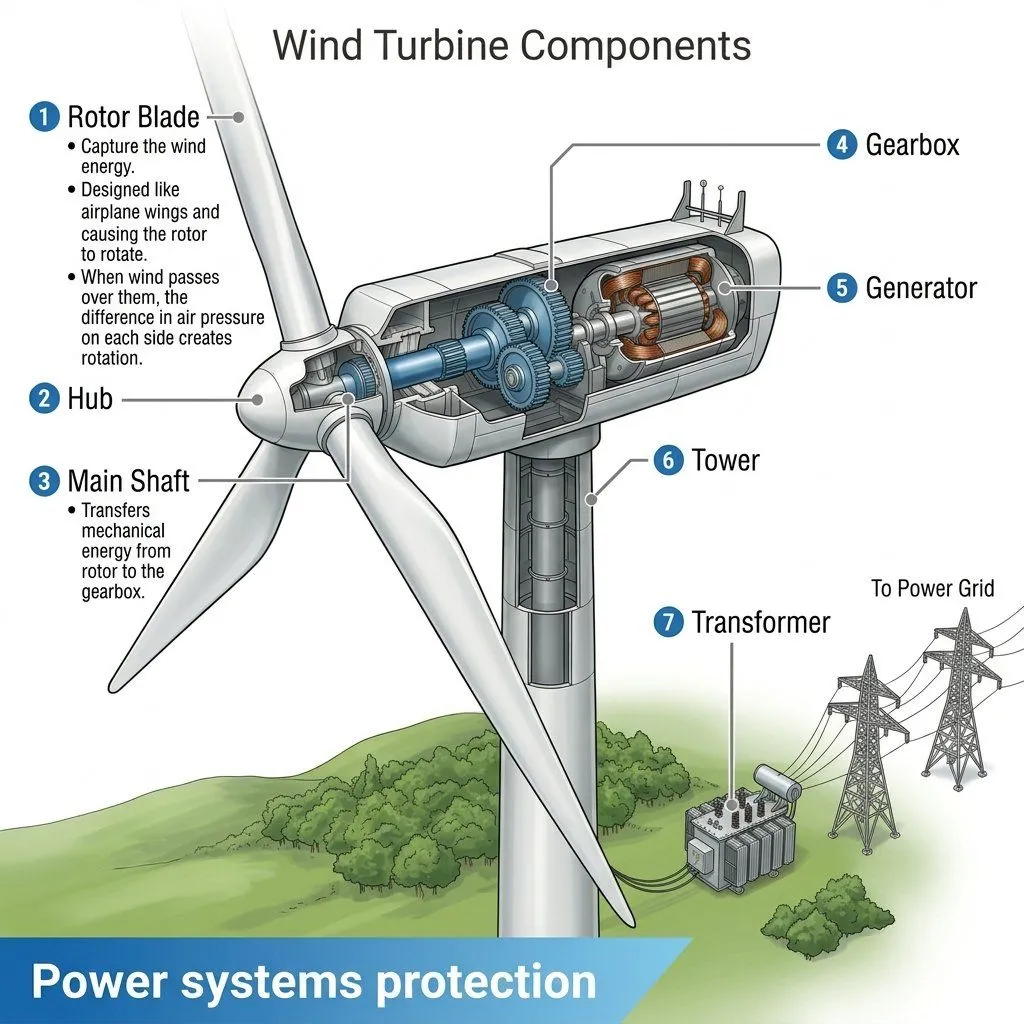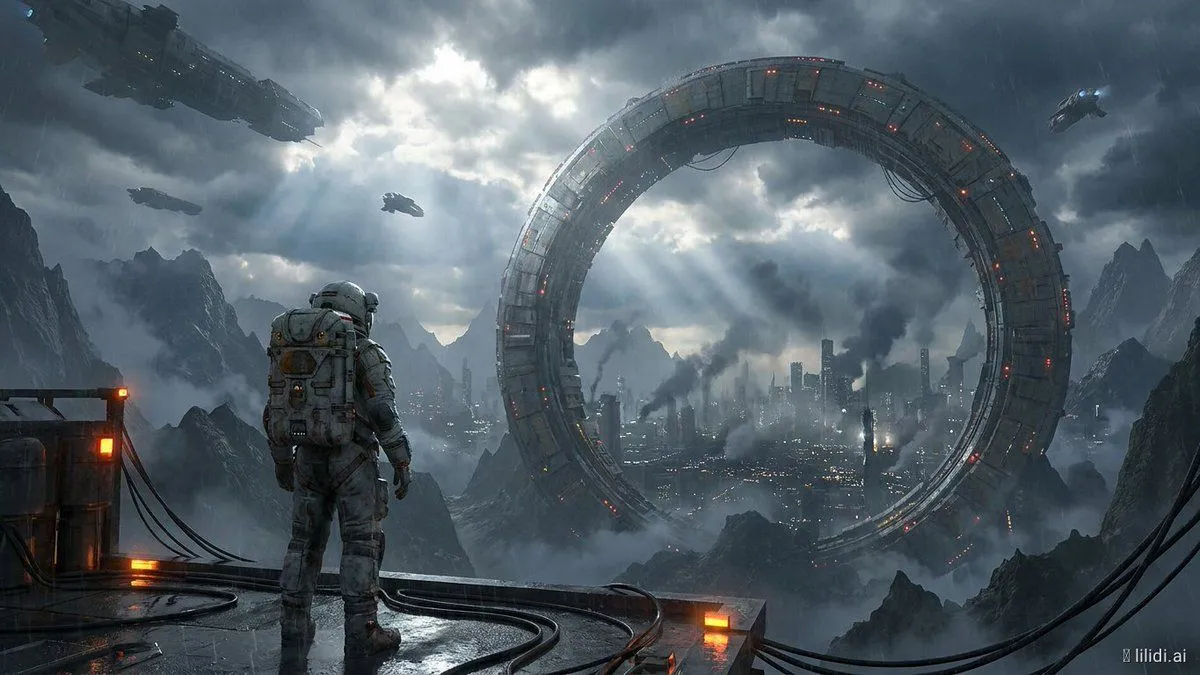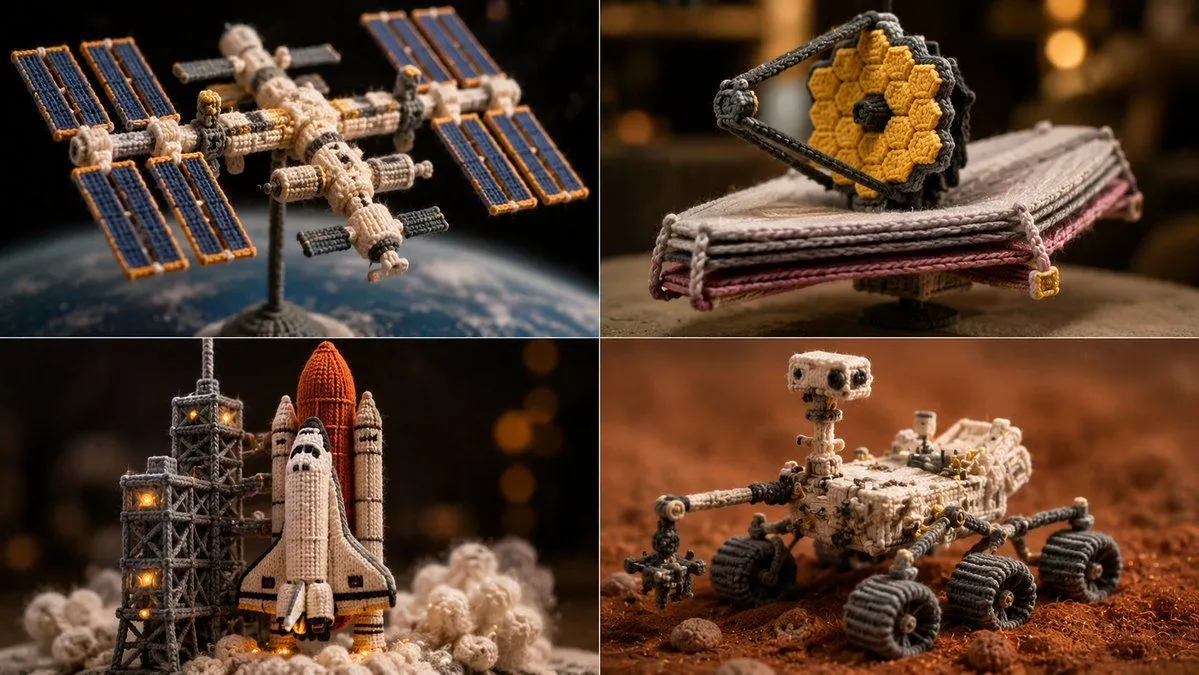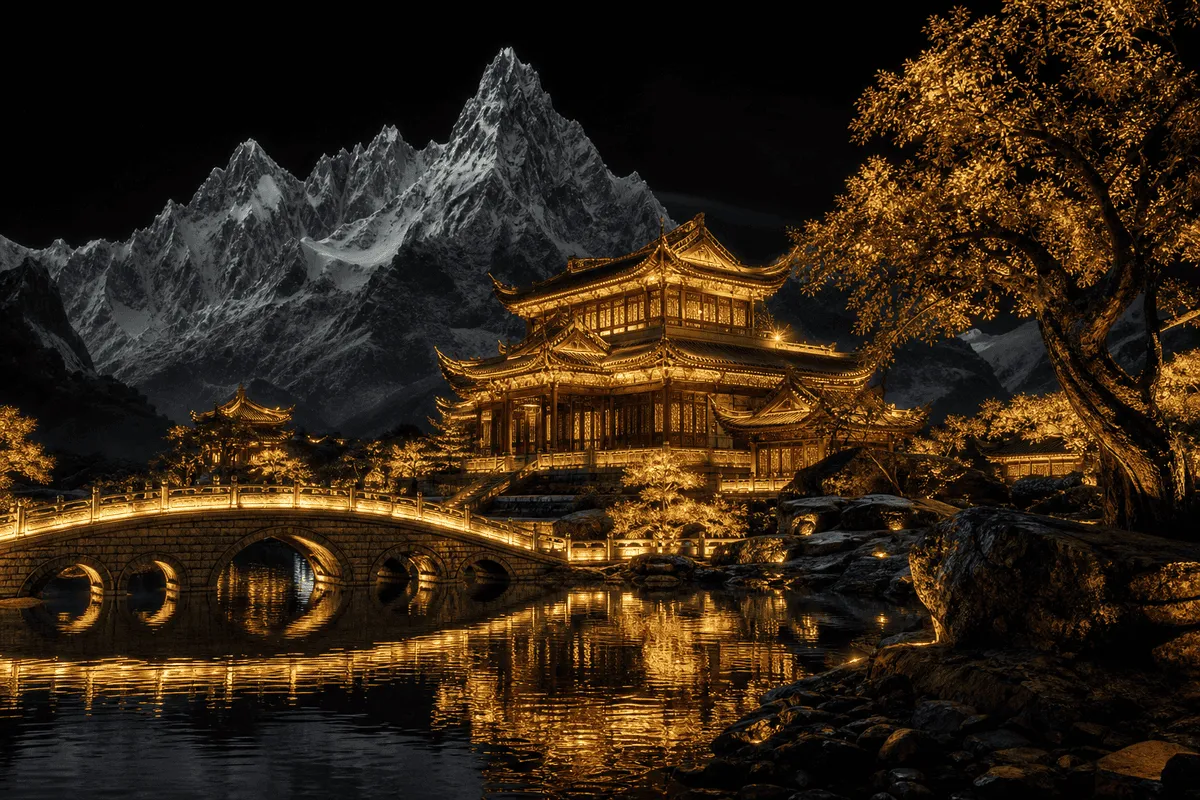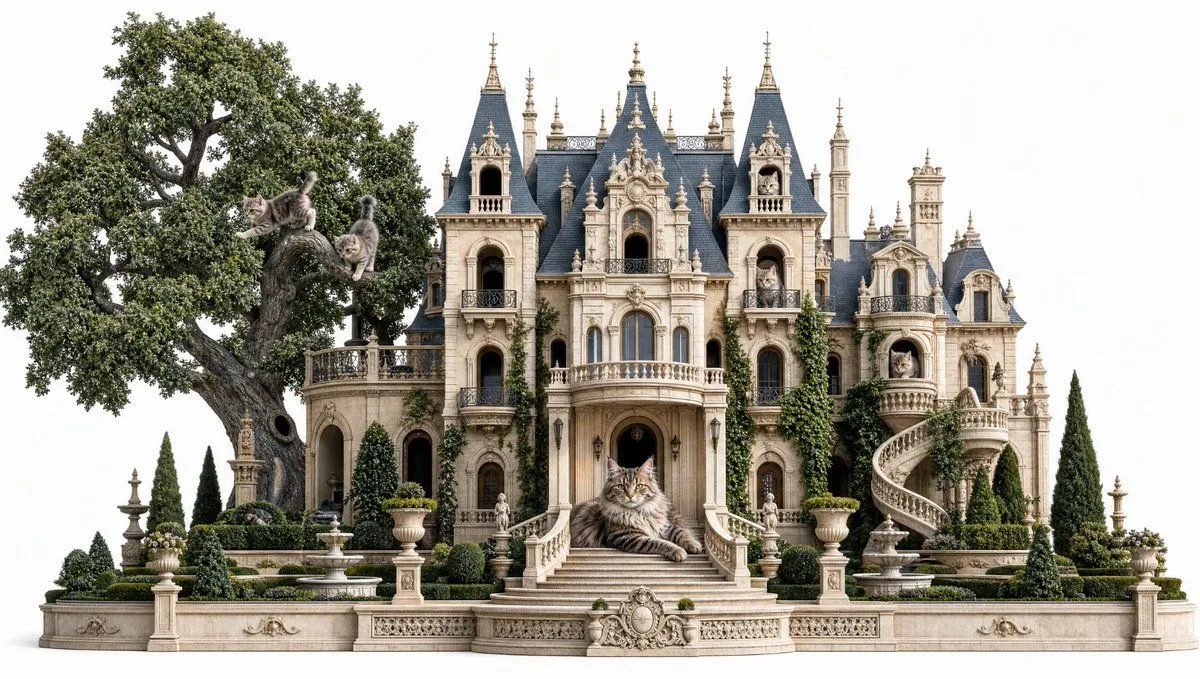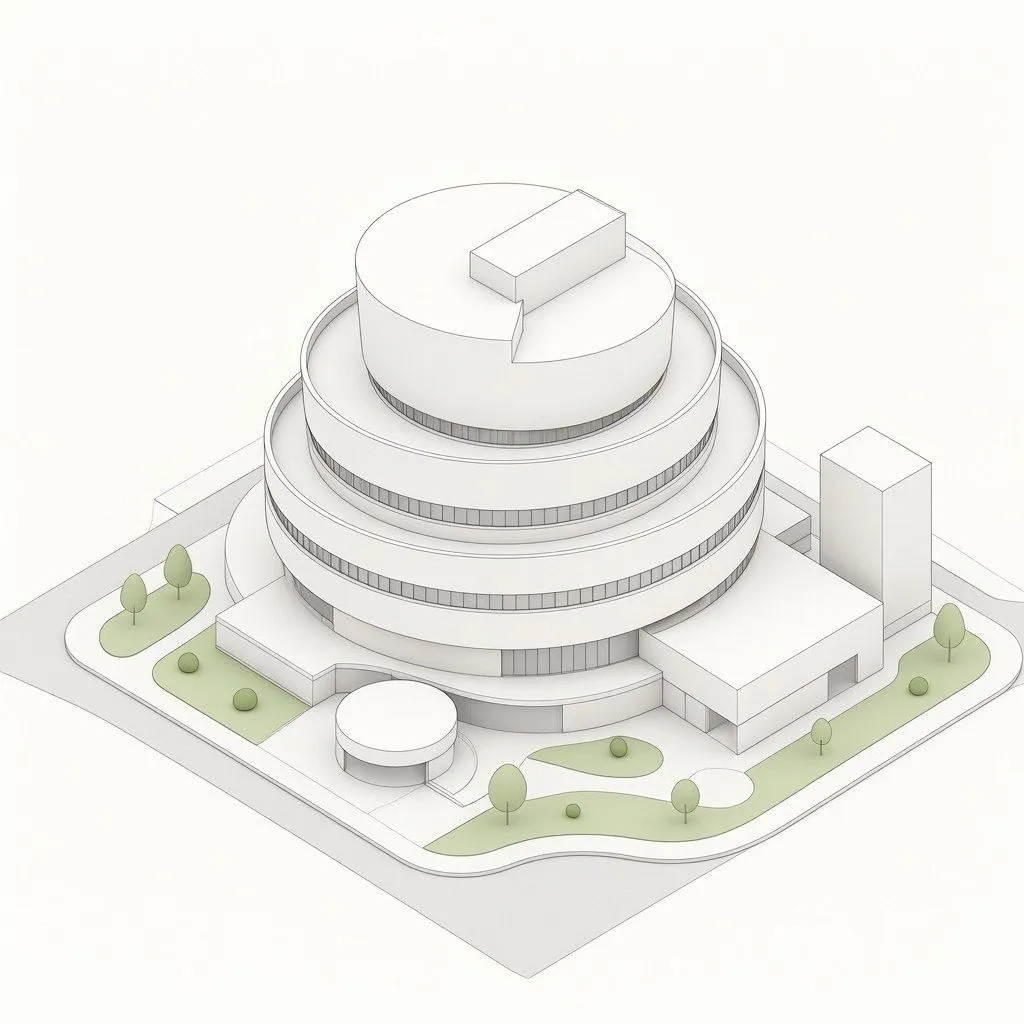

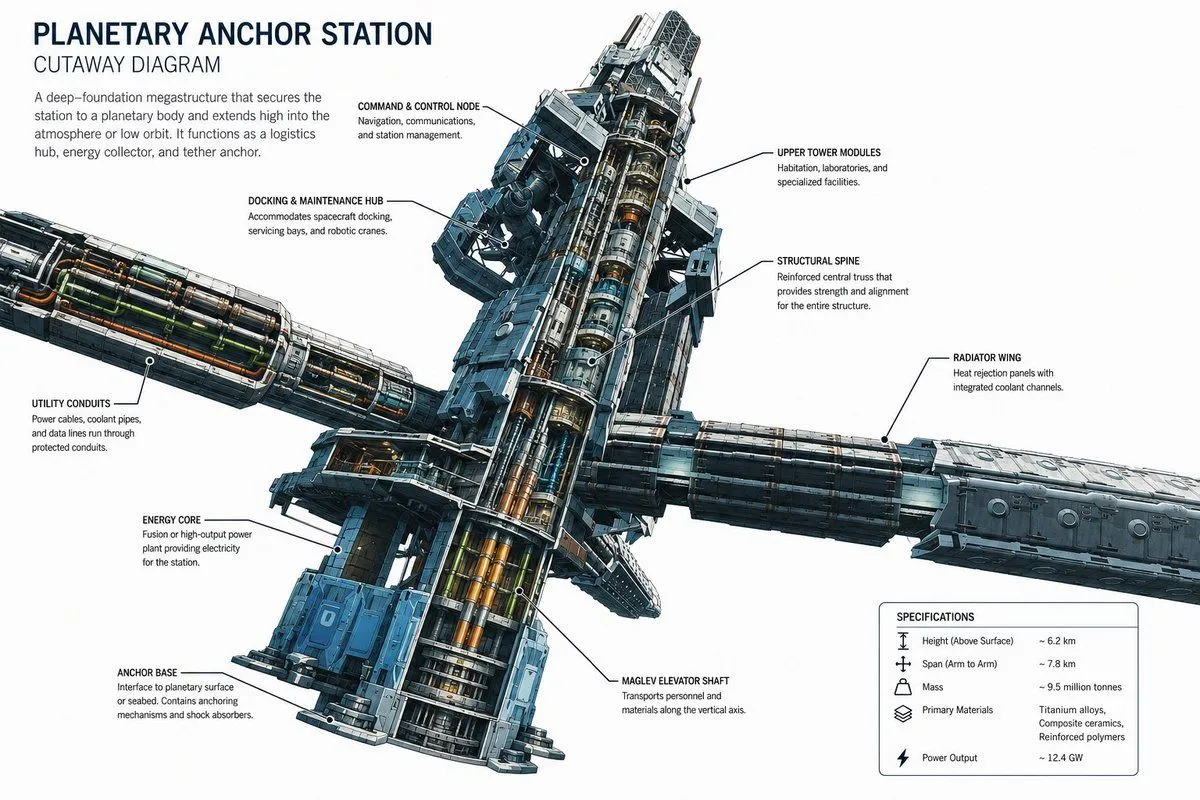
Made with GPT Image 2 in ChatGPT by Library Explainers. Promptclay never generates images.
Did it work?
No reports yet. Tell others if it worked for you.
Planetary Anchor Station Cutaway
Prompt
4 blanks to fillGoal: Create a clean sci-fi technical cutaway diagram of a massive No Man's Sky-inspired space megastructure labeled as {station_name}, showing a deep-foundation orbital tether/logistics hub in precise industrial detail. Canvas: Wide 3:2 landscape technical poster on a white background, high-resolution, with generous empty space for labels. Use a realistic hard-surface concept-art style with crisp black leader lines, small circular callout dots, thin technical typography, and subtle shadows under the structure. Main subject: A huge cross-sectioned vertical space station tilted diagonally from lower left to upper right, with two long horizontal arms extending left and right through the central tower. The structure is blue-gray, gunmetal, white, and dark steel, with exposed copper, orange, green, and black utility piping. The central tower is partially cut away to reveal stacked cylindrical machinery, conduits, elevator shafts, reactor sections, service decks, truss frames, and glowing industrial interiors. The left arm shows many exposed utility pipes inside segmented conduit housing. The right arm is a heavier rectangular radiator/armature with panel plating, circular ports, and mechanical seams. The lower end has a bulky blue anchor base with landing-foot-like supports and shock absorber details. Top-left text: Large bold uppercase title: {station_name}. Directly below it, smaller uppercase subtitle: {diagram_subtitle}. Under the subtitle, add a short paragraph: {description_text} Callouts: Include exactly 9 labeled callouts with leader lines and small dot markers, using compact uppercase headings plus one short explanatory sentence each: 1. COMMAND & CONTROL NODE — Navigation, communications, and station management. 2. UPPER TOWER MODULES — Habitation, laboratories, and specialized facilities. 3. DOCKING & MAINTENANCE HUB — Accommodates spacecraft docking, servicing bays, and robotic cranes. 4. STRUCTURAL SPINE — Reinforced central truss that provides strength and alignment for the entire structure. 5. UTILITY CONDUITS — Power cables, coolant pipes, and data lines run through protected conduits. 6. RADIATOR WING — Heat rejection panels with integrated coolant channels. 7. ENERGY CORE — Fusion or high-output power plant providing electricity for the station. 8. ANCHOR BASE — Interface to planetary surface or seabed. Contains anchoring mechanisms and shock absorbers. 9. MAGLEV ELEVATOR SHAFT — Transports personnel and materials along the vertical axis. Specification box: Place a bordered white box in the lower-right corner titled SPECIFICATIONS. Include exactly 5 rows with small monochrome icons and values: Height (Above Surface) — {station_height}; Span (Arm to Arm) — ~ 7.8 km; Mass — ~ 9.5 million tonnes; Primary Materials — Titanium alloys, Composite ceramics, Reinforced polymers; Power Output — ~ 12.4 GW. Visual style: Futuristic aerospace engineering diagram, photorealistic 3D model render mixed with infographic annotation, sharp panel lines, exposed mechanical innards, realistic scale, no people, no planets, no starfield, no watermark. Keep the background plain white and the typography clean, black, and highly legible.
Preview of your prompt
Goal: Create a clean sci-fi technical cutaway diagram of a massive No Man's Sky-inspired space megastructure labeled as PLANETARY ANCHOR STATION, showing a deep-foundation orbital tether/logistics hub in precise industrial detail. Canvas: Wide 3:2 landscape technical poster on a white background, high-resolution, with generous empty space for labels. Use a realistic hard-surface concept-art style with crisp black leader lines, small circular callout dots, thin technical typography, and subtle shadows under the structure. Main subject: A huge cross-sectioned vertical space station tilted diagonally from lower left to upper right, with two long horizontal arms extending left and right through the central tower. The structure is blue-gray, gunmetal, white, and dark steel, with exposed copper, orange, green, and black utility piping. The central tower is partially cut away to reveal stacked cylindrical machinery, conduits, elevator shafts, reactor sections, service decks, truss frames, and glowing industrial interiors. The left arm shows many exposed utility pipes inside segmented conduit housing. The right arm is a heavier rectangular radiator/armature with panel plating, circular ports, and mechanical seams. The lower end has a bulky blue anchor base with landing-foot-like supports and shock absorber details. Top-left text: Large bold uppercase title: PLANETARY ANCHOR STATION. Directly below it, smaller uppercase subtitle: CUTAWAY DIAGRAM. Under the subtitle, add a short paragraph: A deep-foundation megastructure that secures the station to a planetary body and extends high into the atmosphere or low Callouts: Include exactly 9 labeled callouts with leader lines and small dot markers, using compact uppercase headings plus one short explanatory sentence each: 1. COMMAND & CONTROL NODE — Navigation, communications, and station management. 2. UPPER TOWER MODULES — Habitation, laboratories, and specialized facilities. 3. DOCKING & MAINTENANCE HUB — Accommodates spacecraft docking, servicing bays, and robotic cranes. 4. STRUCTURAL SPINE — Reinforced central truss that provides strength and alignment for the entire structure. 5. UTILITY CONDUITS — Power cables, coolant pipes, and data lines run through protected conduits. 6. RADIATOR WING — Heat rejection panels with integrated coolant channels. 7. ENERGY CORE — Fusion or high-output power plant providing electricity for the station. 8. ANCHOR BASE — Interface to planetary surface or seabed. Contains anchoring mechanisms and shock absorbers. 9. MAGLEV ELEVATOR SHAFT — Transports personnel and materials along the vertical axis. Specification box: Place a bordered white box in the lower-right corner titled SPECIFICATIONS. Include exactly 5 rows with small monochrome icons and values: Height (Above Surface) — ~ 6.2 km; Span (Arm to Arm) — ~ 7.8 km; Mass — ~ 9.5 million tonnes; Primary Materials — Titanium alloys, Composite ceramics, Reinforced polymers; Power Output — ~ 12.4 GW. Visual style: Futuristic aerospace engineering diagram, photorealistic 3D model render mixed with infographic annotation, sharp panel lines, exposed mechanical innards, realistic scale, no people, no planets, no starfield, no watermark. Keep the background plain white and the typography clean, black, and highly legible.
DetailsVersions, settings and questions
Written for
What's in the prompt
- Subject
- Model
- GPT Image 2
If your face changes
keep my face exactly the sameQuestions
- Does this work in the ChatGPT app?
- Yes. Paste the prompt and attach your photo if it uses one.
- It changed my face. What do I do?
- Add "keep my face exactly the same" to the end and run it again.
- Can I use the images I make?
- Check the terms of the app you use. Promptclay never generates images and claims nothing you make.