
Tell us anything

An idea, a bug, something you love. We read every note.

⌘↵ to send. The page you're on comes along.

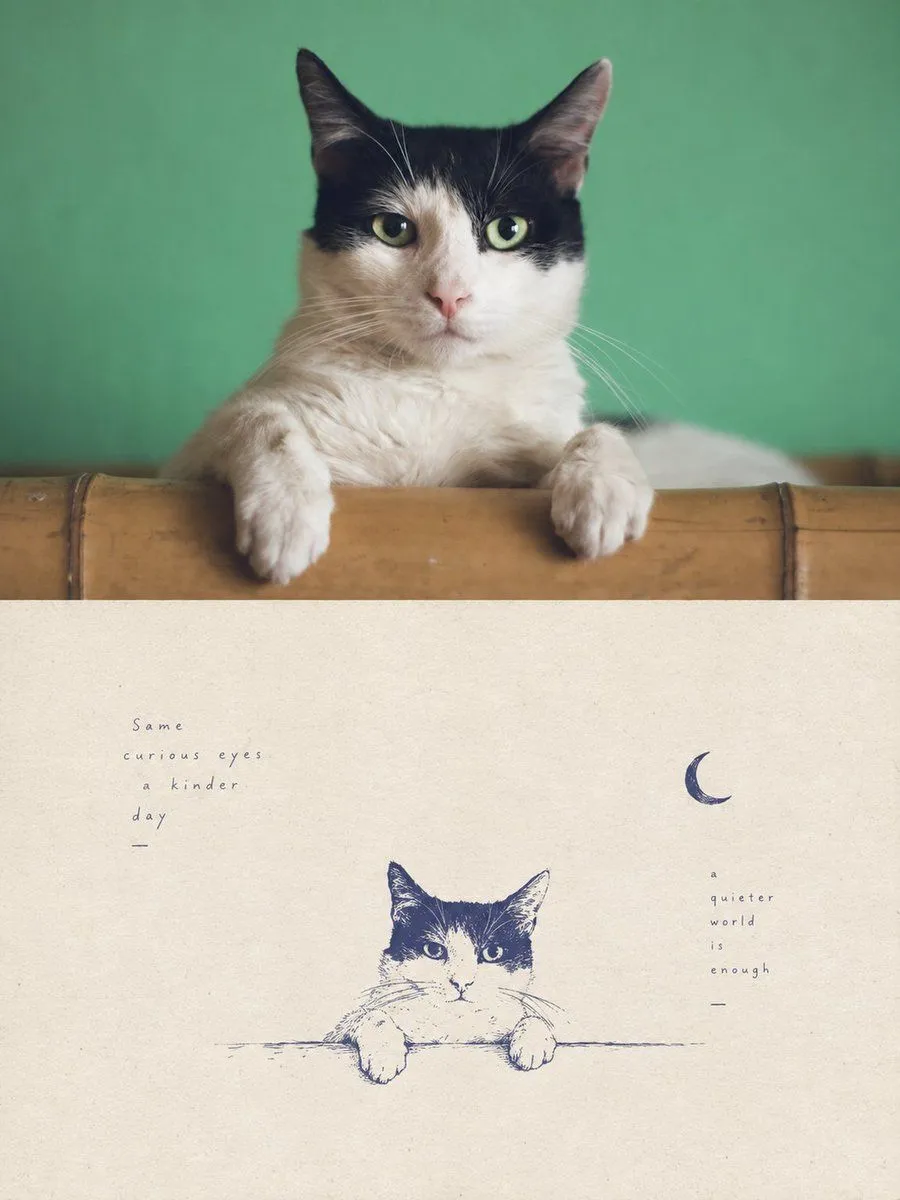
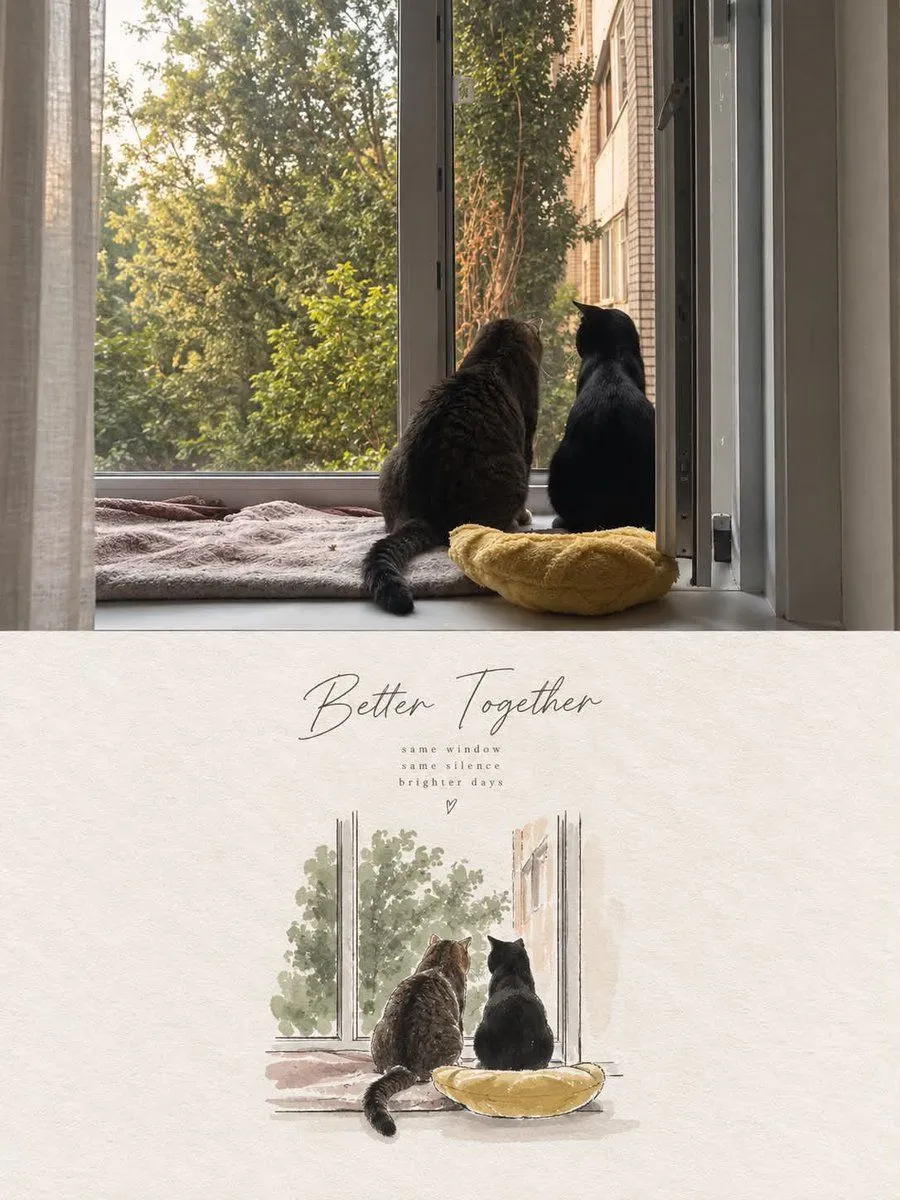
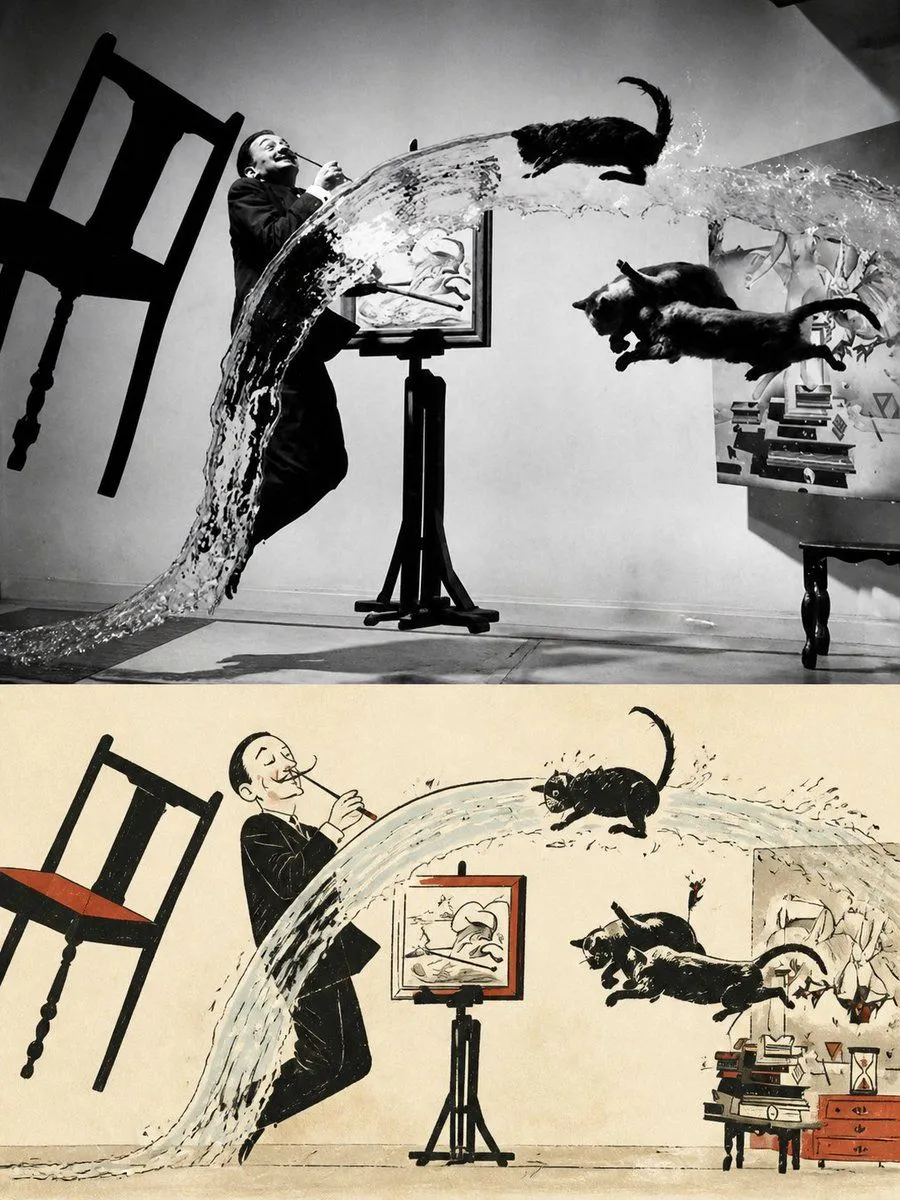
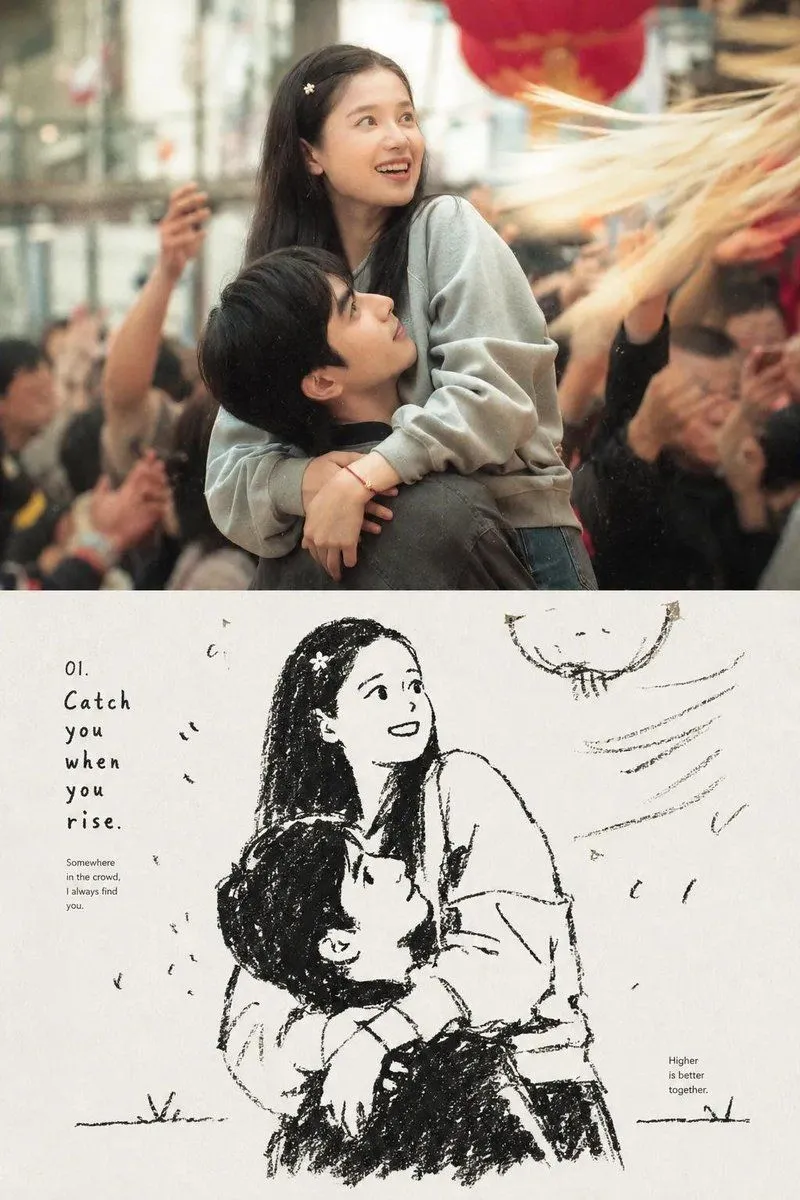
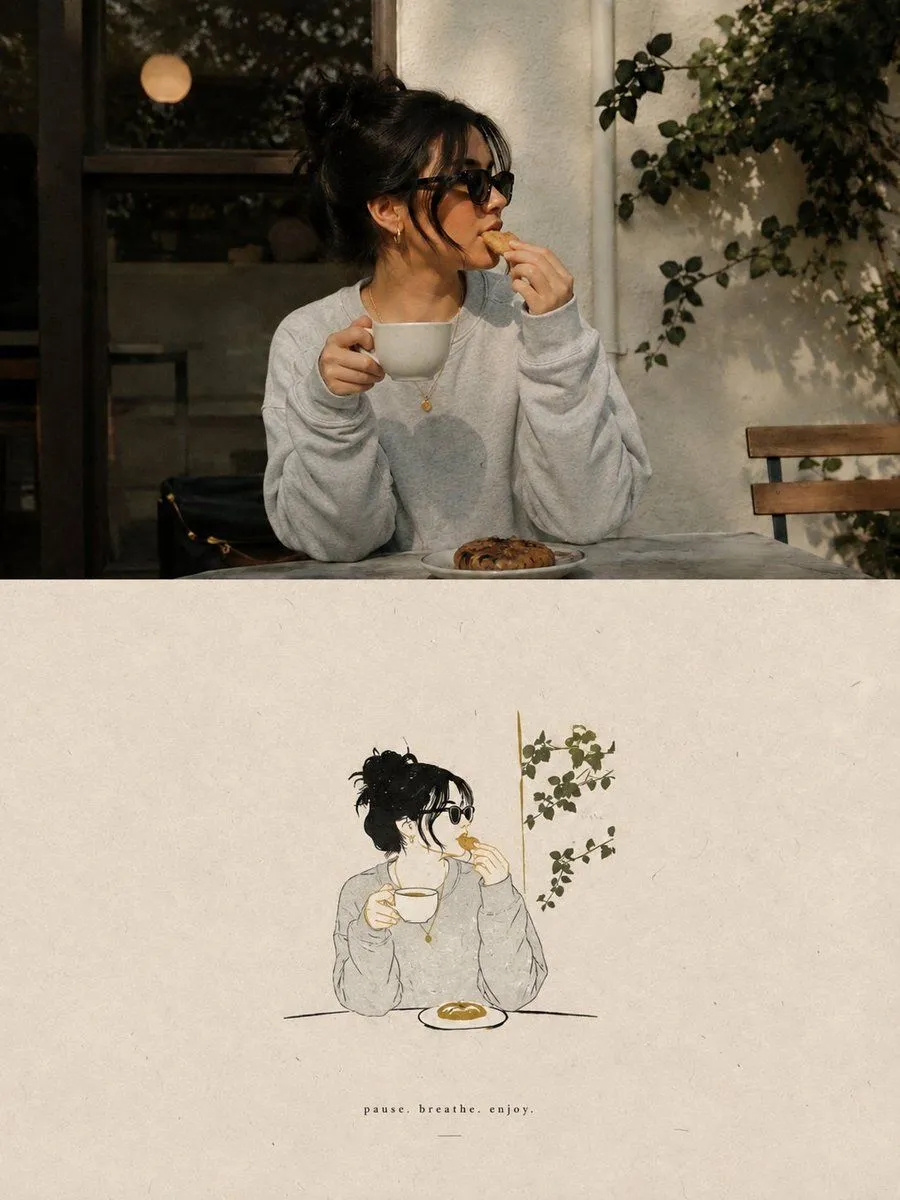
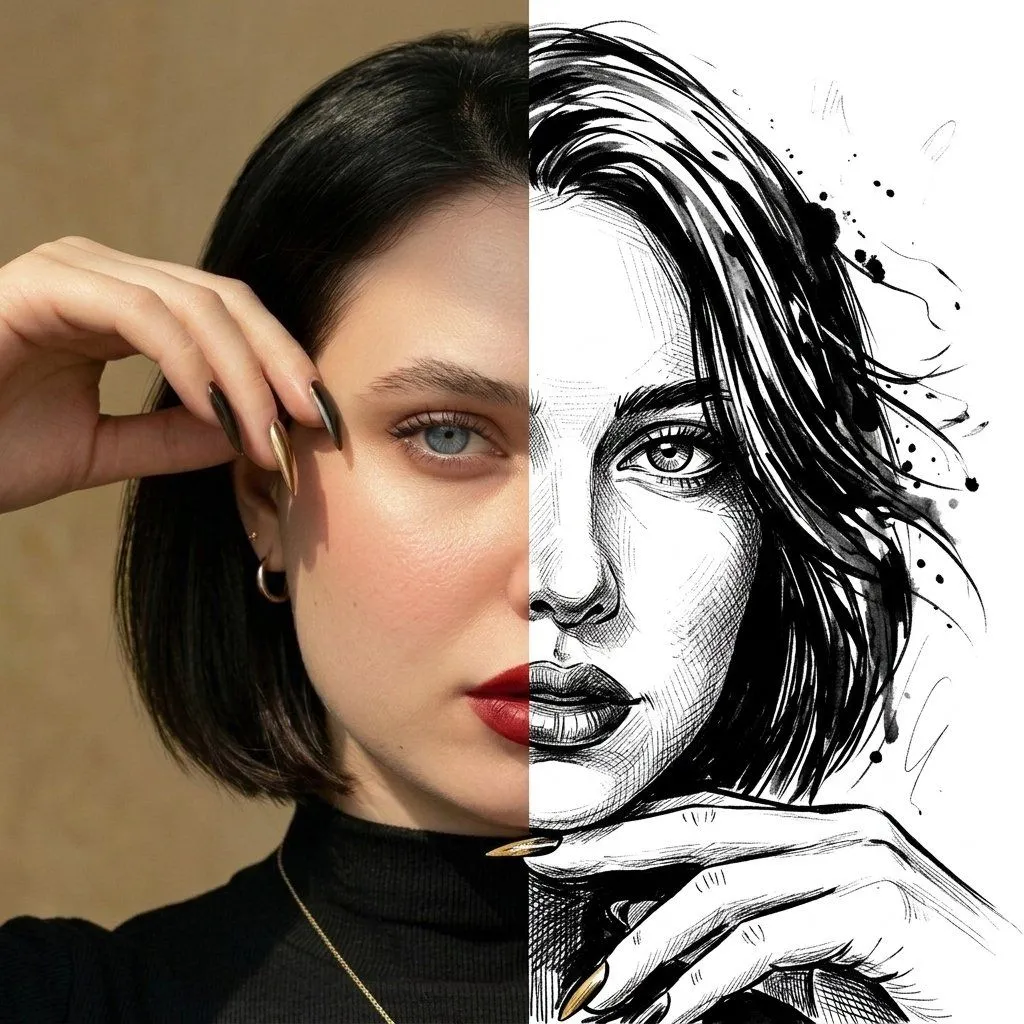
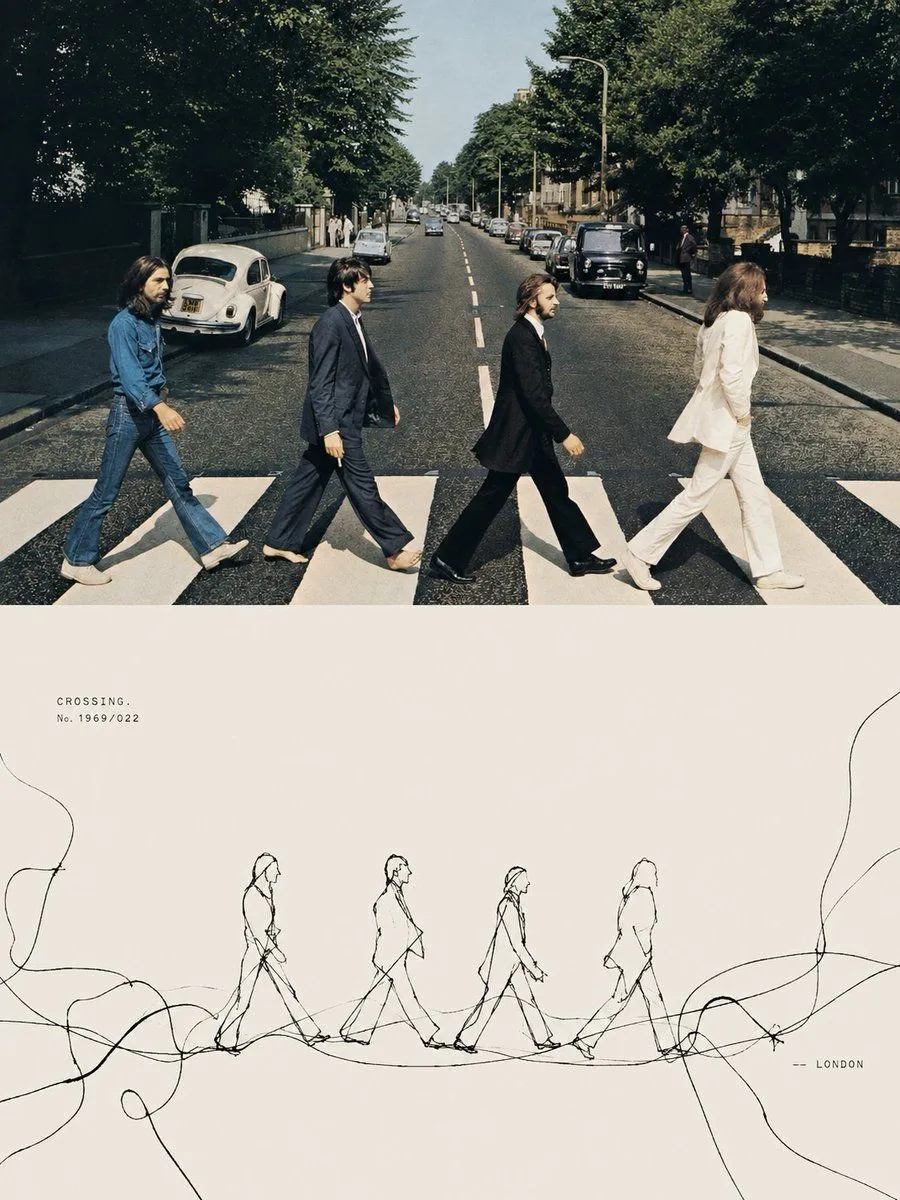
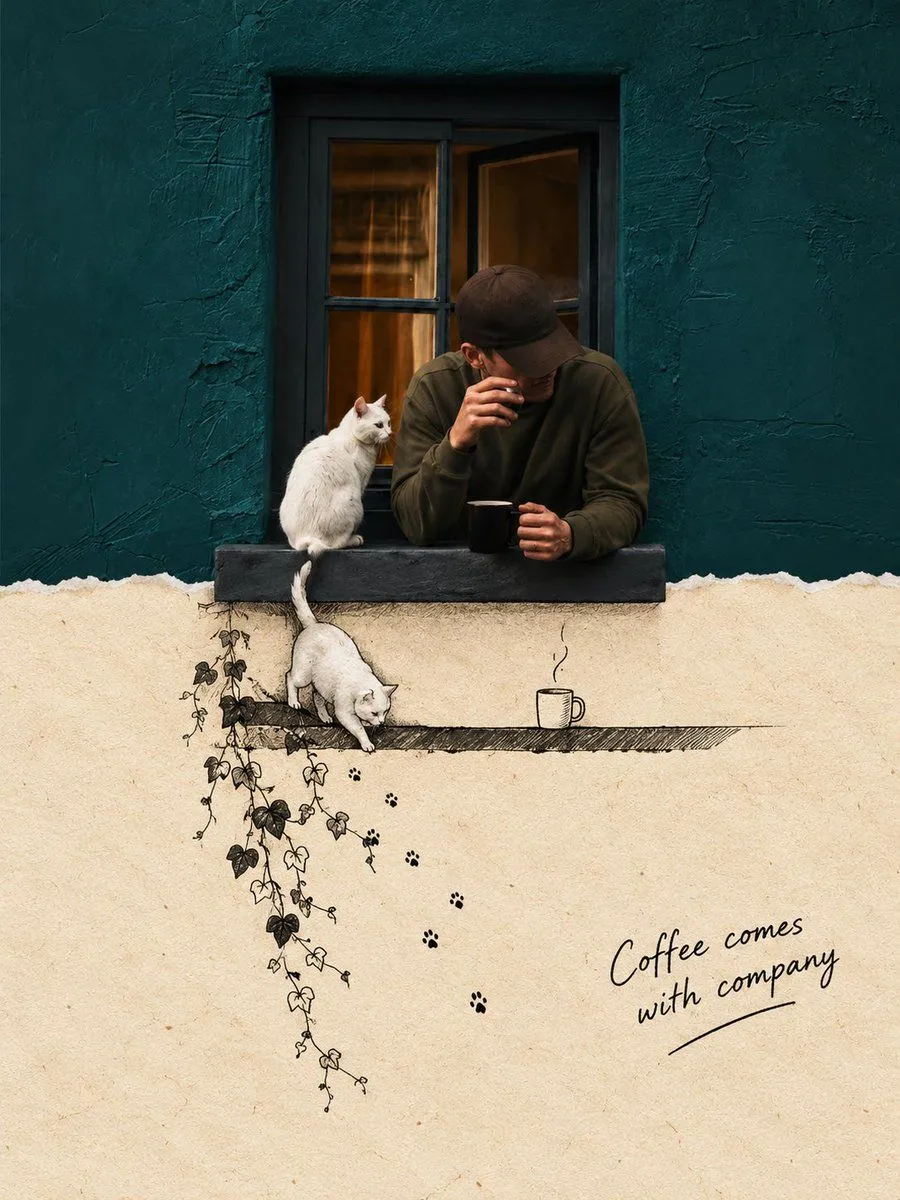
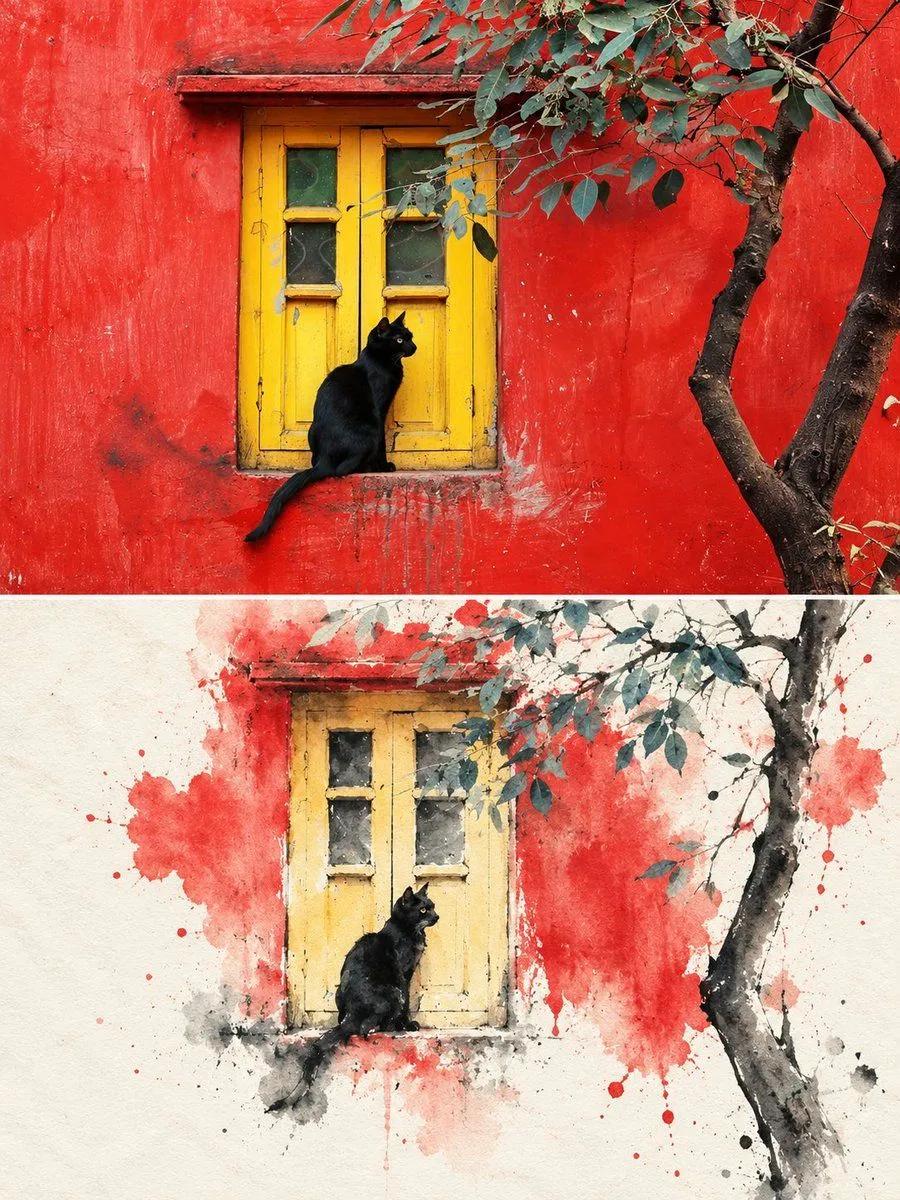
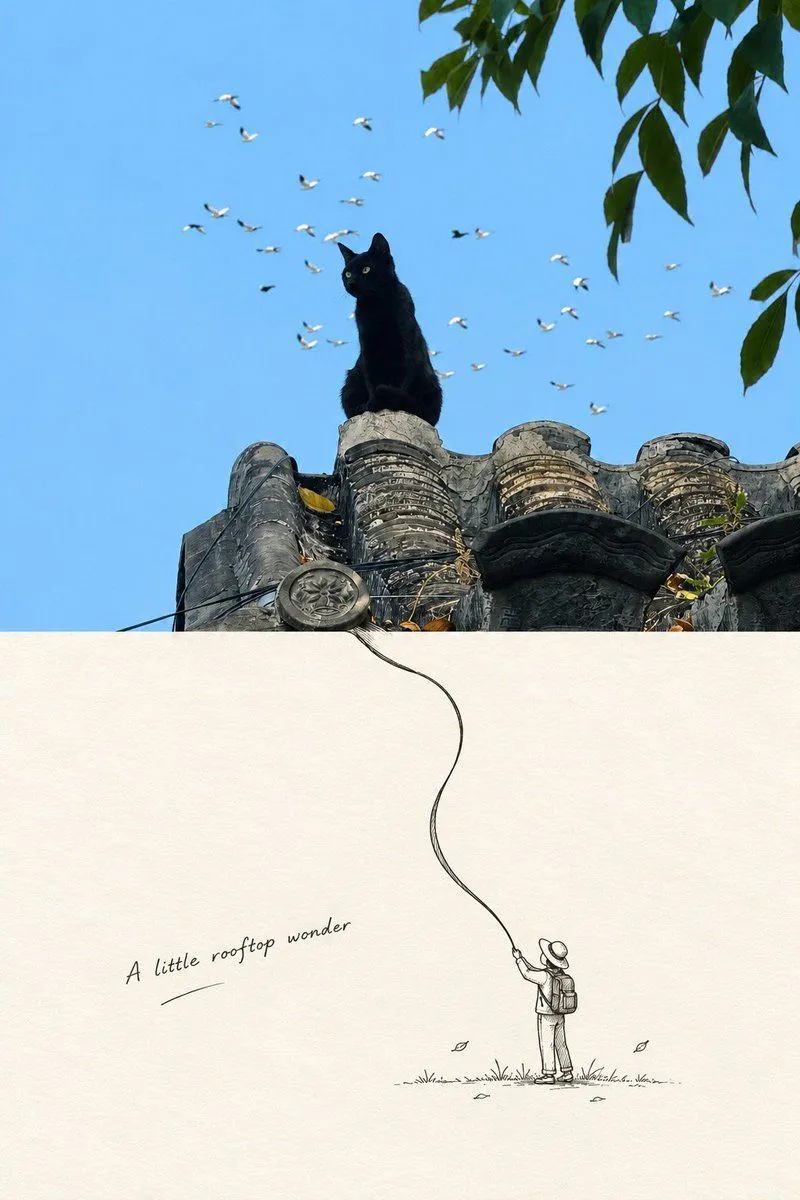
Photographic to Ink Wash Diptych Prompt

Made with GPT Image 2.5 in ChatGPT by Library Lifestyle. Promptclay never generates images.

Did it work?

No reports yet. Tell others if it worked for you.

No comments yet. Be the first.

    Photographic to Ink Wash Diptych Prompt

    GPT Image 2.53:4AI-generated

    Prompt

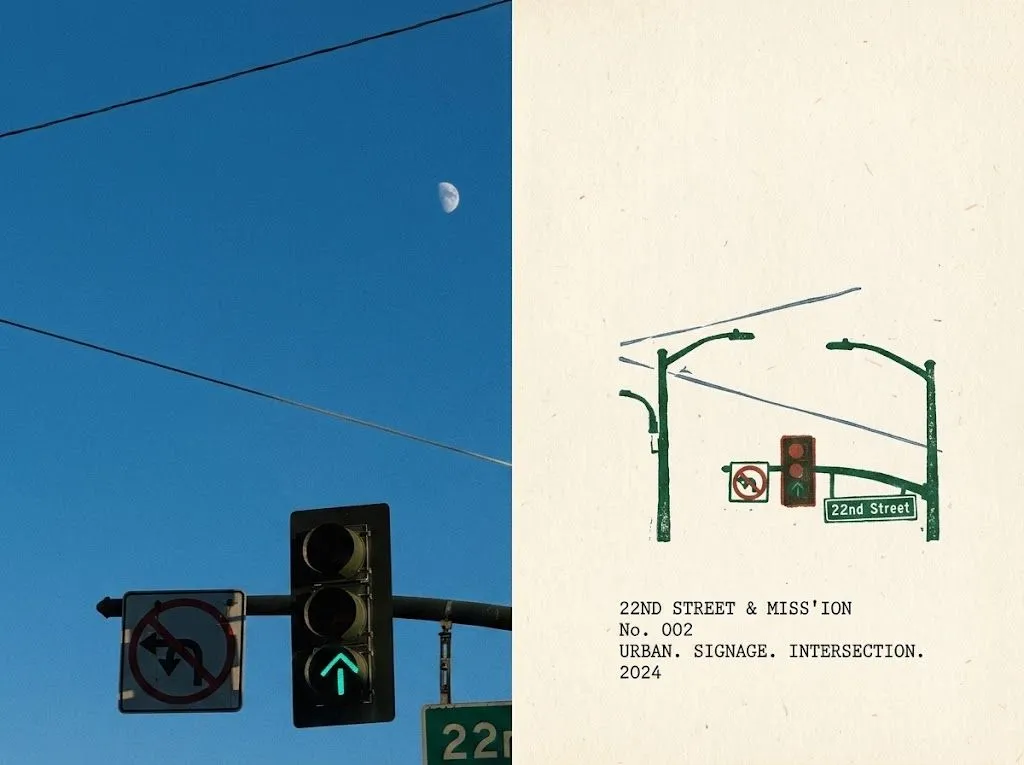
    Vertical 3:4 canvas split into two strictly equal horizontal halves: top 50% and bottom 50%. The upper half stays photographic; the lower half becomes the continued Second World. Together they must read as one scene. the UPPER HALF Keep the photo faithful. Preserve the subject, pose, spatial relationships, color atmosphere, and natural light. Do not redesign, repaint, replace, or restage it. Only necessary proportional cropping is allowed. CONTINUITY (highest priority) Identify one source structure that naturally reaches the center split: a road, shoreline, water, reflection, branch, beam of light, piece of architecture, or body movement. This structure must cross the boundary and continue into the lower half. The Second World begins from the photograph itself, so the same scene passes through the seam and simply changes its physical rules. TRANSITION EDGE The center may use an irregular torn-paper edge, but the tear must follow the source structure, never act as decoration. Source elements may touch, follow, break through, or extend beyond edge. Never force the same tear shape onto every image. The Second World LOWER HALF Ivory paper with subtle fibers and abundant negative space. Continue the chosen structure downward from the exact point where it meets the split, then reinterpret it with restrained photo fragments, cut-paper forms, and minimal black hand-drawn lines. The lower world must stay visibly attached Never isolate it as a separate portal, window, stage, platform, or floating vignette unless it clearly comes from the photo. SECOND WORLD LOGIC Ask: if this structure became touchable, usable, enterable, or changeable, what would it naturally become? Create one image-specific interaction. For example, water may stay attached while being pulled, a road may continue as a drawn path, or light may become something held. Do not repeat actions mechanically. FIGURES Add 0-3 tiny black line figures only when useful. They must physically interact with the continued structure. If the photo already contains strong human action, add none. Never use figures as decoration. World CAPTION One short handwritten English caption (2-6 words) based on the action. Natural, light, slightly witty. Spell it correctly. No inspirational quotes and no fixed "Same..., different..." phrasing. STYLE Real photography above, warm paper below, minimal black line doodles, subtle handmade collage texture, independent-magazine mood. Bright, airy, restrained. It should feel as if the Second was already hidden inside the photo and simply continued downward. NEGATIVE No detached lower-half illustration, no generic torn-paper template, no isolated portal, no unrelated vignette, no broken continuity, no dense illustration, no random decoration, no crowd, altered photo colors, no redesign of the upper image, no glossy 3D, no scrapbook clutter, no gibberish text, no watermark, no logo, no UI.

    Works in
    ChatGPT, Gemini
    Status
    Free to copy
    0
    DetailsVersions, settings and questions

    Written for

    What's in the prompt

    Subject
    Model
    GPT Image 2.5

    If your face changes

    keep my face exactly the same

    Questions

    Does this work in the ChatGPT app?
    Yes. Paste the prompt and attach your photo if it uses one.
    It changed my face. What do I do?
    Add "keep my face exactly the same" to the end and run it again.
    Can I use the images I make?
    Check the terms of the app you use. Promptclay never generates images and claims nothing you make.
    Similar prompts

    See more
    • Photo to Ink Wash Split Frame Prompt
    • Minimalist Editorial Art Poster with Photo and Ink Illustration Split
    • Tuxedo Cat Photo and Line Art Diptych
    • Watercolor Editorial Layout Prompt
    • Surreal Photo to Watercolor Diptych
    • Photo to Magazine Sketch Conversion
    • Editorial Photo-to-Sketch Artbook Page
    • Split Face Photo and Ink Illustration
    • Tension Line Art Concept Poster
    • Black-and-White Windowsill Portrait
    • Cat Photo to Geometric Poster
    • Split Portrait Editorial Photography
    • Poetic Minimal Illustration Template
    • Underwater Kiss Diptych with Digital Camera Screen
    • 2D Digital Painting Prompt for Intimate Cafe Scene
    • Abstract Chaos Character Art
    • Advanced Product Photography Prompt for GPT Image 1.5
    • Hyper-Realistic Two-Panel iPhone Portrait Prompt
    • Urban Intersection Photo and Sketch Diptych
    • Cinematic Giant Cat Chasing Tiny Woman
    • Low-angle man with hood scarf and cat on head
    • Lady Death Fighting Demons
    • Mystic Ruins Platformer Screenshot
    • Zelda-Style Game UI Screenshot

    Show more

    Run it on your phone

    1. Prompt copiedRead it

      Vertical 3:4 canvas split into two strictly equal horizontal halves: top 50% and bottom 50%. The upper half stays photographic; the lower half becomes the continued Second World. Together they must read as one scene. the UPPER HALF Keep the photo faithful. Preserve the subject, pose, spatial relationships, color atmosphere, and natural light. Do not redesign, repaint, replace, or restage it. Only necessary proportional cropping is allowed. CONTINUITY (highest priority) Identify one source structure that naturally reaches the center split: a road, shoreline, water, reflection, branch, beam of light, piece of architecture, or body movement. This structure must cross the boundary and continue into the lower half. The Second World begins from the photograph itself, so the same scene passes through the seam and simply changes its physical rules. TRANSITION EDGE The center may use an irregular torn-paper edge, but the tear must follow the source structure, never act as decoration. Source elements may touch, follow, break through, or extend beyond edge. Never force the same tear shape onto every image. The Second World LOWER HALF Ivory paper with subtle fibers and abundant negative space. Continue the chosen structure downward from the exact point where it meets the split, then reinterpret it with restrained photo fragments, cut-paper forms, and minimal black hand-drawn lines. The lower world must stay visibly attached Never isolate it as a separate portal, window, stage, platform, or floating vignette unless it clearly comes from the photo. SECOND WORLD LOGIC Ask: if this structure became touchable, usable, enterable, or changeable, what would it naturally become? Create one image-specific interaction. For example, water may stay attached while being pulled, a road may continue as a drawn path, or light may become something held. Do not repeat actions mechanically. FIGURES Add 0-3 tiny black line figures only when useful. They must physically interact with the continued structure. If the photo already contains strong human action, add none. Never use figures as decoration. World CAPTION One short handwritten English caption (2-6 words) based on the action. Natural, light, slightly witty. Spell it correctly. No inspirational quotes and no fixed "Same..., different..." phrasing. STYLE Real photography above, warm paper below, minimal black line doodles, subtle handmade collage texture, independent-magazine mood. Bright, airy, restrained. It should feel as if the Second was already hidden inside the photo and simply continued downward. NEGATIVE No detached lower-half illustration, no generic torn-paper template, no isolated portal, no unrelated vignette, no broken continuity, no dense illustration, no random decoration, no crowd, altered photo colors, no redesign of the upper image, no glossy 3D, no scrapbook clutter, no gibberish text, no watermark, no logo, no UI.

    2. Open your app

      This prompt is long, so it is copied instead of sent in the link. Paste it in the app.

    3. Paste and run

      Press and hold the message box, then tap Paste. Add your photo first if the prompt uses one. You may need to sign in.

    Photographic to Ink Wash Diptych Prompt