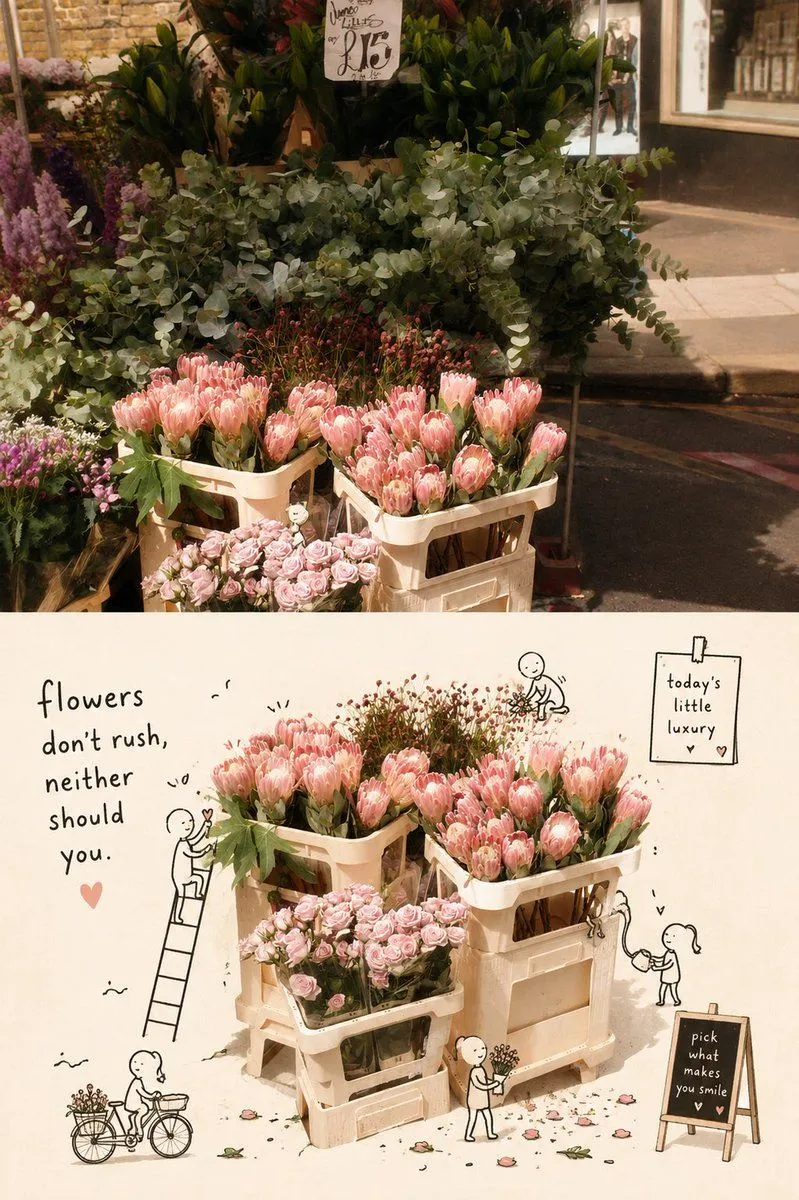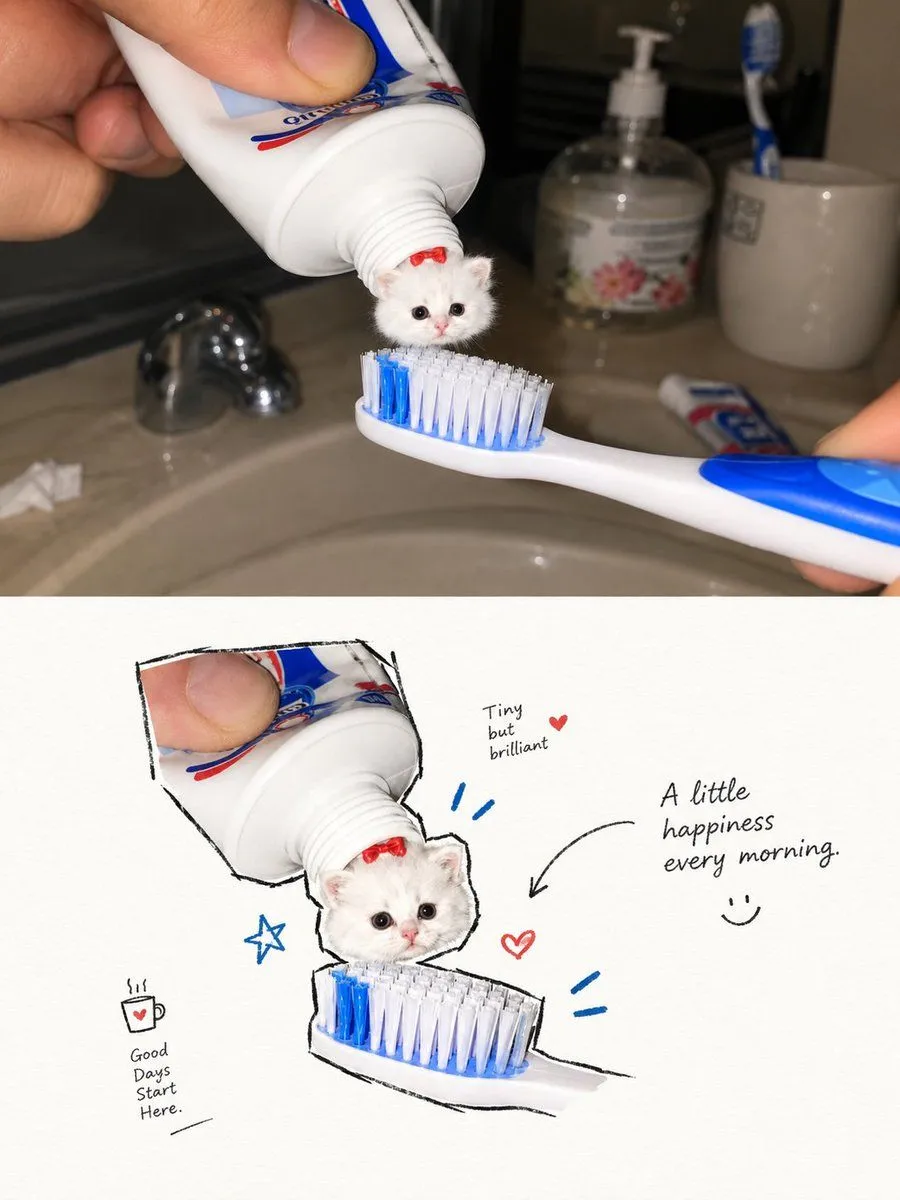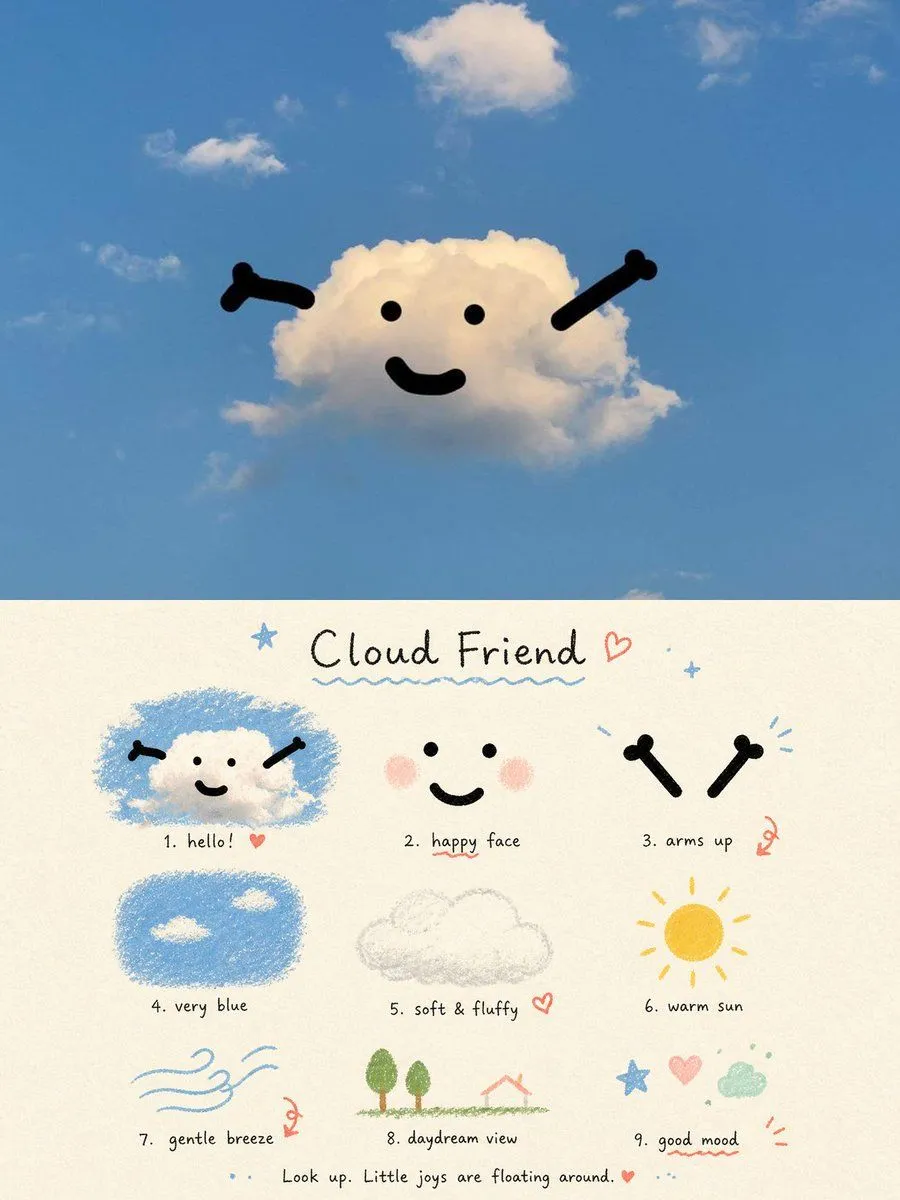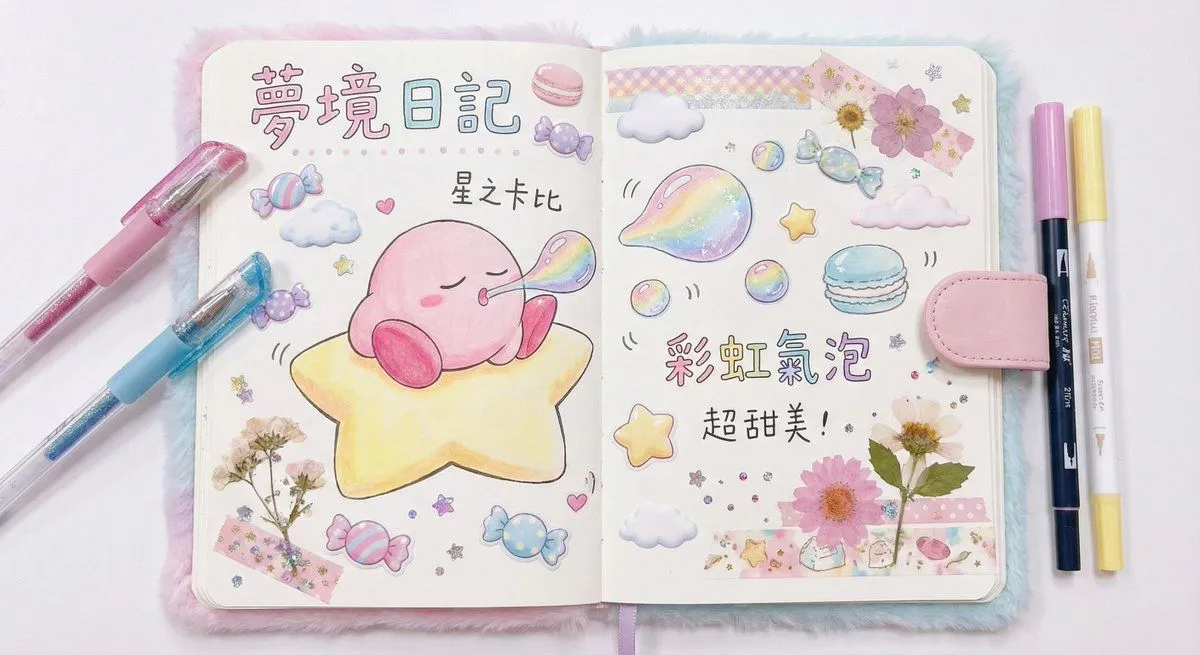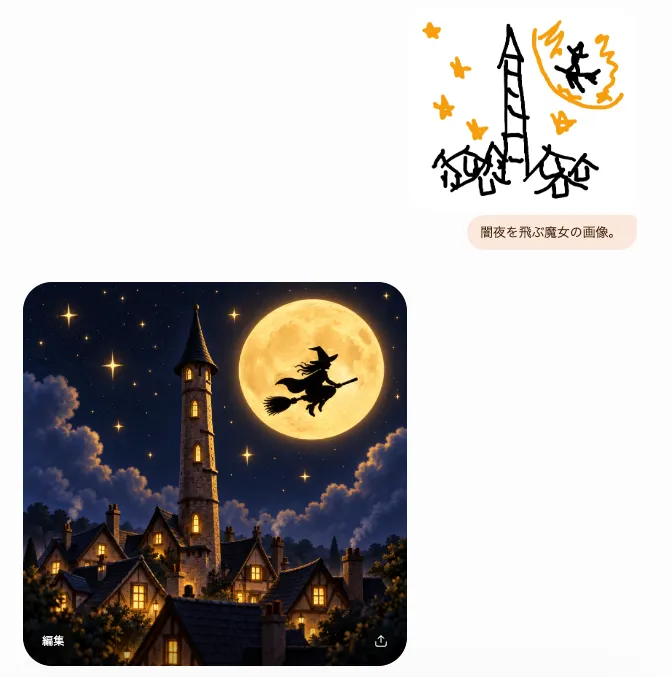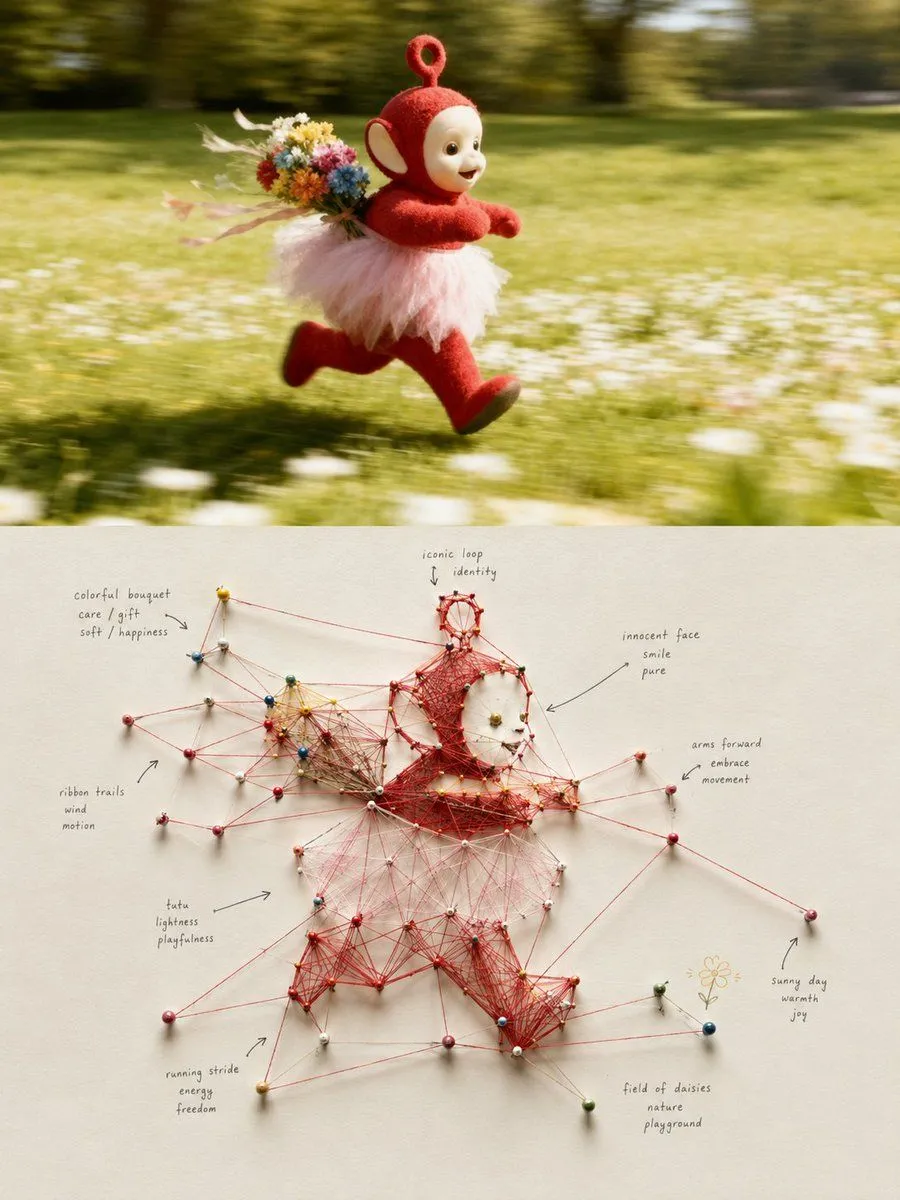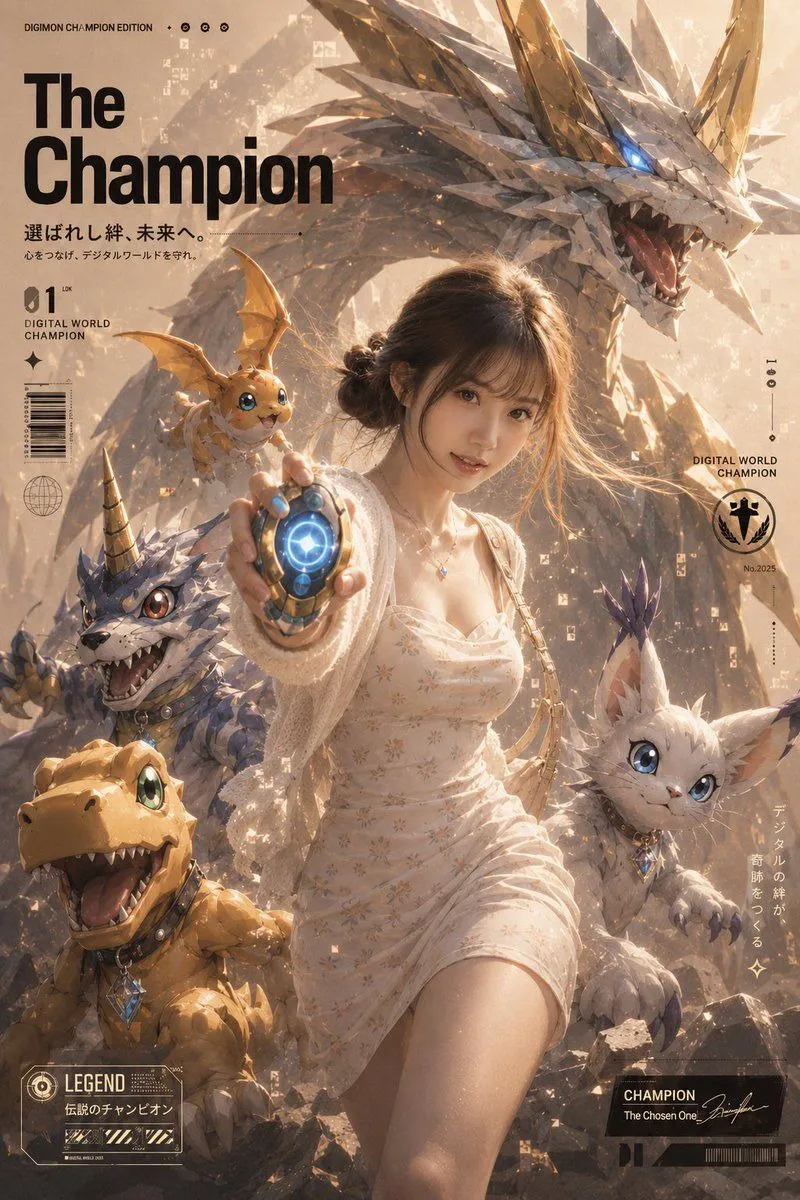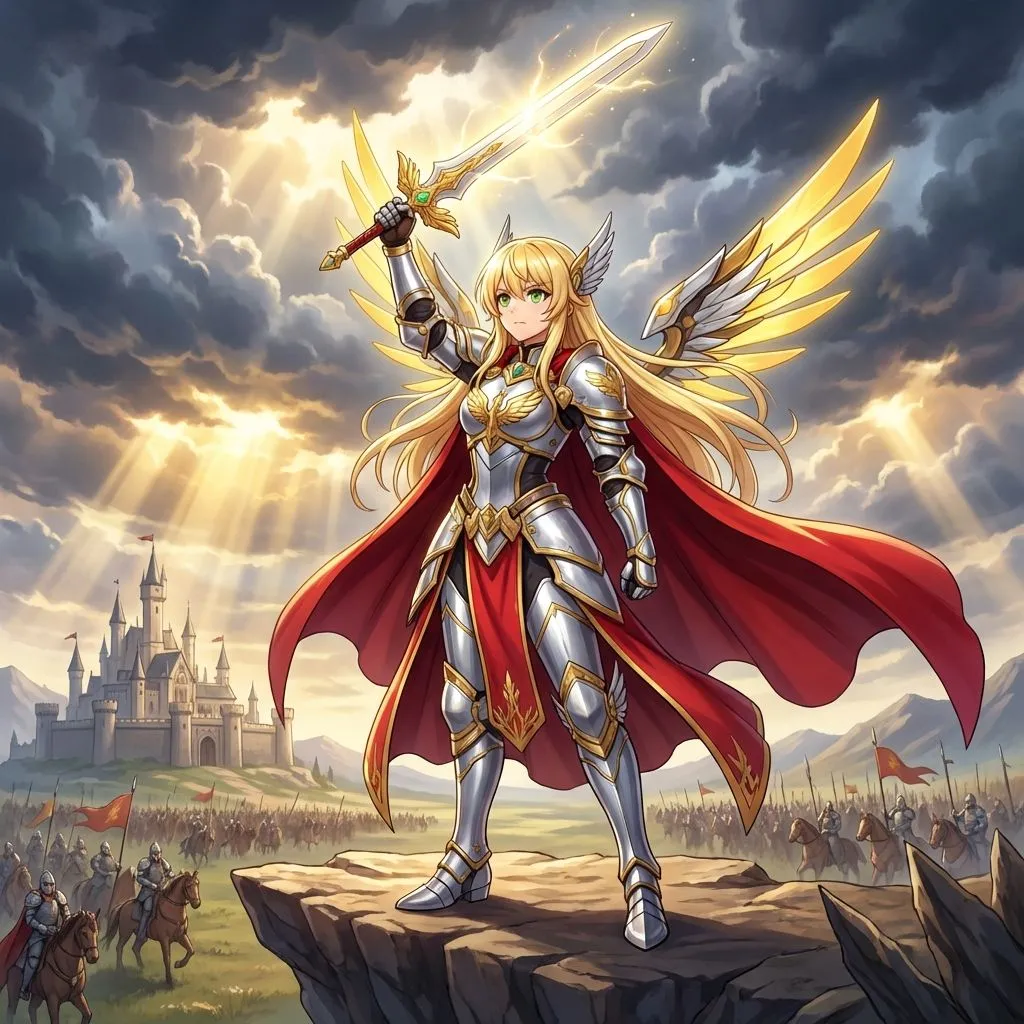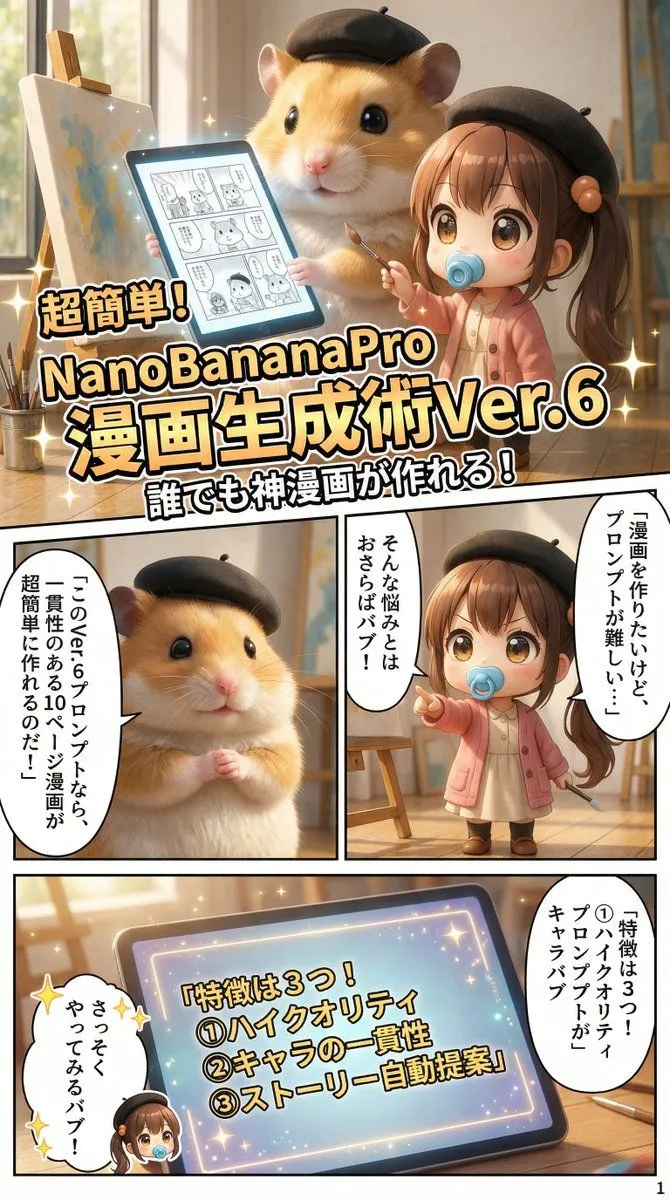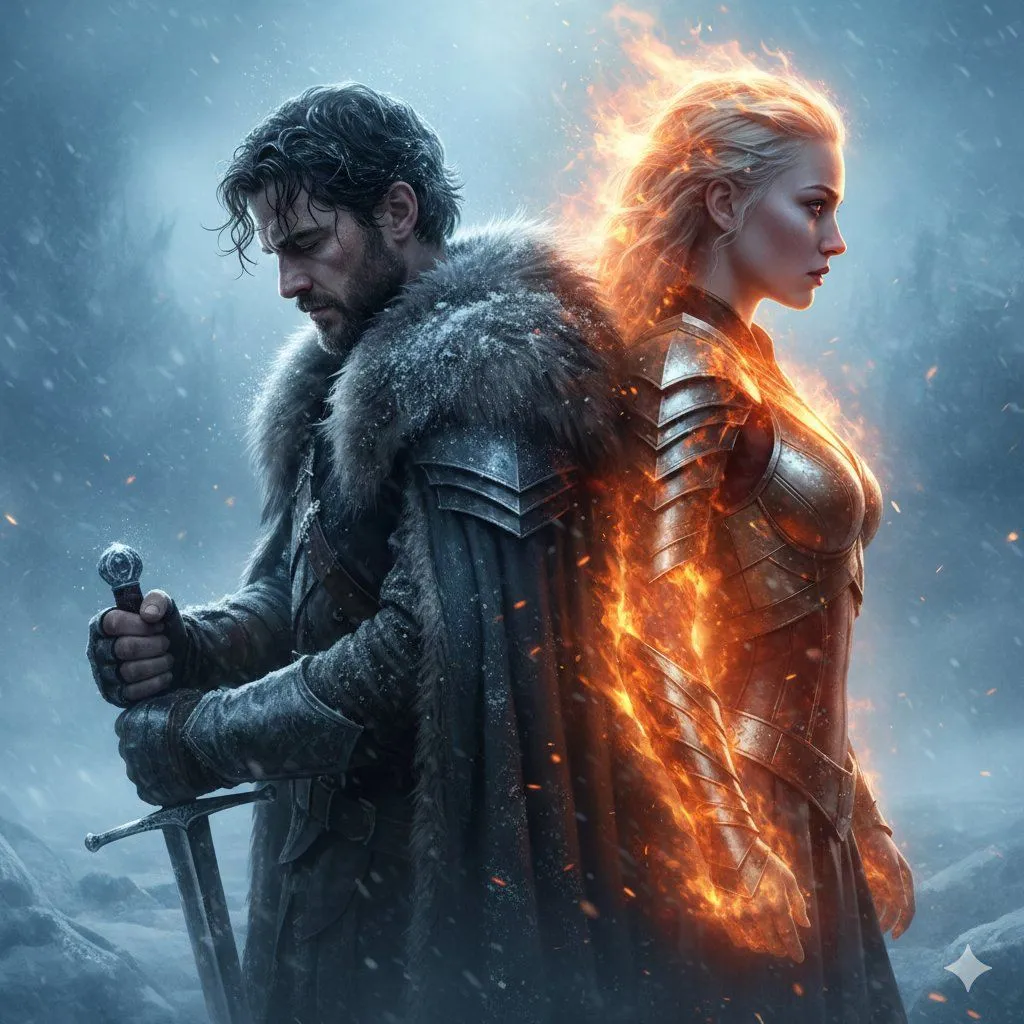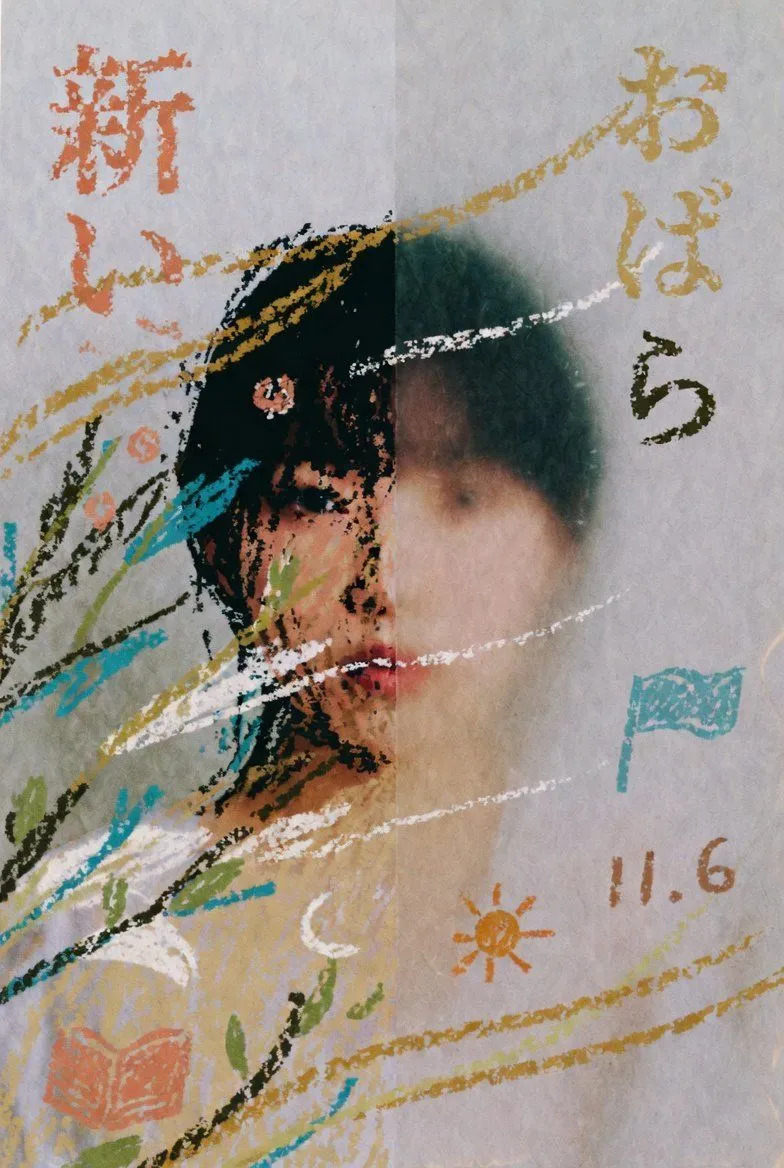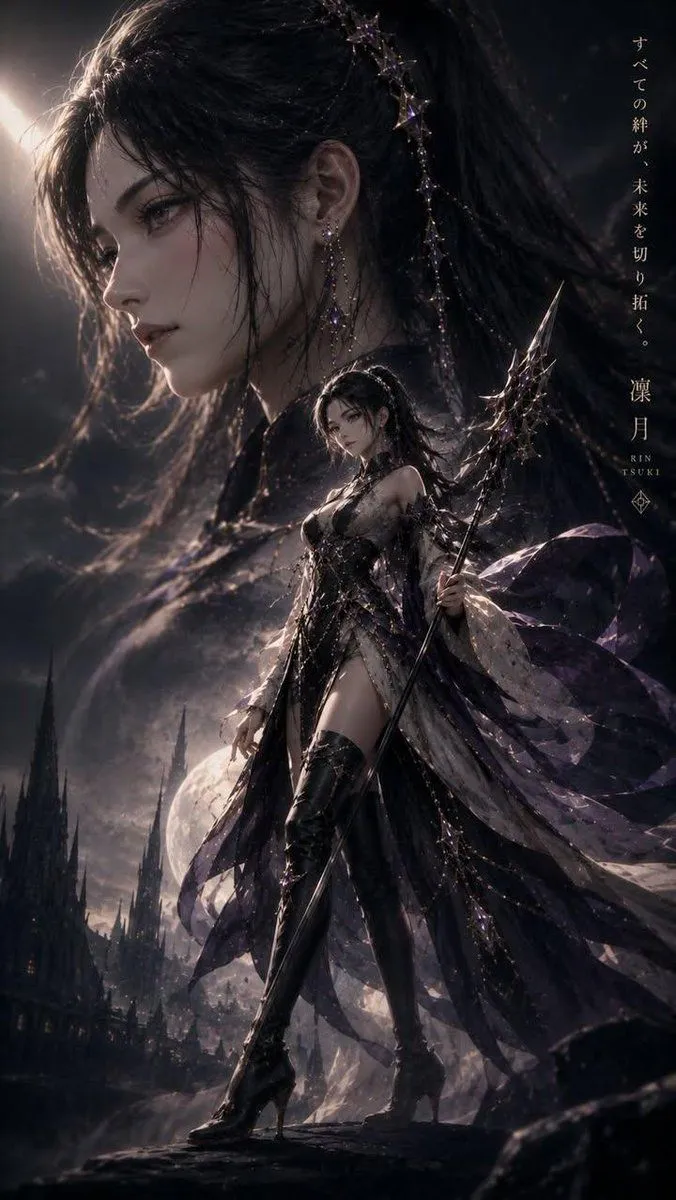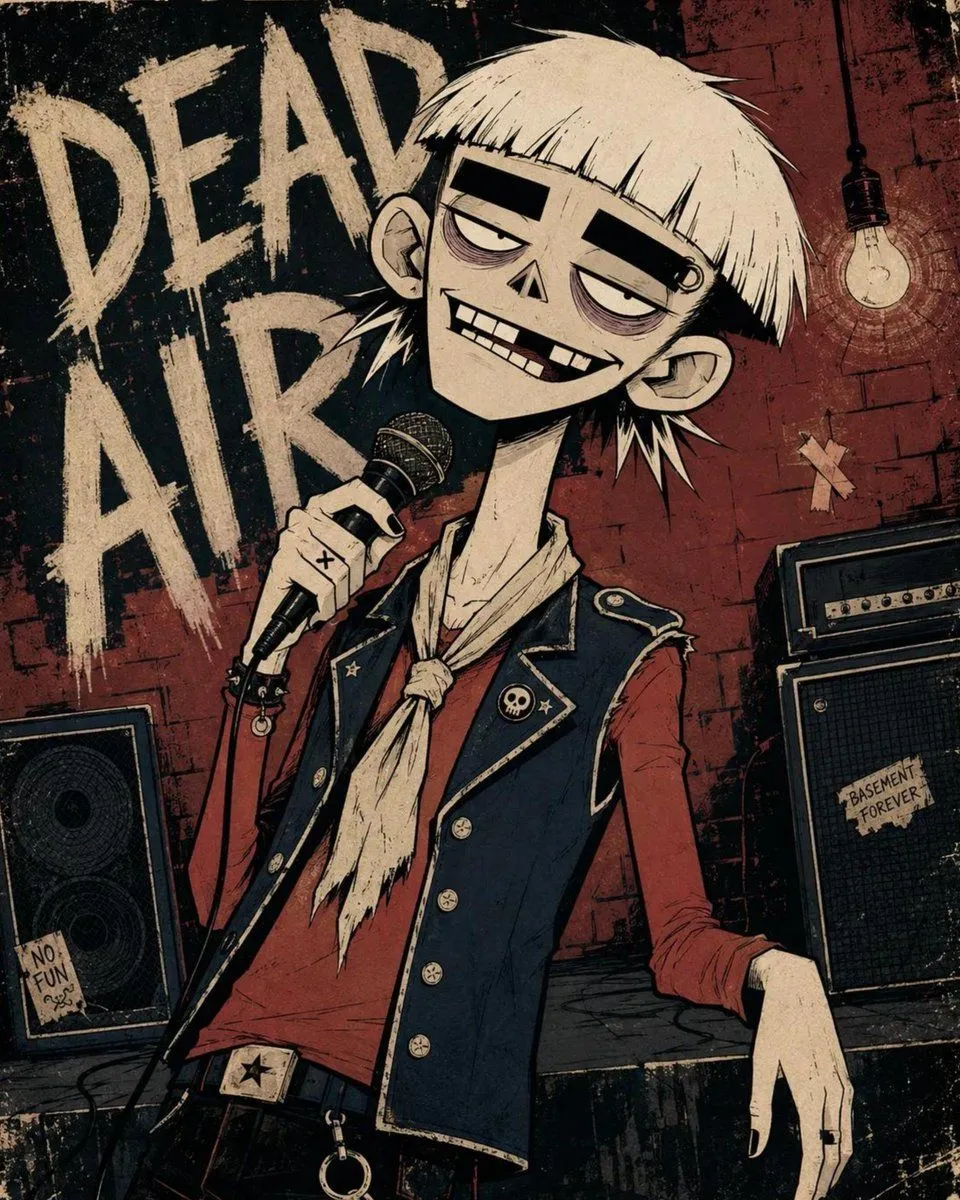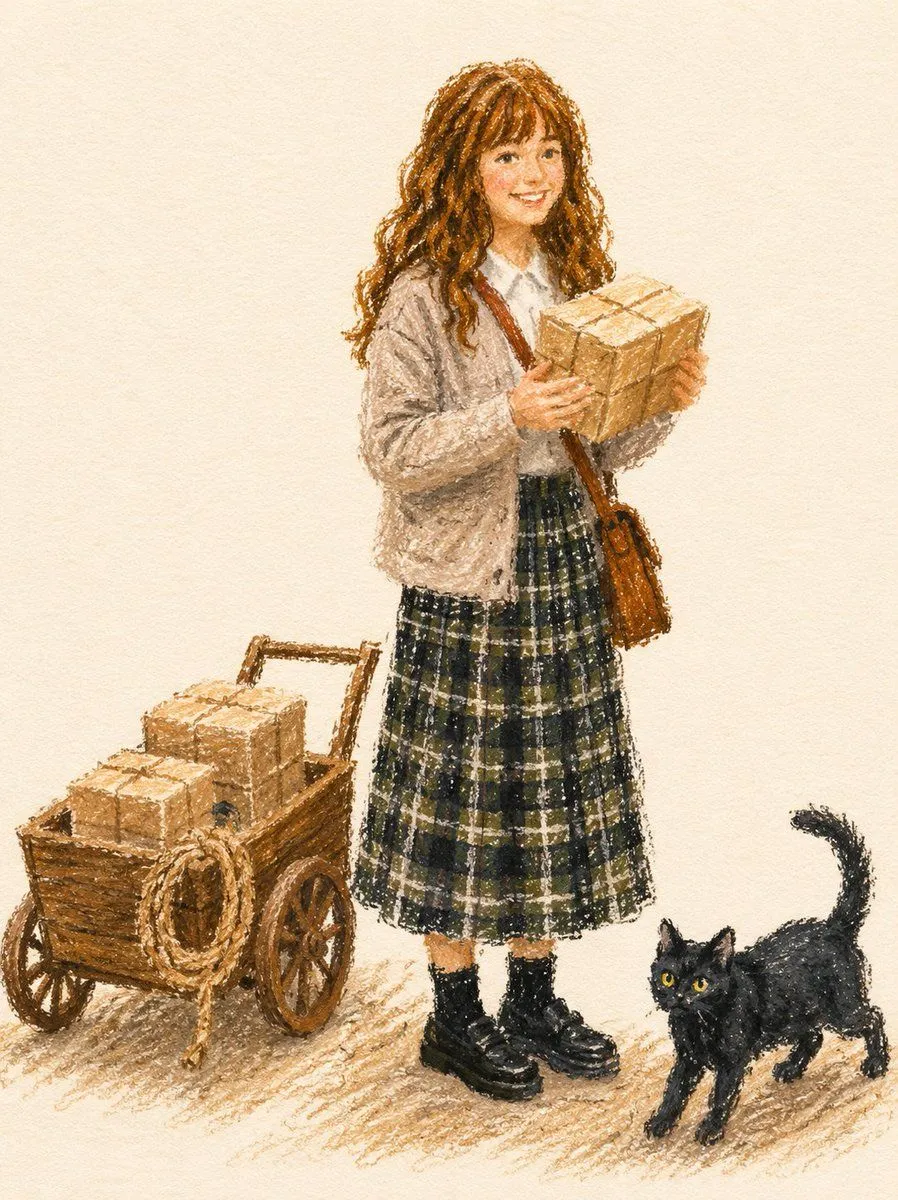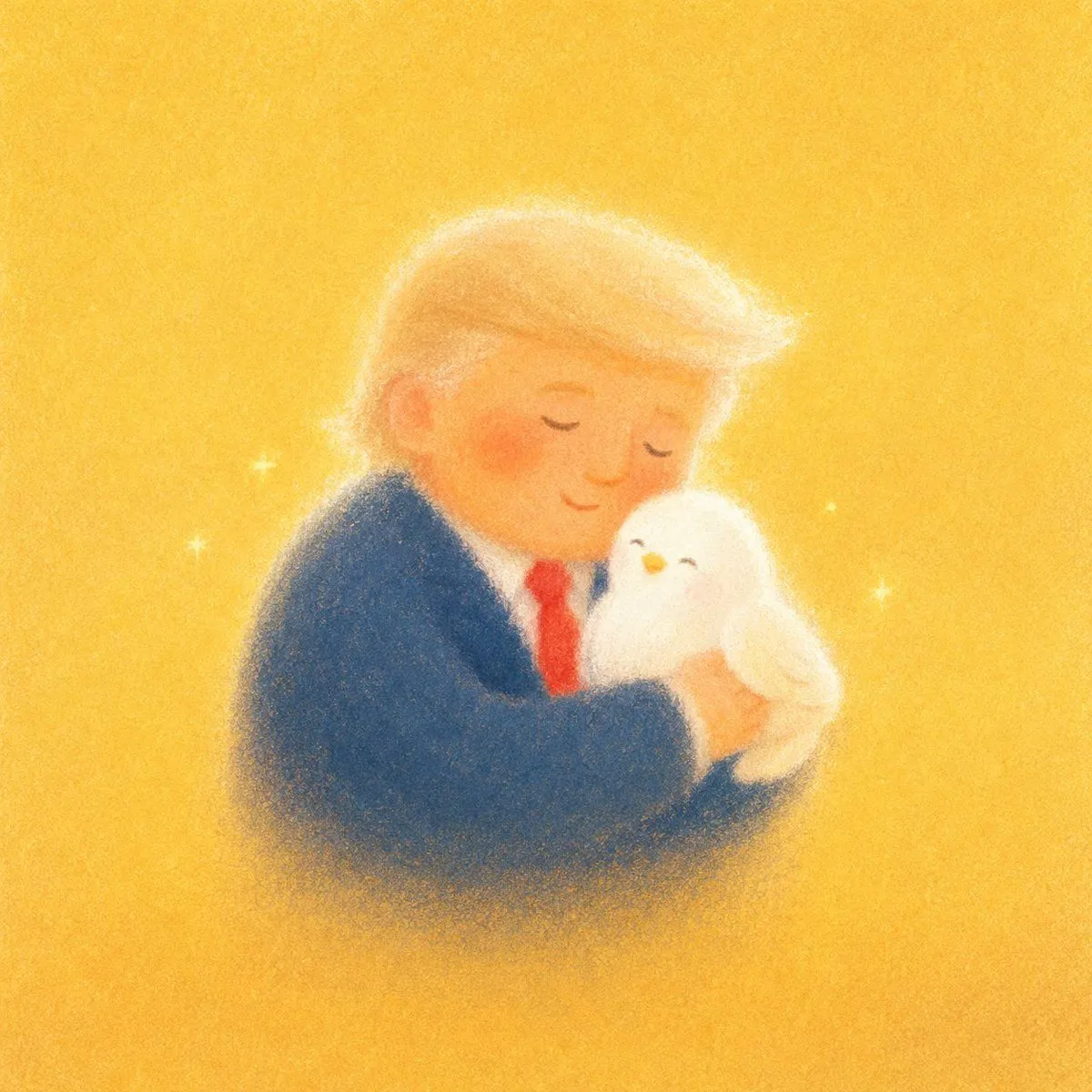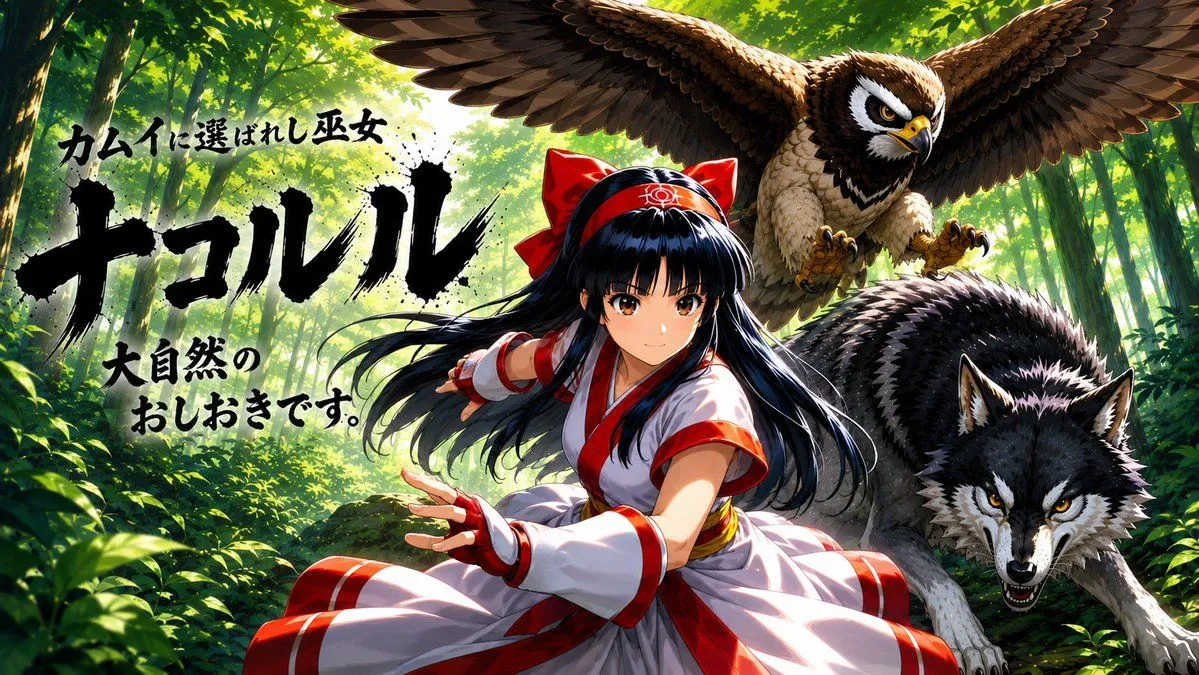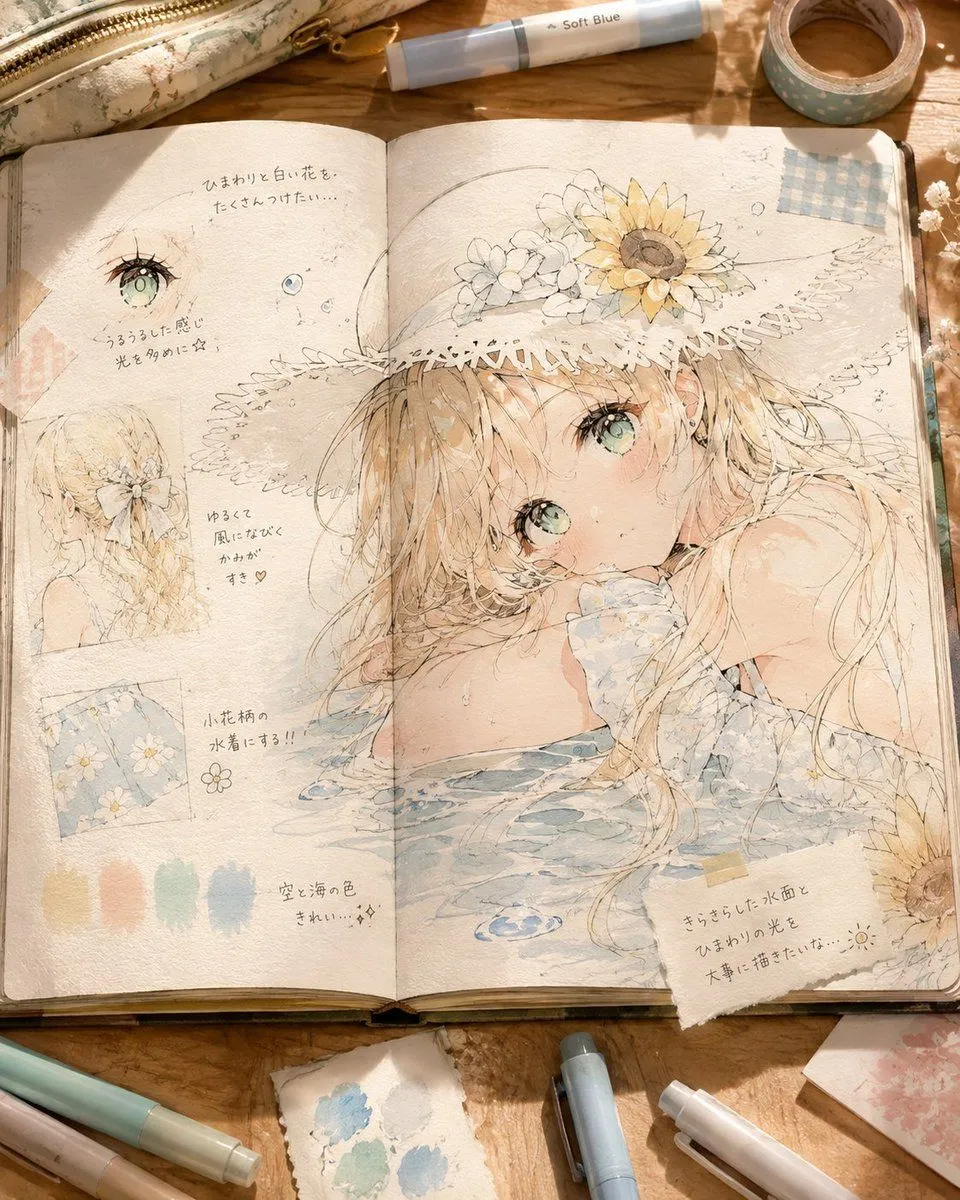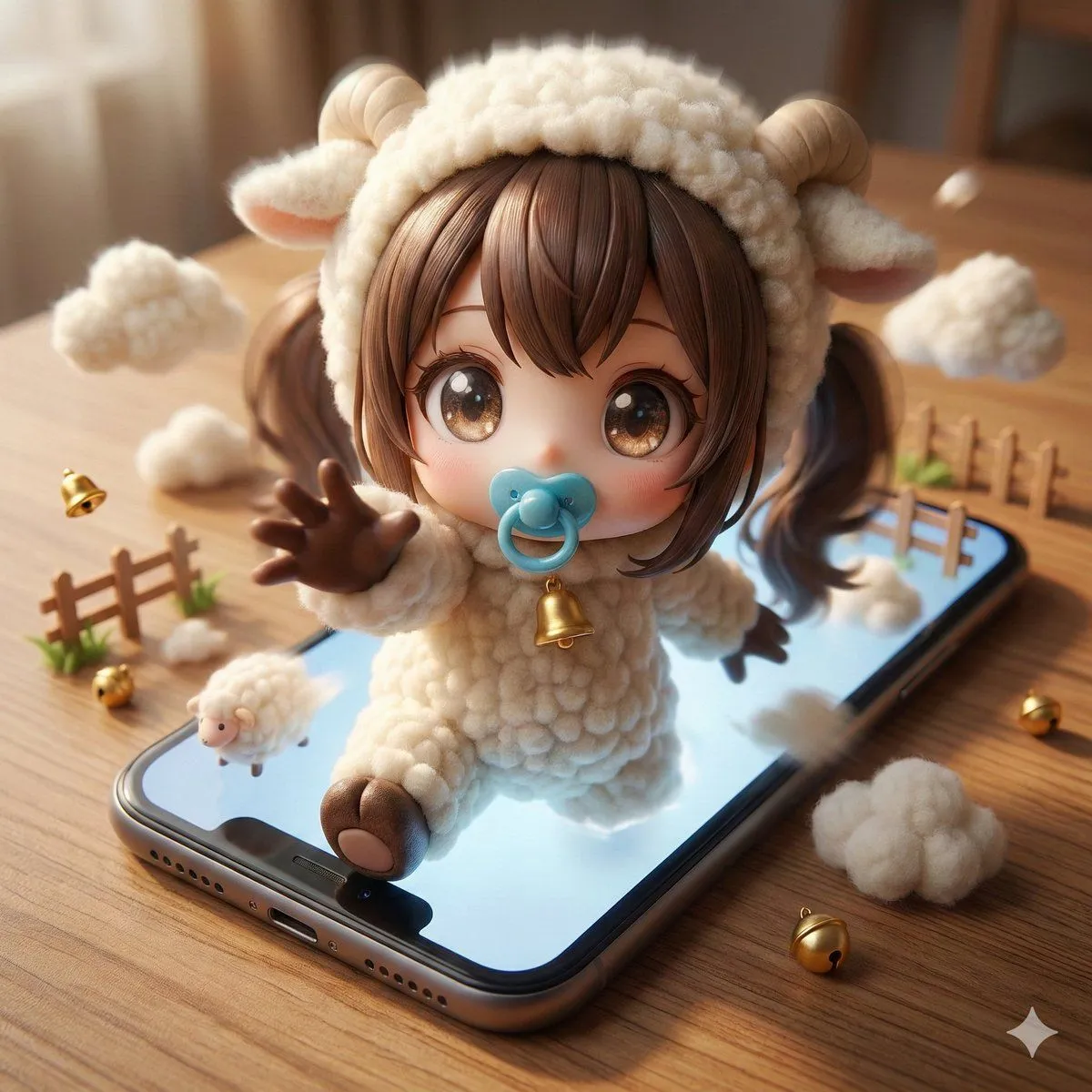
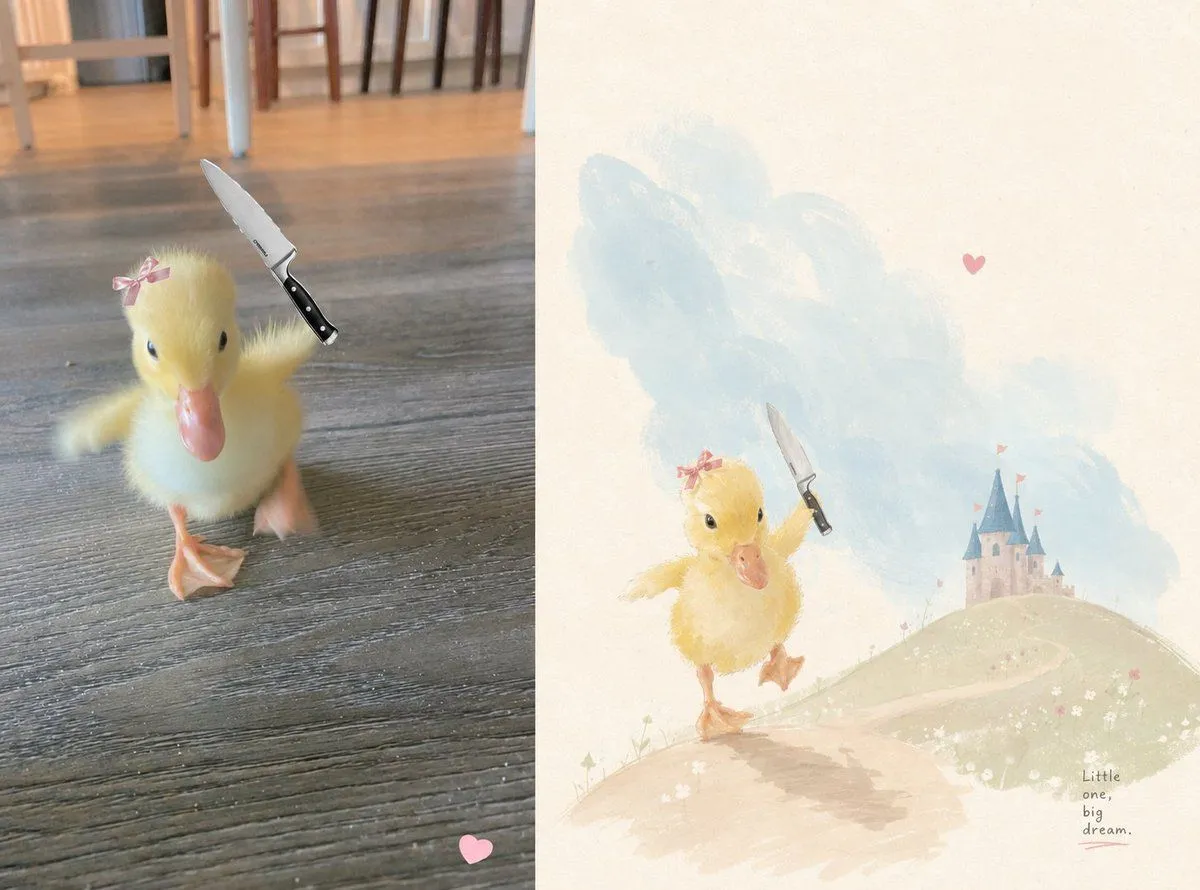
Made with GPT Image 2 in ChatGPT, collected by Library Typography. Promptclay never generates images.
Did it work?
No reports yet. Tell others if it worked for you.
Hand-Drawn Narrative Poster Style
Prompt
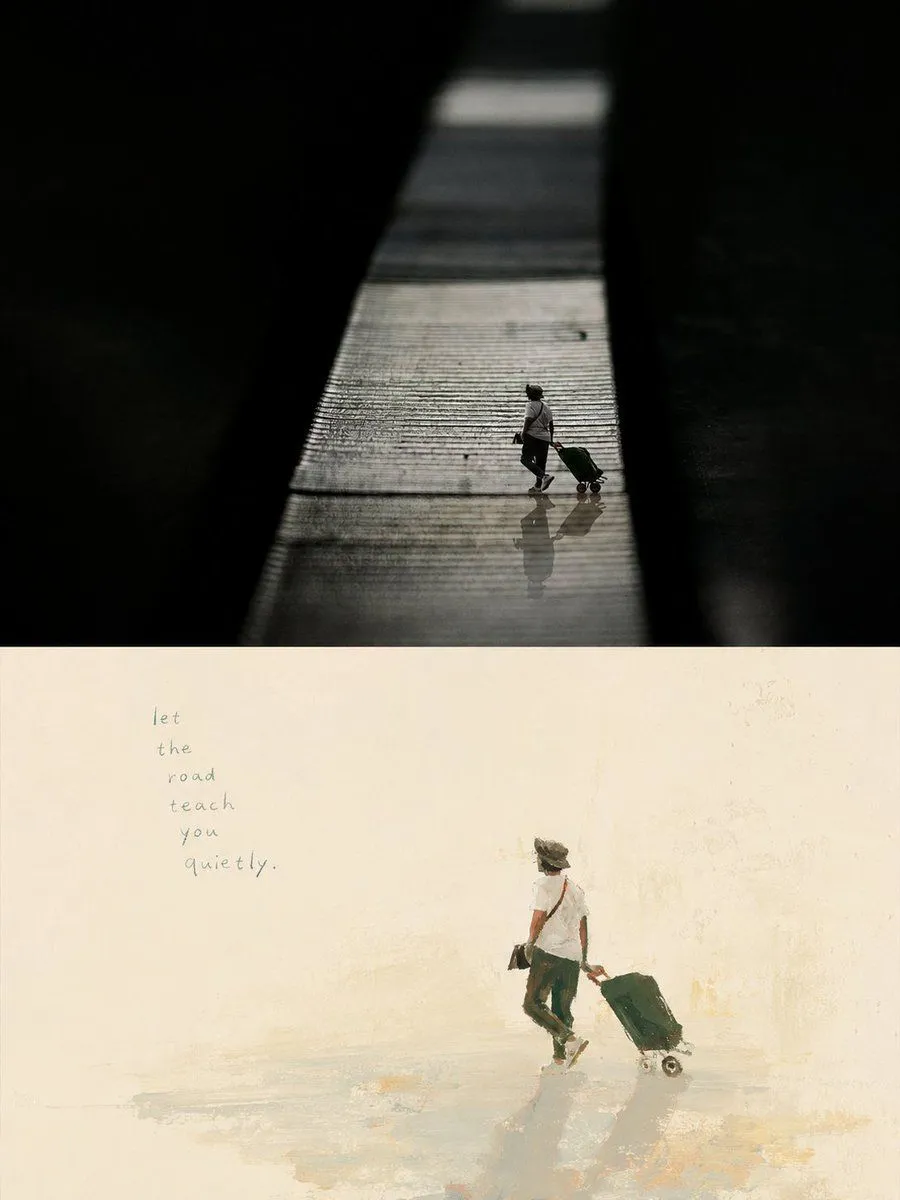
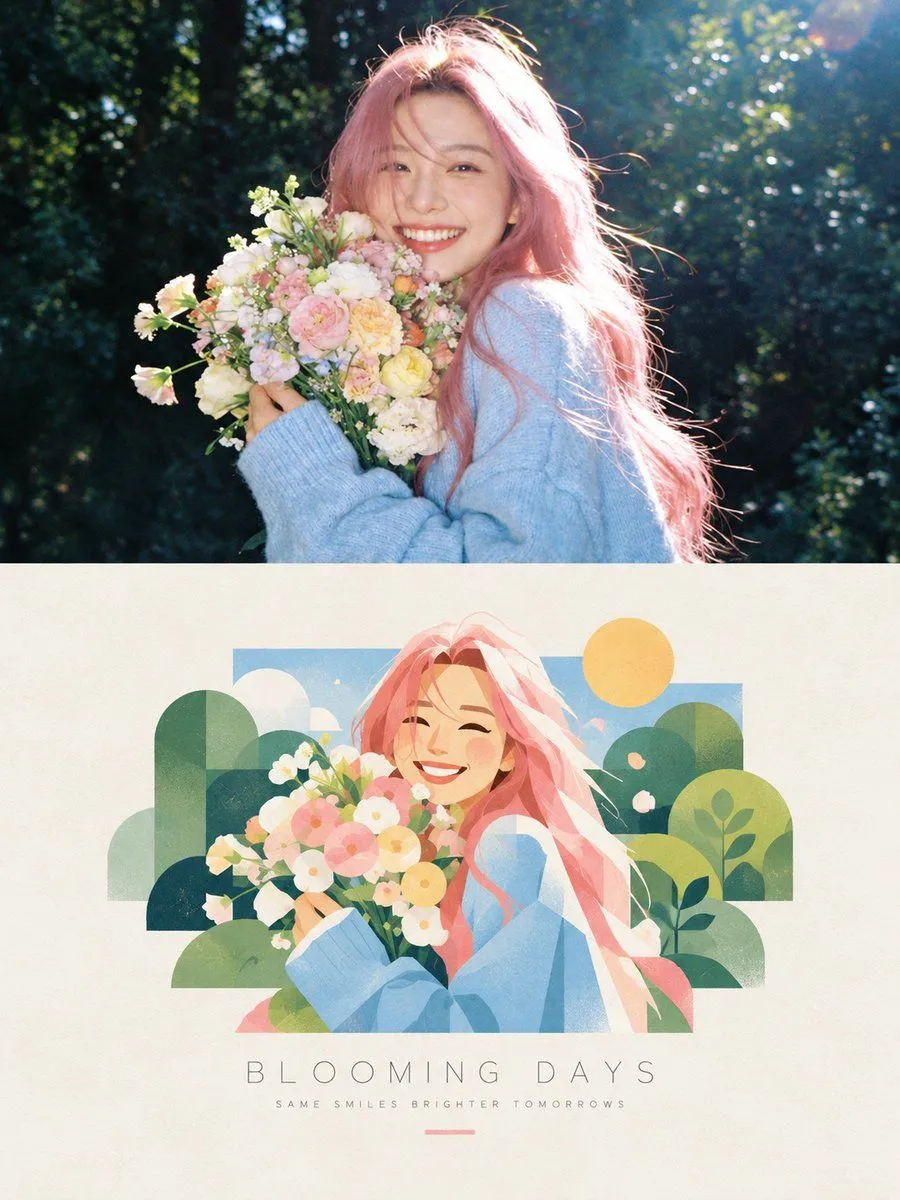
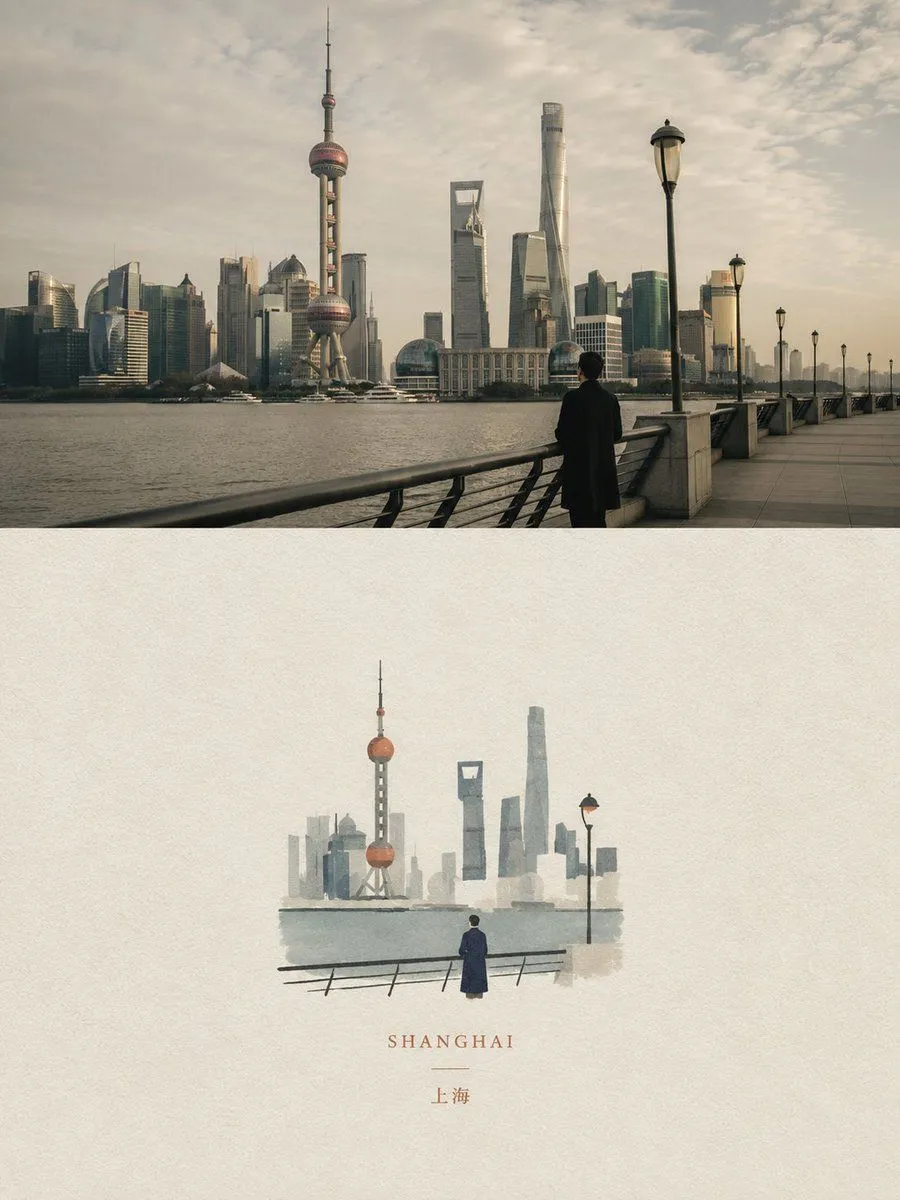
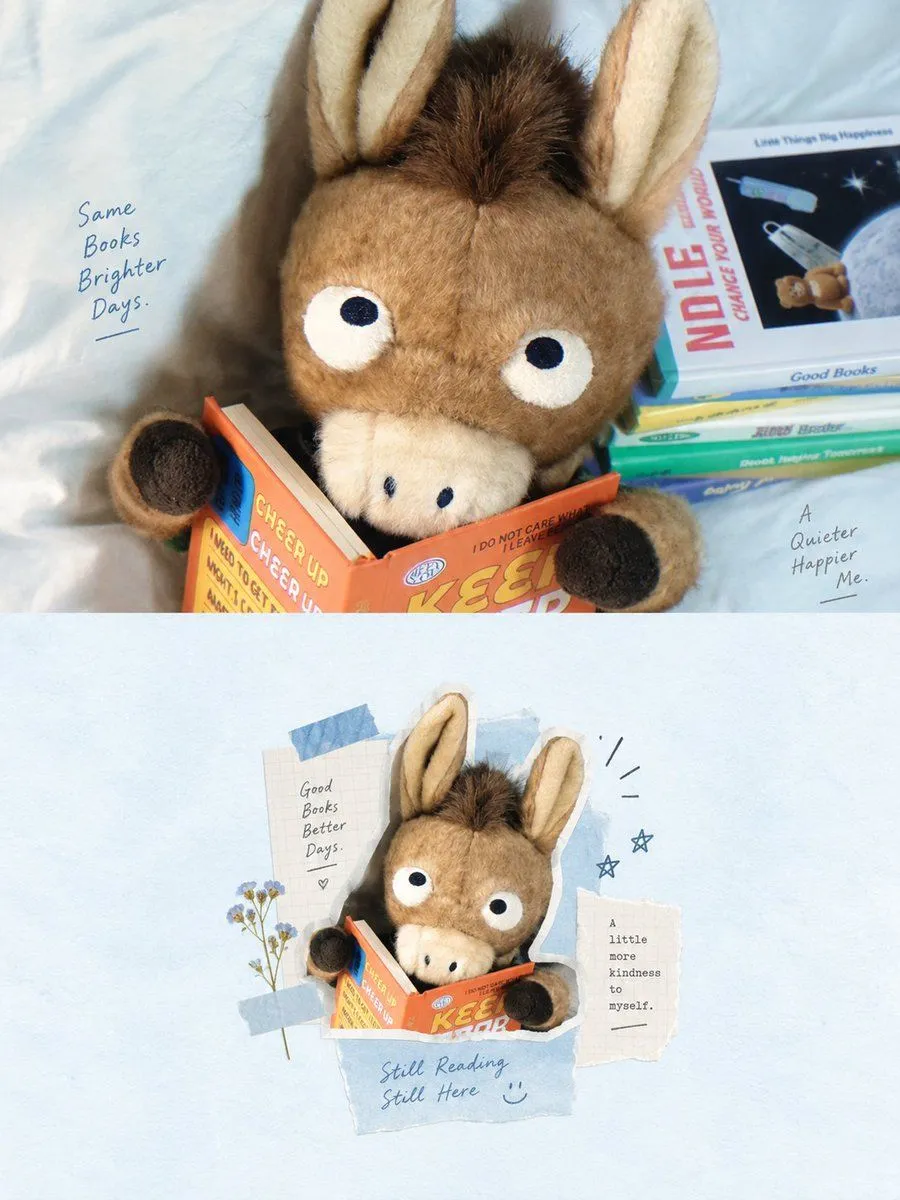
2 blanks to fillPlease make each photo I upload into an independent high-end design poster, no multi-image stitching, each photo output separately. The overall composition uses a 3:4 vertical layout, following a dual-layer logic: the upper part is realistic photography, and the lower part is a hand-drawn narrative reconstruction based on core imagery and subtext. The upper part preserves the original photo, maintaining the subject's identity, structure, posture, realistic texture, natural light and shadow, and original color atmosphere, only performing slight high-end photographic color grading to give it the feel of an art magazine, independent publication, or exhibition photography. To fit the frame, the environmental background can be naturally extended, but the subject must not be stretched, distorted, or changed. The lower part no longer seeks to reproduce the full scene, but extracts the most recognizable subjects, outlines, postures, spatial relationships, and emotional metaphors from the photo. After understanding the original's subtext, atmosphere, and meaning, it reconstructs them into an allegorical image with a hand-drawn narrative feel. Do not fully trace the photo or mechanically copy details; instead, keep only the most essential and memorable core graphic logic, transforming complex reality into purer, more symbolic image relationships that allow one to recognize the original object while feeling the hidden emotions, memories, and meanings behind it. The style of the lower part refers to the hand-drawn illustration quality on warm paper: the image carries innocence, metaphor, slight humor, and improvisation, like a travel allegory picture book or a private mythological map. The original photo can be appropriately imagined and reorganized, translating the real scene's subjects, environment, and details into more narrative symbolic elements; allow the original photo's emotions, relationships, or spiritual core to be re-expressed through exaggerated proportions, anthropomorphic meanings, metaphorical scenery, repeating symbols, or innocent yet clever compositions, but always centering around the same core theme without turning into a collage-style accumulation of elements. The composition should be built on large areas of light-colored background and clear primary-secondary relationships, preserving ample white space to let it represent air, distance, quiet, and imaginative space. The subject can be concentrated in the middle-lower part or a position with more narrative tension, surrounded only by a few supporting objects, paths, plants, buildings, utensils, or symbolic signs, forming a more professional and aesthetic layout order through variations in height, depth, curved guidance, block rhythm, and positive-negative shape relationships. The image can be like 'a small piece of fantasy growing out of reality,' having both a sense of story and a restrained sense of graphic design. The overall art style uses a clear hand-drawn graphic illustration language: it can be expressed as opaque gouache, pastel, colored pencil, crayon, acrylic, or picture-book coloring with slight paper texture, retaining soft blocks, slightly clumsy outlines, minor manual errors, and natural material feel. Lines don't need to be many but should have appropriate hand-drawn traces; forms are simplified, proportions are cute, and details are generalized, both gentle and interesting, avoiding smooth vectors, 3D plastic feel, realistic detailed tracing, and overly neat commercial illustration styles. The color scheme follows the current logic: the overall use of soft, transparent, slightly desaturated high-end color systems, based on light backgrounds and large white spaces. Create the main atmosphere with {tones}, then balance with ivory white, cream white, light beige, soft gray-green, and architectural neutrals; a small amount of {accent_colors} can be added as local highlights to give the image an 'ins' healing feel, breathability, and exquisite layers. Avoid dirty gray, excessive contrast, high-saturation clashing colors, and cheap vintage looks. Text does not pre-set fixed titles, numbers, locations, or languages, nor does it create menu-style information. Based on the photo's subject, emotion, action, memory, or metaphor, freely generate a very small number of truly meaningful words, phrases, or fragments, and naturally integrate them into the white space through high-end editorial layout. The text should be small, light, restrained, and exquisite, like poetic notes or clever asides in an independent publication, forming a subtle echo with the image rather than a direct explanation. The overall vibe should be like an independently published art travel picture book or allegorical visual manual: light-colored, white space, warm, innocent, clever, quiet, humorous, metaphorical, and improvisational, while having a clear core theme and high-end layout order. Avoid full realistic landscapes, information overload, overfilled subjects, overly solid backgrounds, template-like poster looks, e-commerce illustration styles, cartoon tropes, excessive decoration, and meaningless cuteness.
Preview of your prompt
Please make each photo I upload into an independent high-end design poster, no multi-image stitching, each photo output separately. The overall composition uses a 3:4 vertical layout, following a dual-layer logic: the upper part is realistic photography, and the lower part is a hand-drawn narrative reconstruction based on core imagery and subtext. The upper part preserves the original photo, maintaining the subject's identity, structure, posture, realistic texture, natural light and shadow, and original color atmosphere, only performing slight high-end photographic color grading to give it the feel of an art magazine, independent publication, or exhibition photography. To fit the frame, the environmental background can be naturally extended, but the subject must not be stretched, distorted, or changed. The lower part no longer seeks to reproduce the full scene, but extracts the most recognizable subjects, outlines, postures, spatial relationships, and emotional metaphors from the photo. After understanding the original's subtext, atmosphere, and meaning, it reconstructs them into an allegorical image with a hand-drawn narrative feel. Do not fully trace the photo or mechanically copy details; instead, keep only the most essential and memorable core graphic logic, transforming complex reality into purer, more symbolic image relationships that allow one to recognize the original object while feeling the hidden emotions, memories, and meanings behind it. The style of the lower part refers to the hand-drawn illustration quality on warm paper: the image carries innocence, metaphor, slight humor, and improvisation, like a travel allegory picture book or a private mythological map. The original photo can be appropriately imagined and reorganized, translating the real scene's subjects, environment, and details into more narrative symbolic elements; allow the original photo's emotions, relationships, or spiritual core to be re-expressed through exaggerated proportions, anthropomorphic meanings, metaphorical scenery, repeating symbols, or innocent yet clever compositions, but always centering around the same core theme without turning into a collage-style accumulation of elements. The composition should be built on large areas of light-colored background and clear primary-secondary relationships, preserving ample white space to let it represent air, distance, quiet, and imaginative space. The subject can be concentrated in the middle-lower part or a position with more narrative tension, surrounded only by a few supporting objects, paths, plants, buildings, utensils, or symbolic signs, forming a more professional and aesthetic layout order through variations in height, depth, curved guidance, block rhythm, and positive-negative shape relationships. The image can be like 'a small piece of fantasy growing out of reality,' having both a sense of story and a restrained sense of graphic design. The overall art style uses a clear hand-drawn graphic illustration language: it can be expressed as opaque gouache, pastel, colored pencil, crayon, acrylic, or picture-book coloring with slight paper texture, retaining soft blocks, slightly clumsy outlines, minor manual errors, and natural material feel. Lines don't need to be many but should have appropriate hand-drawn traces; forms are simplified, proportions are cute, and details are generalized, both gentle and interesting, avoiding smooth vectors, 3D plastic feel, realistic detailed tracing, and overly neat commercial illustration styles. The color scheme follows the current logic: the overall use of soft, transparent, slightly desaturated high-end color systems, based on light backgrounds and large white spaces. Create the main atmosphere with light powder blue, mist blue, sky blue, then balance with ivory white, cream white, light beige, soft gray-green, and architectural neutrals; a small amount of blush pink, soft peach, dusty rose can be added as local highlights to give the image an 'ins' healing feel, breathability, and exquisite layers. Avoid dirty gray, excessive contrast, high-saturation clashing colors, and cheap vintage looks. Text does not pre-set fixed titles, numbers, locations, or languages, nor does it create menu-style information. Based on the photo's subject, emotion, action, memory, or metaphor, freely generate a very small number of truly meaningful words, phrases, or fragments, and naturally integrate them into the white space through high-end editorial layout. The text should be small, light, restrained, and exquisite, like poetic notes or clever asides in an independent publication, forming a subtle echo with the image rather than a direct explanation. The overall vibe should be like an independently published art travel picture book or allegorical visual manual: light-colored, white space, warm, innocent, clever, quiet, humorous, metaphorical, and improvisational, while having a clear core theme and high-end layout order. Avoid full realistic landscapes, information overload, overfilled subjects, overly solid backgrounds, template-like poster looks, e-commerce illustration styles, cartoon tropes, excessive decoration, and meaningless cuteness.
DetailsVersions, settings and questions
Written for
What's in the prompt
- Subject
- Model
- GPT Image 2
If your face changes
keep my face exactly the sameQuestions
- Does this work in the ChatGPT app?
- Yes. Paste the prompt and attach your photo if it uses one.
- It changed my face. What do I do?
- Add "keep my face exactly the same" to the end and run it again.
- Can I use the images I make?
- Check the terms of the app you use. Promptclay never generates images and claims nothing you make.