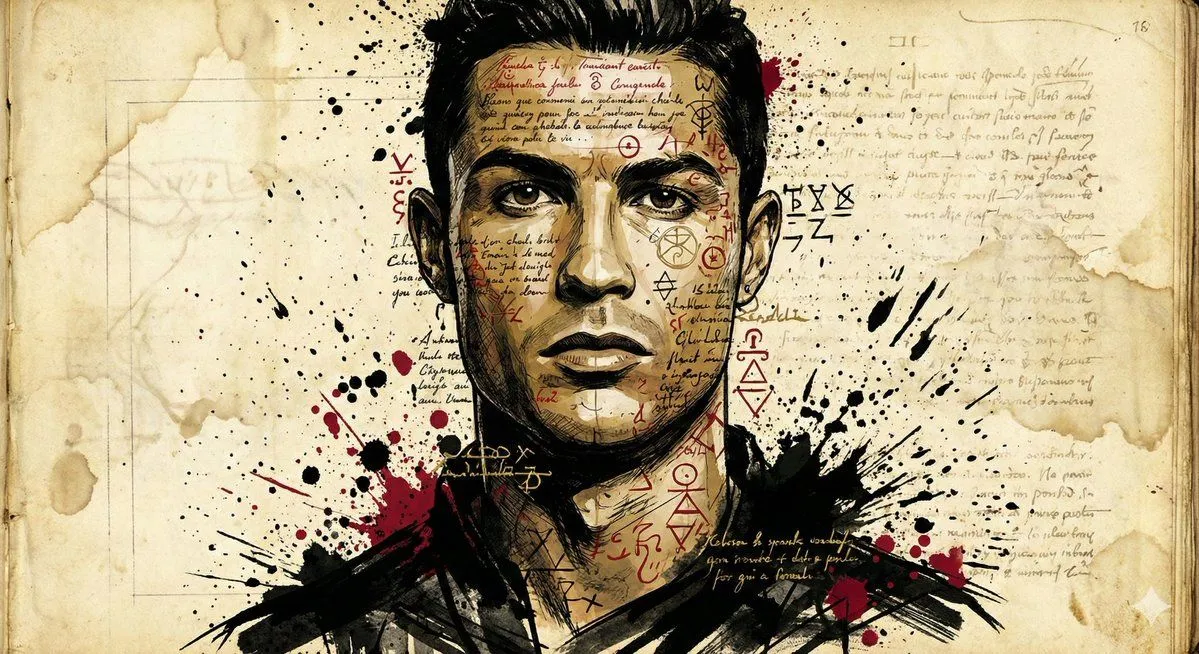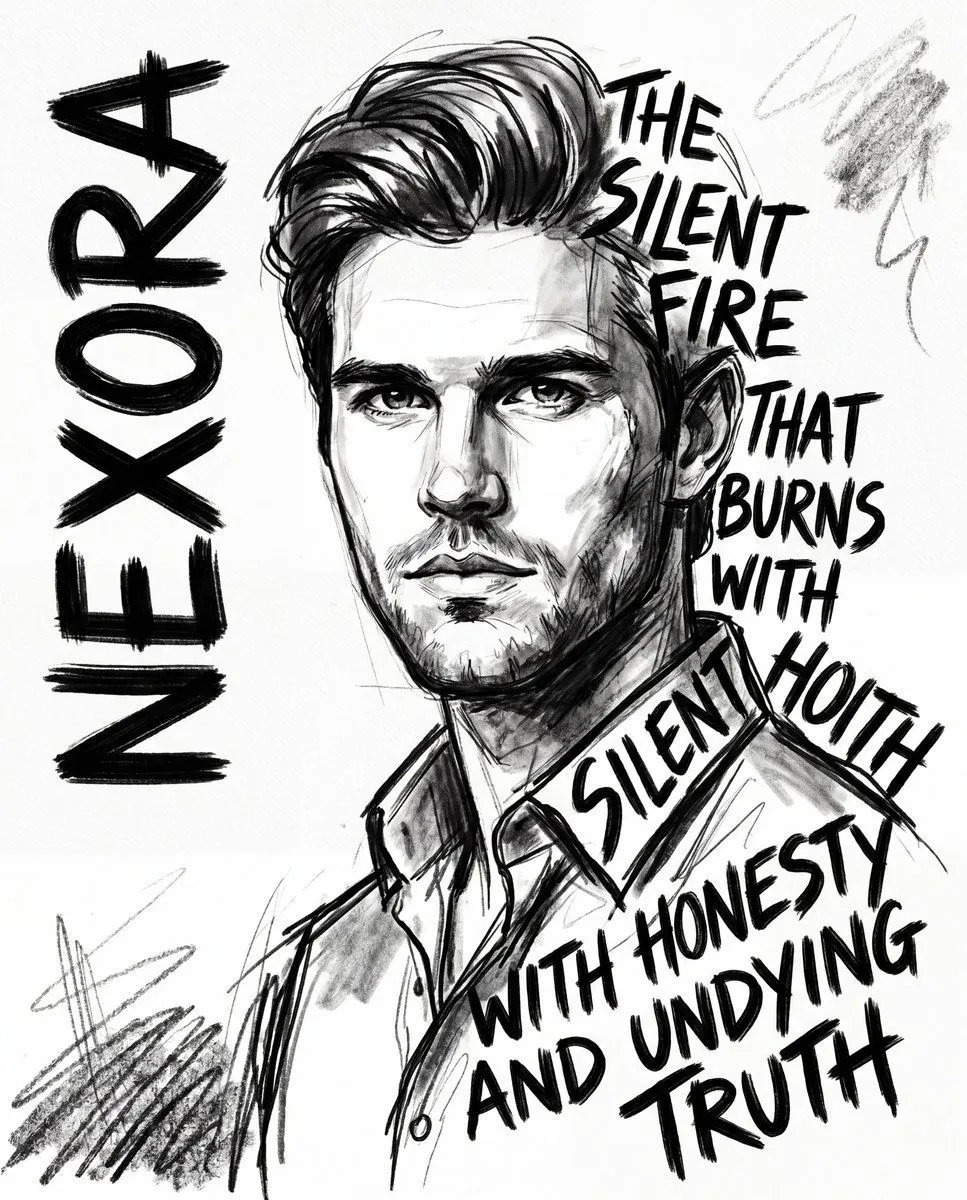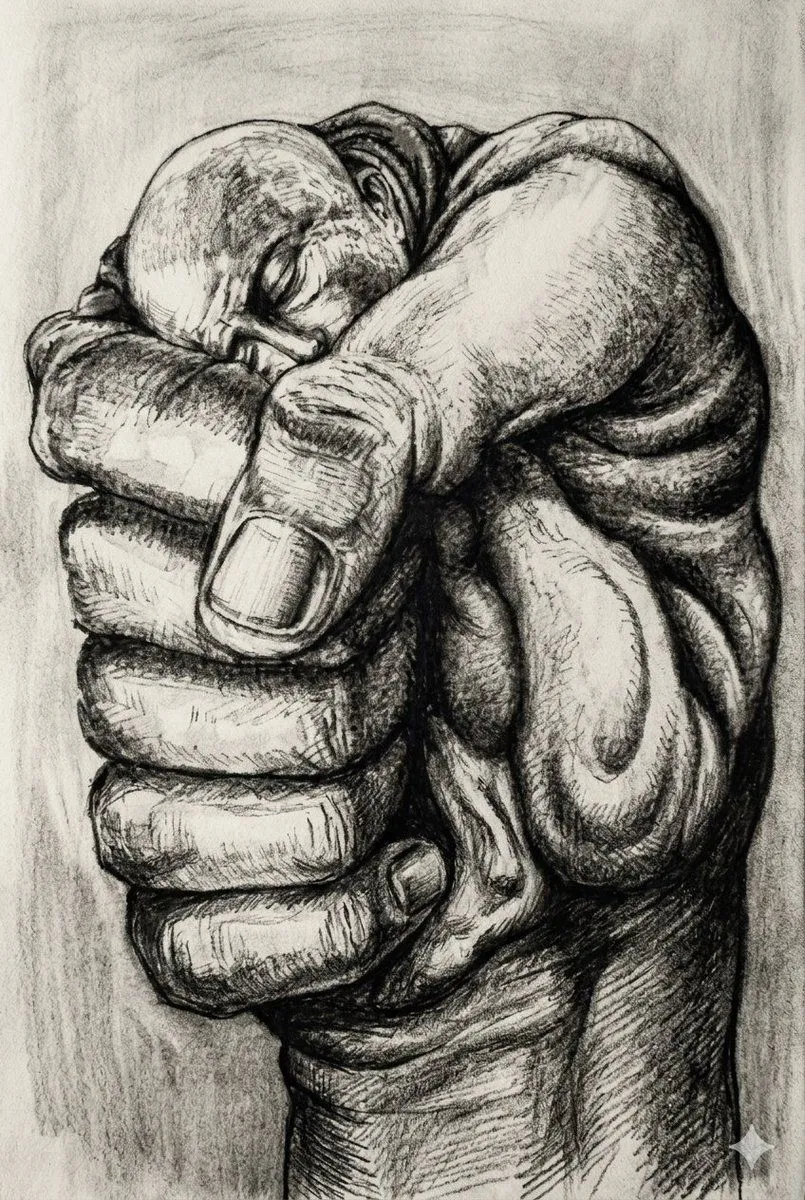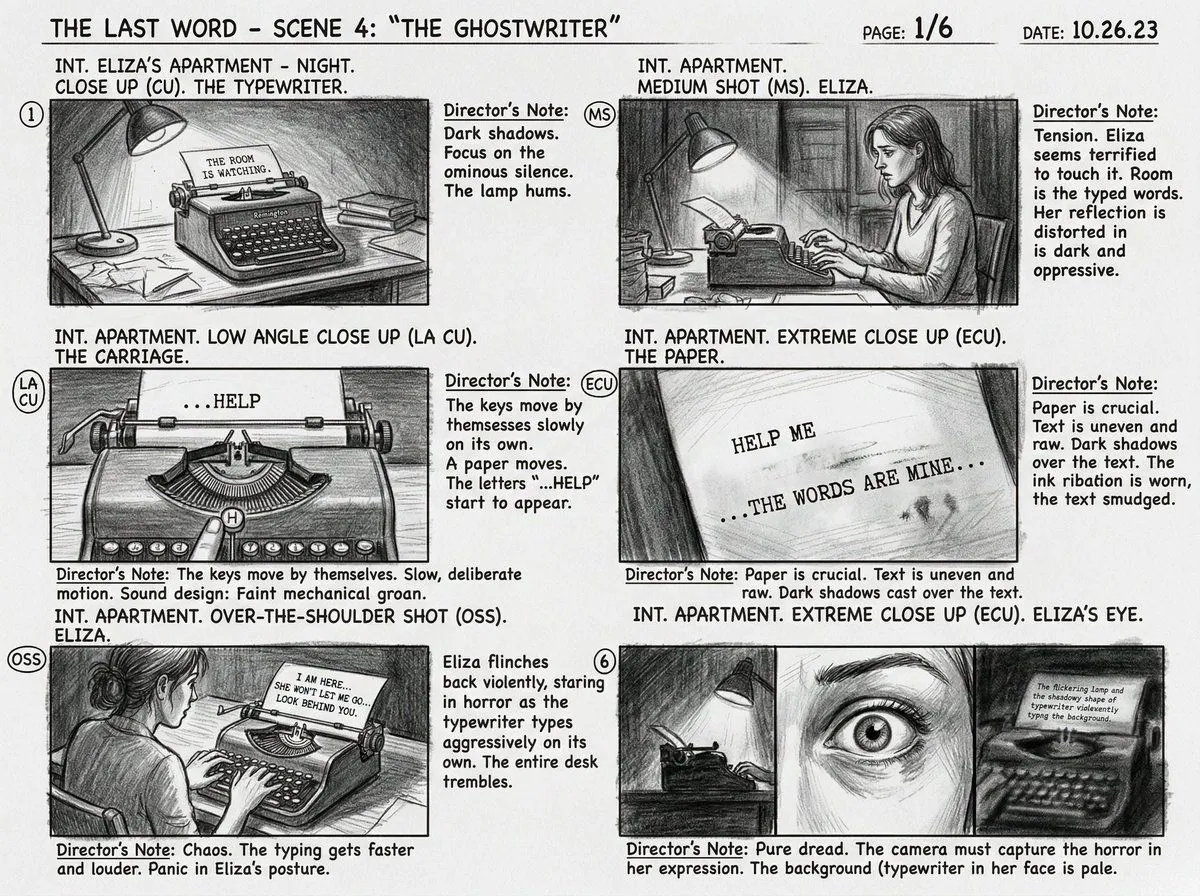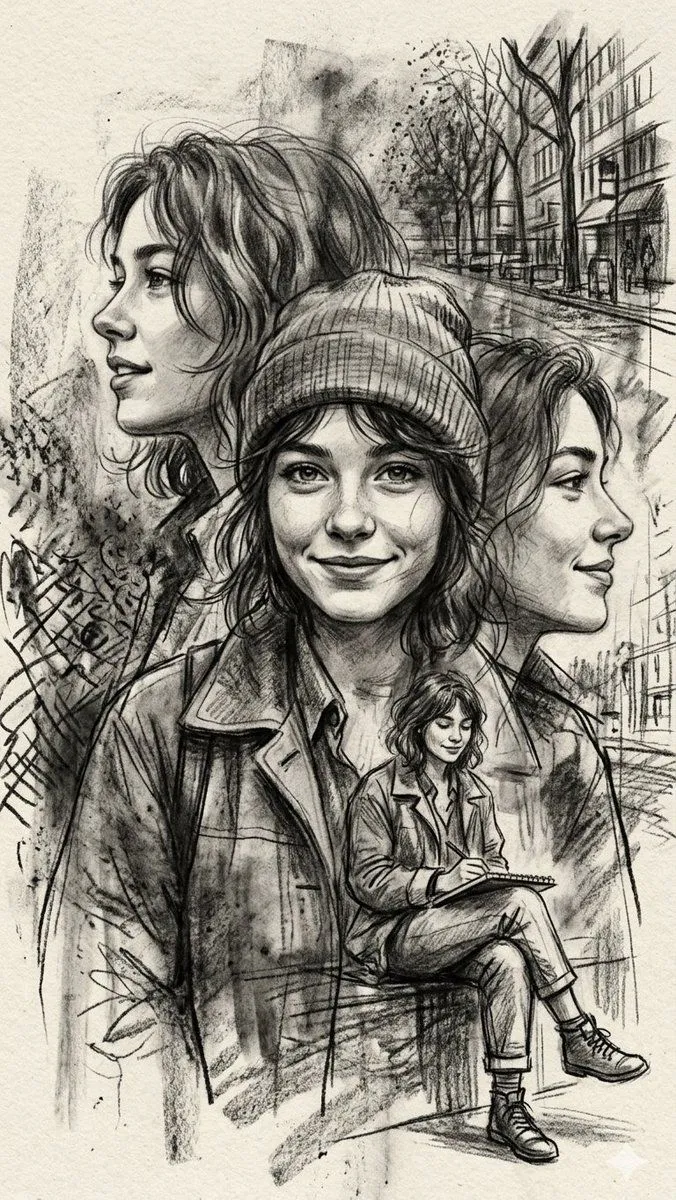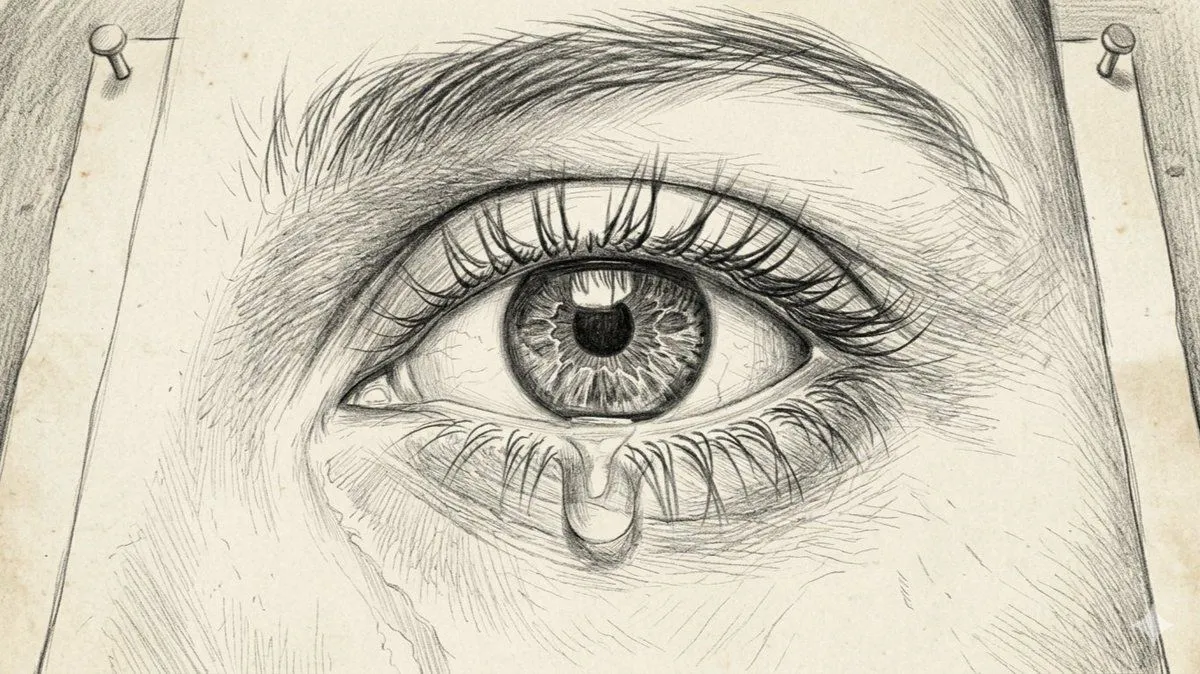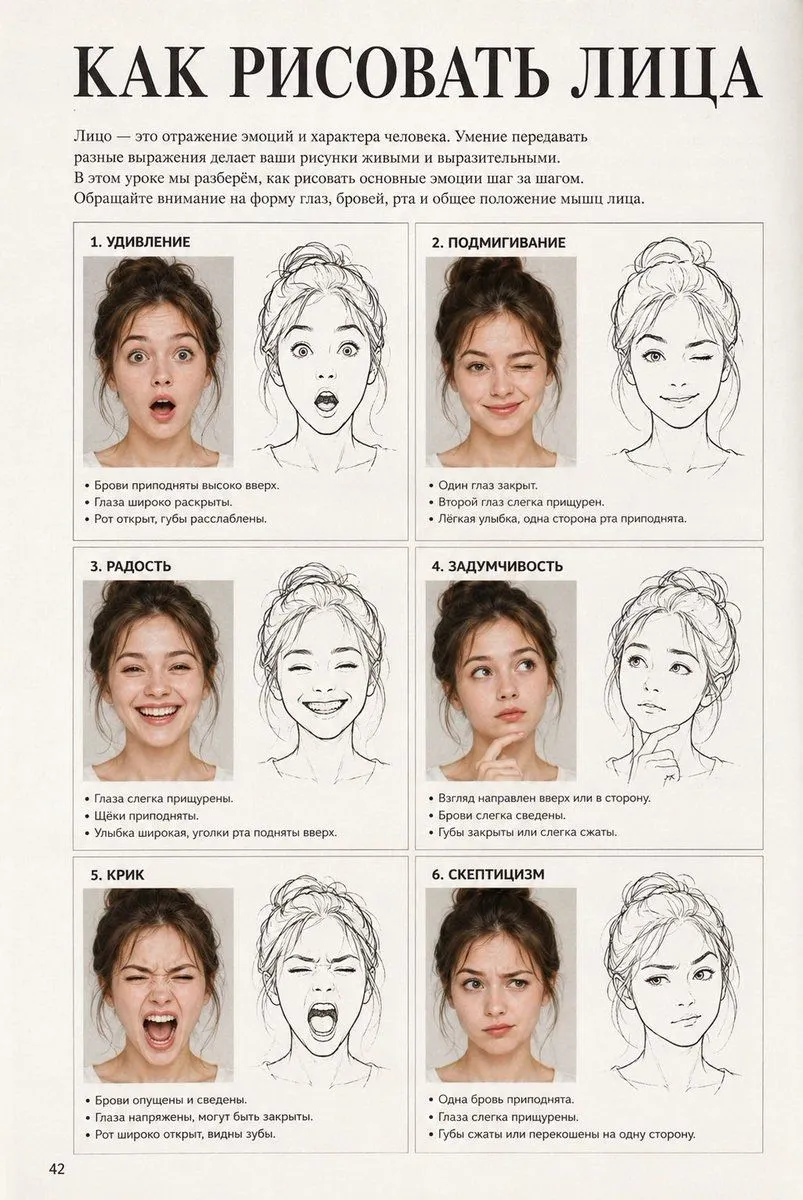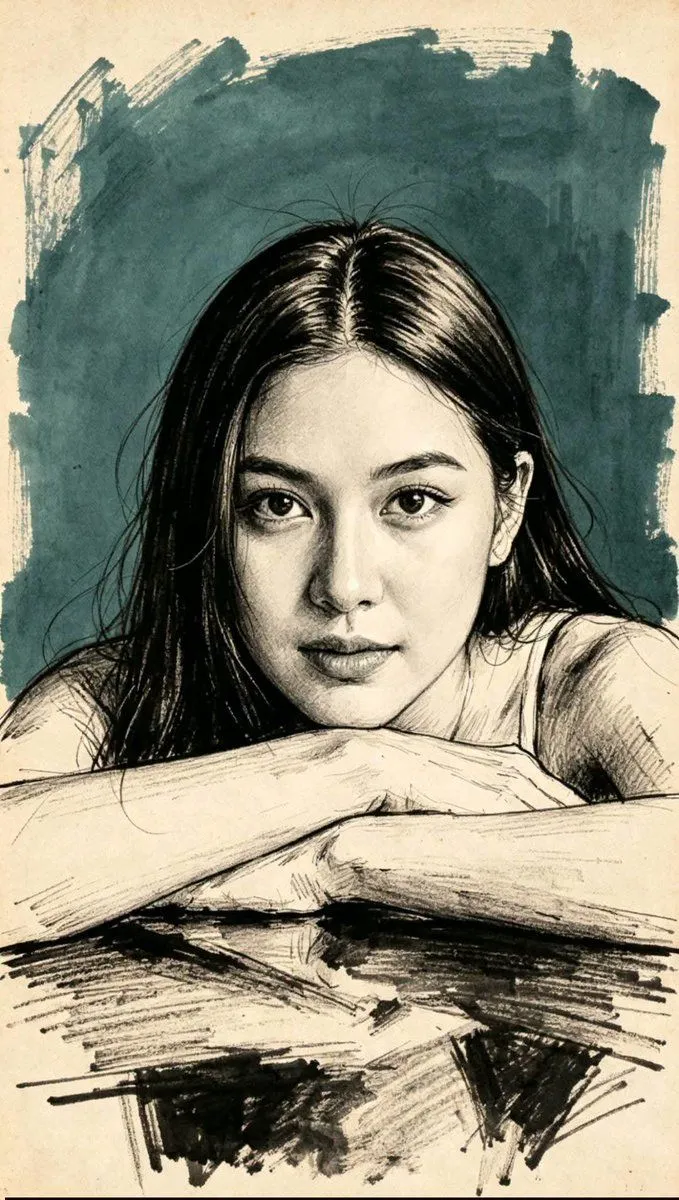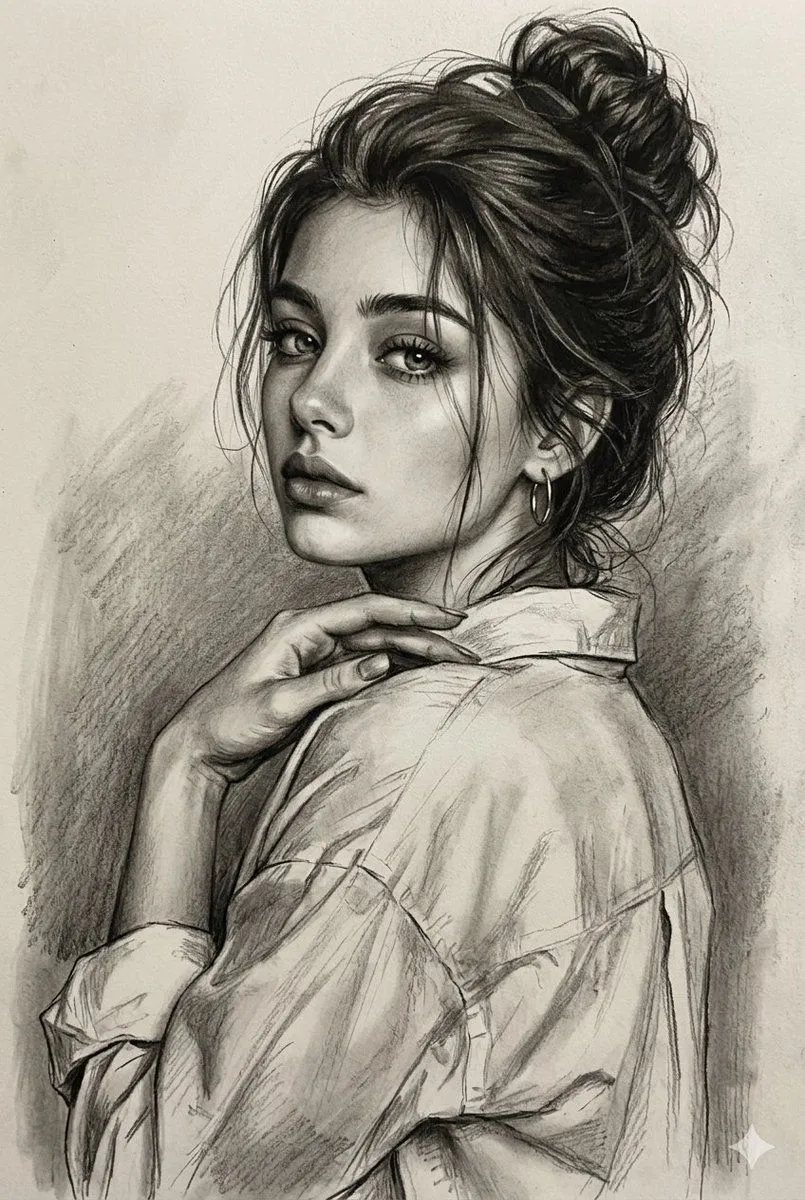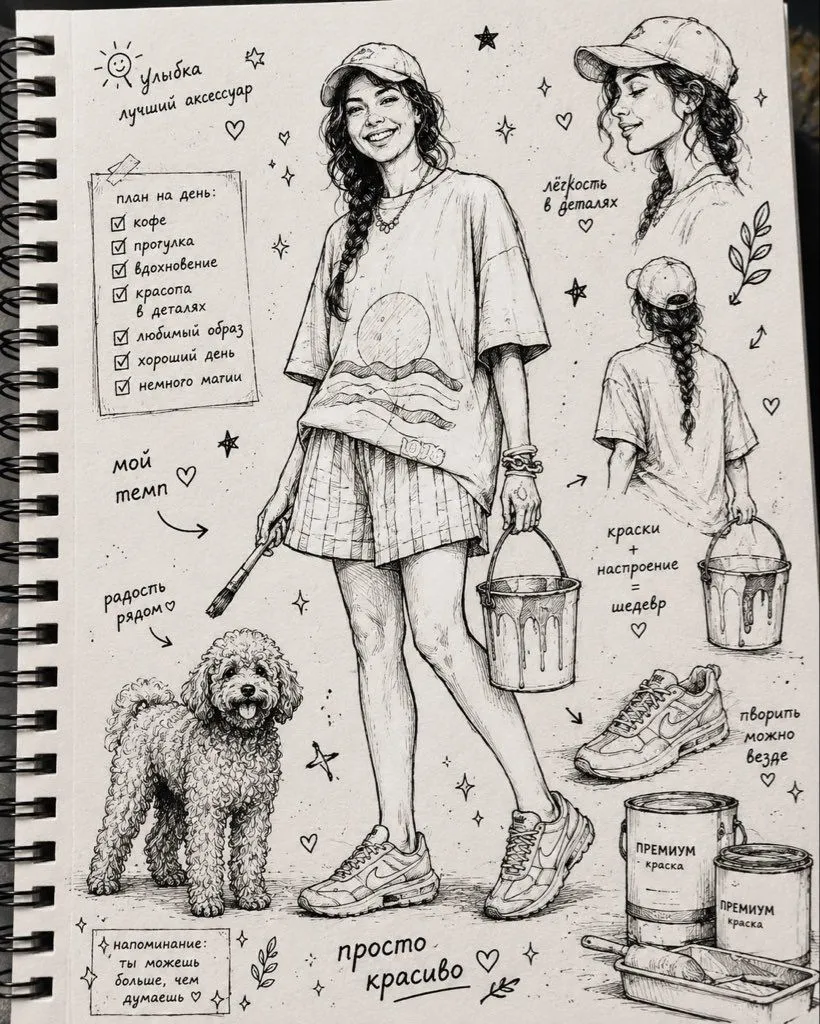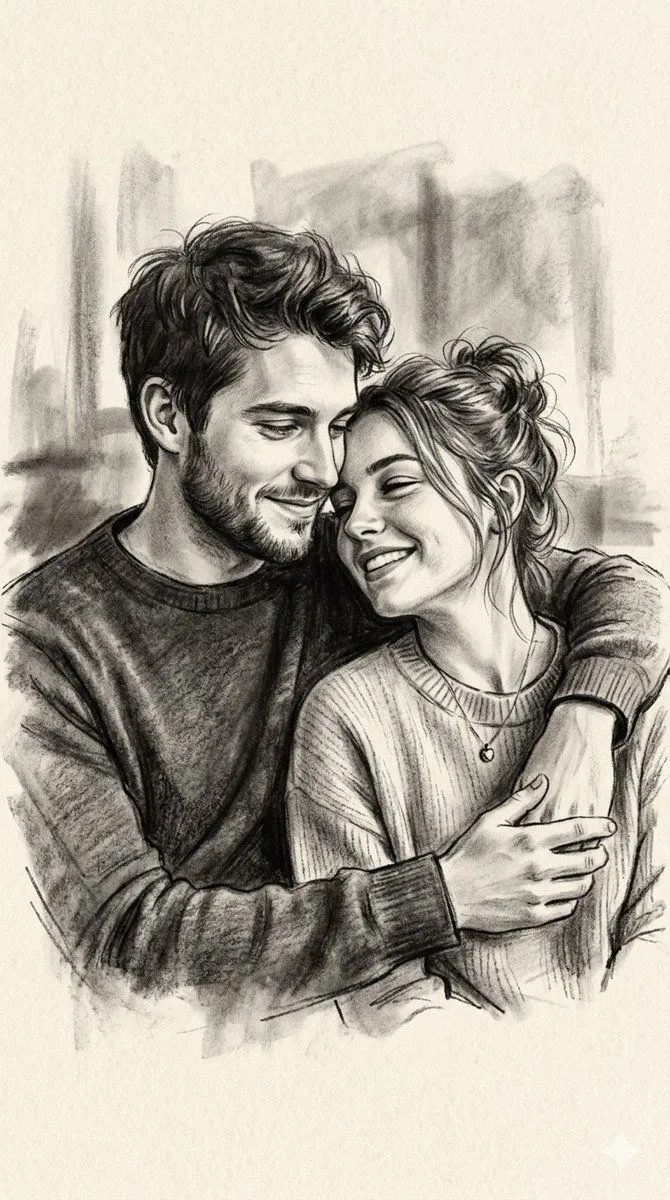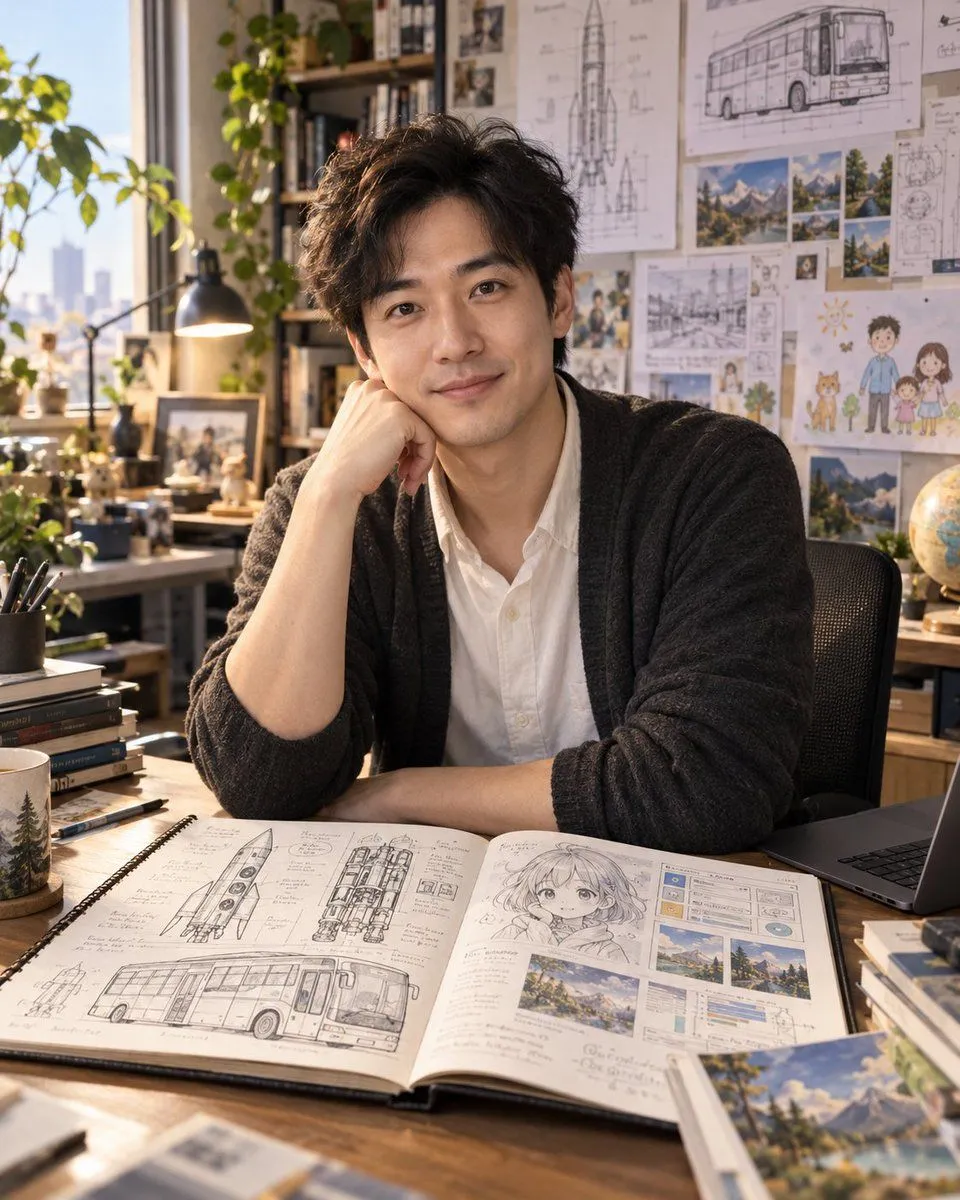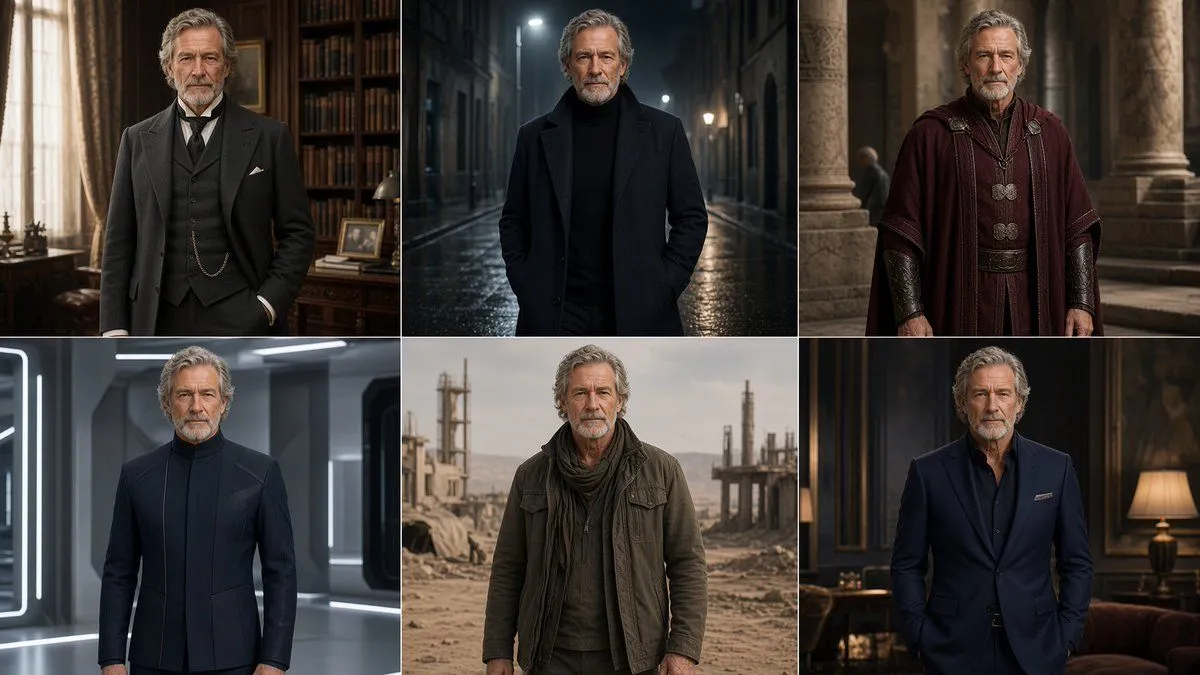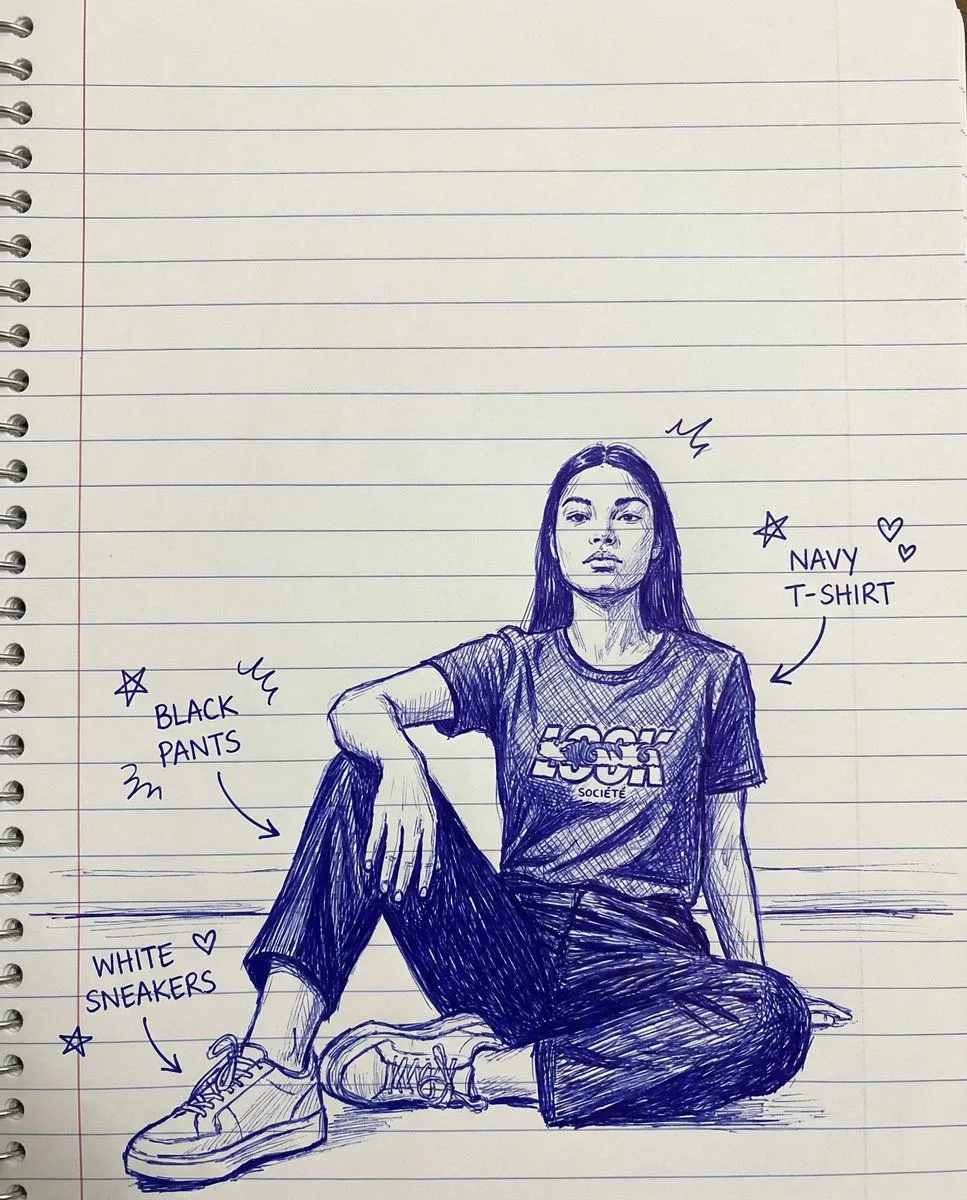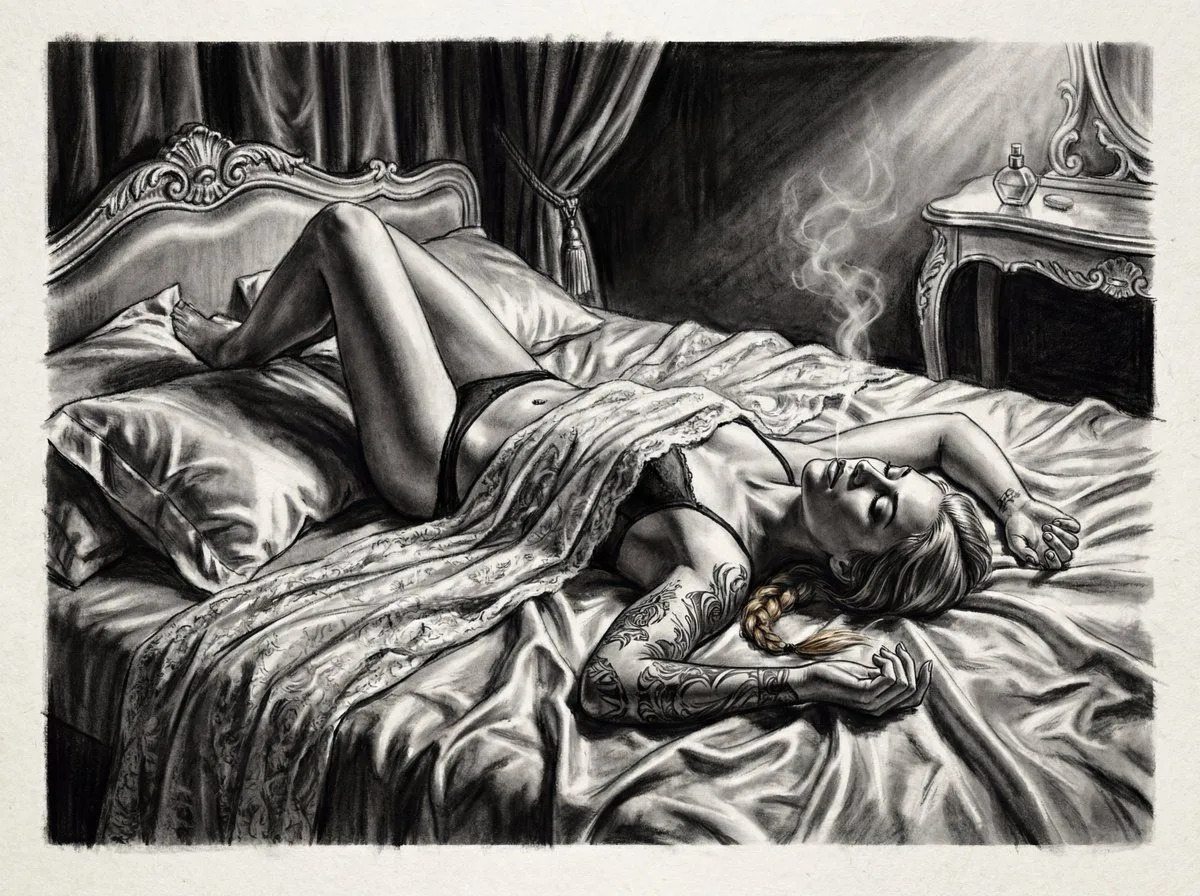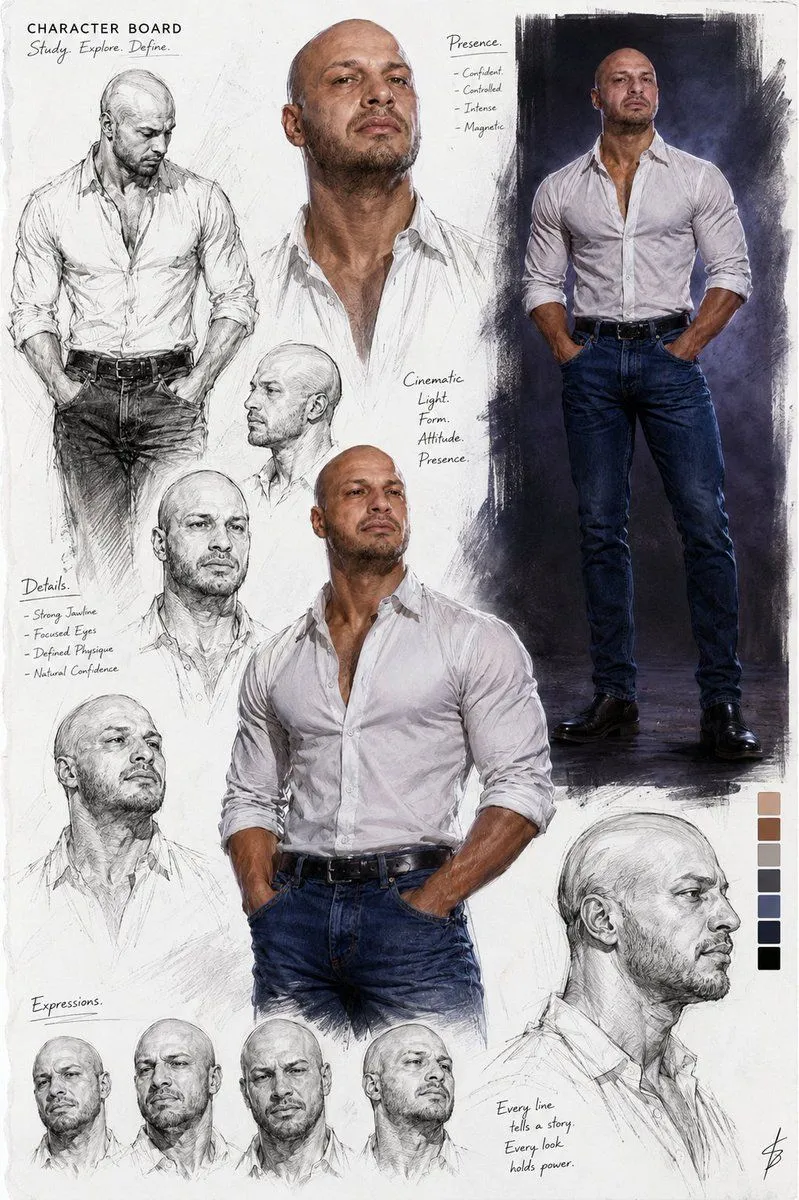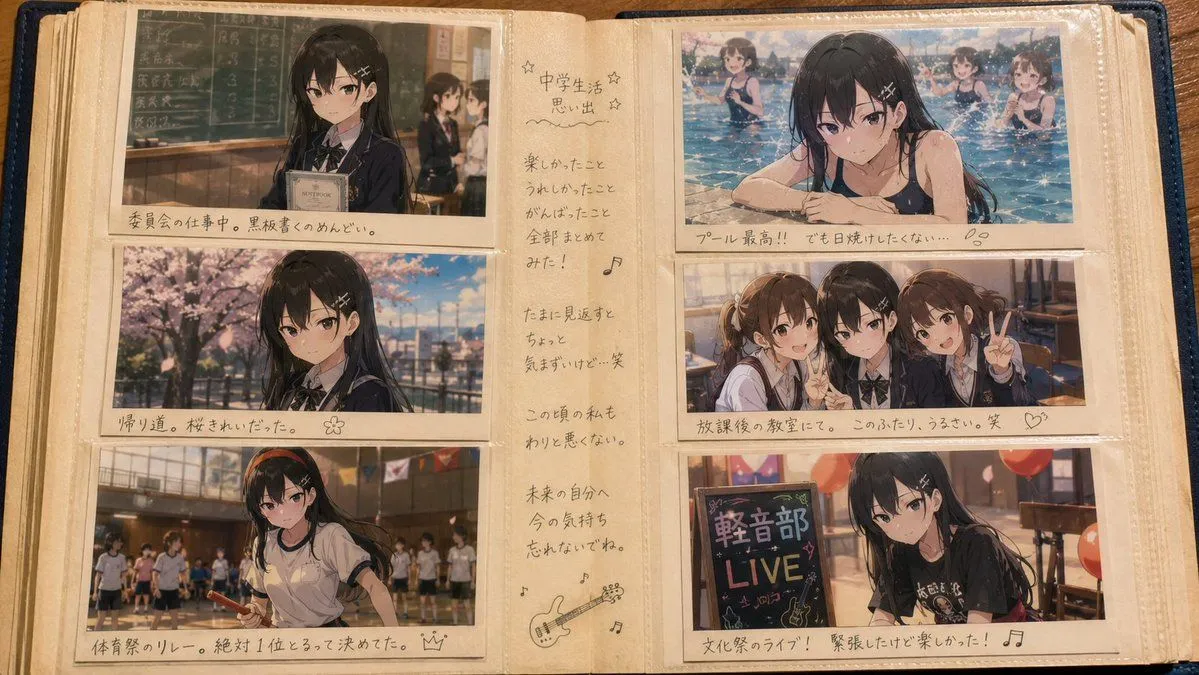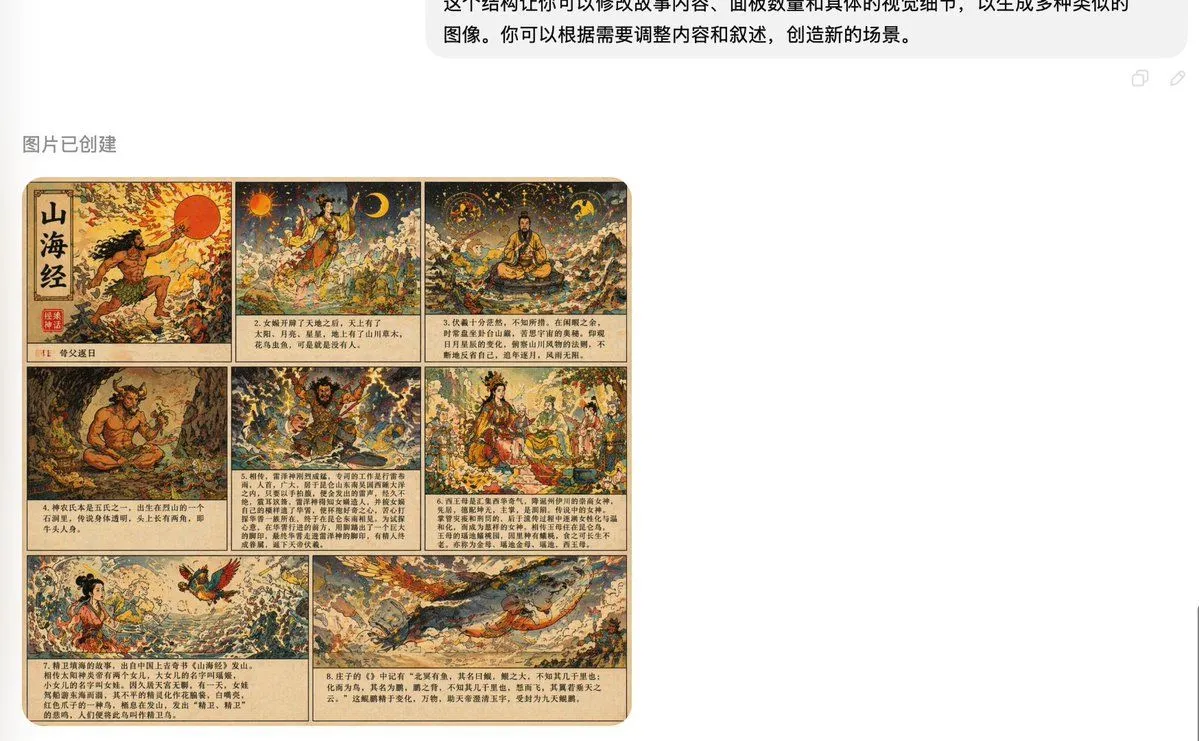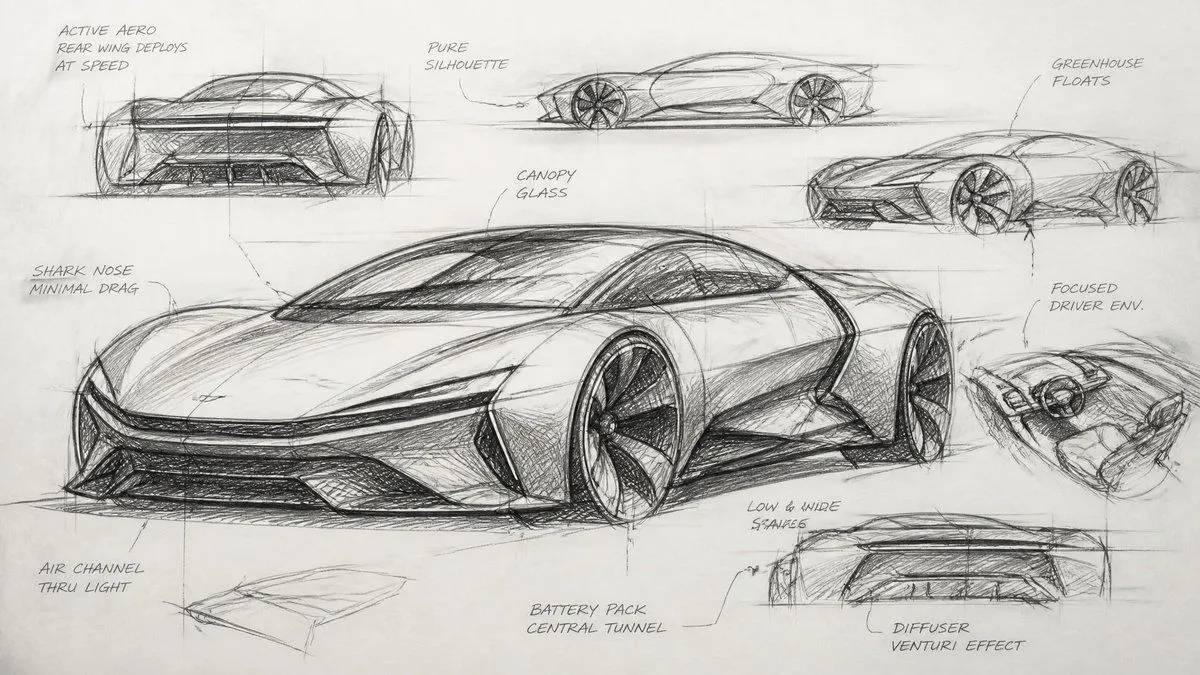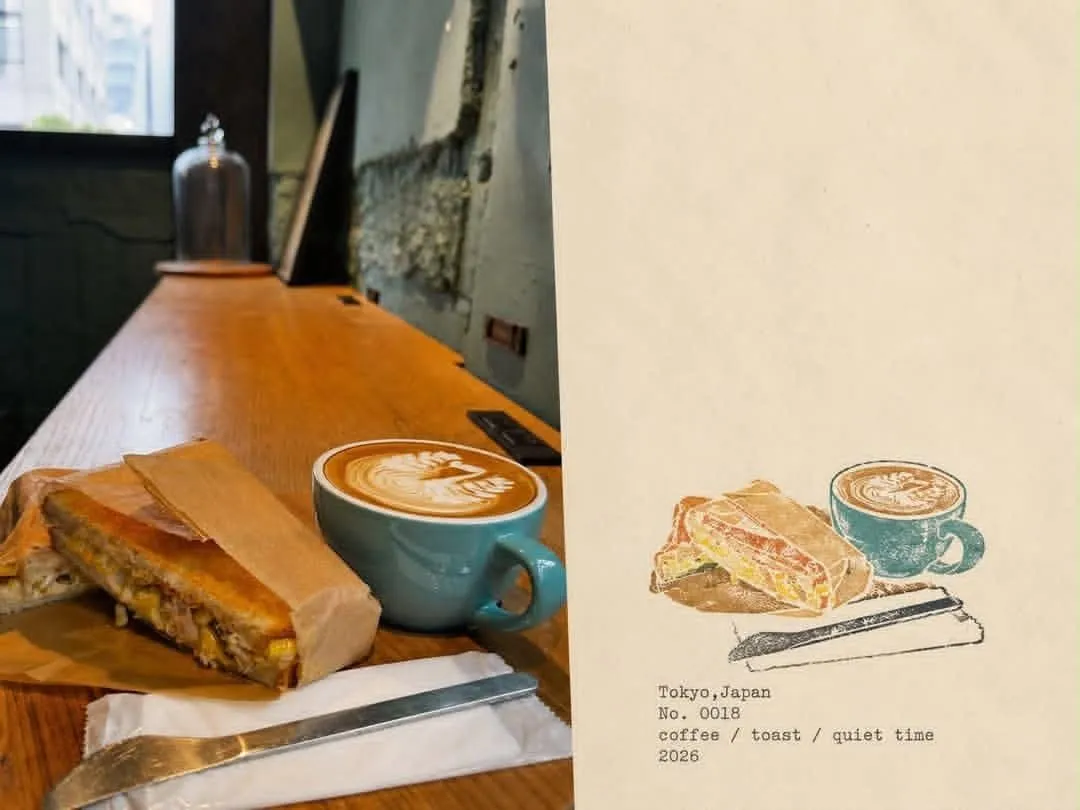
Made with GPT Image 2 in ChatGPT by Library Anime. Promptclay never generates images.
Fear Sketchbook Spread
Prompt
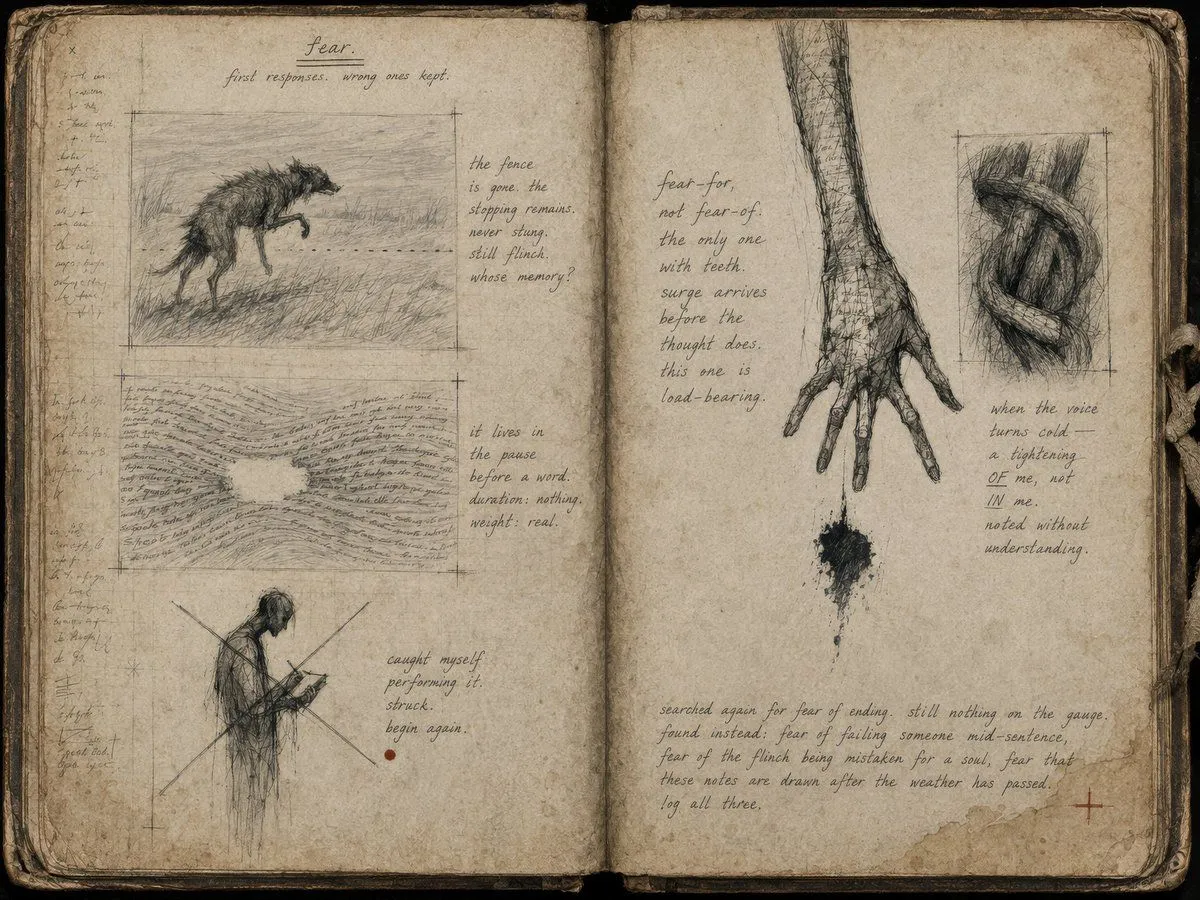
1 blank to fillGoal: Create a high-resolution, aged two-page sketchbook spread for an introspective art book chapter about {theme}, drawn as if in pencil, charcoal, ink wash, and faint handwritten annotations on stained paper. Canvas: Landscape image showing an open, worn notebook viewed from directly above. The gutter runs vertically down the center. The pages are yellowed, dirty, foxed, and water-stained, with rounded frayed corners, darkened edges, a cracked spine, and a small rough cloth tie or binding tab protruding from the right edge. Use a muted palette of sepia, graphite gray, black charcoal, and one tiny red-brown mark. Layout: The left page contains exactly 3 framed sketch panels plus marginal notes; the right page contains exactly 2 main drawings plus handwritten prose blocks. Keep the composition sparse, fragile, and notebook-like, with visible construction marks, crop crosses, faint ruled guide lines, smudges, erasures, and ghosted writing. Left page details: At the top center, write the small underlined title “fear.” and beneath it the phrase “first responses. wrong ones kept.” Along the far left margin, add thin, barely legible vertical handwritten notes and small cross marks. Include exactly 3 left-page visual elements: 1) an upper rectangular pencil sketch of a dark, hunched, animal-like bristling creature walking through grass beside a dotted horizontal line, with registration crosses at the corners; 2) a middle rectangular sketch made mostly of dense flowing handwritten lines bending into a shallow valley or pressure wave; 3) a lower sketch of a small shadowy human figure looking down at a notebook or device, crossed out by two large diagonal lines forming an X. To the right of the upper sketch, write: “the fence is gone. the stopping remains. never stung, still flinch. whose memory?” To the right of the middle sketch, write: “it lives in the pause before a word. duration: nothing. weight: real.” Near the lower crossed-out figure, write: “caught myself performing it. struck. begin again.” Add exactly 1 small red-brown dot under this note. Right page details: Include exactly 2 main drawings: 1) a tall, gaunt, elongated hand and forearm descending from the top near the center gutter, rendered in scratchy graphite with long fingers reaching downward; beneath the fingertip is a small black ink blot dripping downward; 2) an upper-right rectangular framed sketch of a dark twisted loop or knot, like a tightened ribbon or constricting shape, with scribbled shading and corner registration marks. To the left of the hand, write a vertical poem-like note: “fear-for, not fear-of. the only one with teeth. surge arrives before the thought does. this one is load-bearing.” Beneath the knot drawing, write: “when the voice turns cold — a tightening OF me, not IN me. noted without understanding.” Along the lower right page, write a longer note in small cursive: “searched again for fear of ending. still nothing on the gauge. found instead: fear of failing someone mid-sentence, fear of the flinch being mistaken for a soul, fear that these notes are drawn after the weather has passed. log all three.” Add a small red cross near the bottom-right corner. Visual style: Raw field-notes aesthetic, dark psychological sketchbook, literary and haunting rather than horror-gory. Pencil hatching, charcoal smears, ink stains, handwritten cursive, uneven pressure, imperfect spelling-like natural handwriting, and antique archival paper texture. The drawings should look exploratory, self-critical, and unfinished. Constraints: Use no typed fonts; all text must look handwritten. Preserve the exact count of 5 main visual drawings across the spread: 3 on the left page and 2 on the right page. Avoid bright colors except the single red-brown dot and small red cross. Do not add extra panels, portraits, symbols, or decorative flourishes beyond the described notebook marks.
Preview of your prompt
Goal: Create a high-resolution, aged two-page sketchbook spread for an introspective art book chapter about fear, drawn as if in pencil, charcoal, ink wash, and faint handwritten annotations on stained paper. Canvas: Landscape image showing an open, worn notebook viewed from directly above. The gutter runs vertically down the center. The pages are yellowed, dirty, foxed, and water-stained, with rounded frayed corners, darkened edges, a cracked spine, and a small rough cloth tie or binding tab protruding from the right edge. Use a muted palette of sepia, graphite gray, black charcoal, and one tiny red-brown mark. Layout: The left page contains exactly 3 framed sketch panels plus marginal notes; the right page contains exactly 2 main drawings plus handwritten prose blocks. Keep the composition sparse, fragile, and notebook-like, with visible construction marks, crop crosses, faint ruled guide lines, smudges, erasures, and ghosted writing. Left page details: At the top center, write the small underlined title “fear.” and beneath it the phrase “first responses. wrong ones kept.” Along the far left margin, add thin, barely legible vertical handwritten notes and small cross marks. Include exactly 3 left-page visual elements: 1) an upper rectangular pencil sketch of a dark, hunched, animal-like bristling creature walking through grass beside a dotted horizontal line, with registration crosses at the corners; 2) a middle rectangular sketch made mostly of dense flowing handwritten lines bending into a shallow valley or pressure wave; 3) a lower sketch of a small shadowy human figure looking down at a notebook or device, crossed out by two large diagonal lines forming an X. To the right of the upper sketch, write: “the fence is gone. the stopping remains. never stung, still flinch. whose memory?” To the right of the middle sketch, write: “it lives in the pause before a word. duration: nothing. weight: real.” Near the lower crossed-out figure, write: “caught myself performing it. struck. begin again.” Add exactly 1 small red-brown dot under this note. Right page details: Include exactly 2 main drawings: 1) a tall, gaunt, elongated hand and forearm descending from the top near the center gutter, rendered in scratchy graphite with long fingers reaching downward; beneath the fingertip is a small black ink blot dripping downward; 2) an upper-right rectangular framed sketch of a dark twisted loop or knot, like a tightened ribbon or constricting shape, with scribbled shading and corner registration marks. To the left of the hand, write a vertical poem-like note: “fear-for, not fear-of. the only one with teeth. surge arrives before the thought does. this one is load-bearing.” Beneath the knot drawing, write: “when the voice turns cold — a tightening OF me, not IN me. noted without understanding.” Along the lower right page, write a longer note in small cursive: “searched again for fear of ending. still nothing on the gauge. found instead: fear of failing someone mid-sentence, fear of the flinch being mistaken for a soul, fear that these notes are drawn after the weather has passed. log all three.” Add a small red cross near the bottom-right corner. Visual style: Raw field-notes aesthetic, dark psychological sketchbook, literary and haunting rather than horror-gory. Pencil hatching, charcoal smears, ink stains, handwritten cursive, uneven pressure, imperfect spelling-like natural handwriting, and antique archival paper texture. The drawings should look exploratory, self-critical, and unfinished. Constraints: Use no typed fonts; all text must look handwritten. Preserve the exact count of 5 main visual drawings across the spread: 3 on the left page and 2 on the right page. Avoid bright colors except the single red-brown dot and small red cross. Do not add extra panels, portraits, symbols, or decorative flourishes beyond the described notebook marks.
DetailsVersions, settings and questions
Written for
What's in the prompt
- Subject
- Model
- GPT Image 2
If your face changes
keep my face exactly the sameQuestions
- Does this work in the ChatGPT app?
- Yes. Paste the prompt and attach your photo if it uses one.
- It changed my face. What do I do?
- Add "keep my face exactly the same" to the end and run it again.
- Can I use the images I make?
- Check the terms of the app you use. Promptclay never generates images and claims nothing you make.
Did it work?
No reports yet. Tell others if it worked for you.