
Tell us anything

An idea, a bug, something you love. We read every note.

⌘↵ to send. The page you're on comes along.

Fabric Collage Travel Memory Poster

Made with GPT Image 2 in ChatGPT by Library Typography. Promptclay never generates images.

Did it work?

No reports yet. Tell others if it worked for you.

No comments yet. Be the first.

    Fabric Collage Travel Memory Poster

    GPT Image 22:3AI-generated

    Prompt

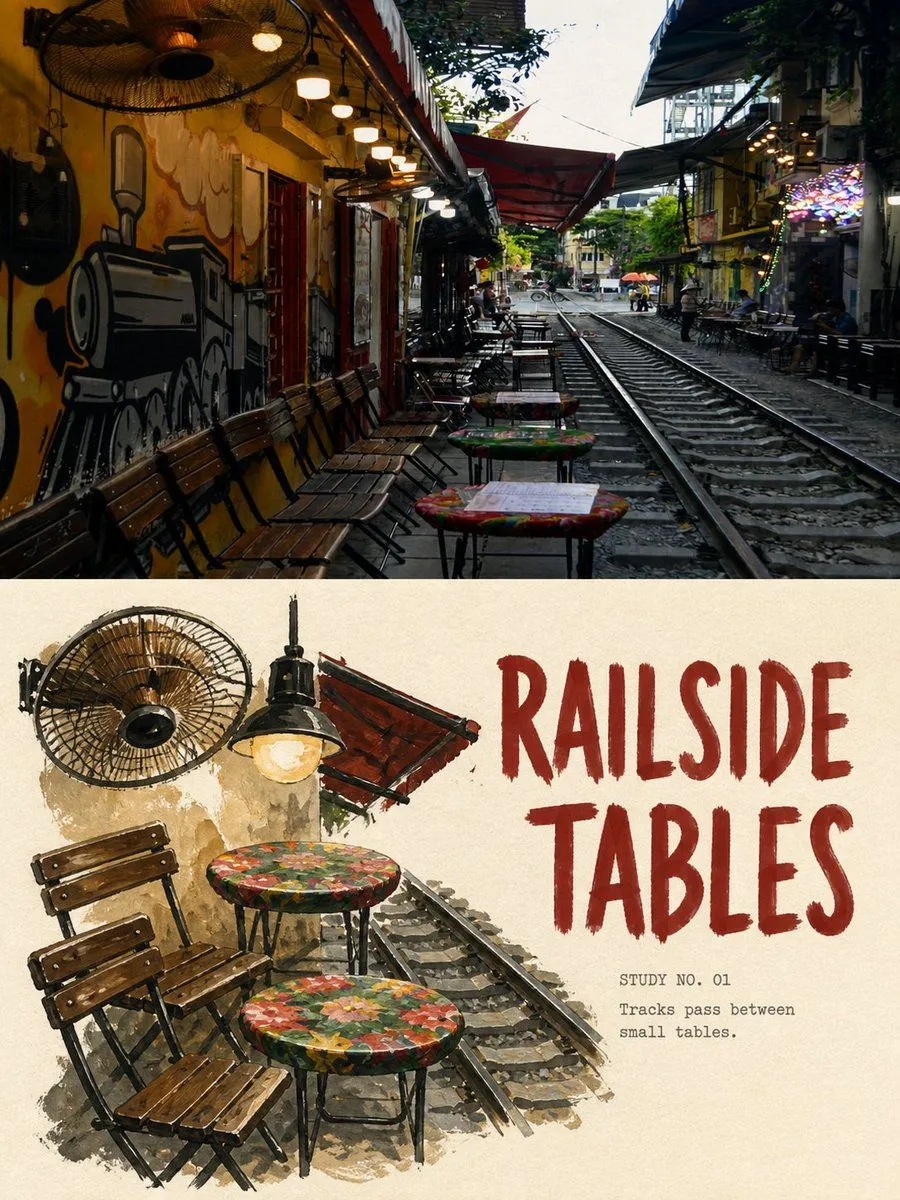
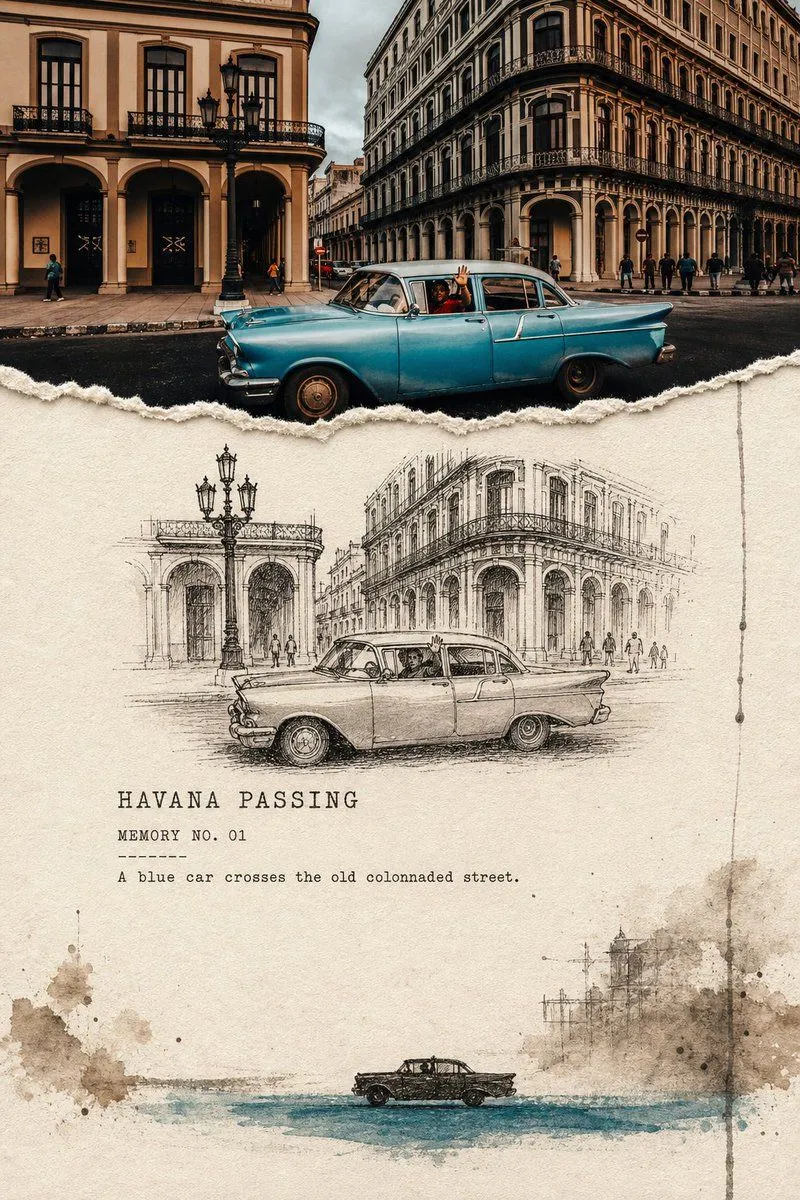
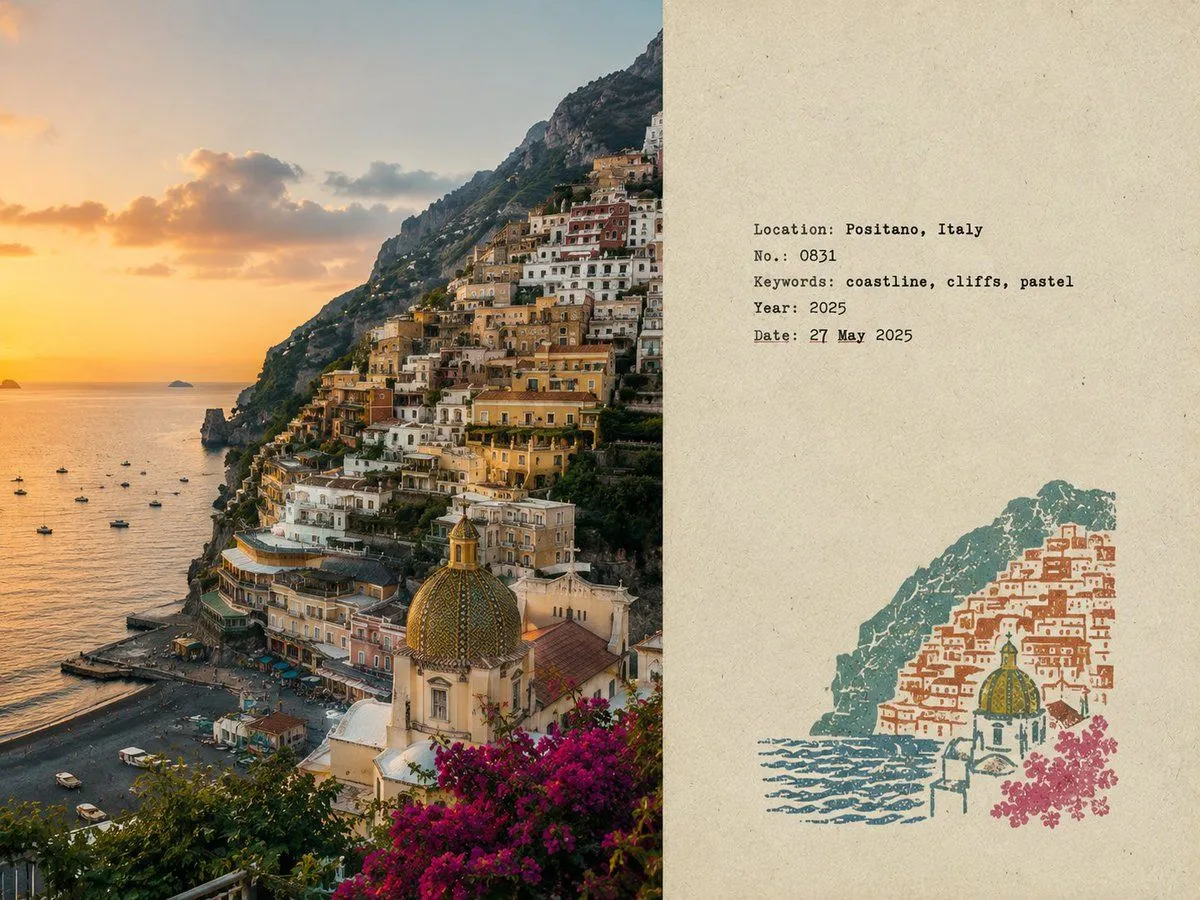
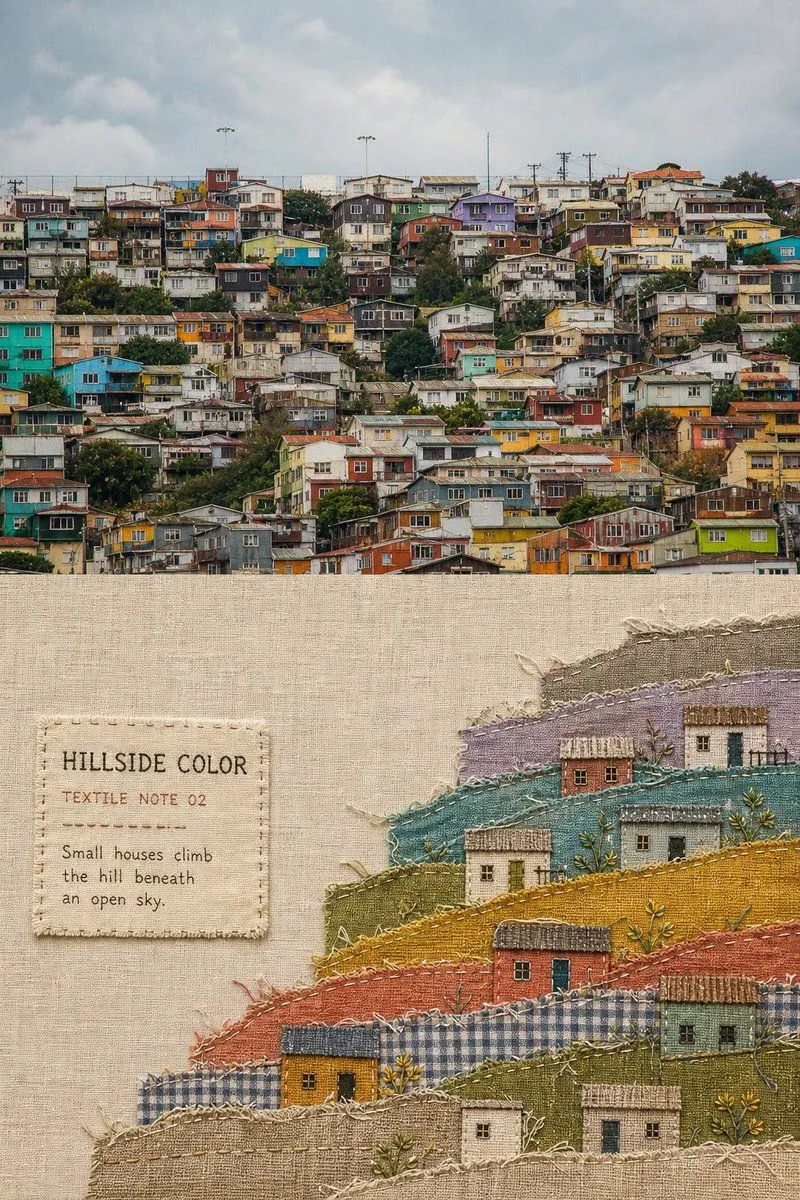
    Please transform each travel photo I upload into an individual premium fabric collage memory poster. Each photo should be output separately, not as a multi-photo montage. The overall layout uses a 3:4 vertical composition. The final product must simultaneously feature the clearly identifiable original photograph and a fabric collage re-interpretation of the same scene. The top part retains approximately 46%–52% of the original photo, faithfully maintaining the identity, quantity, posture, architectural structures, mountain/water layers, horizon, roads, water surfaces, real textures, natural light and shadow, and original colors, with only minor color grading similar to travel magazines or art publications. Do not stretch, mirror, change subjects, or turn the photo into an illustration. The bottom part uses warm natural linen, old cotton, or faded fabrics as a base. First, understand the ridges, clouds, buildings, groves, water surfaces, roads, people, animals, or vehicles that truly determine the recognizability of the photo, then compress the complex scene into 4–8 main fabric layers. Reorganize the same scene using faded cotton, coarse linen, denim, plaid, corduroy, old shirt fabric, gauze, and a minimal amount of yarn; each piece of fabric must correspond to the real spatial relationships in the photo, adding no irrelevant decorations. The fabric layers should retain real warp and weft textures, washed-out fading, frayed edges, loose threads, creases, overlapping patches, and slight thickness. Use uneven hand-stitching, overcasting, backstitching, and a small amount of embroidery thread to emphasize subject outlines, ridges, reflections, or direction of movement. Stitches can be hesitant, loose, or varying in density, but do not make it look like a refined craft sample. People and animals should only be summarized with small fabric scraps and stitch marks, maintaining their count, posture, and orientation without depicting facial features. The bottom part adopts a structured secondary composition: the main fabric collage occupies about 58%–76% of the re-interpretation area. It can be shrunk into an independent scene or formed with a few large fabric layers for a strong silhouette; do not simply redo the photo's full framing in equal proportions. Leave at least 25%–40% of continuous visible linen or old cotton empty space around the collage. Colors are extracted entirely from the original photo and softened, prioritizing the retention of the most recognizable color of the location, while the rest are unified into low-to-medium saturation old fabric tones. Do not use fixed patterns like rural floral prints or orange-blue palettes. In the bottom white space, add a 1–3 word English title, a woven label-style number, and a 5–10 word English observation sentence. The title should look like slightly uneven hand-embroidered letters; the label and observation sentence should look like old woven labels or fine-stitch text sewn onto the base fabric, clearly readable at normal preview size. The text must come from the actual visible location, action, weather, or color in the photo; use the scene theme if the location cannot be confirmed, and do not fabricate place names or dates. The overall vibe is warm, quiet, handmade, and nostalgic, like preserved travel memories. Mandatory avoidances: paper collage, torn paper edges, pure felt painting, tufted rugs, crochet dolls, refined embroidery templates, lace buttons, scrapbook clutter, printed photo patches, smooth vector blocks, plastic synthetic fabrics, children's crafts, completely filling the bottom half, fixed sunset color schemes, author names, signatures, logos, QR codes, watermarks, gibberish.

    Works in
    ChatGPT, Gemini
    Status
    Free to copy
    0
    DetailsVersions, settings and questions

    Written for

    What's in the prompt

    Subject
    Model
    GPT Image 2

    If your face changes

    keep my face exactly the same

    Questions

    Does this work in the ChatGPT app?
    Yes. Paste the prompt and attach your photo if it uses one.
    It changed my face. What do I do?
    Add "keep my face exactly the same" to the end and run it again.
    Can I use the images I make?
    Check the terms of the app you use. Promptclay never generates images and claims nothing you make.
    Similar prompts

    See more
    • Paper Cut Collage Poster Design
    • Japanese Paper-Cut Sunset Collage
    • Travel Gouache Still Life Poster
    • Torn Edge Ink Memory Poster
    • Paper Relief Neighborhood Grid
    • Travel Field Note Poster
    • Mediterranean Village Painted Miniature
    • Nostalgic 80s 90s China Memory Poster
    • Miniature Japanese Canal Town at Dusk
    • Hidden Duck in Chibi Venice
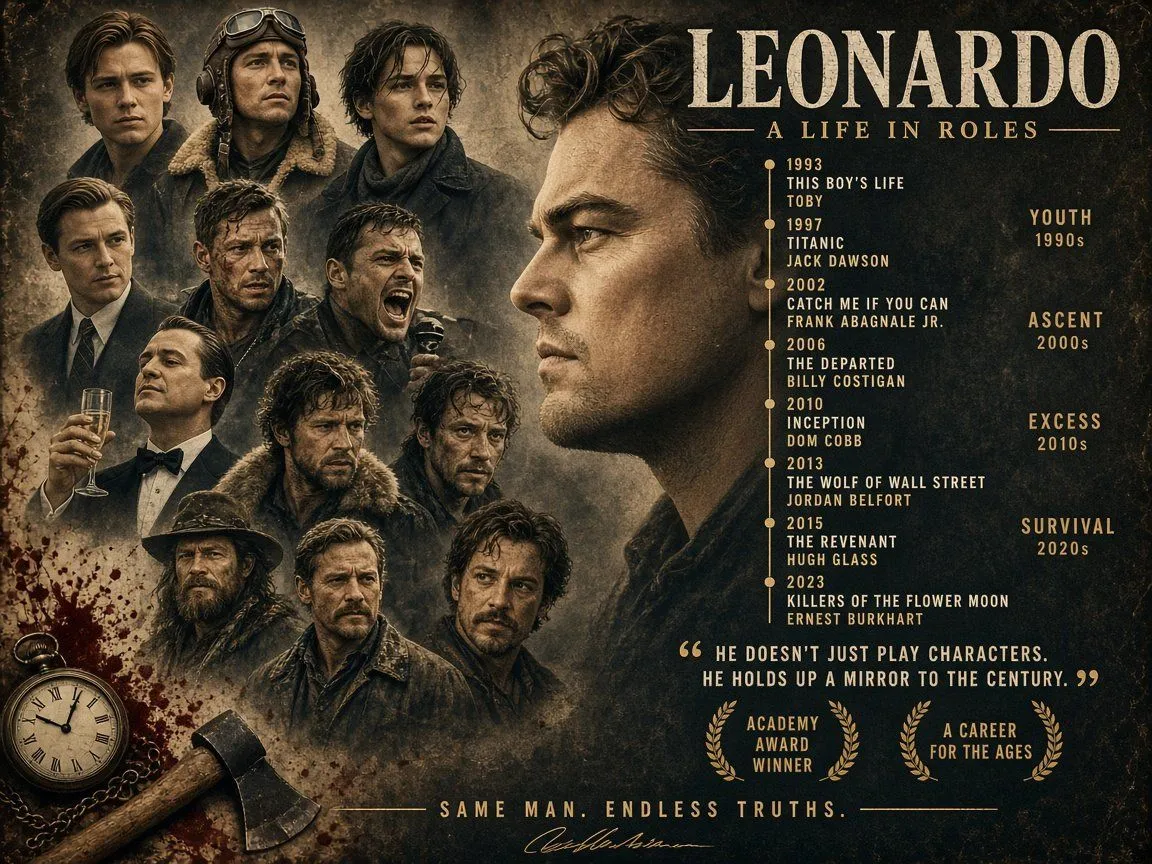
    • Leonardo Life in Roles Poster
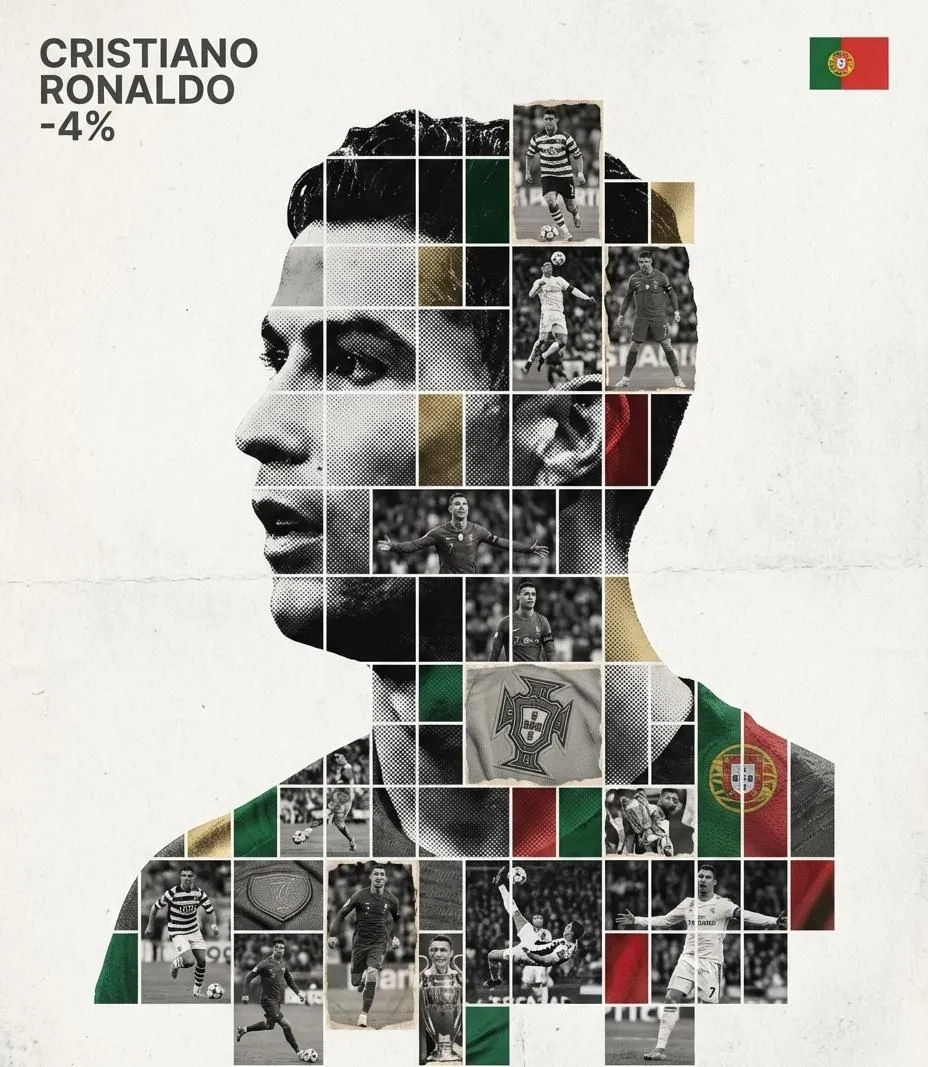
    • Gallery-Quality Tribute Poster with Textured Photo Mosaic Silhouette
    • Vertical Poster Collage Design
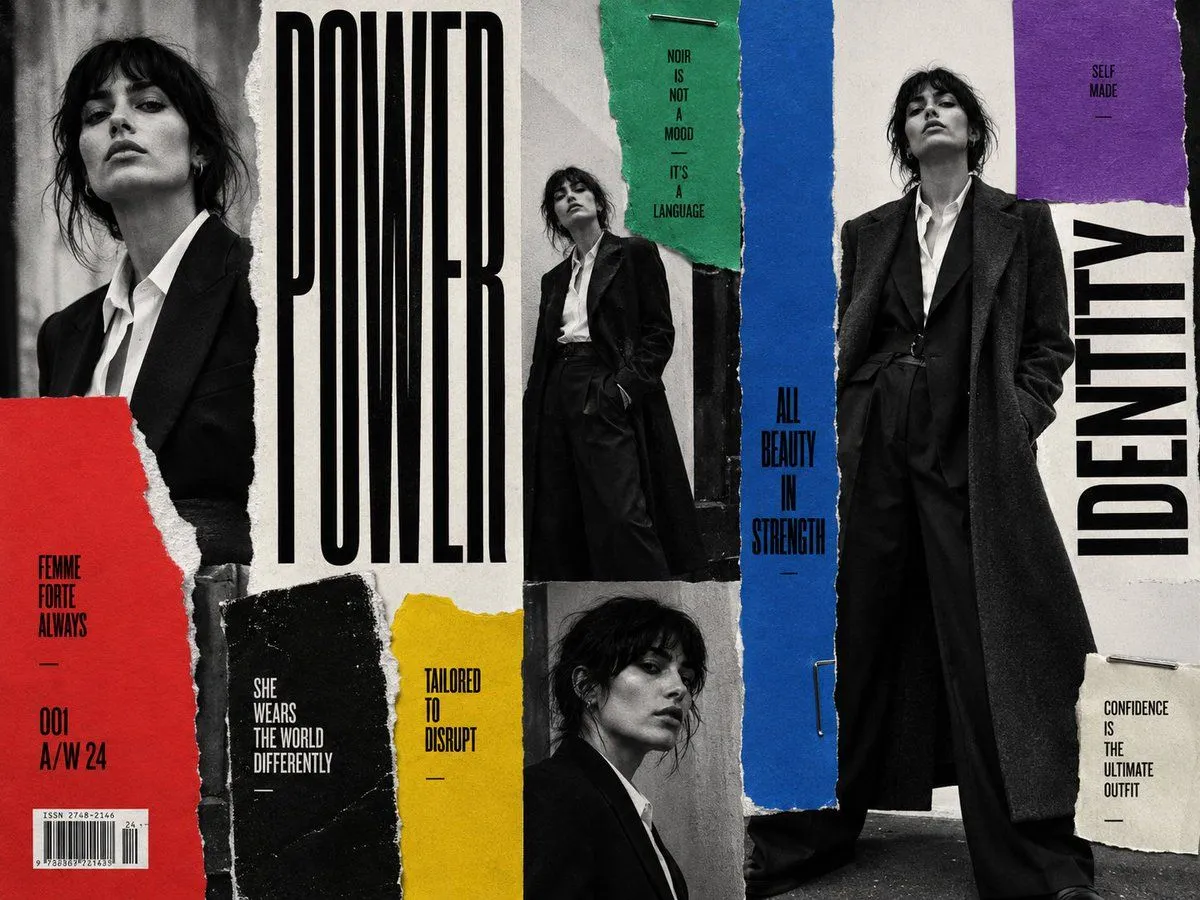
    • Noir Fashion Collage Poster
    • Cinematic Elevator Selfie Fashion Poster
    • Streetwear Brand Drop Collage Poster
    • Vintage Travel Journal Editorial Collage
    • Vertical Birthday Poster Collage with Cinematic Monochrome Photos
    • High-Quality Vertical Collage of a Young Woman in Luxury Winter Style
    • Summer Dopamine Fresh Style Collage Prompt for Nano Banana Pro
    • Vintage travel journal watercolor
    • Girl on Polluted Industrial Beach
    • Ligne Claire Suburban Landscape
    • Anime Style Coastal Village Stroll

    Show more

    Run it on your phone

    1. Prompt copiedRead it

      Please transform each travel photo I upload into an individual premium fabric collage memory poster. Each photo should be output separately, not as a multi-photo montage. The overall layout uses a 3:4 vertical composition. The final product must simultaneously feature the clearly identifiable original photograph and a fabric collage re-interpretation of the same scene. The top part retains approximately 46%–52% of the original photo, faithfully maintaining the identity, quantity, posture, architectural structures, mountain/water layers, horizon, roads, water surfaces, real textures, natural light and shadow, and original colors, with only minor color grading similar to travel magazines or art publications. Do not stretch, mirror, change subjects, or turn the photo into an illustration. The bottom part uses warm natural linen, old cotton, or faded fabrics as a base. First, understand the ridges, clouds, buildings, groves, water surfaces, roads, people, animals, or vehicles that truly determine the recognizability of the photo, then compress the complex scene into 4–8 main fabric layers. Reorganize the same scene using faded cotton, coarse linen, denim, plaid, corduroy, old shirt fabric, gauze, and a minimal amount of yarn; each piece of fabric must correspond to the real spatial relationships in the photo, adding no irrelevant decorations. The fabric layers should retain real warp and weft textures, washed-out fading, frayed edges, loose threads, creases, overlapping patches, and slight thickness. Use uneven hand-stitching, overcasting, backstitching, and a small amount of embroidery thread to emphasize subject outlines, ridges, reflections, or direction of movement. Stitches can be hesitant, loose, or varying in density, but do not make it look like a refined craft sample. People and animals should only be summarized with small fabric scraps and stitch marks, maintaining their count, posture, and orientation without depicting facial features. The bottom part adopts a structured secondary composition: the main fabric collage occupies about 58%–76% of the re-interpretation area. It can be shrunk into an independent scene or formed with a few large fabric layers for a strong silhouette; do not simply redo the photo's full framing in equal proportions. Leave at least 25%–40% of continuous visible linen or old cotton empty space around the collage. Colors are extracted entirely from the original photo and softened, prioritizing the retention of the most recognizable color of the location, while the rest are unified into low-to-medium saturation old fabric tones. Do not use fixed patterns like rural floral prints or orange-blue palettes. In the bottom white space, add a 1–3 word English title, a woven label-style number, and a 5–10 word English observation sentence. The title should look like slightly uneven hand-embroidered letters; the label and observation sentence should look like old woven labels or fine-stitch text sewn onto the base fabric, clearly readable at normal preview size. The text must come from the actual visible location, action, weather, or color in the photo; use the scene theme if the location cannot be confirmed, and do not fabricate place names or dates. The overall vibe is warm, quiet, handmade, and nostalgic, like preserved travel memories. Mandatory avoidances: paper collage, torn paper edges, pure felt painting, tufted rugs, crochet dolls, refined embroidery templates, lace buttons, scrapbook clutter, printed photo patches, smooth vector blocks, plastic synthetic fabrics, children's crafts, completely filling the bottom half, fixed sunset color schemes, author names, signatures, logos, QR codes, watermarks, gibberish.

    2. Open your app

      This prompt is long, so it is copied instead of sent in the link. Paste it in the app.

    3. Paste and run

      Press and hold the message box, then tap Paste. Add your photo first if the prompt uses one. You may need to sign in.

    Fabric Collage Travel Memory Poster