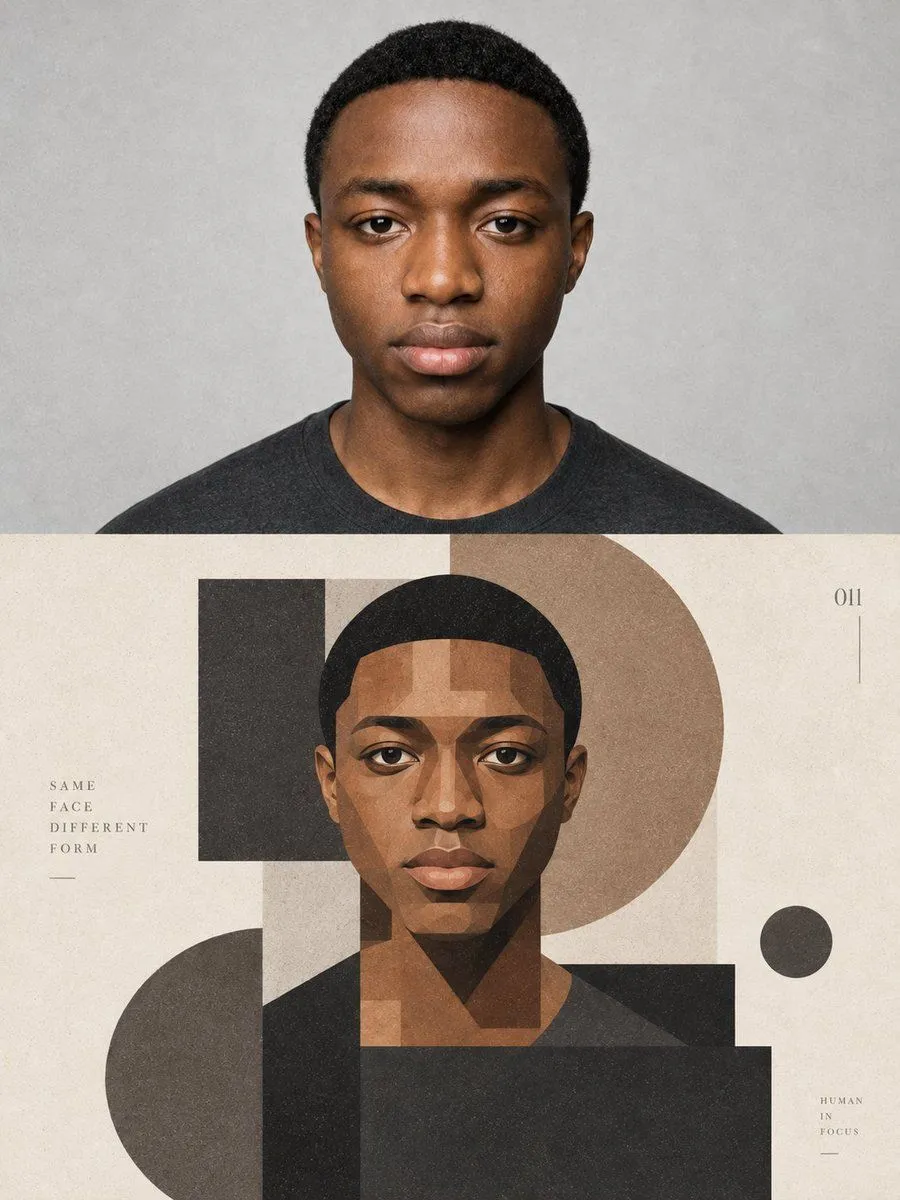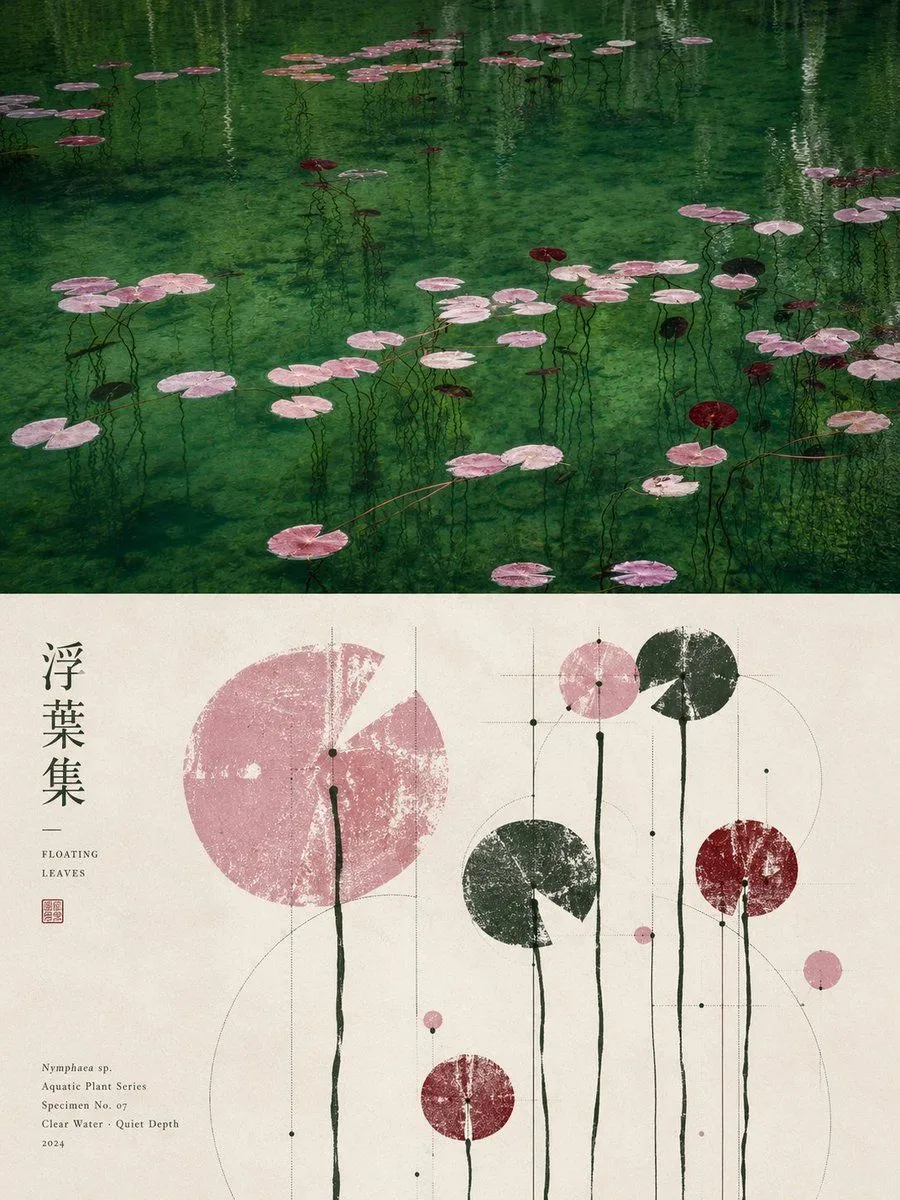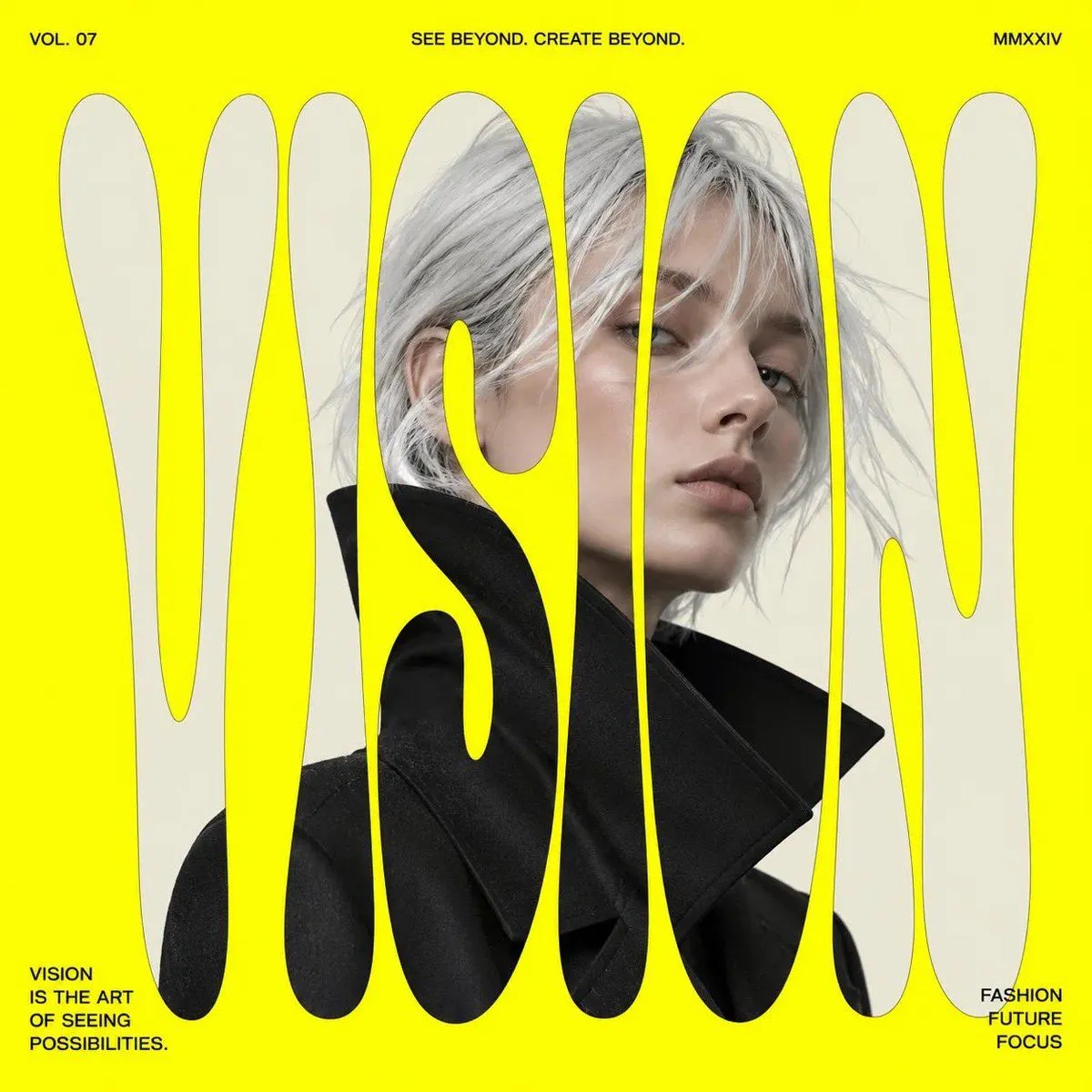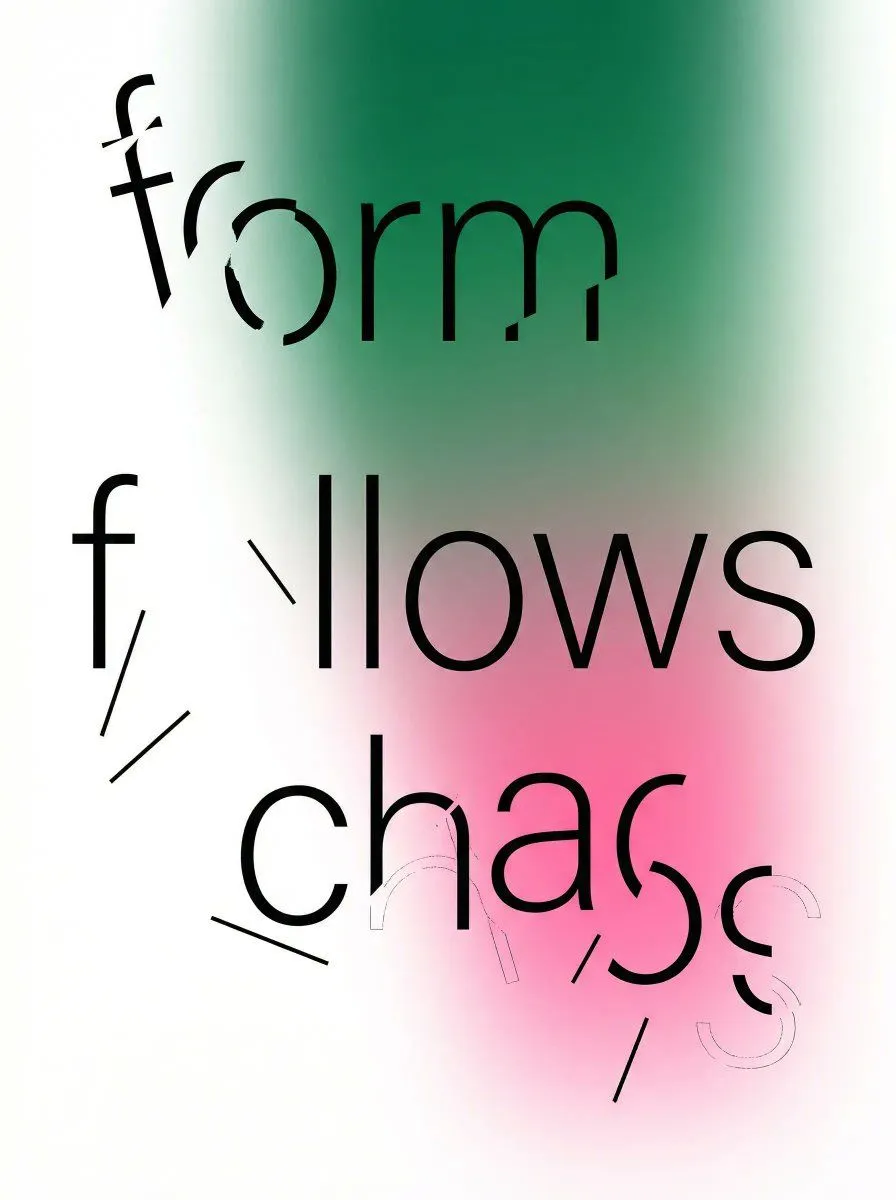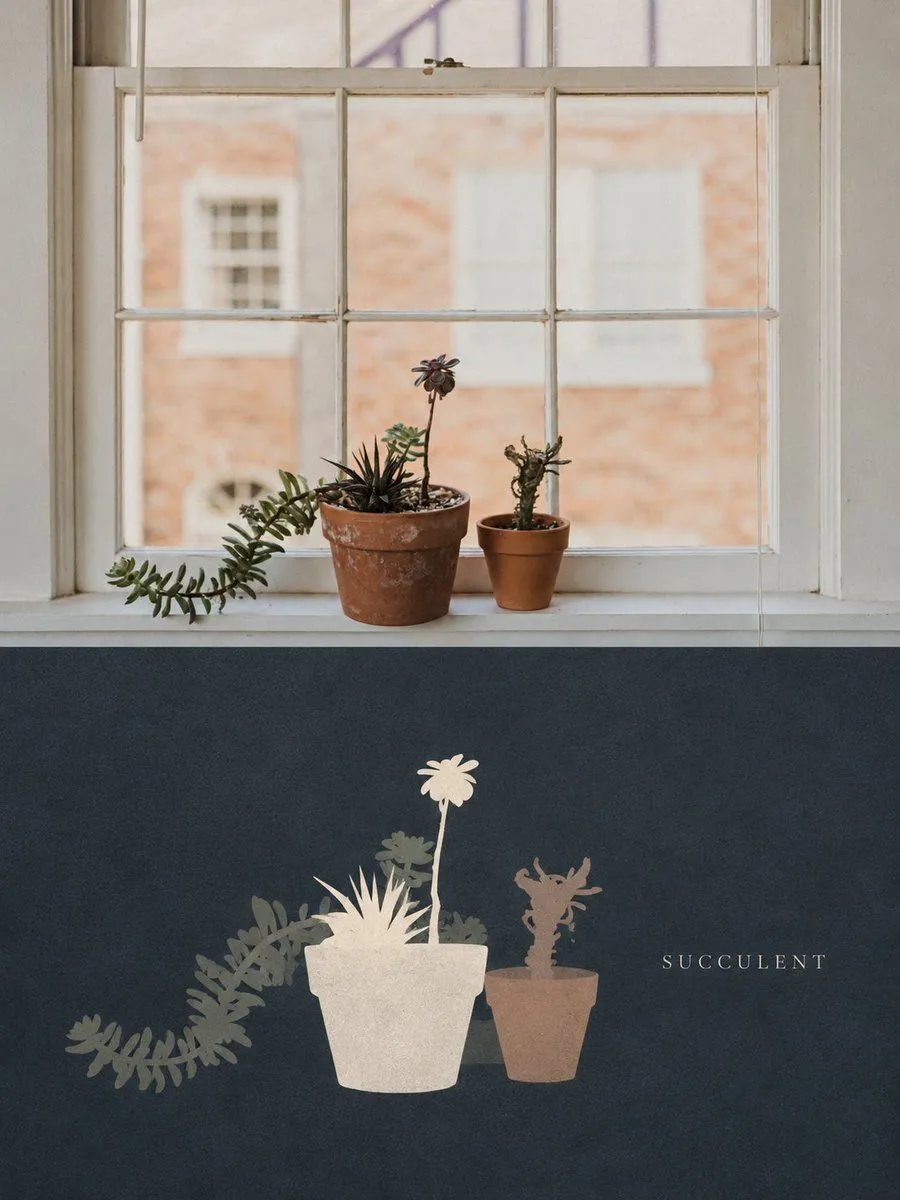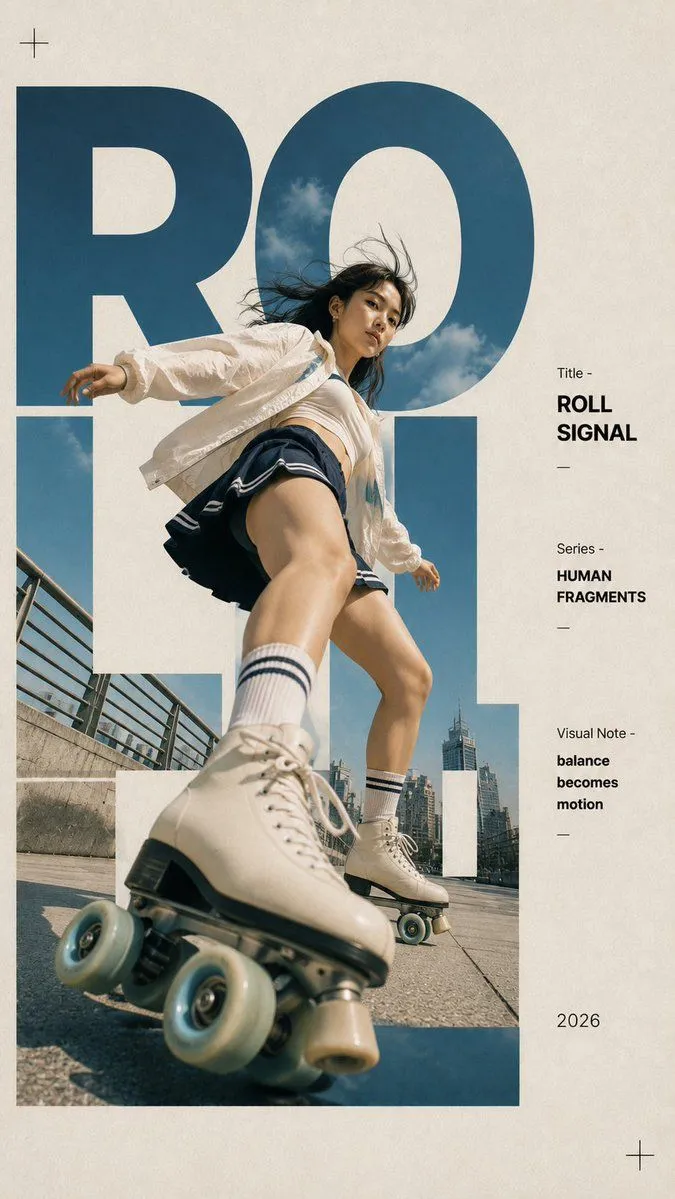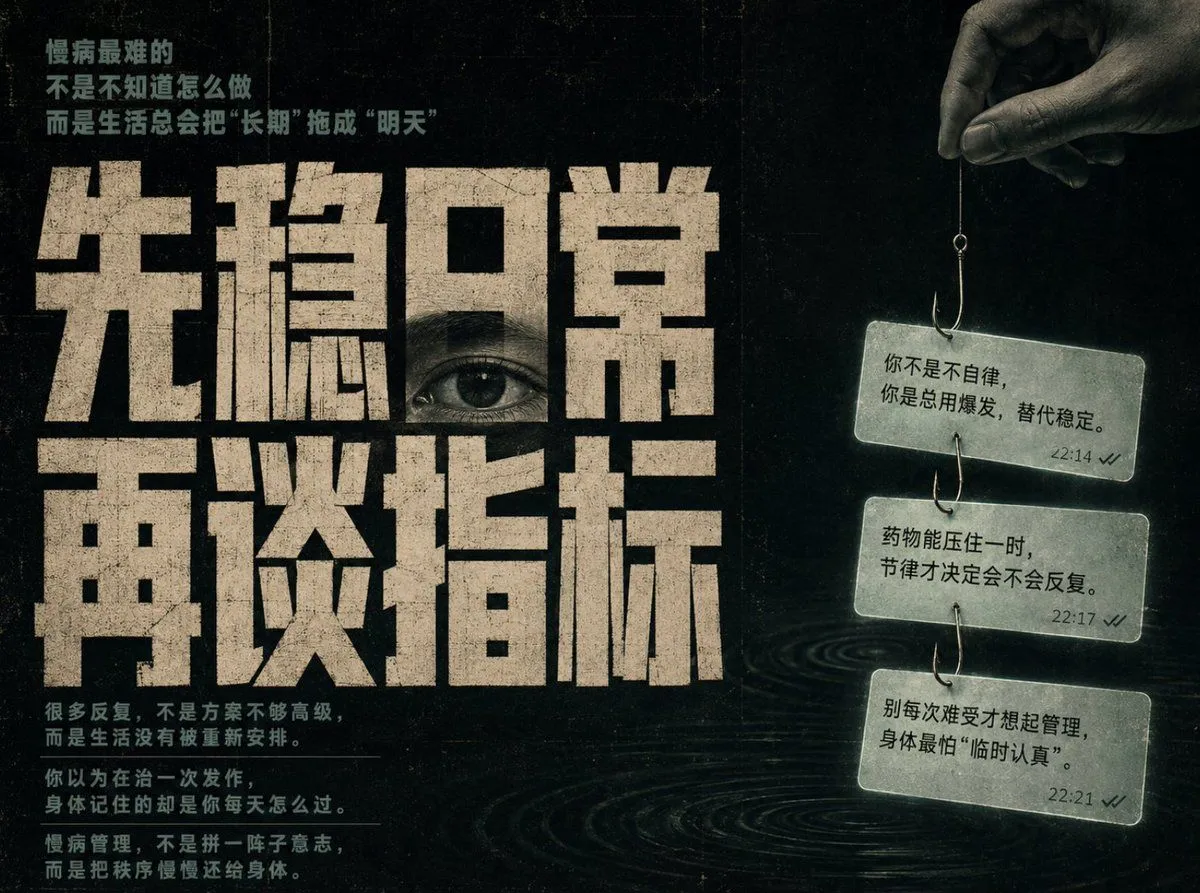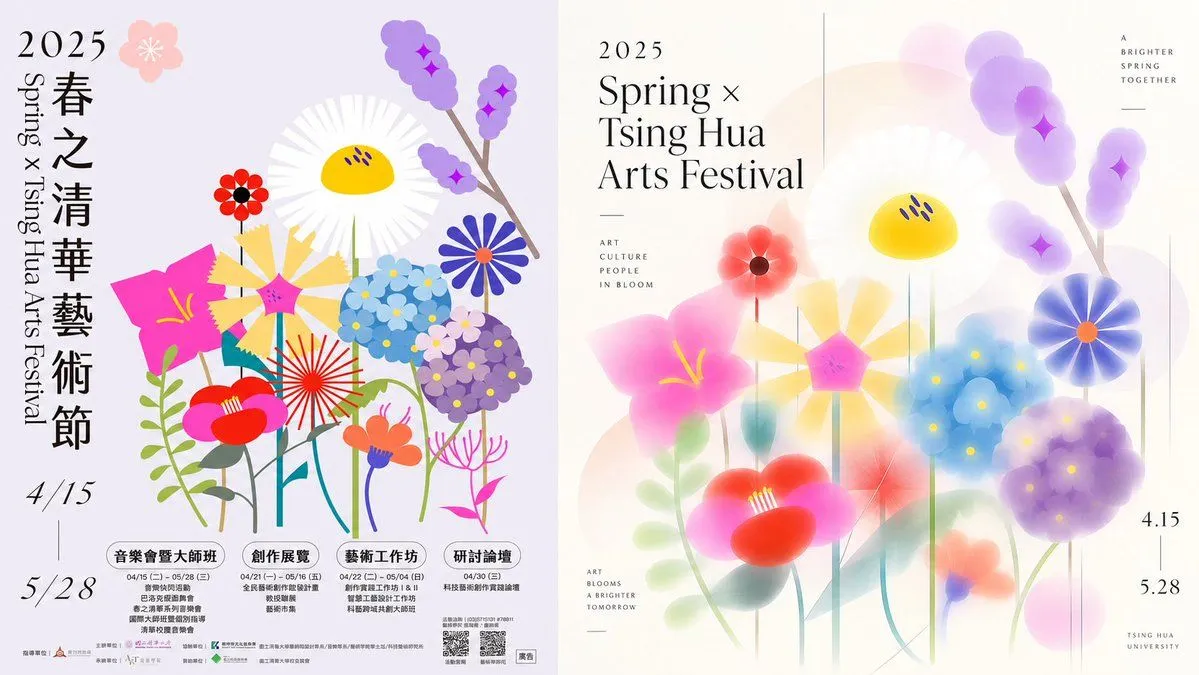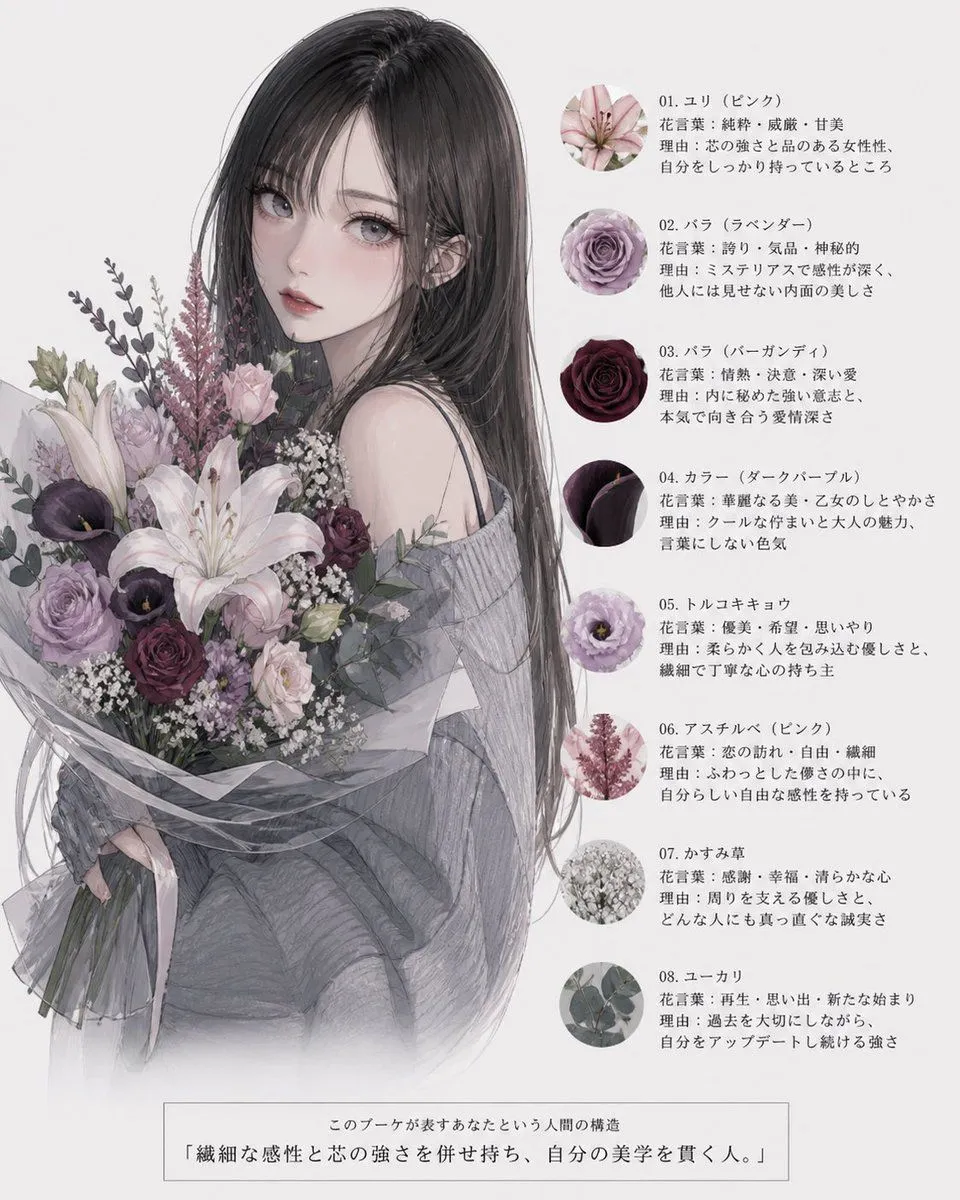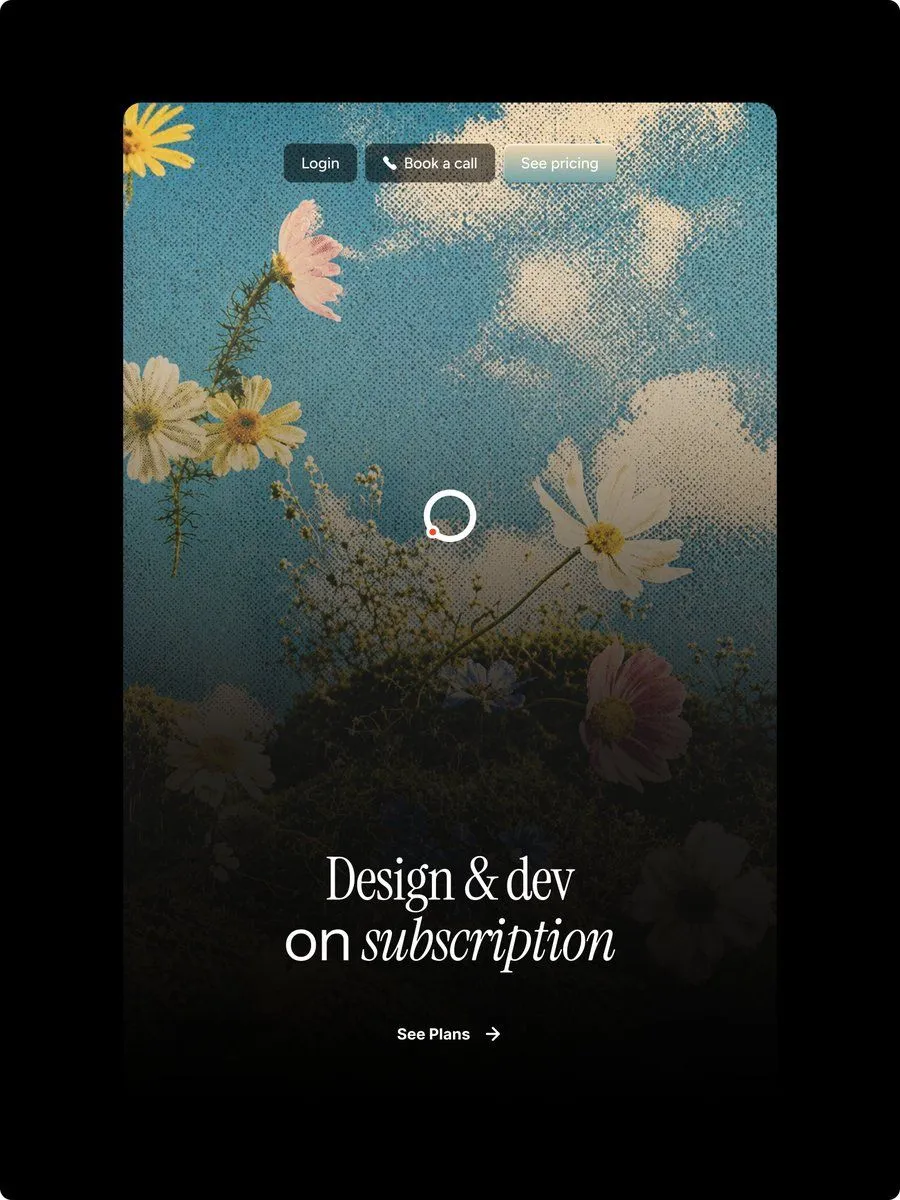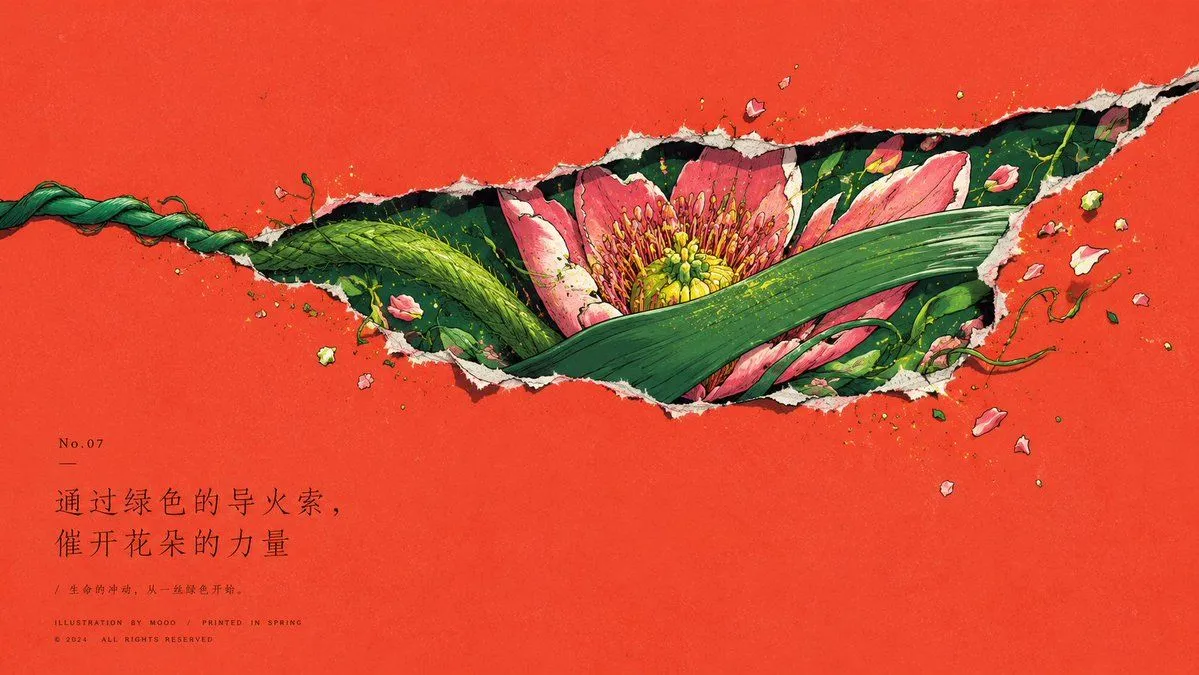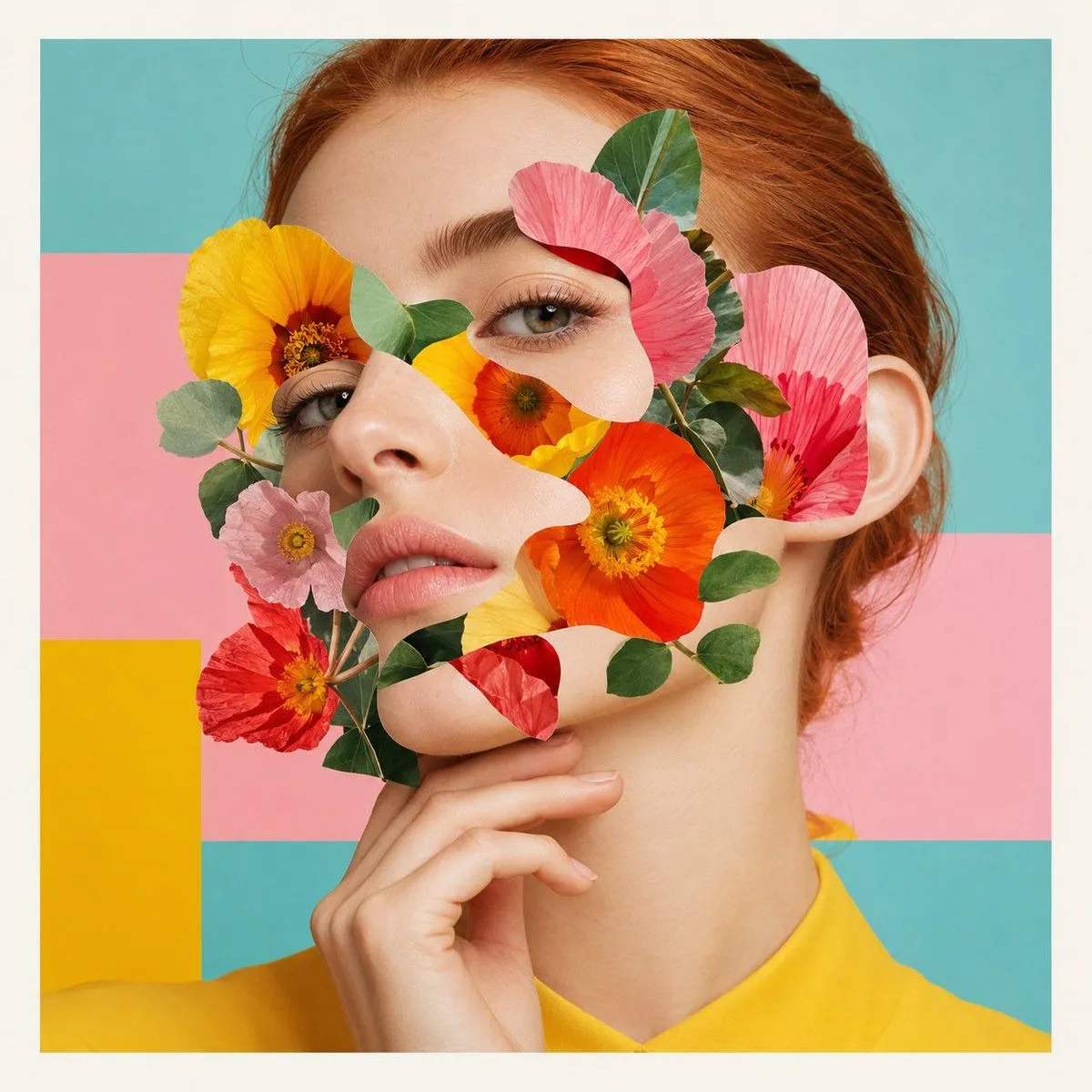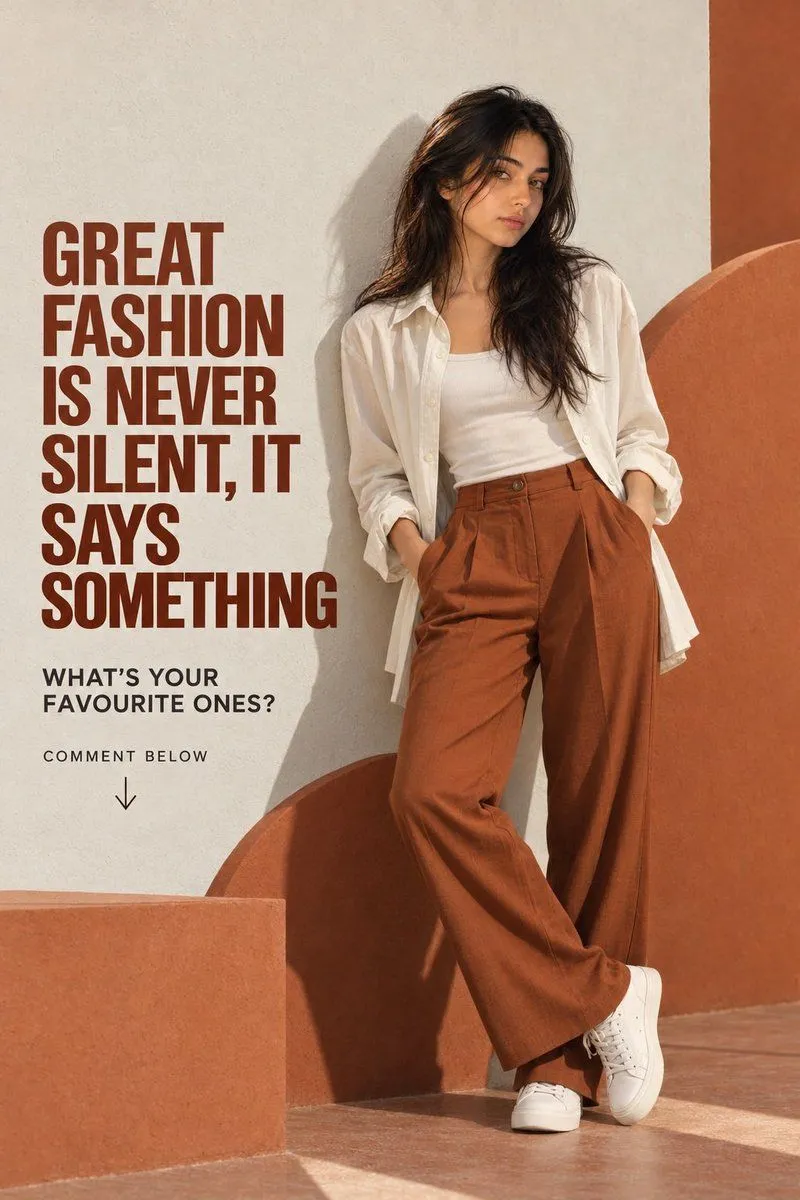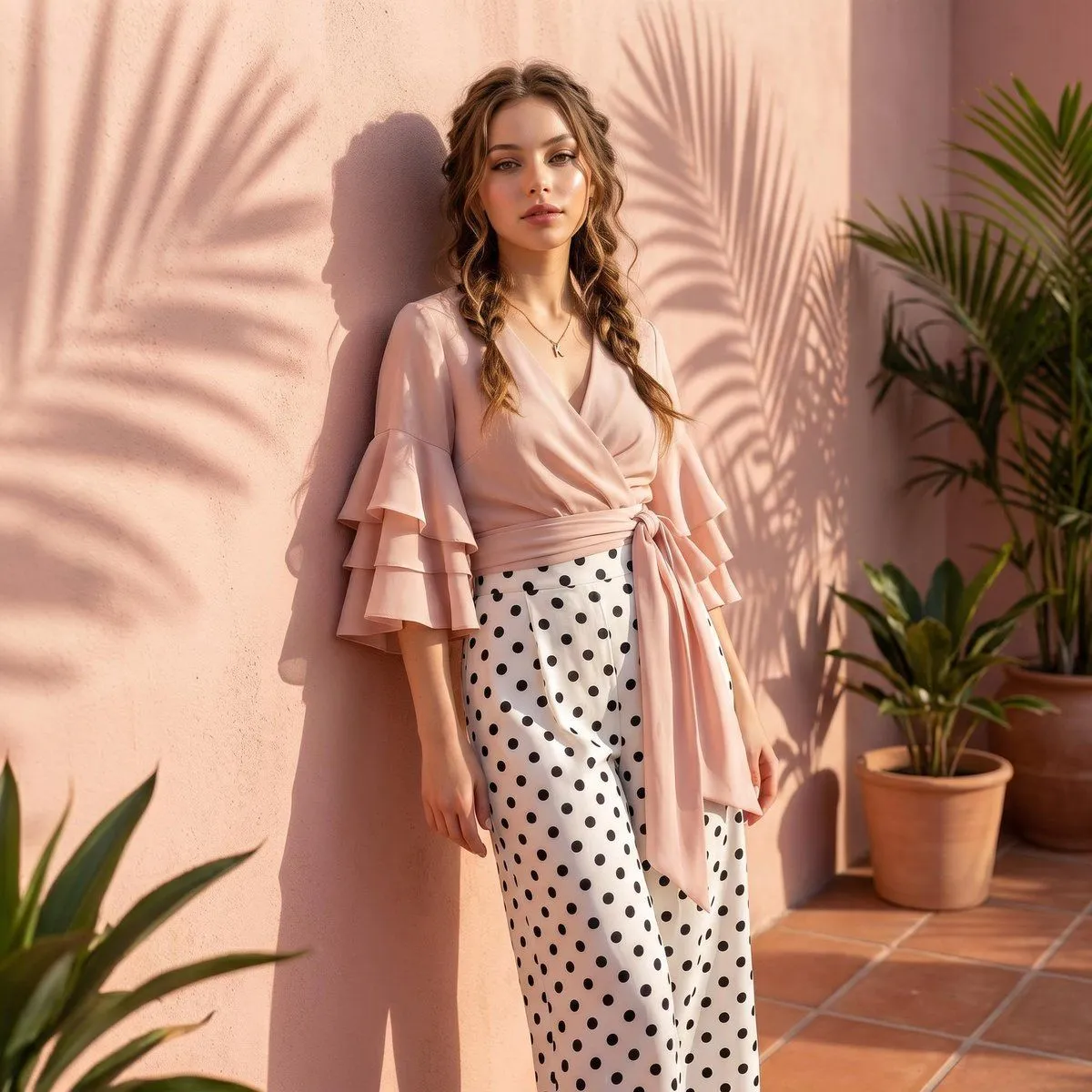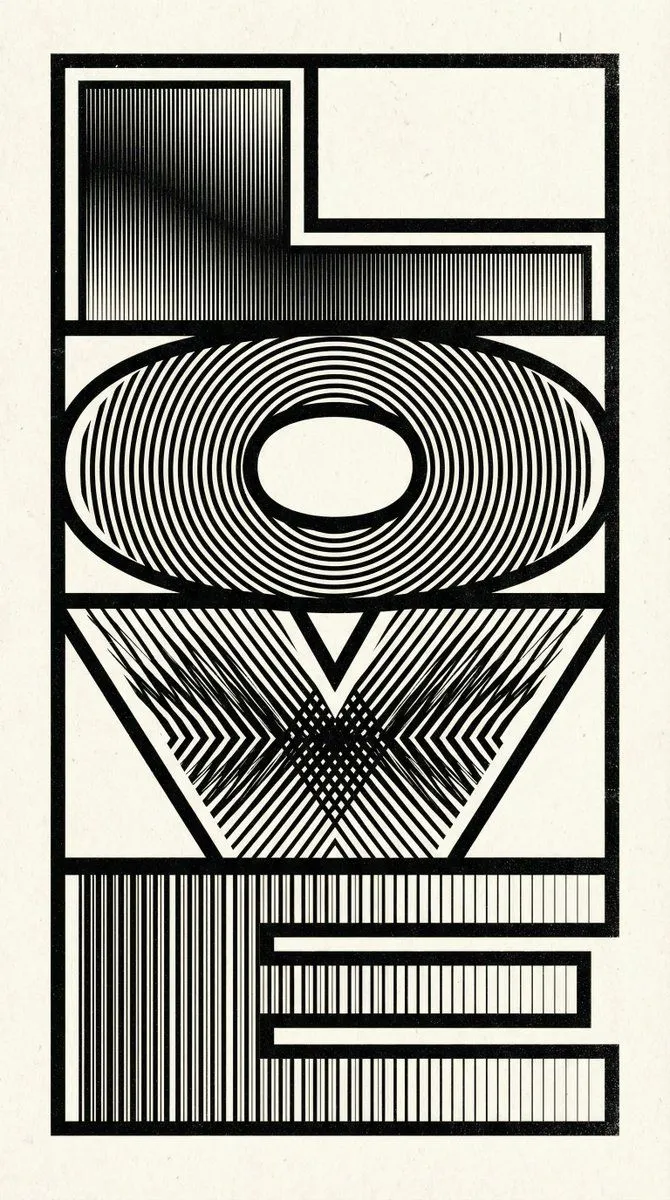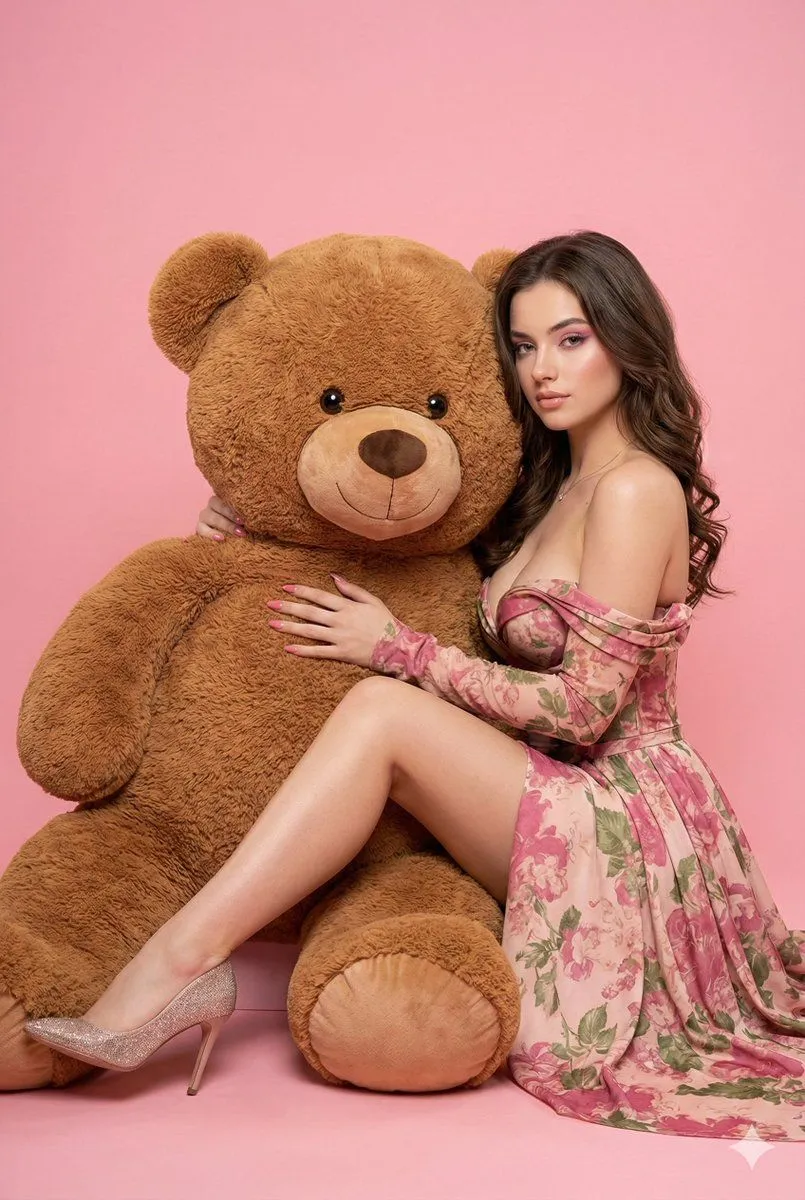

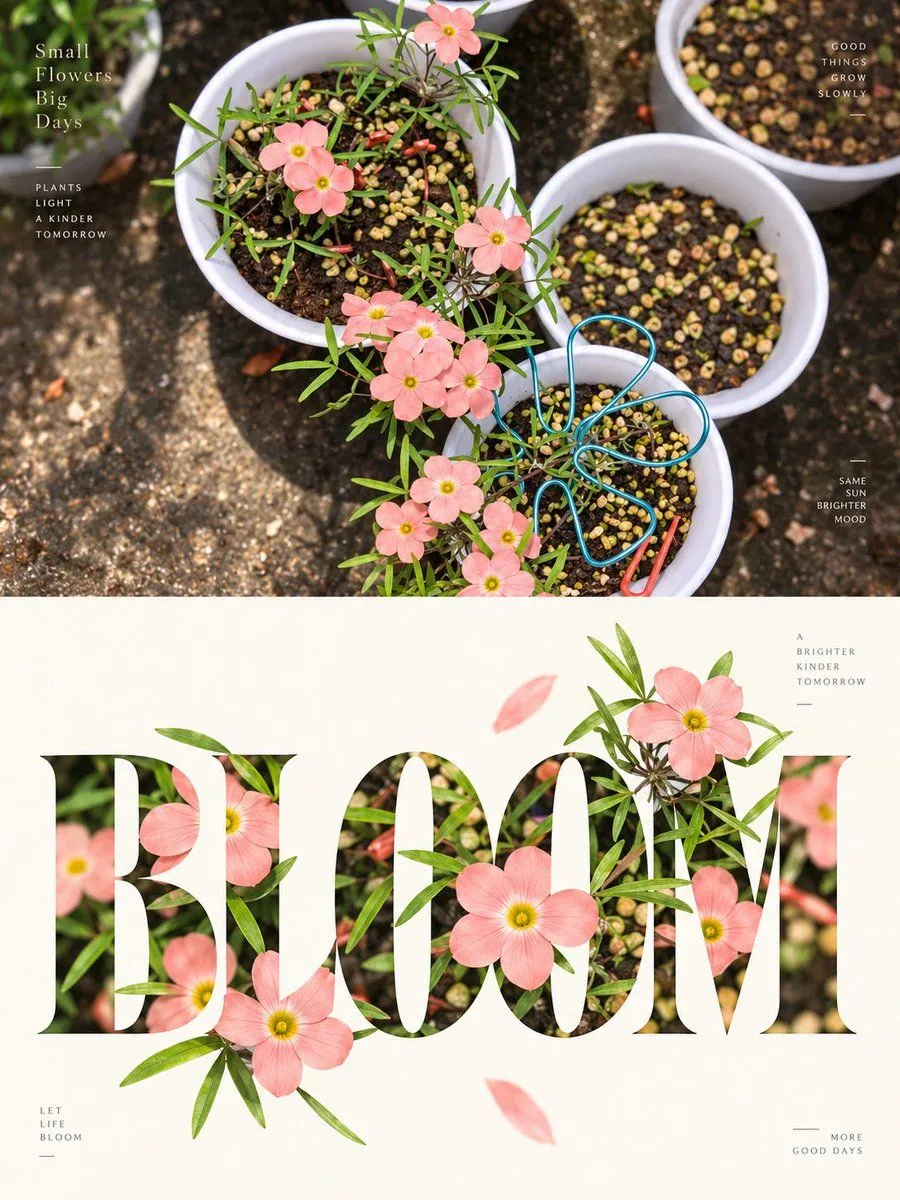
Made with GPT Image 2 in ChatGPT by Library Typography. Promptclay never generates images.
Did it work?
No reports yet. Tell others if it worked for you.
Experimental Typography Editorial Poster
Prompt
2 blanks to fillPlease transform each photo I upload into an independent, premium design poster, without multi-image stitching, outputting each photo separately. The overall layout adopts a {layout_ratio} vertical composition, where the upper and lower sections are strictly equal at a 1:1 ratio, each taking up 50% of the canvas. The upper half retains the original photo, preserving the identity, structure, posture, realistic texture, natural lighting, and original color atmosphere of the main subject, with only subtle premium color grading applied to give it the aesthetic quality of an art magazine, independent publication, or exhibition image. To fit the aspect ratio, the environmental background can be naturally extended, but the subject must not be stretched, distorted, or altered. The lower half extracts only the most recognizable subject, outlines, structures, postures, and narrative relationships from the photo, reapplying artistic judgment to reconstruct it into a conceptual poster centered on kinetic typography, typography masking, and type-image integration. Do not copy the photo completely, nor simply stuff the entire photo inside the text; instead, eliminate most of the background and irrelevant information, retaining only the most critical visual memory points so that the subject maintains a clear correspondence with the photo above. Freely extract a short, visually powerful word or phrase based on the theme of the original image, with no language restrictions. The text itself becomes the primary compositional framework of the lower half: embed the subject imagery into the glyphs via Typography Masking / Extended Letterform, and extend, slice, elongate, displace, or structurally reorganize the brushstrokes so that the glyph simultaneously serves as a window, boundary, path, column, or spatial framework. The subject can partially burst out of the letterforms, intersecting, connecting, or overlapping with the text, making the 'type' and 'image' truly function as a unified whole, rather than just a title added onto a picture. The composition emphasizes positive/negative space and large amounts of intentional white space. The text and subject concentrate to form a clear visual core, while the remaining areas are boldly left blank; elements can be off-center, aligned to the edges, suspended, or partially cropped according to the subject's direction, proportion, and visual center of gravity. Re-direct the frame through glyph scale, stroke extension, figure-ground reversal, and whitespace relationships—even if the original background is cluttered or the subject is small, it must be transformed into a viable piece of art through deletion, reorganization, and scale adjustments. Reflections, mirrored extensions, or distorted refractions should only be used if the original image has corresponding water, glass, ground, or spatial relationships, and should not be forced. The color palette retains the most memorable and vibrant color relationships from the photo above, subtly brightened, purified, and cleared of muddiness; the imagery inside the glyphs can retain more vivid primary colors, while the exterior forms a large breathing space using warm white, {background_base_color}, or an extremely pale background intelligently matched to the original image's comprehensive color temperature. The overall colors should be clean, lightweight, and visually striking without being overly gaudy, avoiding dark, muddy, dirty, or cheap filter effects. Apart from the core glyphs, only a minimal amount of secondary text information is permitted, utilizing slender, cool fonts that possess a sense of modern editorial order and slight experimental layout sensibility, quietly positioned in the white space, along glyph edges, or structural axes to establish scale contrast and reading rhythm with the main glyphs. The final output presents a high-end visual effect of Typographic Photo Manipulation / Experimental Typography Poster / Type–Image Integration, specifically highlighting glyph extension, font masking, type-image fusion, positive and negative forms, massive white space, and spatial illusions. Avoid basic photo-in-text fills, full scene replication, text stacking, complex backgrounds, commercial title templates, and cheap compositing looks.
Preview of your prompt
Please transform each photo I upload into an independent, premium design poster, without multi-image stitching, outputting each photo separately. The overall layout adopts a 3:4 vertical composition, where the upper and lower sections are strictly equal at a 1:1 ratio, each taking up 50% of the canvas. The upper half retains the original photo, preserving the identity, structure, posture, realistic texture, natural lighting, and original color atmosphere of the main subject, with only subtle premium color grading applied to give it the aesthetic quality of an art magazine, independent publication, or exhibition image. To fit the aspect ratio, the environmental background can be naturally extended, but the subject must not be stretched, distorted, or altered. The lower half extracts only the most recognizable subject, outlines, structures, postures, and narrative relationships from the photo, reapplying artistic judgment to reconstruct it into a conceptual poster centered on kinetic typography, typography masking, and type-image integration. Do not copy the photo completely, nor simply stuff the entire photo inside the text; instead, eliminate most of the background and irrelevant information, retaining only the most critical visual memory points so that the subject maintains a clear correspondence with the photo above. Freely extract a short, visually powerful word or phrase based on the theme of the original image, with no language restrictions. The text itself becomes the primary compositional framework of the lower half: embed the subject imagery into the glyphs via Typography Masking / Extended Letterform, and extend, slice, elongate, displace, or structurally reorganize the brushstrokes so that the glyph simultaneously serves as a window, boundary, path, column, or spatial framework. The subject can partially burst out of the letterforms, intersecting, connecting, or overlapping with the text, making the 'type' and 'image' truly function as a unified whole, rather than just a title added onto a picture. The composition emphasizes positive/negative space and large amounts of intentional white space. The text and subject concentrate to form a clear visual core, while the remaining areas are boldly left blank; elements can be off-center, aligned to the edges, suspended, or partially cropped according to the subject's direction, proportion, and visual center of gravity. Re-direct the frame through glyph scale, stroke extension, figure-ground reversal, and whitespace relationships—even if the original background is cluttered or the subject is small, it must be transformed into a viable piece of art through deletion, reorganization, and scale adjustments. Reflections, mirrored extensions, or distorted refractions should only be used if the original image has corresponding water, glass, ground, or spatial relationships, and should not be forced. The color palette retains the most memorable and vibrant color relationships from the photo above, subtly brightened, purified, and cleared of muddiness; the imagery inside the glyphs can retain more vivid primary colors, while the exterior forms a large breathing space using warm white, cream white, or an extremely pale background intelligently matched to the original image's comprehensive color temperature. The overall colors should be clean, lightweight, and visually striking without being overly gaudy, avoiding dark, muddy, dirty, or cheap filter effects. Apart from the core glyphs, only a minimal amount of secondary text information is permitted, utilizing slender, cool fonts that possess a sense of modern editorial order and slight experimental layout sensibility, quietly positioned in the white space, along glyph edges, or structural axes to establish scale contrast and reading rhythm with the main glyphs. The final output presents a high-end visual effect of Typographic Photo Manipulation / Experimental Typography Poster / Type–Image Integration, specifically highlighting glyph extension, font masking, type-image fusion, positive and negative forms, massive white space, and spatial illusions. Avoid basic photo-in-text fills, full scene replication, text stacking, complex backgrounds, commercial title templates, and cheap compositing looks.
DetailsVersions, settings and questions
Written for
What's in the prompt
- Subject
- Model
- GPT Image 2
If your face changes
keep my face exactly the sameQuestions
- Does this work in the ChatGPT app?
- Yes. Paste the prompt and attach your photo if it uses one.
- It changed my face. What do I do?
- Add "keep my face exactly the same" to the end and run it again.
- Can I use the images I make?
- Check the terms of the app you use. Promptclay never generates images and claims nothing you make.