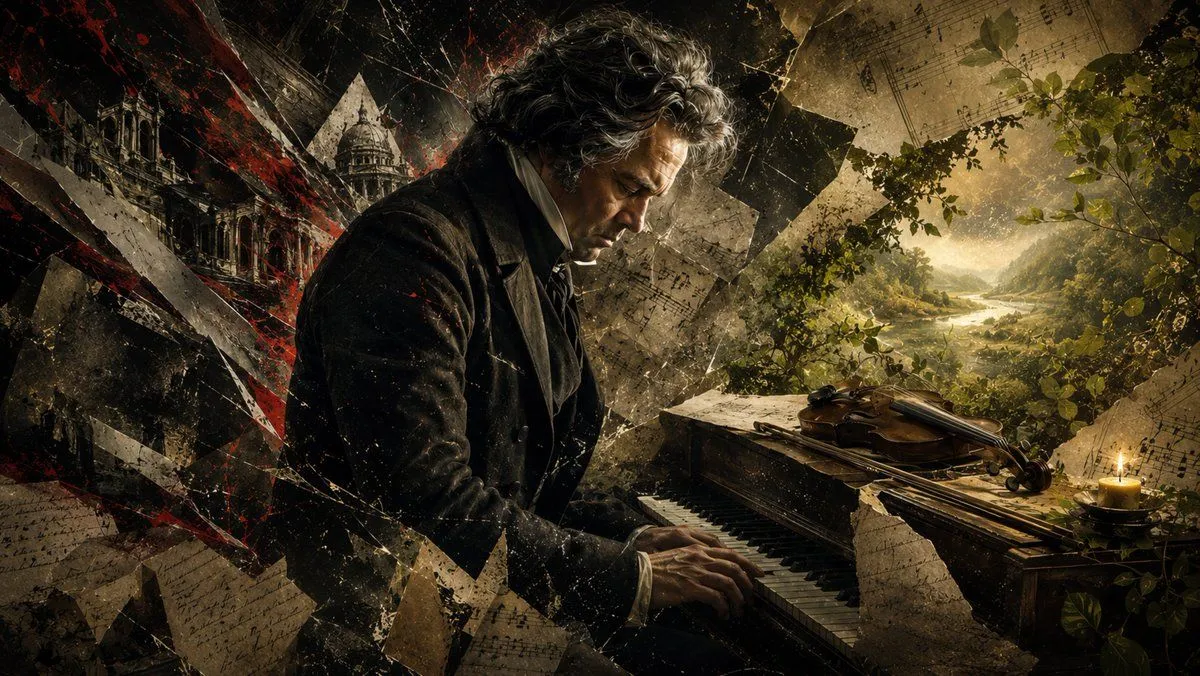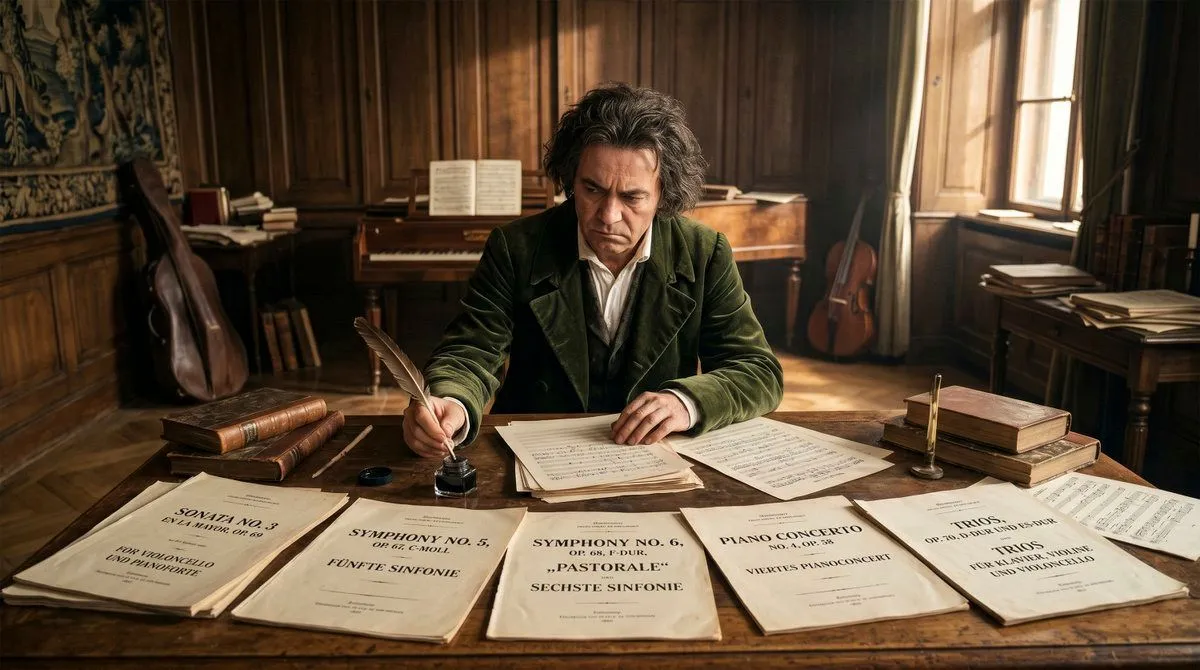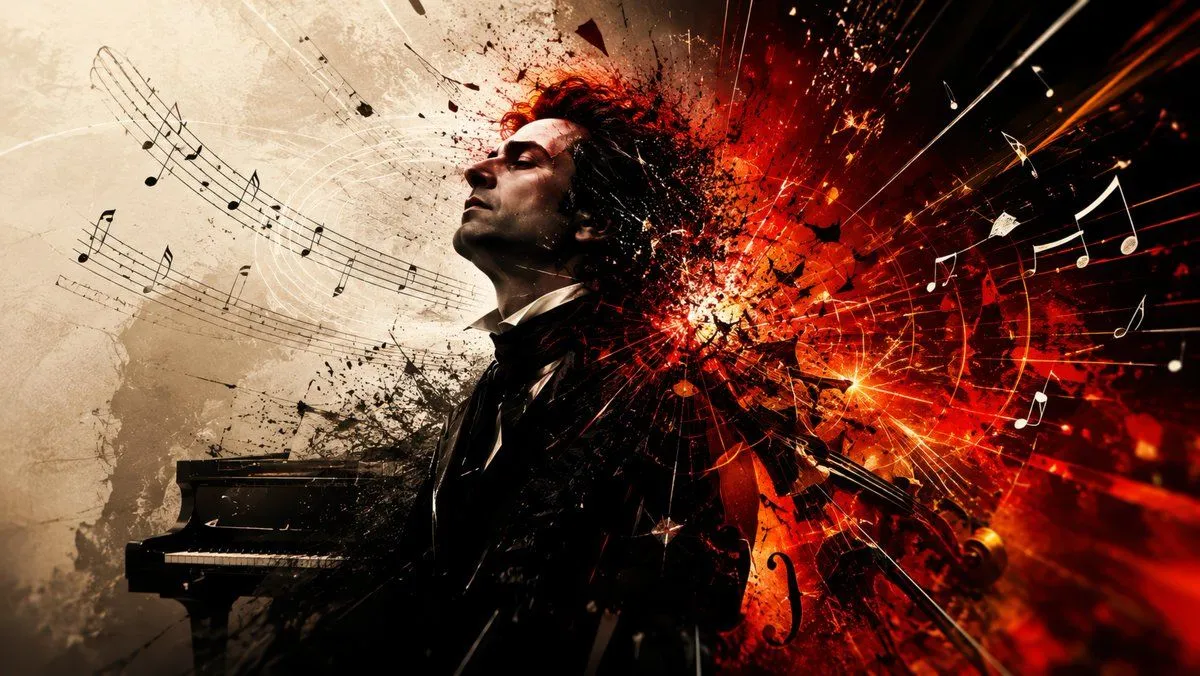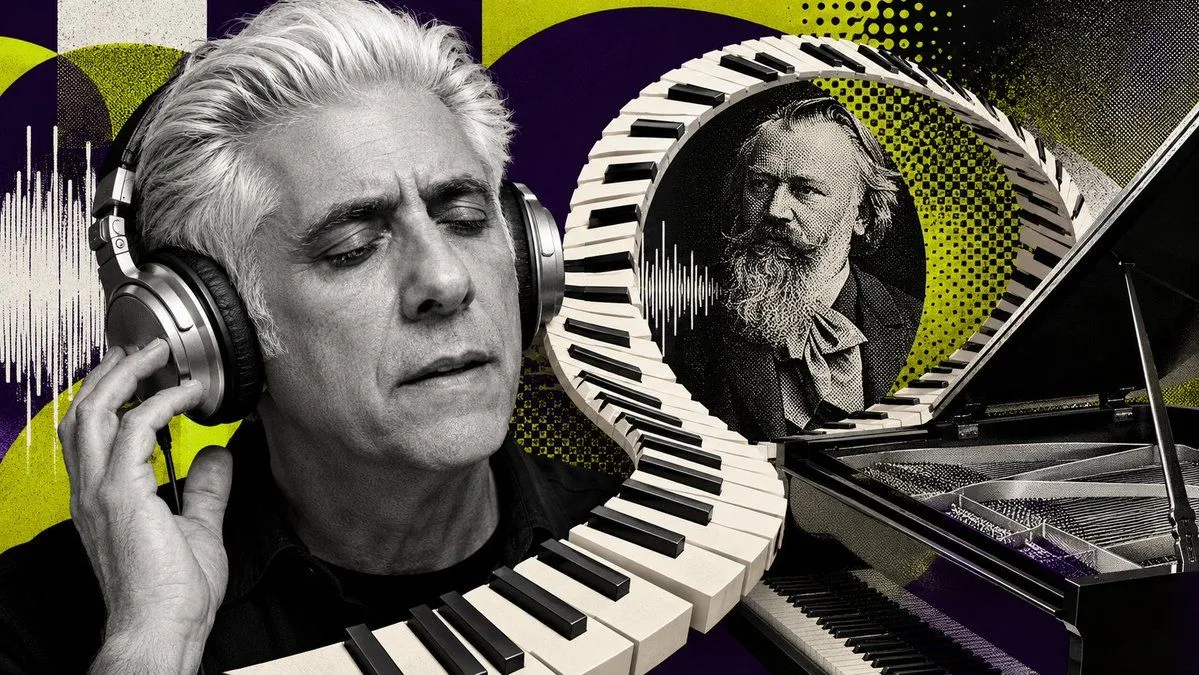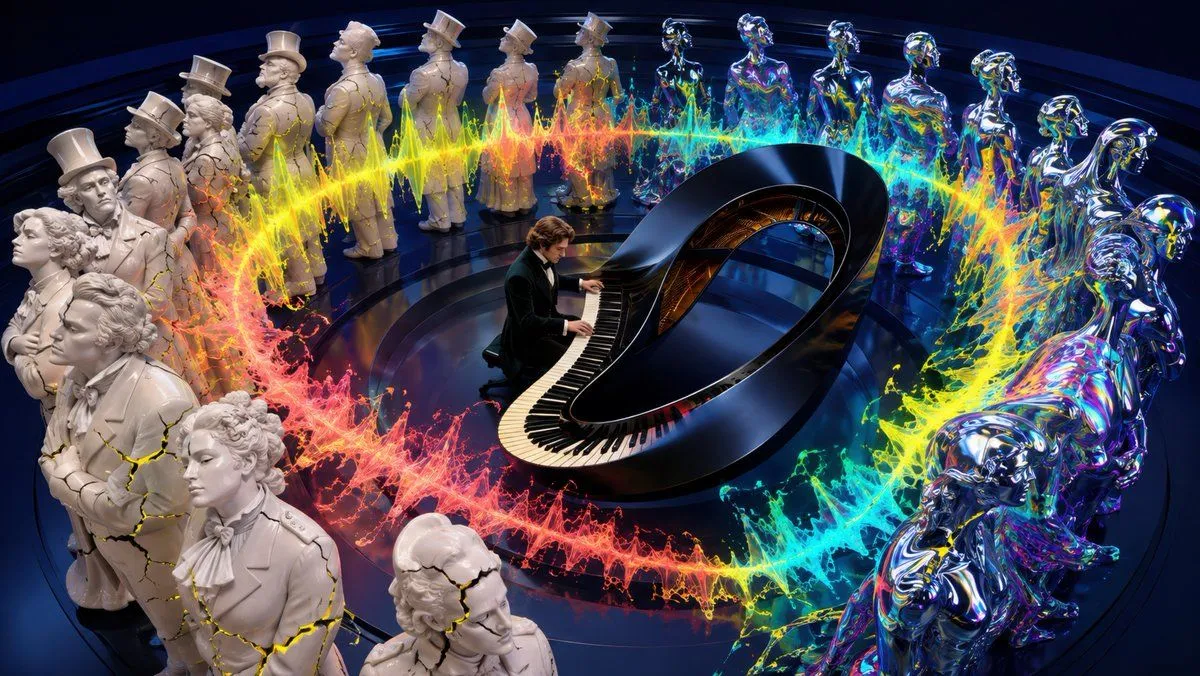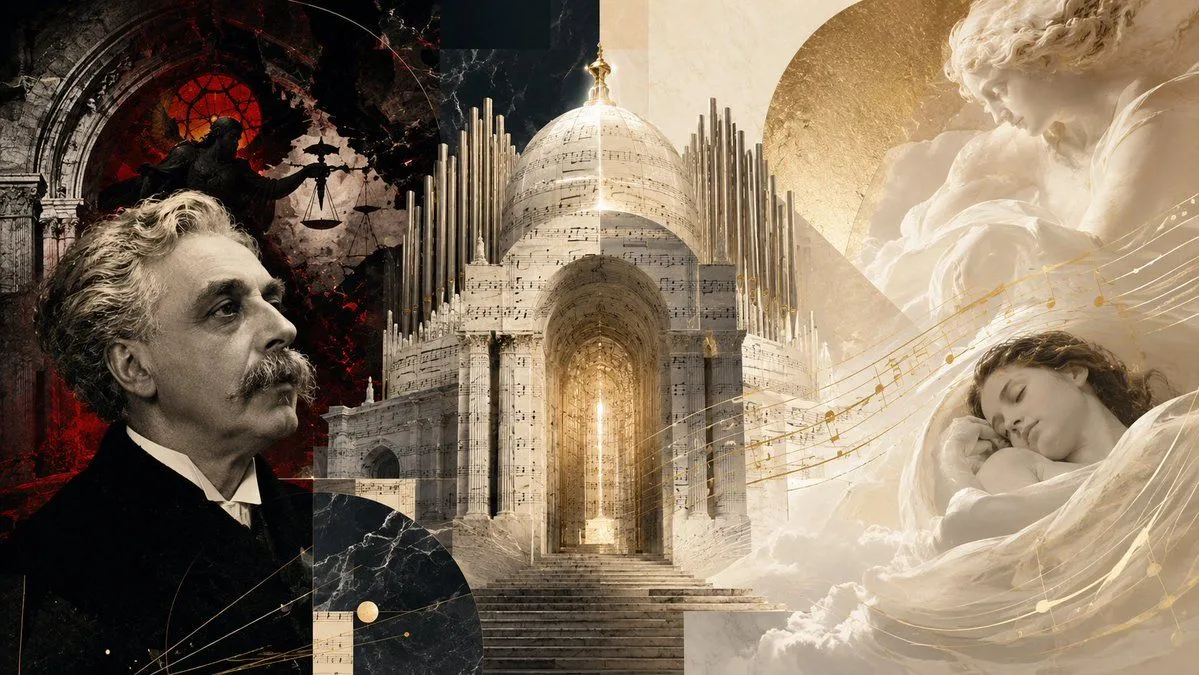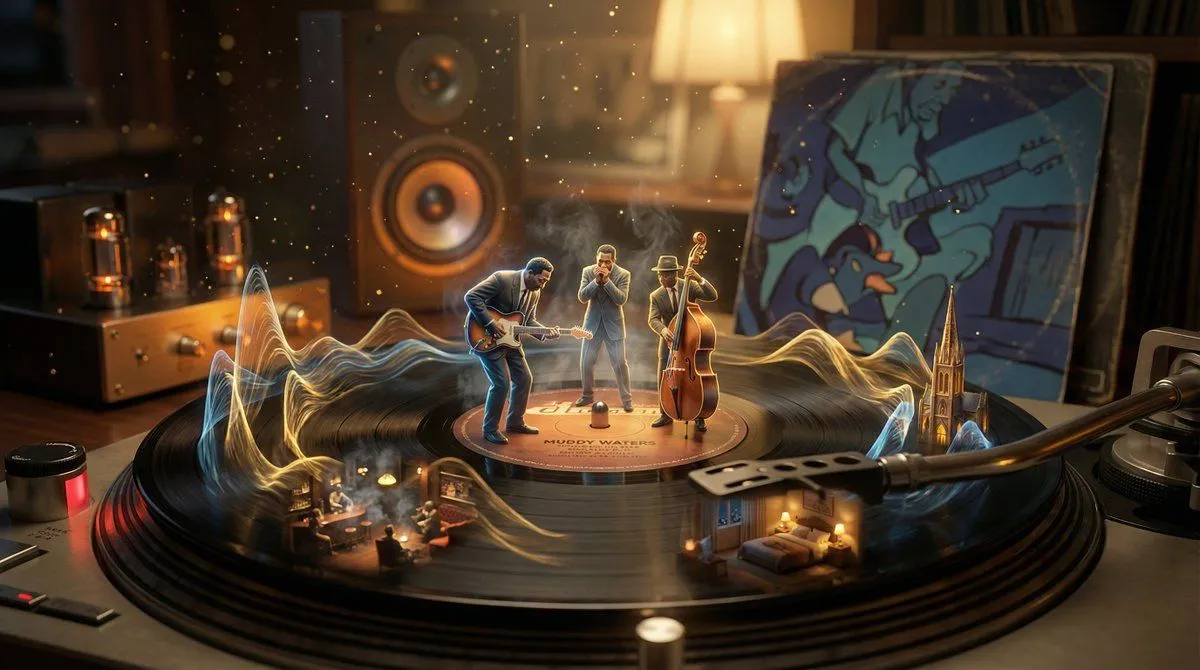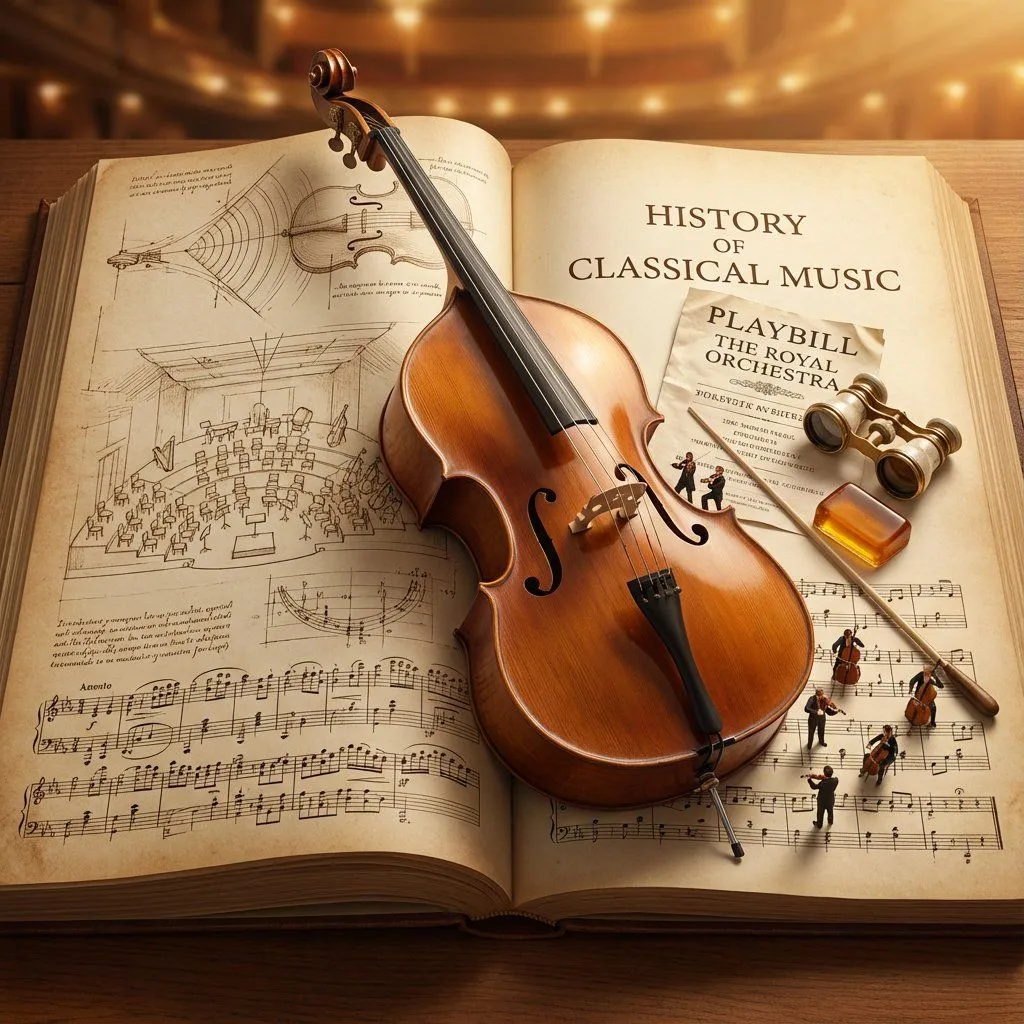

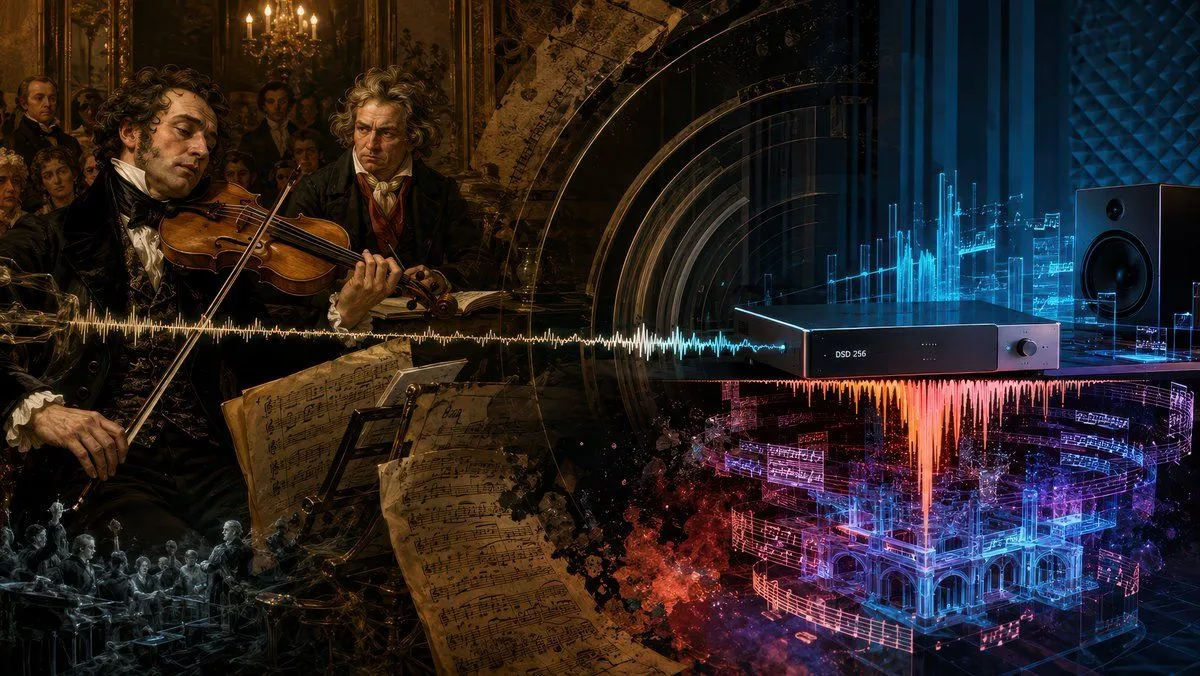
Made with GPT Image 2 in ChatGPT by Library Explainers. Promptclay never generates images.
Did it work?
No reports yet. Tell others if it worked for you.
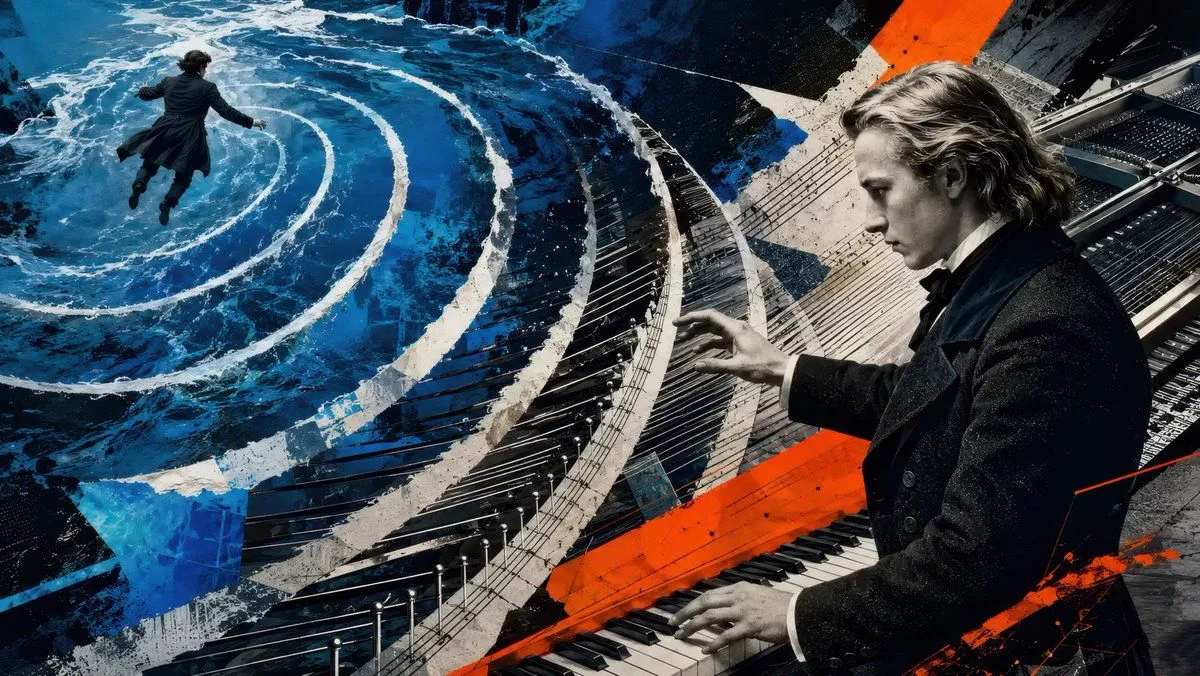
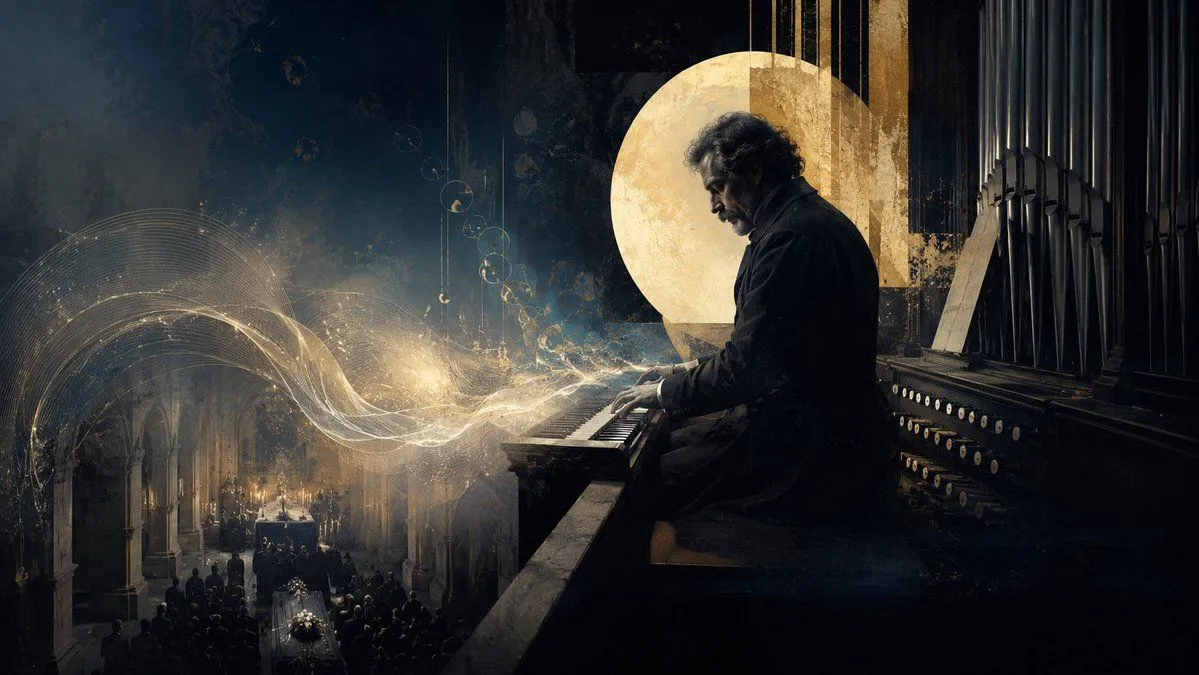
Beethoven Sonata DSD 256 Collage
Prompt
3 blanks to fillGoal: Create a cinematic widescreen digital collage about Beethoven's Violin Sonata Op. 96 being rediscovered through modern high-resolution audio, blending a 19th-century Viennese salon performance with a futuristic DSD listening studio. Canvas: 16:9 horizontal composition, dark dramatic chiaroscuro, ultra-detailed, painterly realism mixed with cybernetic audio visualization. The image should read left-to-right as a transformation from old classical performance to modern digital sound. Layout: Split the scene into two connected halves with no hard border. Left half is a warm amber-brown historical oil-painting scene inside an ornate Viennese salon. Right half is a cool blue-black futuristic audiophile studio. A single horizontal audio waveform runs across the entire center of the image, starting as gold on the historical side and shifting into white, cyan, orange, magenta, and blue on the digital side. Historical left side: Show exactly 2 main historical men in the foreground: 1 famous violinist in black formal 19th-century clothing playing a violin with a languid, tired expression, and 1 intense curly-haired Beethoven-like composer standing behind him, watching sternly. Add a small salon audience in the background, candlelit chandeliers, gilded walls, dark framed paintings, and aristocratic spectators. In the lower center-left foreground, include several large aged sheet-music pages with handwritten notation, tilted toward the viewer. Add a small monochrome ghostly orchestra scene in the lower-left corner as a memory-like vignette. Modern right side: Show exactly 1 sleek black rectangular digital audio converter on a table, labeled "DSD 256" on its front panel, with a small round knob on the right. Place exactly 1 large black studio monitor speaker on the far right. Behind and around the device, create glowing cyan holographic equalizer bars, translucent circuit-like panels, soundwave diagrams, and floating fragments of musical notation. Below the device, show a vivid red-orange waveform falling downward like molten sound, merging into a glowing blue and magenta holographic architectural concert hall made of music staves and light. Visual style: Hyper-detailed, moody, cinematic lighting, baroque oil-painting texture on the left, glossy high-tech cyber-audio rendering on the right, dense layered transparency, gold dust and smoky particles, deep blacks, amber candlelight, electric cyan and magenta neon. Make the transition feel emotional and profound, as if the true meaning of {musical_work} is revealed by {audio_format} in {recording_year}. Text constraints: The only readable device text should be "DSD 256". Do not add captions, titles, logos, watermarks, or extra typography.
Preview of your prompt
Goal: Create a cinematic widescreen digital collage about Beethoven's Violin Sonata Op. 96 being rediscovered through modern high-resolution audio, blending a 19th-century Viennese salon performance with a futuristic DSD listening studio. Canvas: 16:9 horizontal composition, dark dramatic chiaroscuro, ultra-detailed, painterly realism mixed with cybernetic audio visualization. The image should read left-to-right as a transformation from old classical performance to modern digital sound. Layout: Split the scene into two connected halves with no hard border. Left half is a warm amber-brown historical oil-painting scene inside an ornate Viennese salon. Right half is a cool blue-black futuristic audiophile studio. A single horizontal audio waveform runs across the entire center of the image, starting as gold on the historical side and shifting into white, cyan, orange, magenta, and blue on the digital side. Historical left side: Show exactly 2 main historical men in the foreground: 1 famous violinist in black formal 19th-century clothing playing a violin with a languid, tired expression, and 1 intense curly-haired Beethoven-like composer standing behind him, watching sternly. Add a small salon audience in the background, candlelit chandeliers, gilded walls, dark framed paintings, and aristocratic spectators. In the lower center-left foreground, include several large aged sheet-music pages with handwritten notation, tilted toward the viewer. Add a small monochrome ghostly orchestra scene in the lower-left corner as a memory-like vignette. Modern right side: Show exactly 1 sleek black rectangular digital audio converter on a table, labeled "DSD 256" on its front panel, with a small round knob on the right. Place exactly 1 large black studio monitor speaker on the far right. Behind and around the device, create glowing cyan holographic equalizer bars, translucent circuit-like panels, soundwave diagrams, and floating fragments of musical notation. Below the device, show a vivid red-orange waveform falling downward like molten sound, merging into a glowing blue and magenta holographic architectural concert hall made of music staves and light. Visual style: Hyper-detailed, moody, cinematic lighting, baroque oil-painting texture on the left, glossy high-tech cyber-audio rendering on the right, dense layered transparency, gold dust and smoky particles, deep blacks, amber candlelight, electric cyan and magenta neon. Make the transition feel emotional and profound, as if the true meaning of Beethoven Violin Sonata Op. 96 is revealed by DSD 256 in 2025. Text constraints: The only readable device text should be "DSD 256". Do not add captions, titles, logos, watermarks, or extra typography.
DetailsVersions, settings and questions
Written for
What's in the prompt
- Subject
- Model
- GPT Image 2
If your face changes
keep my face exactly the sameQuestions
- Does this work in the ChatGPT app?
- Yes. Paste the prompt and attach your photo if it uses one.
- It changed my face. What do I do?
- Add "keep my face exactly the same" to the end and run it again.
- Can I use the images I make?
- Check the terms of the app you use. Promptclay never generates images and claims nothing you make.