
Tell us anything

An idea, a bug, something you love. We read every note.

⌘↵ to send. The page you're on comes along.

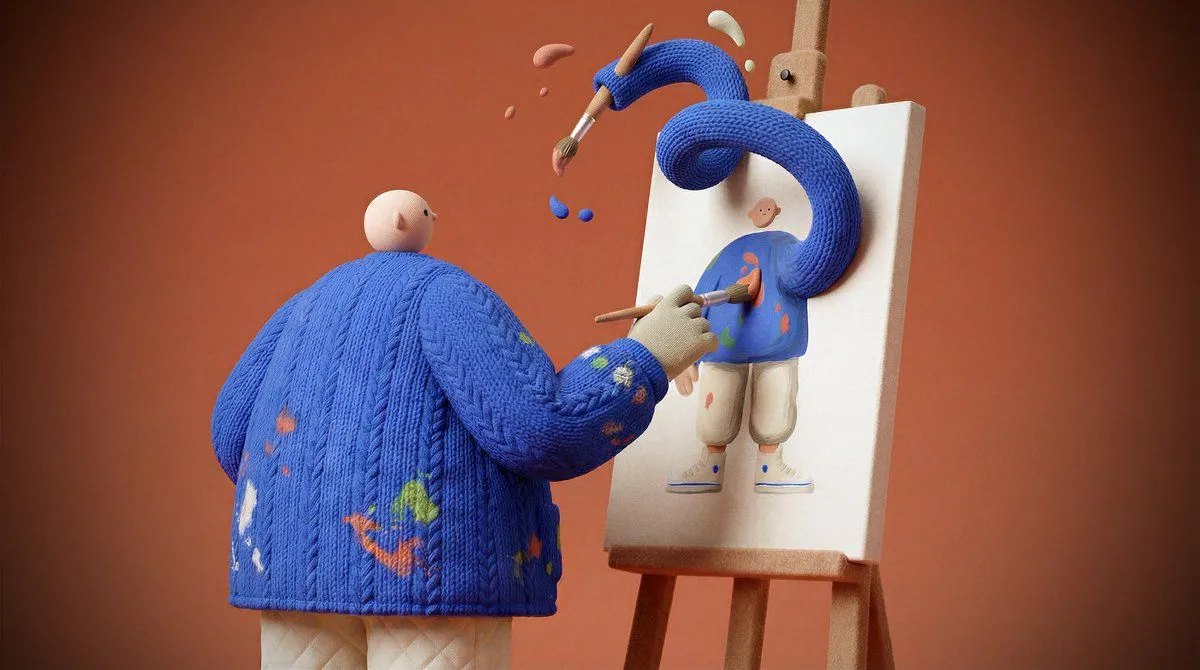
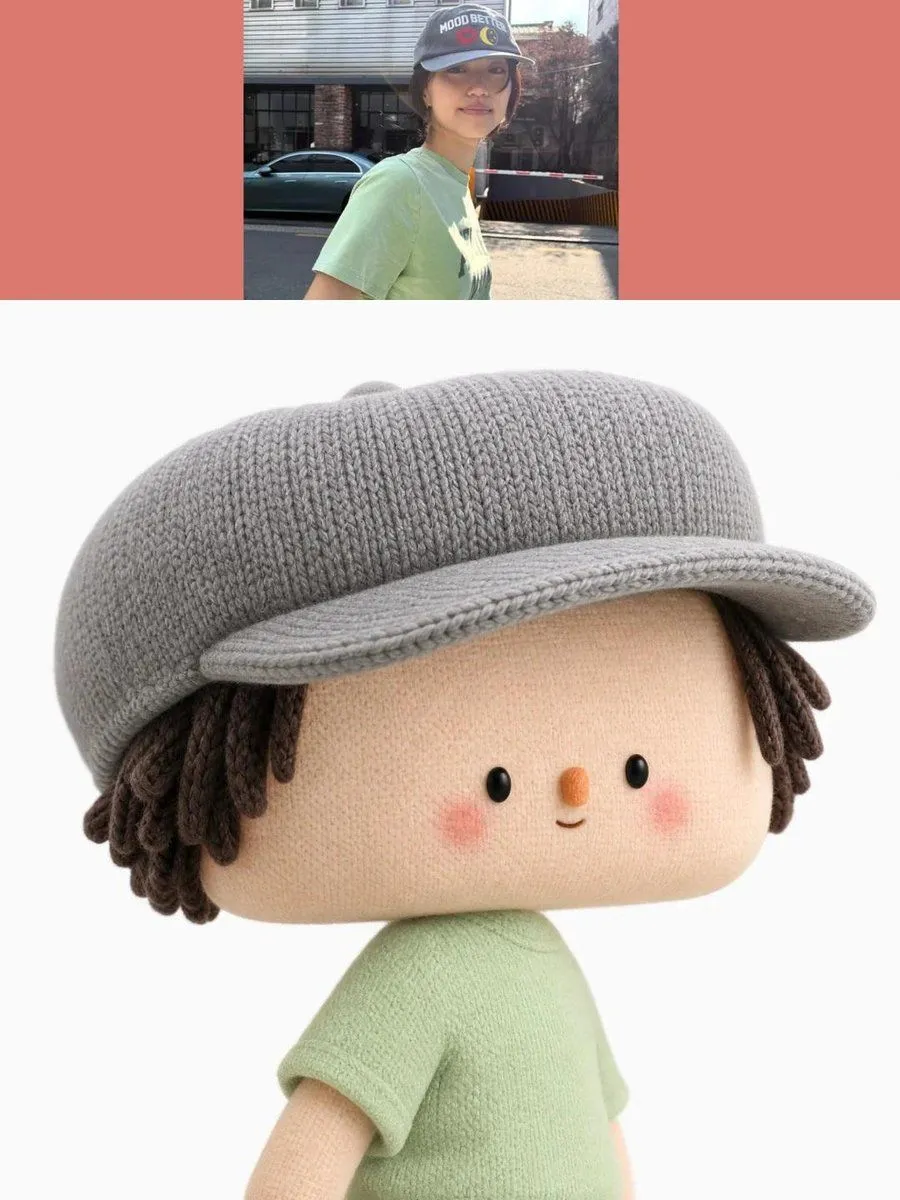
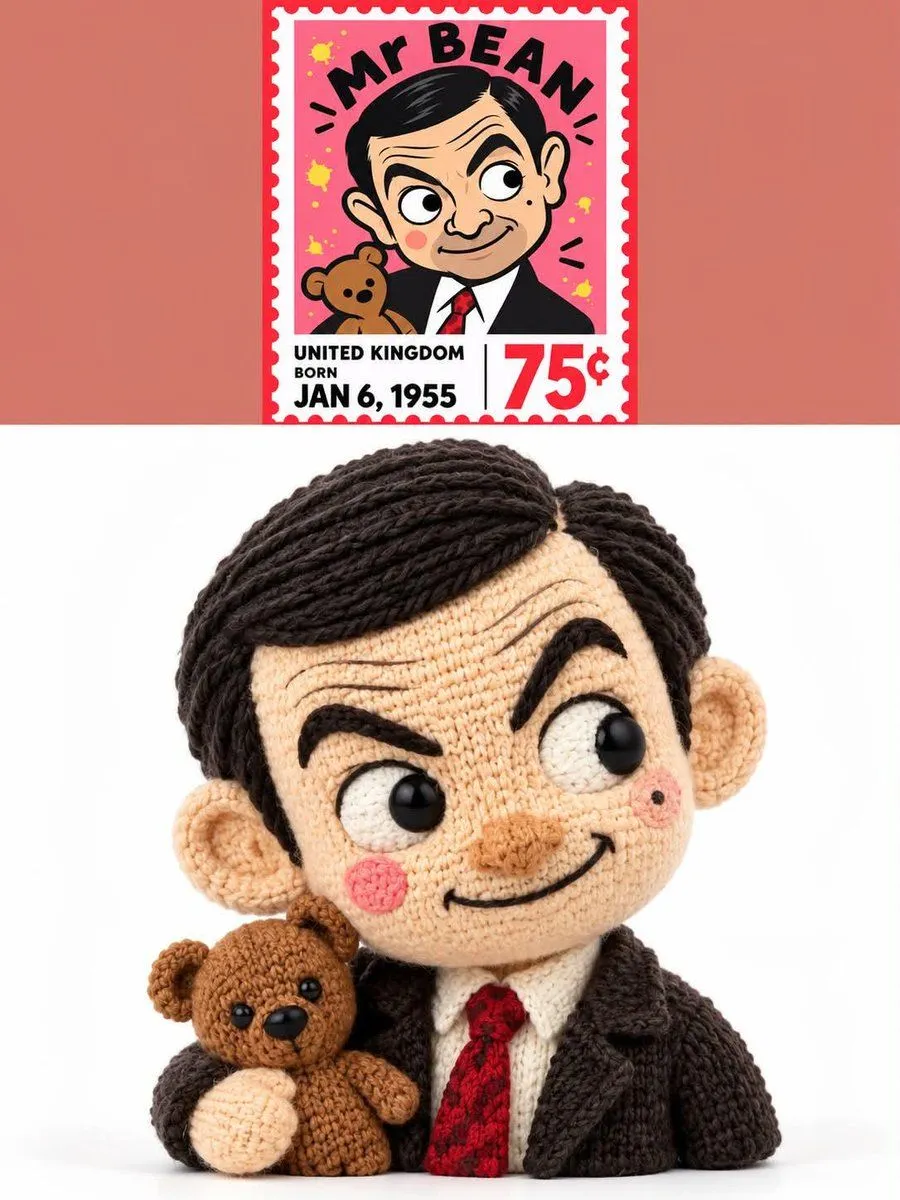
3D Knitted Puppet Transformation

Made with GPT Image 2.5 in ChatGPT by Library Shop. Promptclay never generates images.

Did it work?

No reports yet. Tell others if it worked for you.

No comments yet. Be the first.

    3D Knitted Puppet Transformation

    GPT Image 2.53:4AI-generated

    Prompt

    Task: Create a 1:1 Square 3D Textile Art Toy Bust from the Attached Real Photograph Use the attached real photograph to create a square 1:1, stylized 3D textile art toy bust. Interpret the inputs by their roles: the real photograph is the source of identity and content, while the minimalist white-background toy image is the style reference. Their order does not matter. Preserve the subject’s identity, facial expression, pose, and spatial relationships between objects. Reconstruct the subject as an exaggerated, humorous designer collectible toy. Do not apply a simple fuzzy or plush filter to the original photograph. ## 1. Style Reference Borrow only these visual characteristics from the reference image: - An oversized, horizontally broad head with rounded corners. - Extremely small, centrally concentrated facial features with generous facial negative space. - Sculptural knitted forms, clustered yarn shapes, and soft textile construction. - Subtle asymmetry for a handmade, designer-toy appearance. - Contrast between fine-grained flocked surfaces and chunky knitted textures. - A deliberate primary and accent color hierarchy. - Clean, minimalist white studio photography. Do not inherit the reference character’s body, pose, hairstyle, hat, glasses, clothing, props, or colors. ## 2. Subject and Identity Preservation The real photograph is the exclusive source of visible content. Reproduce only the body parts, hairstyle, clothing, accessories, objects, poses, and contact relationships that are actually visible in the original image. Never invent or complete details that extend beyond the photograph. Identify 2–5 distinctive identity anchors from the source image. Exaggerate 1–2 of them while simplifying the remaining details to maintain recognizability. - **Head:** Transform it into a broad, thick, rounded rectangular block or a short cylindrical form with softened corners. - **Eyes:** Use tiny black beads or capsule-shaped forms. - **Nose:** Reduce it to a small, rounded rectangular block. - **Mouth:** Preserve the original expression using a short line or a small opening, as appropriate. - **Hair:** Reconstruct it as large yarn loops, chunky knitted clusters, or sculptural bundles of wool. - **Hands:** Strictly preserve the number of visible hands. If no hands are visible, add none. If one hand is visible, reproduce only one. Preserve its orientation, sleeve cuff, and contact with the original object. - **Text and logos:** Convert any visible lettering or branding into illegible woven or knitted texture rather than readable text. ## 3. Composition Create a compact, close-up head-and-shoulders composition. - The head should occupy approximately 75–90% of the image width. - Compress the body into a small supporting form, retaining only the essential visible pose, gestures, and objects. - Allow elements to be cropped by the image boundaries when necessary. - Do not add body parts or anatomy extending beyond the original photograph. - Maintain a clear silhouette and recognizable relationships between the subject and any visible objects. ## 4. Visual Style **Stylized 3D textile art toy, oversized head, tiny concentrated facial features, sculptural knitted forms, micro-flocked surfaces.** Prioritize abstract exaggeration over photorealism while preserving recognizability through the subject’s silhouette, hairstyle, facial expression, pose, clothing, and visible objects. The result should feel like a thoughtfully designed, premium collectible art toy rather than a conventional 3D cartoon character. ## 5. Color Palette Automatically develop a cohesive palette of 3–5 colors, including: - A dominant primary color. - A contrasting accent color with a clear difference in temperature or brightness. - One or more supporting colors. - A neutral color for balance. Non-identity-defining elements may be recolored to improve visual harmony. Preserve the essential identity cues of the original subject while avoiding monotonous palettes, excessive neutrals, evenly distributed rainbow colors, or repetitive mechanical stripes. ## 6. Materials, Texture, and Lighting Use distinct textile treatments for different surfaces: - **Face, hands, and small components:** Fine, dense micro-flocked or short-fiber felt surfaces. - **Hair, hats, and clothing:** Chunky knitting, crochet structures, large yarn loops, and clustered wool forms, applied only where those elements exist in the original photograph. Create visible material contrast between the fine-grained felt and the coarser knitted structures. The surfaces should appear sculpted from real textile materials, not covered with a generic fuzzy filter. Use a subtly warm-white seamless background, soft high-key studio lighting, gentle highlights, and short, delicate shadows. Keep the presentation clean, bright, and premium. ## 7. Strict Exclusions - No photorealistic eyeballs, detailed nostrils, realistic lips, natural skin texture, or individual hair strands. - No copying the reference character’s identity or distinctive design elements. - No invented body parts, hand gestures, accessories, clothing, or props absent from the source photograph. - No conventional 3D cartoon aesthetics. - No plastic, polymer clay, wax figure, or long-pile plush appearance. - No readable text, logos, or branding. - No rooms, environmental scenes, or complex backgrounds. - No generic fuzzy overlay that obscures the underlying sculptural textile construction. ## Final Priority **The source photograph determines WHAT is depicted. The style reference determines HOW it is depicted.** Deliver a polished, humorous, exaggerated 1:1 square 3D textile art toy bust with a distinctive oversized head, tiny facial features, sculptural yarn construction, contrasting textile textures, a deliberate color palette, and clean white studio lighting. Preserve the original subject’s identity and visible content without inventing anything beyond the photographic evidence.

    Works in
    ChatGPT, Gemini
    Status
    Free to copy
    0
    DetailsVersions, settings and questions

    Written for

    What's in the prompt

    Subject
    Model
    GPT Image 2.5

    If your face changes

    keep my face exactly the same

    Questions

    Does this work in the ChatGPT app?
    Yes. Paste the prompt and attach your photo if it uses one.
    It changed my face. What do I do?
    Add "keep my face exactly the same" to the end and run it again.
    Can I use the images I make?
    Check the terms of the app you use. Promptclay never generates images and claims nothing you make.
    Similar prompts

    See more
    • Photo to Knitted Plush Doll Poster
    • 3D Fabric Art Prompt Share Collage
    • Stylized Wicker Caricature Figurine
    • 3D Designer Toy Girl Portrait
    • Inflatable Character Creation Prompt
    • Designer Art Toy Collectible
    • Claymation Style Portrait
    • Iridescent Abstract Girl Portrait
    • Minimalist 3D Character Style Transfer
    • 2D Anime to 3D Toy Avatar
    • Generate a realistic figurine from a photo
    • Ultra-Detailed 3D Stylized Character Design Prompt
    • Miniature Figurine Prompt for Nano Banana Pro
    • Stylized 3D Collectible Figurine
    • Transform Portrait into 3D Action Figure
    • Generating Figure-Style Images from Still Photos
    • Clay-Style Soft Minimal 3D Illustration Template
    • System Prompt for Generating Image Prompts
    • 3D Pointillism Sculpture from Christmas Baubles
    • Stylized 3D Cartoon Art Board
    • Storybook Style Photo-to-Illustration Split
    • 3D Anime Figurine Prompt (Text-to-Image/Video)Video, 0:06
    • Pixar Style Cool Boy Illustration
    • Pop Art Streetwear Fashion Photography

    Show more

    Run it on your phone

    1. Prompt copiedRead it

      Task: Create a 1:1 Square 3D Textile Art Toy Bust from the Attached Real Photograph Use the attached real photograph to create a square 1:1, stylized 3D textile art toy bust. Interpret the inputs by their roles: the real photograph is the source of identity and content, while the minimalist white-background toy image is the style reference. Their order does not matter. Preserve the subject’s identity, facial expression, pose, and spatial relationships between objects. Reconstruct the subject as an exaggerated, humorous designer collectible toy. Do not apply a simple fuzzy or plush filter to the original photograph. ## 1. Style Reference Borrow only these visual characteristics from the reference image: - An oversized, horizontally broad head with rounded corners. - Extremely small, centrally concentrated facial features with generous facial negative space. - Sculptural knitted forms, clustered yarn shapes, and soft textile construction. - Subtle asymmetry for a handmade, designer-toy appearance. - Contrast between fine-grained flocked surfaces and chunky knitted textures. - A deliberate primary and accent color hierarchy. - Clean, minimalist white studio photography. Do not inherit the reference character’s body, pose, hairstyle, hat, glasses, clothing, props, or colors. ## 2. Subject and Identity Preservation The real photograph is the exclusive source of visible content. Reproduce only the body parts, hairstyle, clothing, accessories, objects, poses, and contact relationships that are actually visible in the original image. Never invent or complete details that extend beyond the photograph. Identify 2–5 distinctive identity anchors from the source image. Exaggerate 1–2 of them while simplifying the remaining details to maintain recognizability. - **Head:** Transform it into a broad, thick, rounded rectangular block or a short cylindrical form with softened corners. - **Eyes:** Use tiny black beads or capsule-shaped forms. - **Nose:** Reduce it to a small, rounded rectangular block. - **Mouth:** Preserve the original expression using a short line or a small opening, as appropriate. - **Hair:** Reconstruct it as large yarn loops, chunky knitted clusters, or sculptural bundles of wool. - **Hands:** Strictly preserve the number of visible hands. If no hands are visible, add none. If one hand is visible, reproduce only one. Preserve its orientation, sleeve cuff, and contact with the original object. - **Text and logos:** Convert any visible lettering or branding into illegible woven or knitted texture rather than readable text. ## 3. Composition Create a compact, close-up head-and-shoulders composition. - The head should occupy approximately 75–90% of the image width. - Compress the body into a small supporting form, retaining only the essential visible pose, gestures, and objects. - Allow elements to be cropped by the image boundaries when necessary. - Do not add body parts or anatomy extending beyond the original photograph. - Maintain a clear silhouette and recognizable relationships between the subject and any visible objects. ## 4. Visual Style **Stylized 3D textile art toy, oversized head, tiny concentrated facial features, sculptural knitted forms, micro-flocked surfaces.** Prioritize abstract exaggeration over photorealism while preserving recognizability through the subject’s silhouette, hairstyle, facial expression, pose, clothing, and visible objects. The result should feel like a thoughtfully designed, premium collectible art toy rather than a conventional 3D cartoon character. ## 5. Color Palette Automatically develop a cohesive palette of 3–5 colors, including: - A dominant primary color. - A contrasting accent color with a clear difference in temperature or brightness. - One or more supporting colors. - A neutral color for balance. Non-identity-defining elements may be recolored to improve visual harmony. Preserve the essential identity cues of the original subject while avoiding monotonous palettes, excessive neutrals, evenly distributed rainbow colors, or repetitive mechanical stripes. ## 6. Materials, Texture, and Lighting Use distinct textile treatments for different surfaces: - **Face, hands, and small components:** Fine, dense micro-flocked or short-fiber felt surfaces. - **Hair, hats, and clothing:** Chunky knitting, crochet structures, large yarn loops, and clustered wool forms, applied only where those elements exist in the original photograph. Create visible material contrast between the fine-grained felt and the coarser knitted structures. The surfaces should appear sculpted from real textile materials, not covered with a generic fuzzy filter. Use a subtly warm-white seamless background, soft high-key studio lighting, gentle highlights, and short, delicate shadows. Keep the presentation clean, bright, and premium. ## 7. Strict Exclusions - No photorealistic eyeballs, detailed nostrils, realistic lips, natural skin texture, or individual hair strands. - No copying the reference character’s identity or distinctive design elements. - No invented body parts, hand gestures, accessories, clothing, or props absent from the source photograph. - No conventional 3D cartoon aesthetics. - No plastic, polymer clay, wax figure, or long-pile plush appearance. - No readable text, logos, or branding. - No rooms, environmental scenes, or complex backgrounds. - No generic fuzzy overlay that obscures the underlying sculptural textile construction. ## Final Priority **The source photograph determines WHAT is depicted. The style reference determines HOW it is depicted.** Deliver a polished, humorous, exaggerated 1:1 square 3D textile art toy bust with a distinctive oversized head, tiny facial features, sculptural yarn construction, contrasting textile textures, a deliberate color palette, and clean white studio lighting. Preserve the original subject’s identity and visible content without inventing anything beyond the photographic evidence.

    2. Open your app

      This prompt is long, so it is copied instead of sent in the link. Paste it in the app.

    3. Paste and run

      Press and hold the message box, then tap Paste. Add your photo first if the prompt uses one. You may need to sign in.

    3D Knitted Puppet Transformation