
Tell us anything

An idea, a bug, something you love. We read every note.

⌘↵ to send. The page you're on comes along.

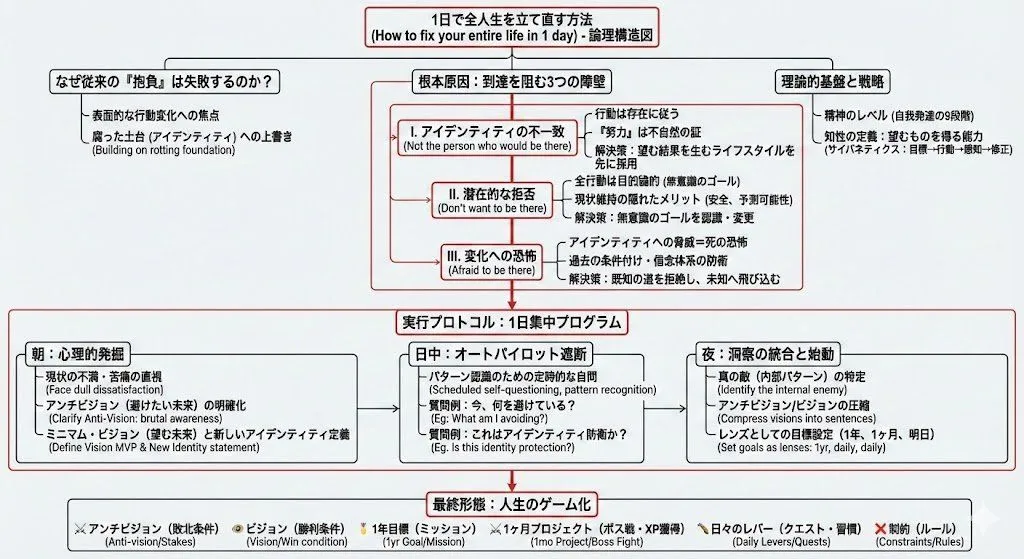
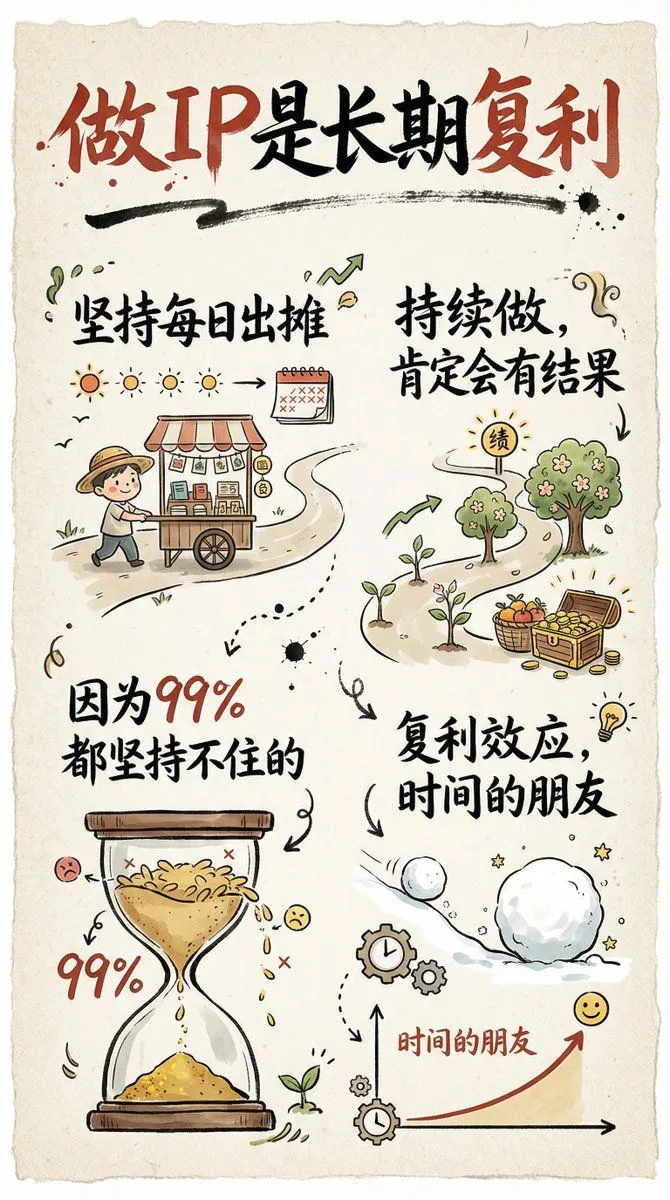
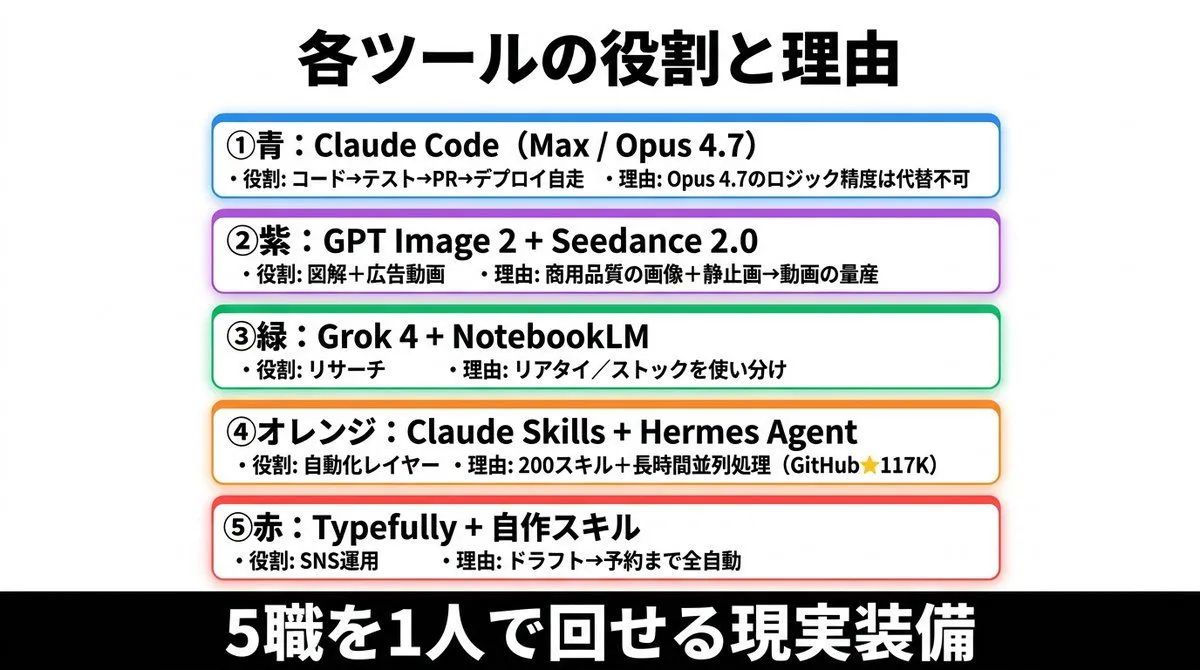
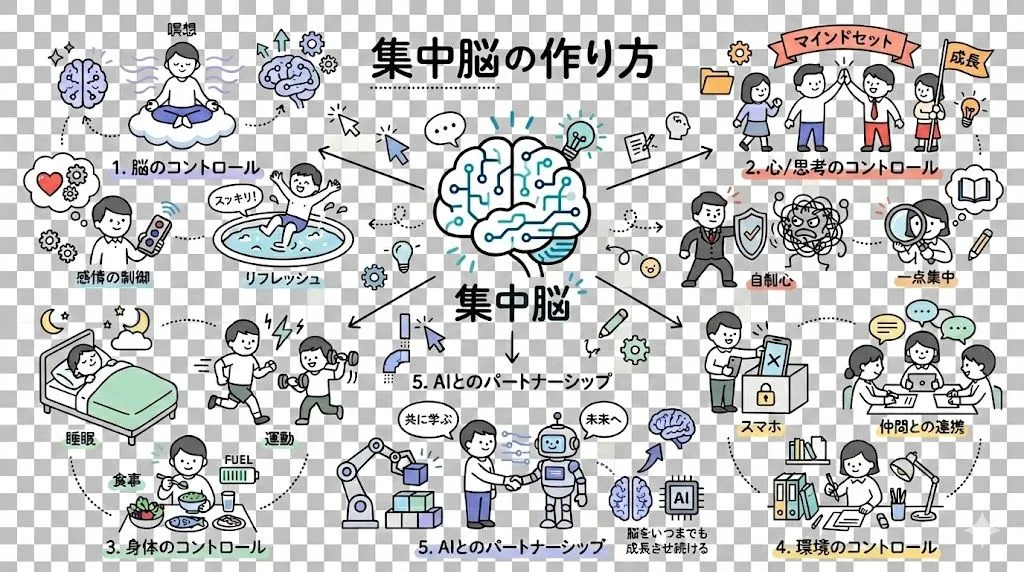
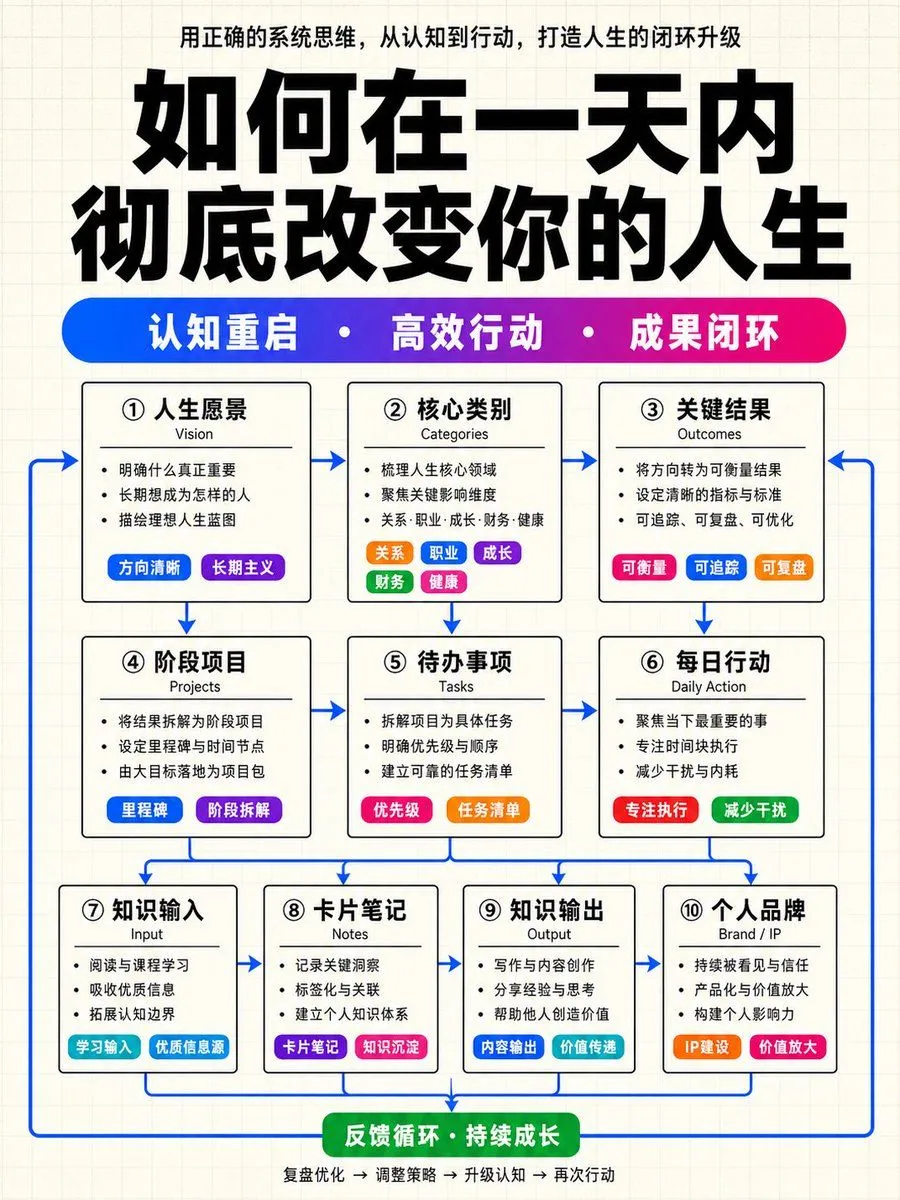
Structured Knowledge Architecture Infographic

Made with GPT Image 2 in ChatGPT by Library Explainers. Promptclay never generates images.

Did it work?

No reports yet. Tell others if it worked for you.

No comments yet. Be the first.

    Structured Knowledge Architecture Infographic

    GPT Image 23:4AI-generated

    Prompt

    Please generate a high-end Chinese knowledge architecture infographic with a vertical 9:16 composition. The overall visual language is fixed as: light cream-white grid paper background + cover-level oversized bold title + high-saturation blue-purple-magenta gradient keyword capsule bar + white-base black-bordered structural modules + colorful small capsule labels inside modules + blue arrow closed-loop connections. This is not an ordinary flowchart or a tech UI panel. Please generate a high-end infographic similar to a high-quality knowledge blogger's course cover, knowledge payment system diagram, or methodology architecture poster. The overall style must be restrained, clean, and highly orderly, but local colorful labels must be striking enough to make the image richer and more layered than an ordinary black-and-white architecture diagram. 1. Fixed Visual Style: Background: Use a light cream-white grid paper background with very fine, light gray grid lines. No gradients, dark backgrounds, heavy shadows, glassmorphism, skeuomorphism, tech HUD, or cyber UI. General Vibe: Minimalist, restrained, rational, and orderly structure. Black and white skeleton with colors used only for keyword bars, small labels, emphasis blocks, and blue arrows. 2. Top Title Area Layout: Top description sentence (small centered text extracted from content), Oversized bold Chinese main title (the largest visual element with high visual impact), and a Horizontal high-saturation gradient keyword capsule bar (blue to purple to magenta transition with 3 core keywords separated by white dots). 3. Main Module Structure Rules: 3-layer structure (3 + 3 + 4 modules). Total of 10 white-base modules with black borders and small rounded corners. Each module contains a Chinese title, English sub-title, 2-4 short sentences, and colorful small capsule labels. 4. Content Automatic Arrangement Rules: Automatically extract and organize content into Strategy/Cognition (Layer 1), Action/Execution (Layer 2), and Input/Output/Brand (Layer 3). Use colorful labels for categories, sources, methods, tools, etc. If content is insufficient, maintain the 3+3+4 structure with reasonable generalizations. 5. Module Internal Color Accents: Vibrant colors must come from labels, not background colors. At least 5 modules must include high-saturation small capsule labels from the pool of blue, purple, magenta, orange, green, and cyan. 6. Blue Arrow Loop Rules: Use medium-high saturation blue arrows to show the flow from top to bottom and returning to create a closed loop. 7. Text Hierarchy: Clear weighting from the main title (thickest/largest) to the gradient bar text, module titles, and then body text. 8. Final Acceptance Criteria: Ensure grid background, top description, oversized title, gradient keyword bar, 3+3+4 module structure, colorful labels, and blue closed-loop arrows are all present and satisfy the style requirements. 9. Prohibitions: No gradient/dark backgrounds, no large color cards, no glassmorphism, no complex illustrations, no PPT or mind map styles, and no gray arrows. 10. User Variables: Top Title (Fill in main title here) and Content (Fill in natural language content here to be automatically processed).

    Works in
    ChatGPT, Gemini
    Status
    Free to copy
    0
    DetailsVersions, settings and questions

    Written for

    What's in the prompt

    Subject
    Model
    GPT Image 2

    If your face changes

    keep my face exactly the same

    Questions

    Does this work in the ChatGPT app?
    Yes. Paste the prompt and attach your photo if it uses one.
    It changed my face. What do I do?
    Add "keep my face exactly the same" to the end and run it again.
    Can I use the images I make?
    Check the terms of the app you use. Promptclay never generates images and claims nothing you make.
    Similar prompts

    See more
    • Minimalist Educational Infographic Template
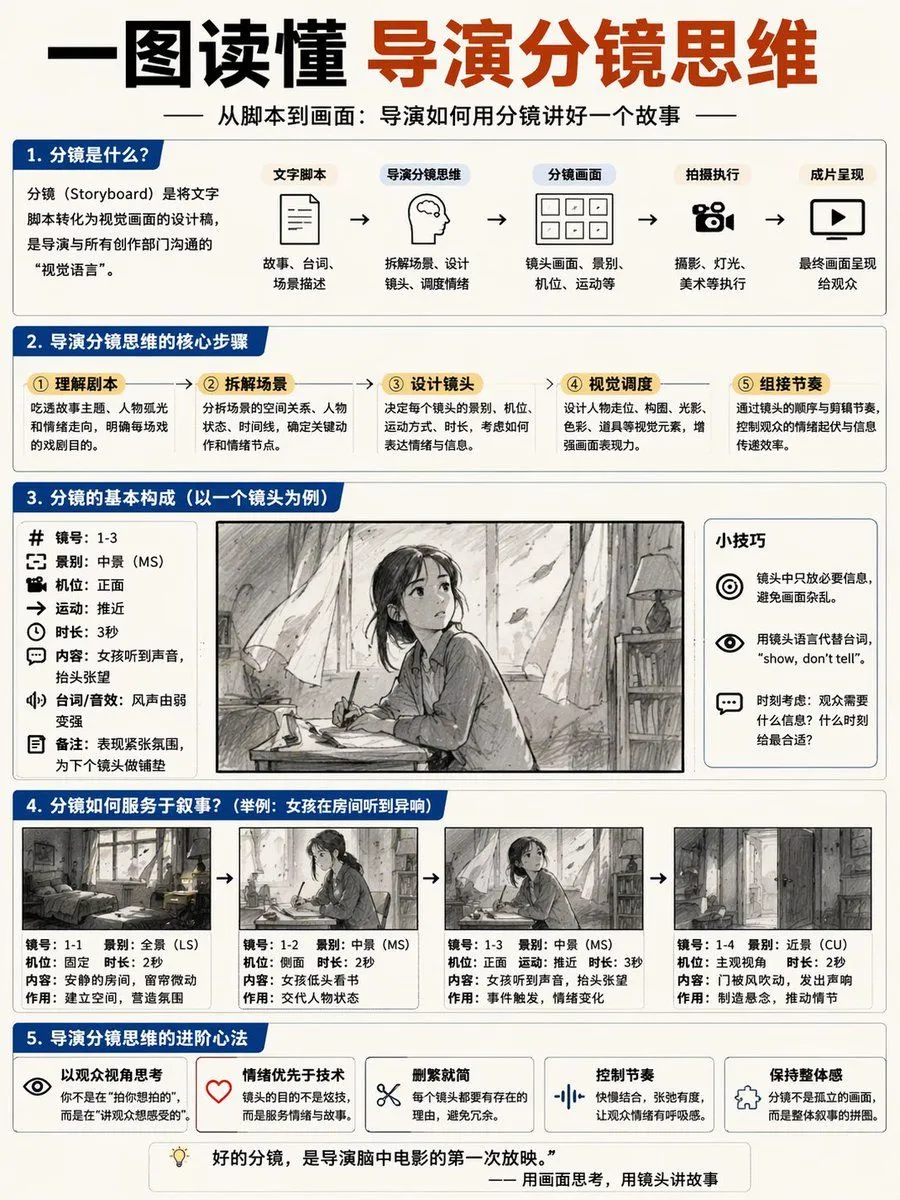
    • Storyboard Director Infographic
    • Prompt for Generating Logical Tree Diagrams with Nano Banana Pro
    • Hand-drawn infographic card about long-term IP building
    • Japanese AI Tools Role Infographic
    • Requesting Transparent PNG Output
    • Professional Infographic Generation Prompt
    • Reverse-Engineering Reusable Prompt Templates for Advertising
    • Manga-style Chinese comic storyboard generator
    • Chinese dynasties infographic timeline in traditional Chinese
    • Minimalist Brand Quote Poster
    • Japanese AI Report Correction App Mockup
    • Japanese SaaS Form Builder Banner
    • Japanese Legal Presentation Cover Slide
    • AI Prompt Template for Generating Viral Titles and Copy for Middle-Aged and Elderly Audiences
    • Clean Professional Social Media Avatar
    • 12-Panel Sticker/Emoji Grid Generation Prompt
    • 图3的提示词:请只生成无文字背景图,保留深绿色渐变、玻璃拟态卡片、科技金融质感,但所有文字区域留空,
    • AI Girl Daily Routine Poster
    • Japanese Television Telop Graphics
    • Photorealistic Image Generation based on Classical Chinese Poetry
    • AI Coding Assistant Promo Infographic
    • Japanese Branding Strategy Infographic
    • Tech Tutorial Thumbnail with UI Mockup

    Show more

    Run it on your phone

    1. Prompt copiedRead it

      Please generate a high-end Chinese knowledge architecture infographic with a vertical 9:16 composition. The overall visual language is fixed as: light cream-white grid paper background + cover-level oversized bold title + high-saturation blue-purple-magenta gradient keyword capsule bar + white-base black-bordered structural modules + colorful small capsule labels inside modules + blue arrow closed-loop connections. This is not an ordinary flowchart or a tech UI panel. Please generate a high-end infographic similar to a high-quality knowledge blogger's course cover, knowledge payment system diagram, or methodology architecture poster. The overall style must be restrained, clean, and highly orderly, but local colorful labels must be striking enough to make the image richer and more layered than an ordinary black-and-white architecture diagram. 1. Fixed Visual Style: Background: Use a light cream-white grid paper background with very fine, light gray grid lines. No gradients, dark backgrounds, heavy shadows, glassmorphism, skeuomorphism, tech HUD, or cyber UI. General Vibe: Minimalist, restrained, rational, and orderly structure. Black and white skeleton with colors used only for keyword bars, small labels, emphasis blocks, and blue arrows. 2. Top Title Area Layout: Top description sentence (small centered text extracted from content), Oversized bold Chinese main title (the largest visual element with high visual impact), and a Horizontal high-saturation gradient keyword capsule bar (blue to purple to magenta transition with 3 core keywords separated by white dots). 3. Main Module Structure Rules: 3-layer structure (3 + 3 + 4 modules). Total of 10 white-base modules with black borders and small rounded corners. Each module contains a Chinese title, English sub-title, 2-4 short sentences, and colorful small capsule labels. 4. Content Automatic Arrangement Rules: Automatically extract and organize content into Strategy/Cognition (Layer 1), Action/Execution (Layer 2), and Input/Output/Brand (Layer 3). Use colorful labels for categories, sources, methods, tools, etc. If content is insufficient, maintain the 3+3+4 structure with reasonable generalizations. 5. Module Internal Color Accents: Vibrant colors must come from labels, not background colors. At least 5 modules must include high-saturation small capsule labels from the pool of blue, purple, magenta, orange, green, and cyan. 6. Blue Arrow Loop Rules: Use medium-high saturation blue arrows to show the flow from top to bottom and returning to create a closed loop. 7. Text Hierarchy: Clear weighting from the main title (thickest/largest) to the gradient bar text, module titles, and then body text. 8. Final Acceptance Criteria: Ensure grid background, top description, oversized title, gradient keyword bar, 3+3+4 module structure, colorful labels, and blue closed-loop arrows are all present and satisfy the style requirements. 9. Prohibitions: No gradient/dark backgrounds, no large color cards, no glassmorphism, no complex illustrations, no PPT or mind map styles, and no gray arrows. 10. User Variables: Top Title (Fill in main title here) and Content (Fill in natural language content here to be automatically processed).

    2. Open your app

      This prompt is long, so it is copied instead of sent in the link. Paste it in the app.

    3. Paste and run

      Press and hold the message box, then tap Paste. Add your photo first if the prompt uses one. You may need to sign in.

    Structured Knowledge Architecture Infographic