
Tell us anything

An idea, a bug, something you love. We read every note.

⌘↵ to send. The page you're on comes along.

Earth's Eye Cinematic Video Prompt

Made with Seedance 2.0 in Kling by Library Cinema. Promptclay never generates images.

Did it work?

No reports yet. Tell others if it worked for you.

No comments yet. Be the first.

    Earth's Eye Cinematic Video Prompt

    Seedance 2.09:16AI-generated

    Prompt

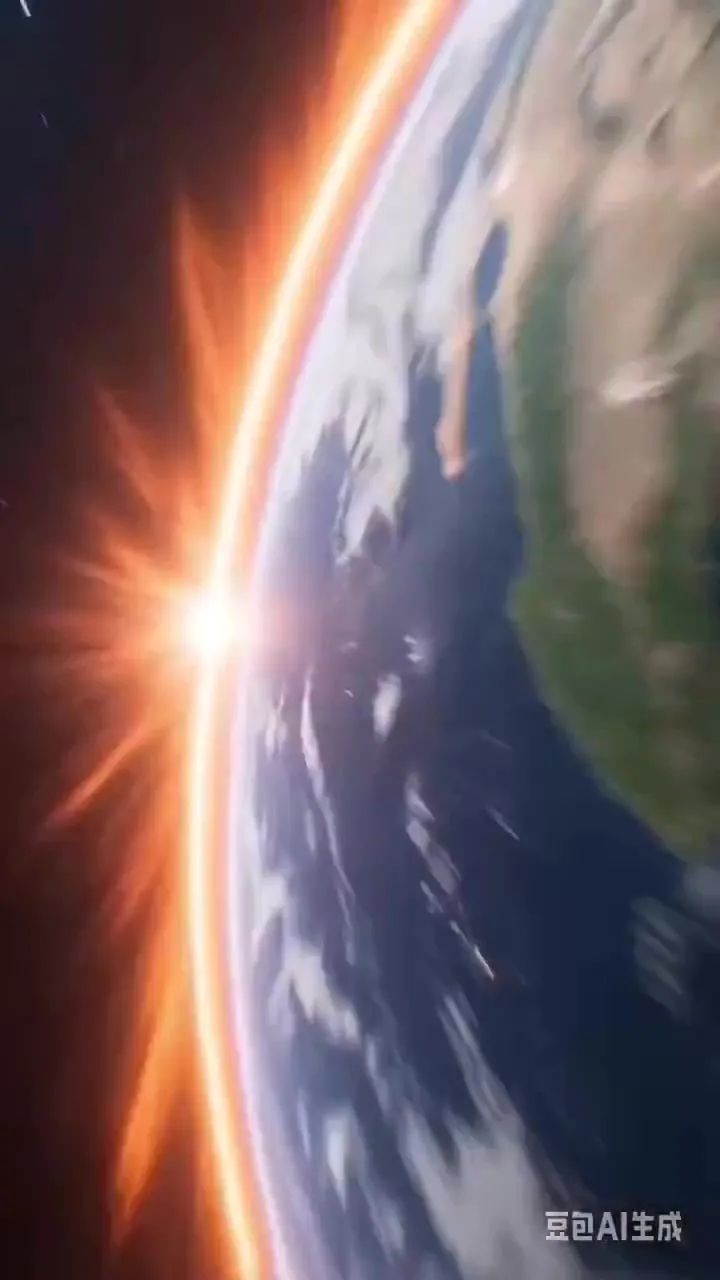
    Core concept: Overlooking Earth from space, the camera free-falls toward the surface. After each impact, it bounces up and lands on landmarks across different continents. The bounce trajectories form glowing arc flight paths across the Earth, eventually forming a giant eye. Real-shot texture combined with surreal visual spectacle, 8K ultra-high definition. The cold blue tones of the space scene naturally transition with the characteristic light and shadow of the ground scenes. Features include realistic atmospheric scattering light, volumetric clouds, and particle effects. 0-2 seconds: Space view, Earth slowly rotating, occupying two-thirds of the right side of the screen. The edge of the atmosphere glows with a golden arc. Silence. The camera suddenly loses control and accelerates toward Earth: a first-person perspective free-fall penetrating the atmosphere. Air friction generates orange-red plasma flames wrapping the lens edges. The screen vibrates violently. A sonic boom explodes as the sound barrier is broken, and clouds tear apart rapidly to the sides. 2-4 seconds: The camera breaks through the clouds. Below is a panoramic view of nighttime Paris. The lights of the Eiffel Tower rapidly enlarge and approach. The camera stops abruptly in the last frame before hitting the tower's spire: Time freezes. The light at the top of the Eiffel Tower pulses once like a heartbeat, releasing a golden shockwave. The shockwave slingshots the camera eastward. The camera transforms into a meteor streaking across the night sky of the European continent. City lights on the ground rapidly recede like a circuit board. The meteor's trail leaves the first glowing arc on the Earth's surface. 4-6 seconds: The meteor camera plunges over Northwest China, passing through a time-lapse night sky of star trails, crashing toward the Great Wall: The camera flies ultra-low, skimming the wall. Bricks on the wall are lifted by the airflow, suspended, and then fall, forming a wave. As it follows and flies over the beacon towers, each tower ignites its signal fire sequentially. The firelight illuminates the surrounding mountains. The camera passes through the flame of the last beacon tower: The orange of the flame gradually transitions to the orange of sunrise. The camera is now above the Taj Mahal in India in the early morning. A top-down shot shows the Taj Mahal's perfectly symmetrical reflection unfolding in the pool like a mandala pattern. The camera spirals down, sucked into the water surface by the reflection. 6-8 seconds: After penetrating the water, the camera flips underwater. When it emerges, it is midday in Rio de Janeiro. The camera captures an upward shot from the sea, silhouetting the Christ the Redeemer statue with arms outstretched against the light. The camera spirals upward, circling the statue, climbing to its height. Lightning spheres begin to condense at the fingertips of the Christ statue. The lightning sphere launches the camera across the Atlantic Ocean: The camera transforms into a chain of lightning leaping between clouds. Each flash of lightning momentarily freezes different landmarks below: Statue of Liberty, Pyramids, Sydney Opera House, Mount Fuji, like a high-speed flash from God's perspective. 8-10 seconds: The final lightning strike propels the camera back into space. The camera rotates, decelerates, and stabilizes, facing Earth again: At this point, all the bounce trajectories the camera has taken on the Earth's surface have connected into glowing arcs. Viewed from space, these arcs form the shape of a giant human eye covering the Earth's surface. The iris of the eye is composed of miniature light points of the landmarks. The pupil position is precisely the blue ocean of the Earth. This Eye of the Earth slowly blinks once. The moment it blinks, the light points of all landmarks flash simultaneously like breathing. The camera slowly pulls back, shrinking the Earth to the center of the screen, surrounded by the vast starry sky. The lingering sound is a long, low hum of the Earth mixed with the reverberation of distant landmarks, fading into silence.

    Works in
    Kling
    Status
    Free to copy
    0
    DetailsVersions, settings and questions

    Written for

    What's in the prompt

    Subject
    Model
    Seedance 2.0

    If your face changes

    keep my face exactly the same

    Questions

    Does this work in the Kling app?
    Yes. Paste the prompt and attach your photo if it uses one.
    It changed my face. What do I do?
    Add "keep my face exactly the same" to the end and run it again.
    Can I use the images I make?
    Check the terms of the app you use. Promptclay never generates images and claims nothing you make.
    Similar prompts

    See more
    • Cinematic Cosmic Panorama Video PromptVideo, 0:06
    • Cinematic Spacecraft View of Moon and Earth
    • ISS Astronaut Interior
    • Astronaut in Abandoned Lunar Base
    • Astronaut Drifting Above Shattered Lunar Surface
    • Seedance 2.0 Prompt for Cosmic Planetary InstabilityVideo, 0:15
    • Silhouette on Mountain Peak at Cosmic Sunset
    • Woman Gazing at Giant Golden Moon
    • Moonlit Mountain Valley Background
    • Man Under Starry Sky Cinematic Prompt
    • GPT Image 2 Space Porthole
    • Galactic Space Exploration Rendering
    • The Last Photo of Humanity
    • Impossible Cosmic Horizon
    • Sci-Fi UFO Abduction Scene
    • Oriental Fantasy Celestial Realm
    • Vast Open-World Game Environment Generator
    • Anime Airship and Ghostly Holy Mother
    • Earth Cutaway Layer Infographic
    • Detailed Calendar Design Prompt for Nano Banana Pro
    • Minimalist Ceremony Poster Prompt for GPT Image 2
    • Elegant 23rd Birthday Studio Portrait
    • Nano Banana Pro for Scientific Illustration Generation
    • Nano Banana Pro JSON Prompt for 'The Little Match Girl' Concept

    Show more

    Run it on your phone

    1. Prompt copiedRead it

      Core concept: Overlooking Earth from space, the camera free-falls toward the surface. After each impact, it bounces up and lands on landmarks across different continents. The bounce trajectories form glowing arc flight paths across the Earth, eventually forming a giant eye. Real-shot texture combined with surreal visual spectacle, 8K ultra-high definition. The cold blue tones of the space scene naturally transition with the characteristic light and shadow of the ground scenes. Features include realistic atmospheric scattering light, volumetric clouds, and particle effects. 0-2 seconds: Space view, Earth slowly rotating, occupying two-thirds of the right side of the screen. The edge of the atmosphere glows with a golden arc. Silence. The camera suddenly loses control and accelerates toward Earth: a first-person perspective free-fall penetrating the atmosphere. Air friction generates orange-red plasma flames wrapping the lens edges. The screen vibrates violently. A sonic boom explodes as the sound barrier is broken, and clouds tear apart rapidly to the sides. 2-4 seconds: The camera breaks through the clouds. Below is a panoramic view of nighttime Paris. The lights of the Eiffel Tower rapidly enlarge and approach. The camera stops abruptly in the last frame before hitting the tower's spire: Time freezes. The light at the top of the Eiffel Tower pulses once like a heartbeat, releasing a golden shockwave. The shockwave slingshots the camera eastward. The camera transforms into a meteor streaking across the night sky of the European continent. City lights on the ground rapidly recede like a circuit board. The meteor's trail leaves the first glowing arc on the Earth's surface. 4-6 seconds: The meteor camera plunges over Northwest China, passing through a time-lapse night sky of star trails, crashing toward the Great Wall: The camera flies ultra-low, skimming the wall. Bricks on the wall are lifted by the airflow, suspended, and then fall, forming a wave. As it follows and flies over the beacon towers, each tower ignites its signal fire sequentially. The firelight illuminates the surrounding mountains. The camera passes through the flame of the last beacon tower: The orange of the flame gradually transitions to the orange of sunrise. The camera is now above the Taj Mahal in India in the early morning. A top-down shot shows the Taj Mahal's perfectly symmetrical reflection unfolding in the pool like a mandala pattern. The camera spirals down, sucked into the water surface by the reflection. 6-8 seconds: After penetrating the water, the camera flips underwater. When it emerges, it is midday in Rio de Janeiro. The camera captures an upward shot from the sea, silhouetting the Christ the Redeemer statue with arms outstretched against the light. The camera spirals upward, circling the statue, climbing to its height. Lightning spheres begin to condense at the fingertips of the Christ statue. The lightning sphere launches the camera across the Atlantic Ocean: The camera transforms into a chain of lightning leaping between clouds. Each flash of lightning momentarily freezes different landmarks below: Statue of Liberty, Pyramids, Sydney Opera House, Mount Fuji, like a high-speed flash from God's perspective. 8-10 seconds: The final lightning strike propels the camera back into space. The camera rotates, decelerates, and stabilizes, facing Earth again: At this point, all the bounce trajectories the camera has taken on the Earth's surface have connected into glowing arcs. Viewed from space, these arcs form the shape of a giant human eye covering the Earth's surface. The iris of the eye is composed of miniature light points of the landmarks. The pupil position is precisely the blue ocean of the Earth. This Eye of the Earth slowly blinks once. The moment it blinks, the light points of all landmarks flash simultaneously like breathing. The camera slowly pulls back, shrinking the Earth to the center of the screen, surrounded by the vast starry sky. The lingering sound is a long, low hum of the Earth mixed with the reverberation of distant landmarks, fading into silence.

    2. Open your app

      This prompt is long, so it is copied instead of sent in the link. Paste it in the app.

    3. Paste and run

      Press and hold the message box, then tap Paste. Add your photo first if the prompt uses one. You may need to sign in.