Tell us anything

An idea, a bug, something you love. We read every note.

⌘↵ to send. The page you're on comes along.

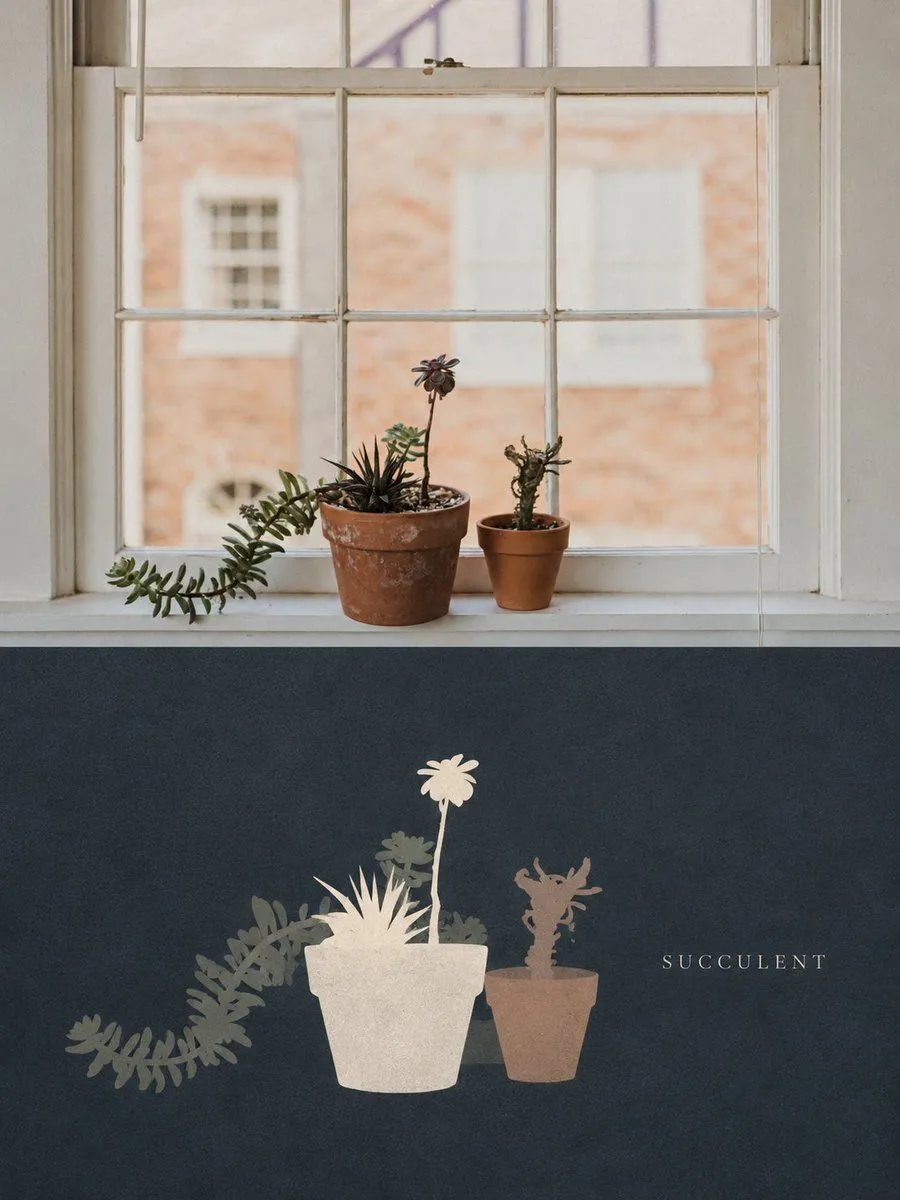
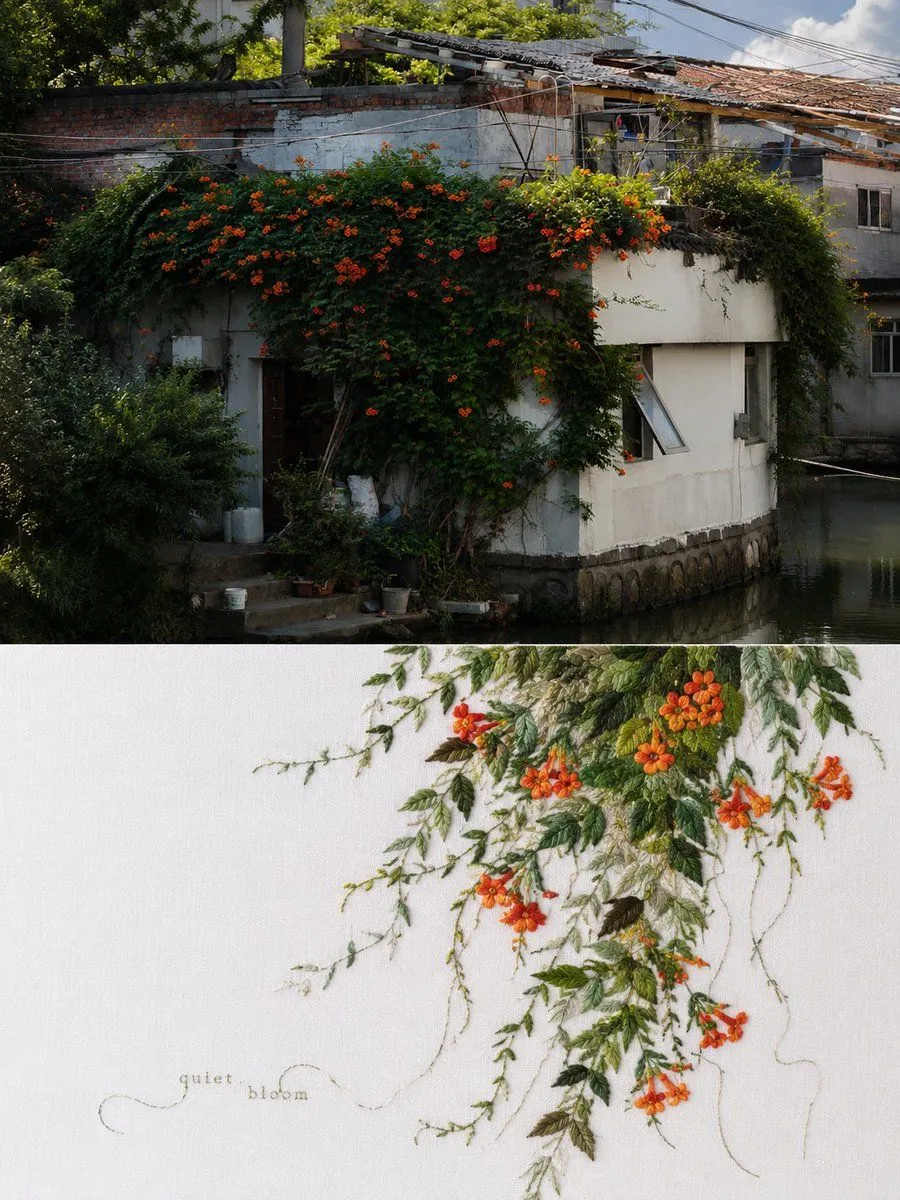
Chinese Embroidery Art Poster

Made with GPT Image 2 in ChatGPT by Library Typography. Promptclay never generates images.

Did it work?

No reports yet. Tell others if it worked for you.

No comments yet. Be the first.

    Chinese Embroidery Art Poster

    GPT Image 23:4AI-generated

    Prompt

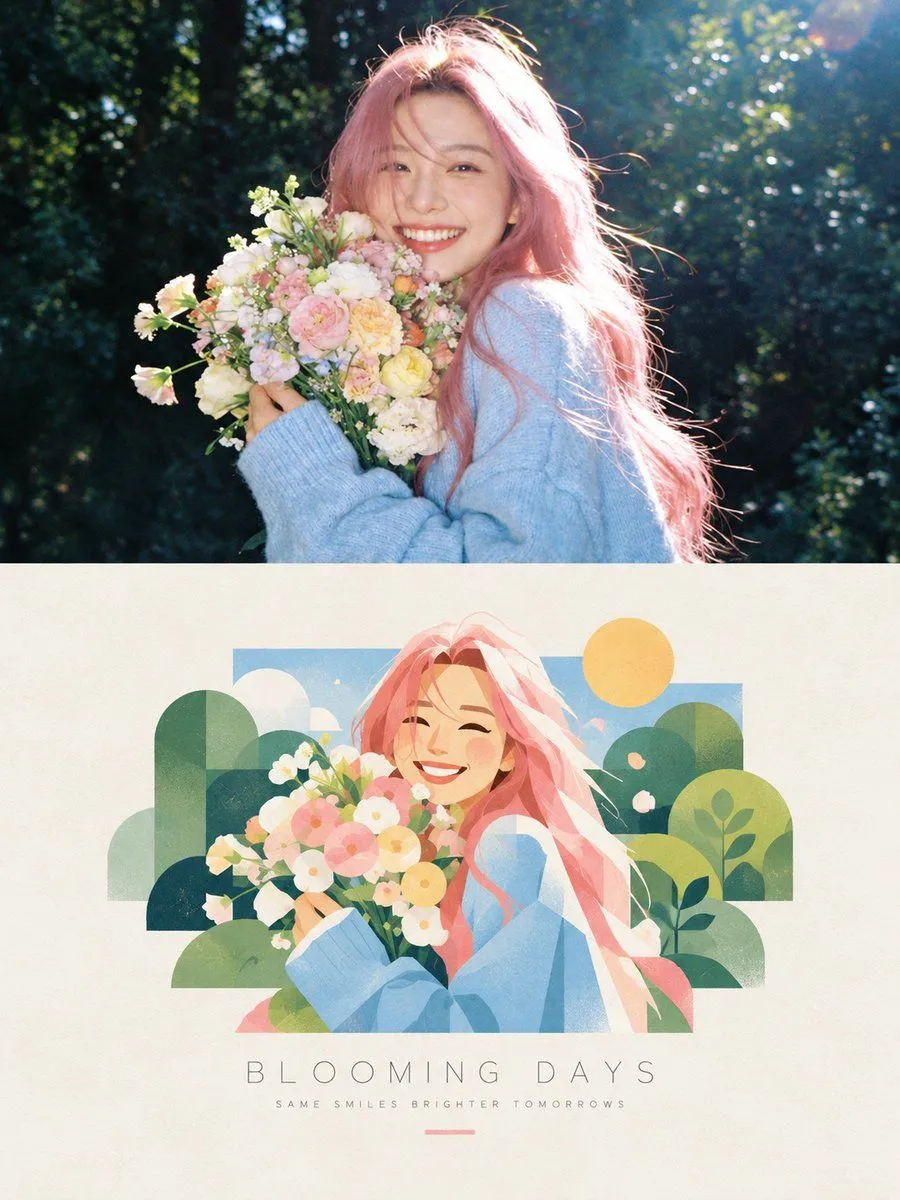
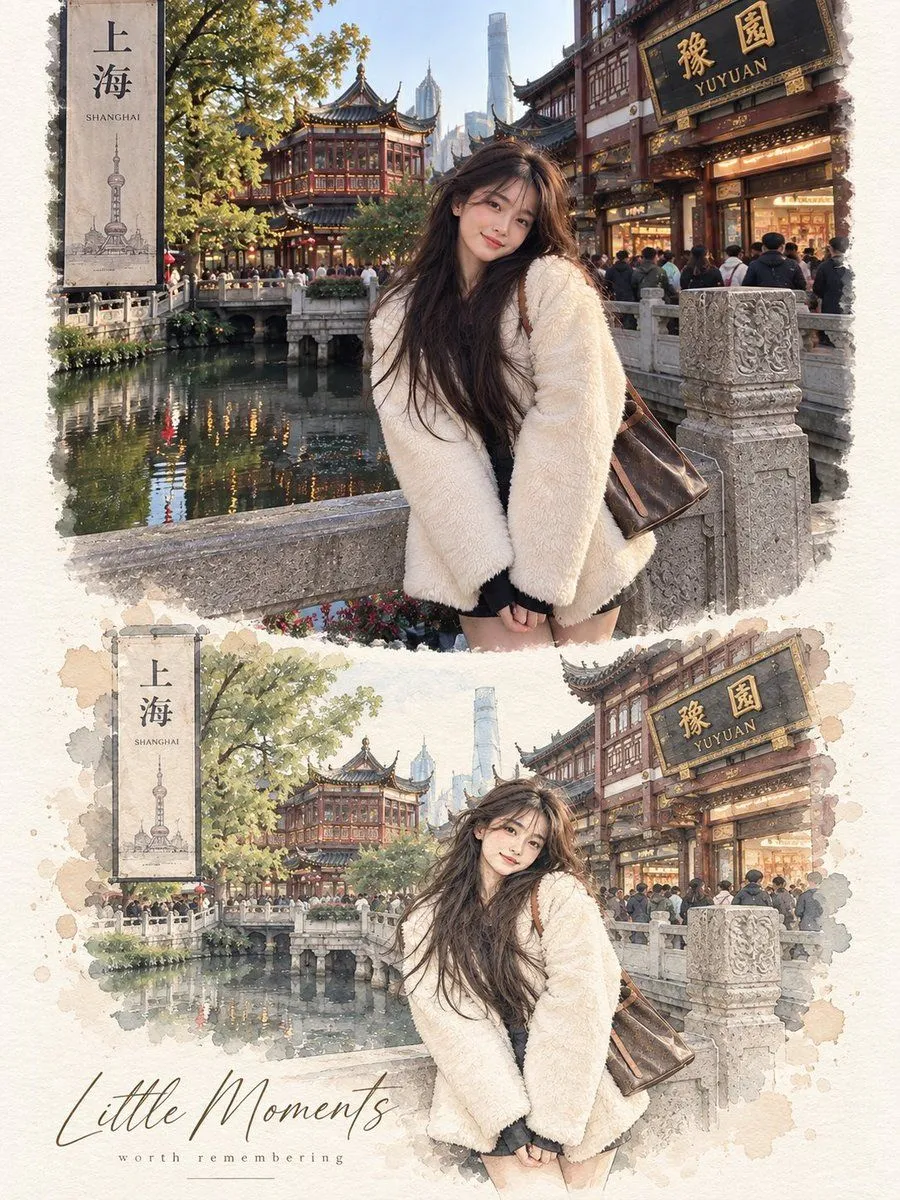
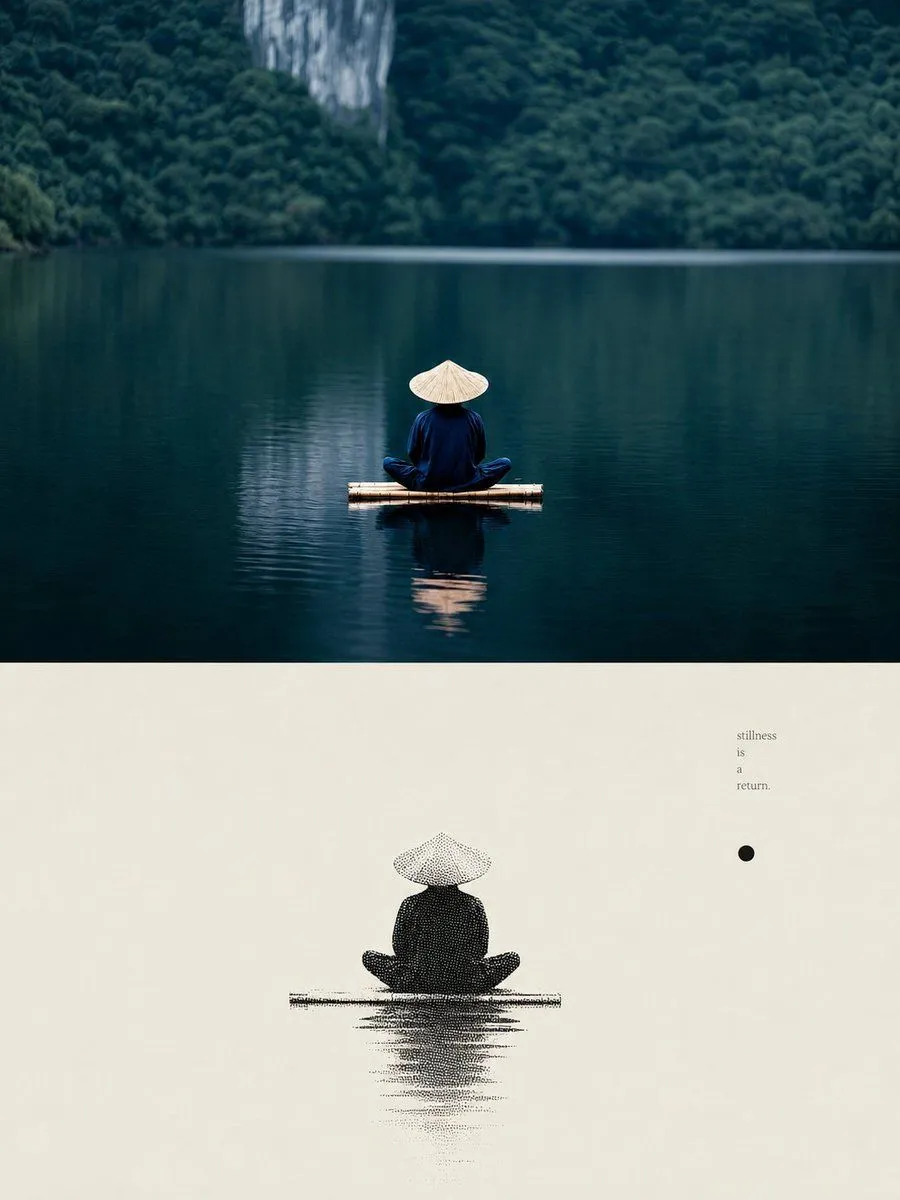
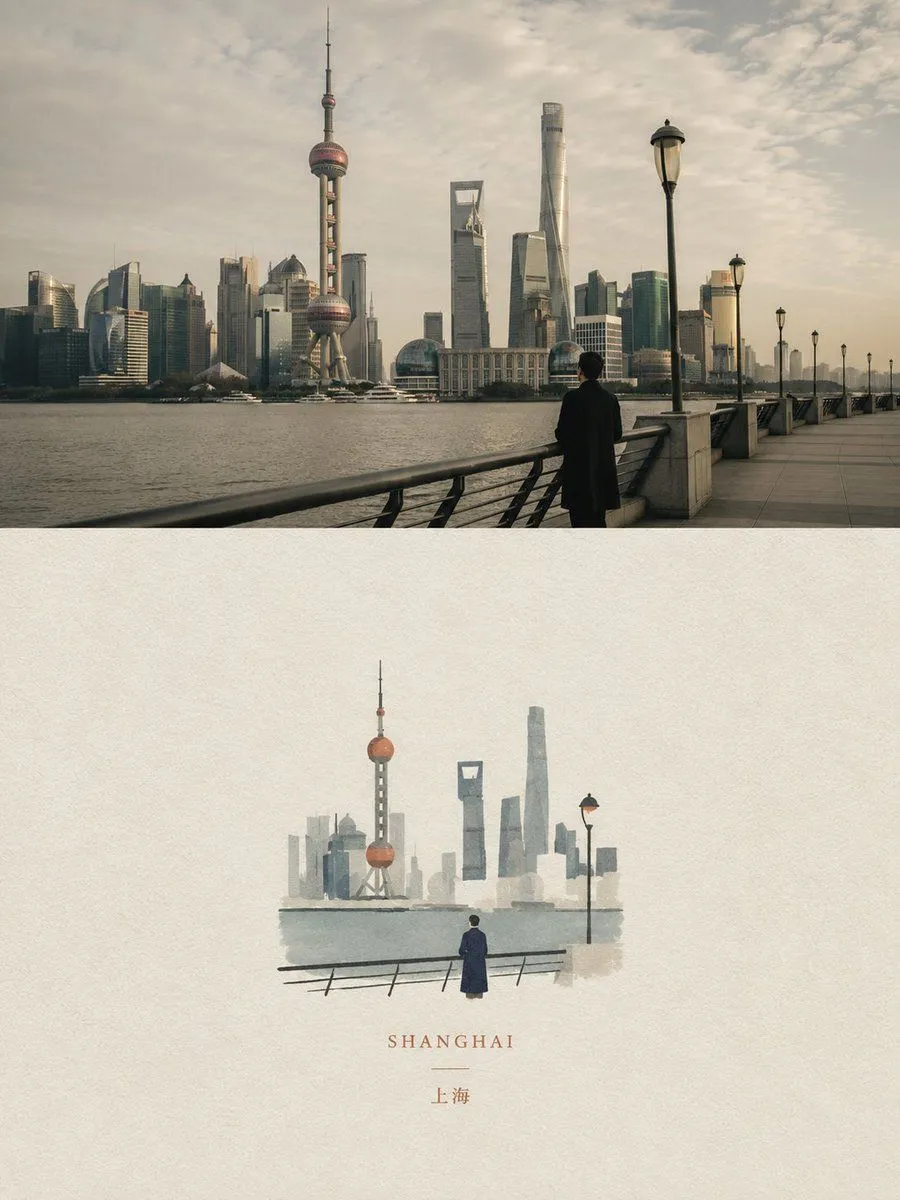
    Please turn each photo I upload into an independent high-end design poster, no collage; each photo is output separately. The overall design adopts a 3:4 vertical composition, with the upper and lower areas strictly 1:1, each occupying 50% of the frame. The upper part retains the original photo, maintaining the main structure, real texture, natural light and shadow, and original color atmosphere, with only slight high-end photographic color grading to give it the texture of an art magazine, independent publication, or exhibition photography. To adapt to the frame, the sky, ground, or environmental background can be naturally extended, but the subject must not be stretched, distorted, or changed. The lower part first understands the true core spirit, emotional relationship, and potential metaphor of the original image, then extracts the most recognizable subject, outline, posture, and narrative relationship, and selects only one core imagery that best represents the entire photo for a Chinese embroidery-style reconstruction. Do not embroider the entire photo, nor convert all elements into embroidery one by one; boldly delete secondary information, using a posture, an outline, a relationship, an action, or a symbolic detail to carry the core of the entire photo, so that when people see the lower part, they not only recognize "what it is," but also feel "what the original image is expressing." The embroidery language integrates the silk thread layers, stitch variations, virtual-real relationships, and Oriental white space (liu bai) of traditional Chinese embroidery. Various stitches such as flat stitch, long and short stitch, couching, wrapping, knot stitch, and stem stitch can be used, with the needle direction, density, and layers changed according to the shape of the subject. Parts can be detailed, while others can leave only a few stitches, a line, or an unfinished outline, letting "to embroider or not" together constitute the image. Truly present the silk thread luster, stitch direction, overlapping lines, and slight manual variations, but avoid full-page traditional patterns, a handicraft display feel, or digital-looking embroidery. The composition emphasizes trade-offs, white space, rhythm, and a sense of life. It is not fixedly centered or evenly filled; freely arrange the position, scale, cropping, and density according to the subject's center of gravity, movement, sightline, flow, and emotion. It can be off-center, suspended, partially enlarged, cross boundaries, or only partially visible, letting a small amount of embroidery and large white space form tension; a stray silk thread, an unfinished edge, or a small patch of color can also carry emotions. White space should be like air, distance, pause, and resonance, rather than an empty spot waiting to be filled. The background must be clean, clear, and airy, and not default to beige, gray-beige, old linen, or dingy light colors. Based on the color temperament of the top photo, adaptively choose clean white, cool white, soft ivory, extremely light tints, or a clear silk background with a specific hue; a bolder but pure colored background can also be used if suitable. The background is allowed to show very slight silk, damask, or fabric textures, but must not be yellowed, dusty, dingy, aged, or stained. The manual feel of embroidery comes from the threads and stitches, not from creating an aged background. Color palettes also have no fixed card. Find the most spirited, vibrant color relationship from the original image that best represents its spirit, then convert it into the unique agile silk thread color scales of Chinese embroidery. Instead of averaging the colors, retain the truly meaningful primary colors and allow for subtle shifts in warmth, depth, brightness, and purity, producing thread shimmer through analogous color placement, small complementary highlights, high-purity highlights, and varying stitch directions. Colors can be elegant, fresh, rich, soft, or simple, determined by each original image; rich but not cluttered, bright but not gaudy, soft but not dull, traditional but not stiff. Text serves only as a light editorial touch, distilling a very short English word or phrase from the emotions, actions, relationships, or metaphors not explicitly stated in the photo. Use fine-thread embroidery, slender labels, or minimalist small text, allowing the text to follow the flow of the silk threads, embed into negative space, or hug the subject's edge, even becoming part of the composition like a line; minimal and meaningful, not an explanatory label, and not competing with the embroidery. The overall pursuit is one image, one core; one core, one imagery: first understand the image, then choose what is most worth leaving behind; other elements would rather be discarded than piled up for richness. The final result presents the unique agile colors, silk thread luster, Oriental white space, subtle metaphors, and contemporary editorial design sense of Chinese embroidery—clear, spirited, emotional, and vibrant. Avoid full-image replication, element stacking, dingy beige backgrounds, yellowed old cloth, fixed national-style color palettes, full-page embroidery, a gift-shop feel, or a template look.

    Works in
    ChatGPT, Gemini
    Status
    Free to copy
    0
    DetailsVersions, settings and questions

    Written for

    What's in the prompt

    Subject
    Model
    GPT Image 2

    If your face changes

    keep my face exactly the same

    Questions

    Does this work in the ChatGPT app?
    Yes. Paste the prompt and attach your photo if it uses one.
    It changed my face. What do I do?
    Add "keep my face exactly the same" to the end and run it again.
    Can I use the images I make?
    Check the terms of the app you use. Promptclay never generates images and claims nothing you make.
    Similar prompts

    See more
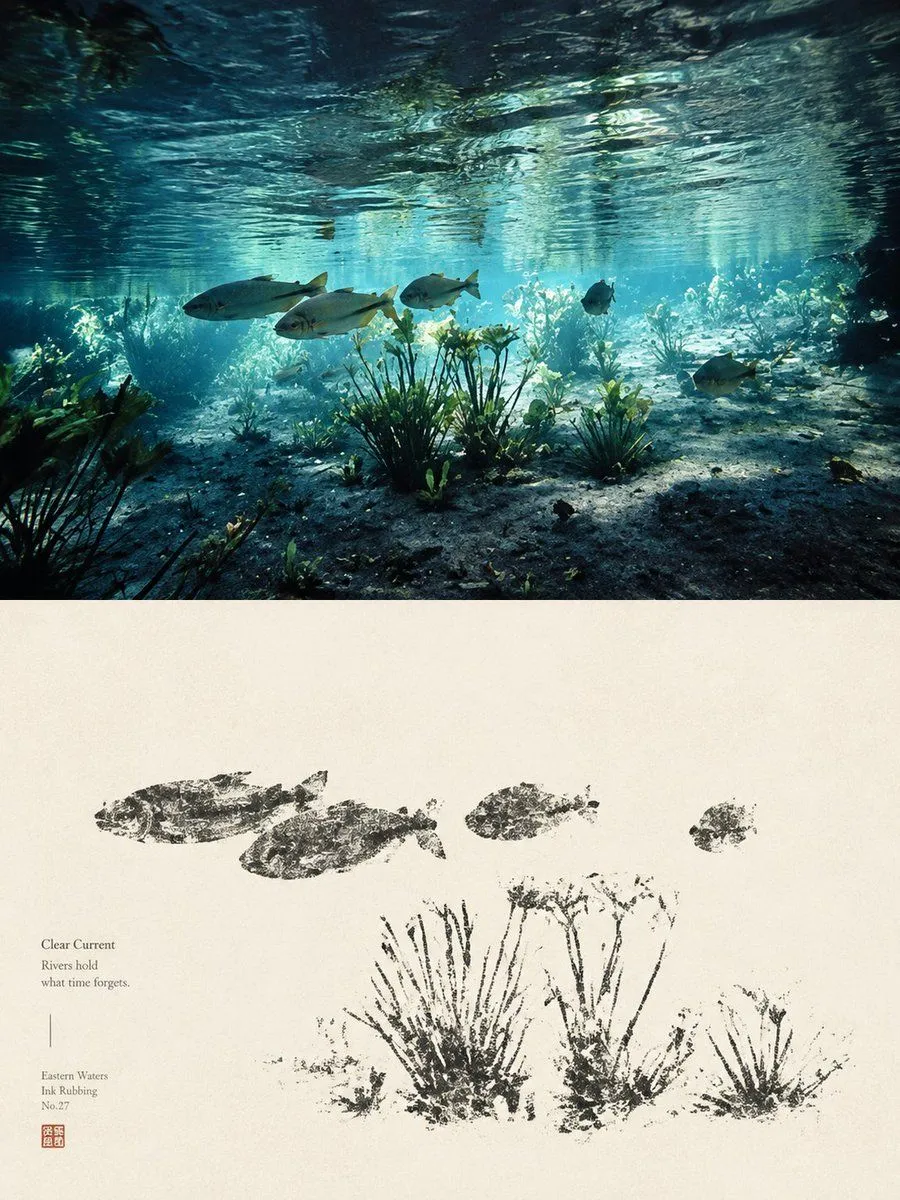
    • Underwater River Ink Rubbing Diptych
    • Travel Observation Archive Poster Design
    • Photo to Hand-drawn Illustration Poster Prompt
    • Scandinavian Watercolor Vignette Artwork
    • Zen Lake Stillness Poster
    • Summer Morning Glory Poster
    • Precise Natural History Illustration Prompt: Chinese Peacock Butterfly
    • Chinese poetic and crossover character prompts
    • Chinese Silhouette Lantern Wallpaper
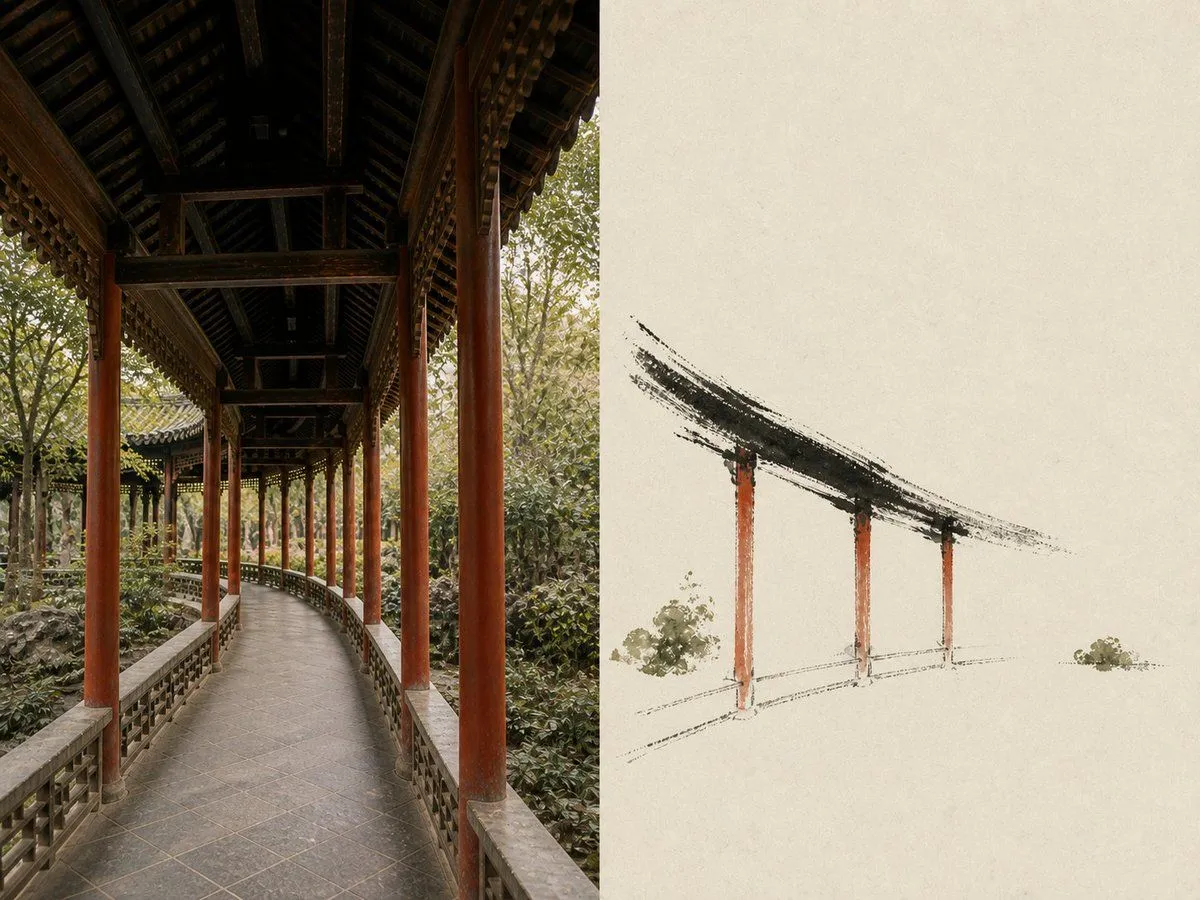
    • Minimalist Oriental Ink Typography Poster
    • Dark Silhouette Poster Design from Photo
    • Hand-Drawn Linear Sketch Art
    • Epic Narrative Silhouette Movie Poster
    • Vintage Travel Journal Editorial Collage
    • Chibi Sticker Paper-cut City Illustration
    • Minimalist Botanical Wall Art Portrait
    • Autumn Chinese Garden Pop-Up Book
    • Tropical Oasis Waterfall Watercolor Illustration
    • Japanese Woman Autumn Garden Kimono
    • Four Seasons Japanese Panorama
    • Dual Editorial Poster Layout
    • Japanese Movie Teaser Collage
    • Paper Texture Swatch Grid
    • Snow Flower Hashira Diagnosis Poster

    Show more

    Run it on your phone

    1. Prompt copiedRead it

      Please turn each photo I upload into an independent high-end design poster, no collage; each photo is output separately. The overall design adopts a 3:4 vertical composition, with the upper and lower areas strictly 1:1, each occupying 50% of the frame. The upper part retains the original photo, maintaining the main structure, real texture, natural light and shadow, and original color atmosphere, with only slight high-end photographic color grading to give it the texture of an art magazine, independent publication, or exhibition photography. To adapt to the frame, the sky, ground, or environmental background can be naturally extended, but the subject must not be stretched, distorted, or changed. The lower part first understands the true core spirit, emotional relationship, and potential metaphor of the original image, then extracts the most recognizable subject, outline, posture, and narrative relationship, and selects only one core imagery that best represents the entire photo for a Chinese embroidery-style reconstruction. Do not embroider the entire photo, nor convert all elements into embroidery one by one; boldly delete secondary information, using a posture, an outline, a relationship, an action, or a symbolic detail to carry the core of the entire photo, so that when people see the lower part, they not only recognize "what it is," but also feel "what the original image is expressing." The embroidery language integrates the silk thread layers, stitch variations, virtual-real relationships, and Oriental white space (liu bai) of traditional Chinese embroidery. Various stitches such as flat stitch, long and short stitch, couching, wrapping, knot stitch, and stem stitch can be used, with the needle direction, density, and layers changed according to the shape of the subject. Parts can be detailed, while others can leave only a few stitches, a line, or an unfinished outline, letting "to embroider or not" together constitute the image. Truly present the silk thread luster, stitch direction, overlapping lines, and slight manual variations, but avoid full-page traditional patterns, a handicraft display feel, or digital-looking embroidery. The composition emphasizes trade-offs, white space, rhythm, and a sense of life. It is not fixedly centered or evenly filled; freely arrange the position, scale, cropping, and density according to the subject's center of gravity, movement, sightline, flow, and emotion. It can be off-center, suspended, partially enlarged, cross boundaries, or only partially visible, letting a small amount of embroidery and large white space form tension; a stray silk thread, an unfinished edge, or a small patch of color can also carry emotions. White space should be like air, distance, pause, and resonance, rather than an empty spot waiting to be filled. The background must be clean, clear, and airy, and not default to beige, gray-beige, old linen, or dingy light colors. Based on the color temperament of the top photo, adaptively choose clean white, cool white, soft ivory, extremely light tints, or a clear silk background with a specific hue; a bolder but pure colored background can also be used if suitable. The background is allowed to show very slight silk, damask, or fabric textures, but must not be yellowed, dusty, dingy, aged, or stained. The manual feel of embroidery comes from the threads and stitches, not from creating an aged background. Color palettes also have no fixed card. Find the most spirited, vibrant color relationship from the original image that best represents its spirit, then convert it into the unique agile silk thread color scales of Chinese embroidery. Instead of averaging the colors, retain the truly meaningful primary colors and allow for subtle shifts in warmth, depth, brightness, and purity, producing thread shimmer through analogous color placement, small complementary highlights, high-purity highlights, and varying stitch directions. Colors can be elegant, fresh, rich, soft, or simple, determined by each original image; rich but not cluttered, bright but not gaudy, soft but not dull, traditional but not stiff. Text serves only as a light editorial touch, distilling a very short English word or phrase from the emotions, actions, relationships, or metaphors not explicitly stated in the photo. Use fine-thread embroidery, slender labels, or minimalist small text, allowing the text to follow the flow of the silk threads, embed into negative space, or hug the subject's edge, even becoming part of the composition like a line; minimal and meaningful, not an explanatory label, and not competing with the embroidery. The overall pursuit is one image, one core; one core, one imagery: first understand the image, then choose what is most worth leaving behind; other elements would rather be discarded than piled up for richness. The final result presents the unique agile colors, silk thread luster, Oriental white space, subtle metaphors, and contemporary editorial design sense of Chinese embroidery—clear, spirited, emotional, and vibrant. Avoid full-image replication, element stacking, dingy beige backgrounds, yellowed old cloth, fixed national-style color palettes, full-page embroidery, a gift-shop feel, or a template look.

    2. Open your app

      This prompt is long, so it is copied instead of sent in the link. Paste it in the app.

    3. Paste and run

      Press and hold the message box, then tap Paste. Add your photo first if the prompt uses one. You may need to sign in.

    Chinese Embroidery Art Poster